WASHINGTON (AP) — A combination of term-limits, retirements, aspirations for higher office and one high-profile presidential appointment have triggered a wave of open seats in Oklahoma’s state primary on Tuesday.
Voters will select nominees to replace departing federal and state officials ranging from U.S. senator and representative to governor, lieutenant governor, attorney general and state legislator. They’ll also decide whether to renominate some incumbents for another term and consider a statewide ballot measure on the minimum wage.
Click to Gallery
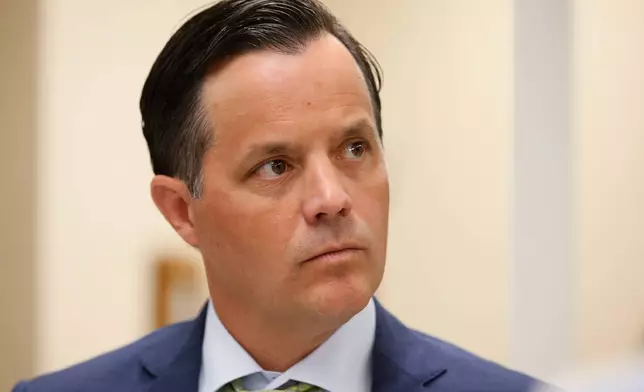
FILE - Oklahoma Secretary of Public Safety Chip Keating attends a news conference, May 7, 2020, in Oklahoma City. (AP Photo/Sue Ogrocki, File)
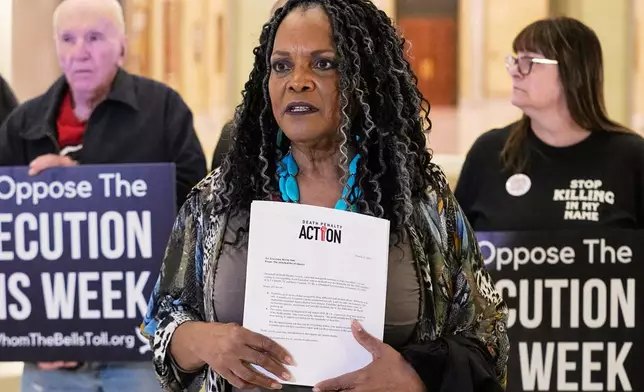
FILE - Former Oklahoma state Sen. Connie Johnson address the media before protestors deliver petitions against the death penalty to the office of Oklahoma Gov. Kevin Stitt, Jan. 11, 2023, in Oklahoma City. (AP Photo/Sue Ogrocki, File)
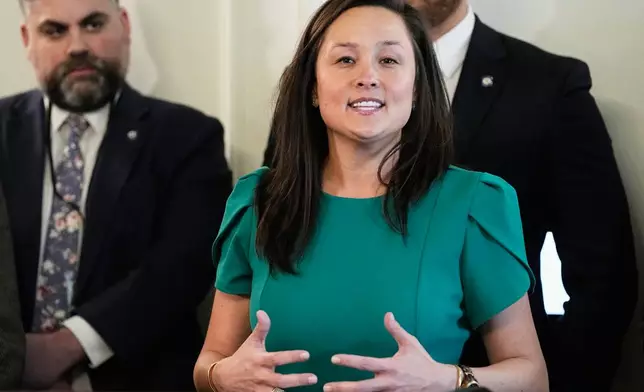
FILE - Oklahoma House minority leader Rep. Cyndi Munson, D-Oklahoma City, gestures during a news conference following the State of the State address, Feb. 6, 2023, in Oklahoma City. (AP Photo/Sue Ogrocki, File)
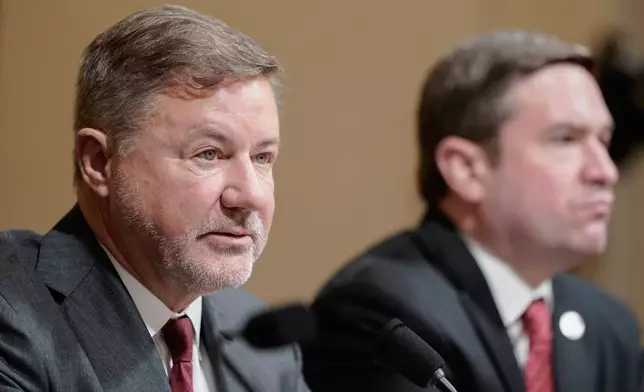
FILE - Oklahoma Attorney General Gentner Drummond testifies during a House Committee on Homeland Security hearing on Capitol Hill, Jan. 10, 2024, in Washington. (AP Photo/Mariam Zuhaib, File)
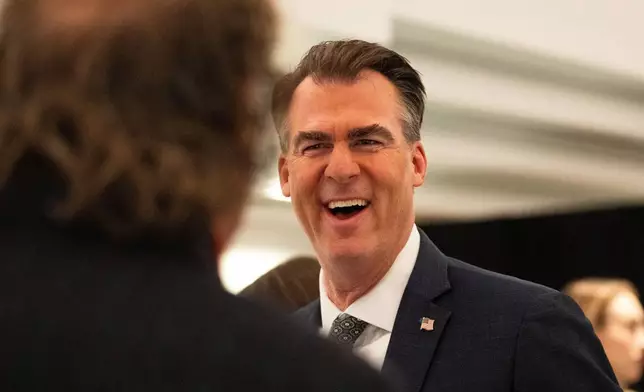
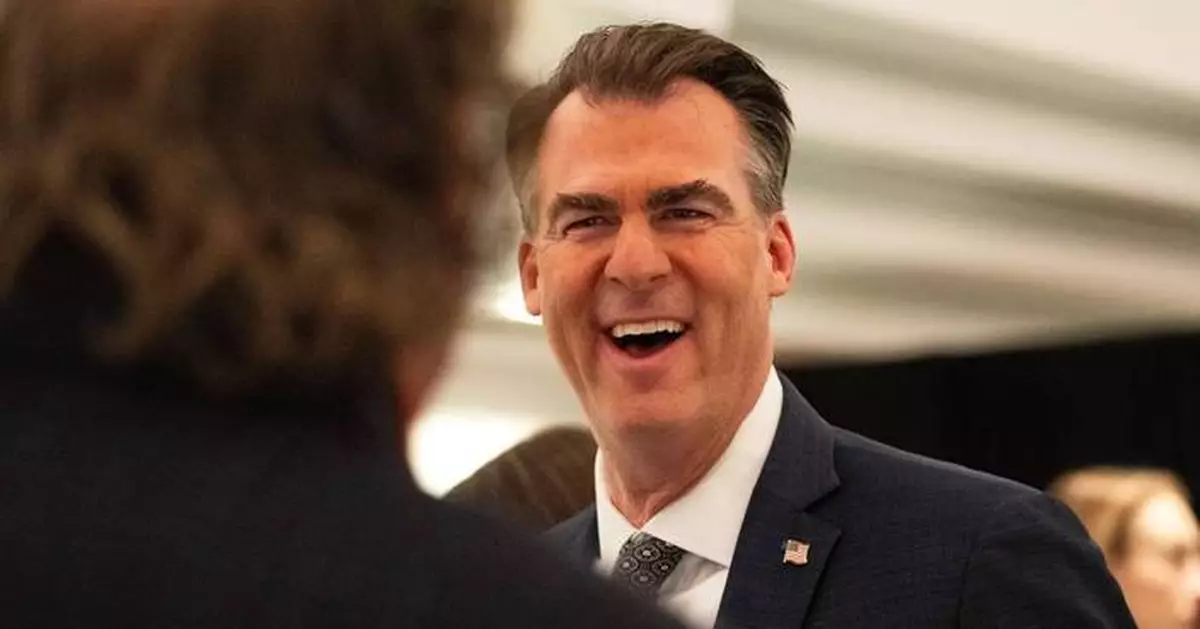
FILE - Oklahoma Gov. Kevin Stitt speaks with an individual following an event at the National Governors Association Winter Meeting, Feb. 19, 2026, in Washington. (AP Photo/Allison Robbert, File)
Among the most notable open-seat contests are the primaries to replace term-limited Republican Gov. Kevin Stitt.
The crowded nine-person Republican primary ballot includes state Attorney General Gentner Drummond; former state Secretary of Public Safety Chip Keating, who is the son of former Gov. Frank Keating; former state Sen. Mike Mazzei; and former state House Speaker Charles McCall.
The Democratic field includes state House Minority Leader Cyndi Munson and former state Sen. Connie Johnson.
President Donald Trump opened up another high-profile seat in Oklahoma when he named Republican U.S. Sen. Markwayne Mullin to replace fellow Republican Kristi Noem as Department of Homeland Security secretary. Mullin's appointed replacement, U.S. Sen. Alan Armstrong, opted not to seek a full term.
The Republican primary to replace Mullin and Armstrong features U.S. Rep. Kevin Hern and four others. Five Democrats seek the nomination, including attorney and minister Jim Priest. Hern and Priest lead their respective fields in campaign fundraising, although the Hern campaign’s $6.8 million in available cash as of May 27 far eclipses the $118,000 the Priest campaign had.
Trump has endorsed Mazzei for governor and Hern for U.S. Senate.
Candidates must receive a majority of votes in the primary to win the nomination. Otherwise, the top two vote-getters in the primary will advance to an Aug. 25 runoff.
Also on the ballot Tuesday is State Question 832, which would raise the state minimum wage from $7.25 to $15 per hour by 2029. Starting in 2030, it would tie future minimum wage increases to cost of living increases.
Oklahoma is solidly Republican in general elections. It had Trump’s fifth highest vote share of any state in the 2024 presidential election. A Democrat hasn’t carried Oklahoma in a presidential race since President Lyndon Johnson in 1964.
The state last elected a Democrat for governor in 2006 and for U.S. Senate in 1990.
Here are some of the key facts about the election and data points the AP Decision Team will monitor as the votes are tallied:
Polls close at 7 p.m. CT, which is 8 p.m. ET.
The Associated Press will provide vote results and declare winners in contested primaries for U.S. Senate, U.S. House, governor, lieutenant governor, attorney general, treasurer, state school superintendent, labor commissioner, insurance commissioner, corporation commissioner, state Senate and state House, as well as for the statewide ballot measure.
Voters registered with a political party may participate only in their own party’s primary. Democrats may not vote in the Republican primary or vice versa. State parties have the option to allow independent or unaffiliated voters to participate in their primaries, but none has done so for 2026 elections. All registered voters may cast ballots on the statewide ballot measure.
As of May 31, there were about 2.4 million registered voters in Oklahoma, including about 1.3 million registered Republicans, 614,000 registered Democrats and 495,000 independent voters not registered with any party.
Roughly 360,000 votes were cast in the Republican primaries in 2022, compared with about 168,000 in the Democratic primaries. This was about 16% and 7% of registered voters at the time, respectively.
In the 2022 state primaries, about 10% of the Republican primary vote and about 13% of the Democratic primary vote was cast early in person or by mail.
As of Friday, about 35,000 ballots had already been cast in Tuesday’s election. That includes about 21,000 ballots from Republicans, about 12,000 from Democrats and about 2,000 from voters not affiliated with any party.
Almost every county in Oklahoma releases all or almost all of its results from early in-person and mail voting in the first vote update of the night, usually before any results from in-person Election Day voting are released.
In the 2022 state primary, the AP first reported results at 8:10 p.m. ET, or 10 minutes after polls closed. By 10:30 p.m. ET, more than 90% of the votes had been counted. The last vote update of the night was at 12:33 a.m. ET, with about 99.9% of total votes counted.
The AP does not make projections and will declare a winner only when it’s determined there is no scenario that would allow a trailing candidate to close the gap. If a race has not been called, the AP will continue to cover any newsworthy developments, such as candidate concessions or declarations of victory. In doing so, the AP will make clear that it has not yet declared a winner and explain why.
Oklahoma does not have automatic recounts for elections involving candidates, but candidates may request and pay for one regardless of the vote margin. The state does require automatic recounts for statewide ballot questions if the margin is 0.5% or less of the total votes cast. The required margin is larger for state constitutional amendments. The AP may declare a winner in a race that is subject to a recount if it can determine the lead is too large for a recount or legal challenge to change the outcome.
As of Tuesday, there will be 70 days until the Aug. 25 runoff and 140 days until the Nov. 3 midterm elections.
Follow the AP’s coverage of the 2026 election at https://apnews.com/projects/elections-2026/.
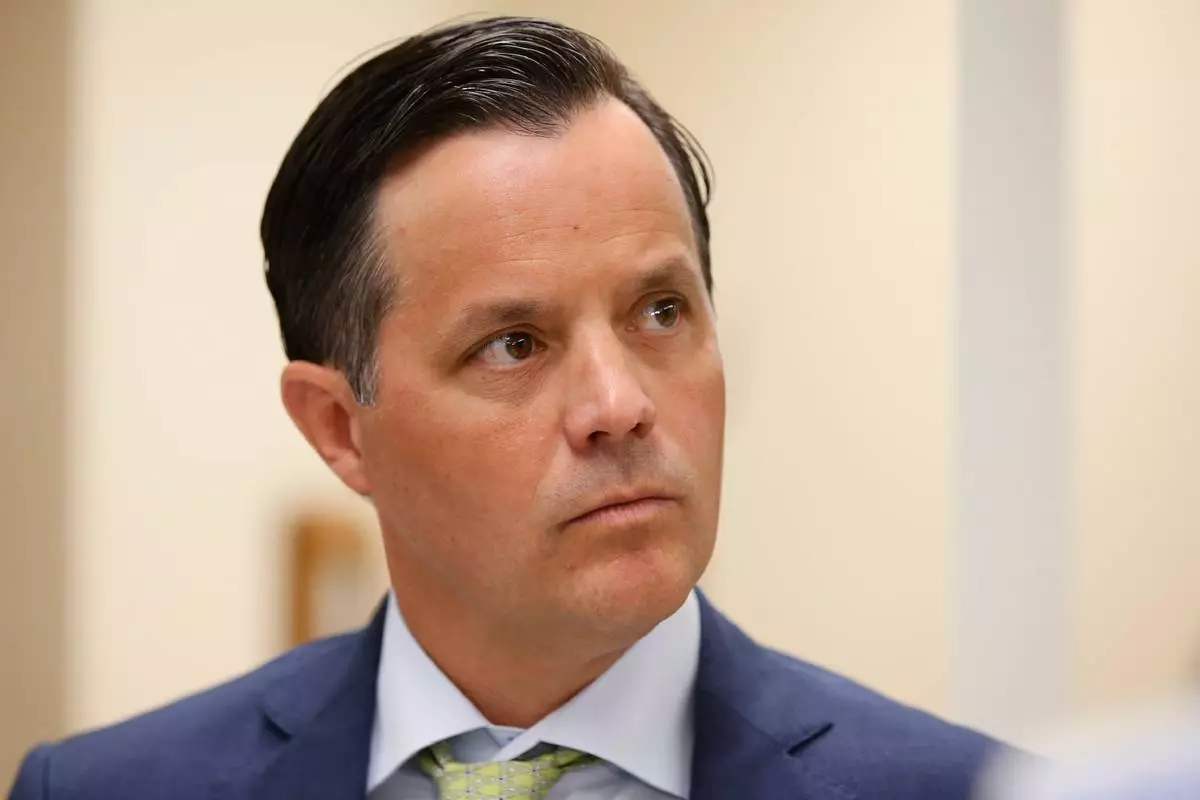
FILE - Oklahoma Secretary of Public Safety Chip Keating attends a news conference, May 7, 2020, in Oklahoma City. (AP Photo/Sue Ogrocki, File)
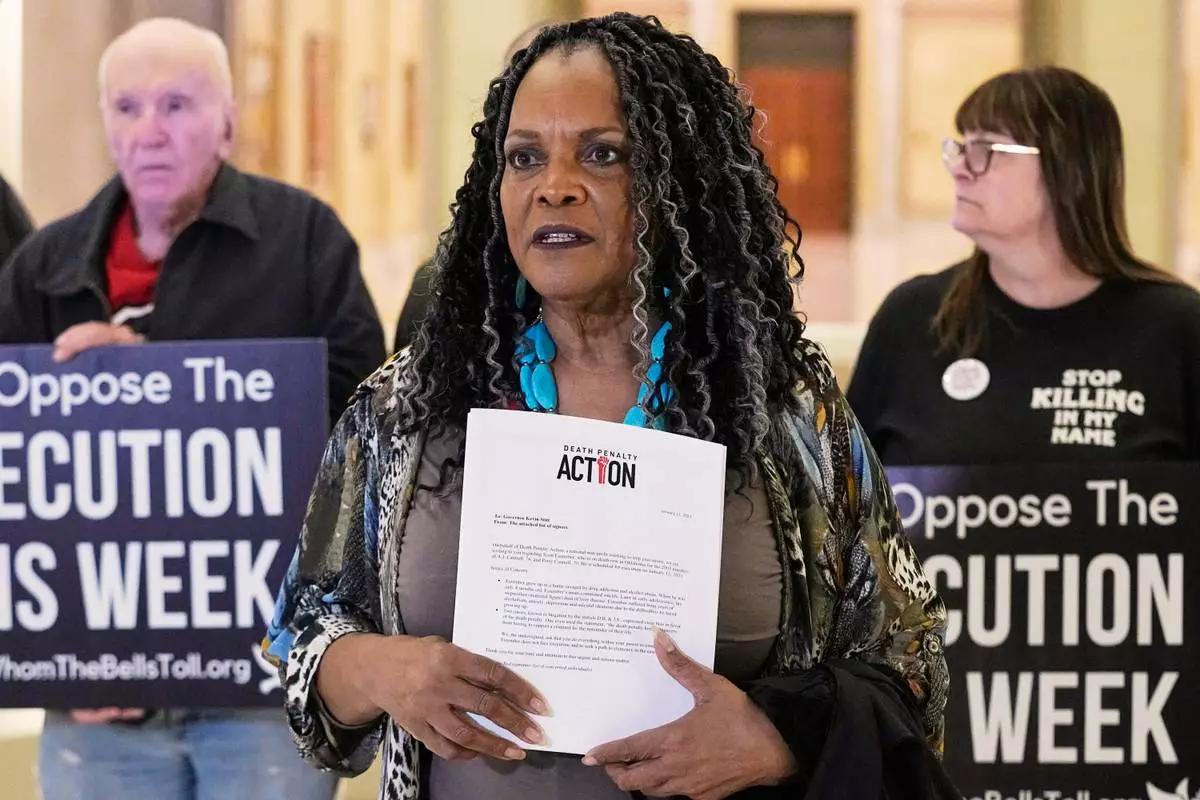
FILE - Former Oklahoma state Sen. Connie Johnson address the media before protestors deliver petitions against the death penalty to the office of Oklahoma Gov. Kevin Stitt, Jan. 11, 2023, in Oklahoma City. (AP Photo/Sue Ogrocki, File)
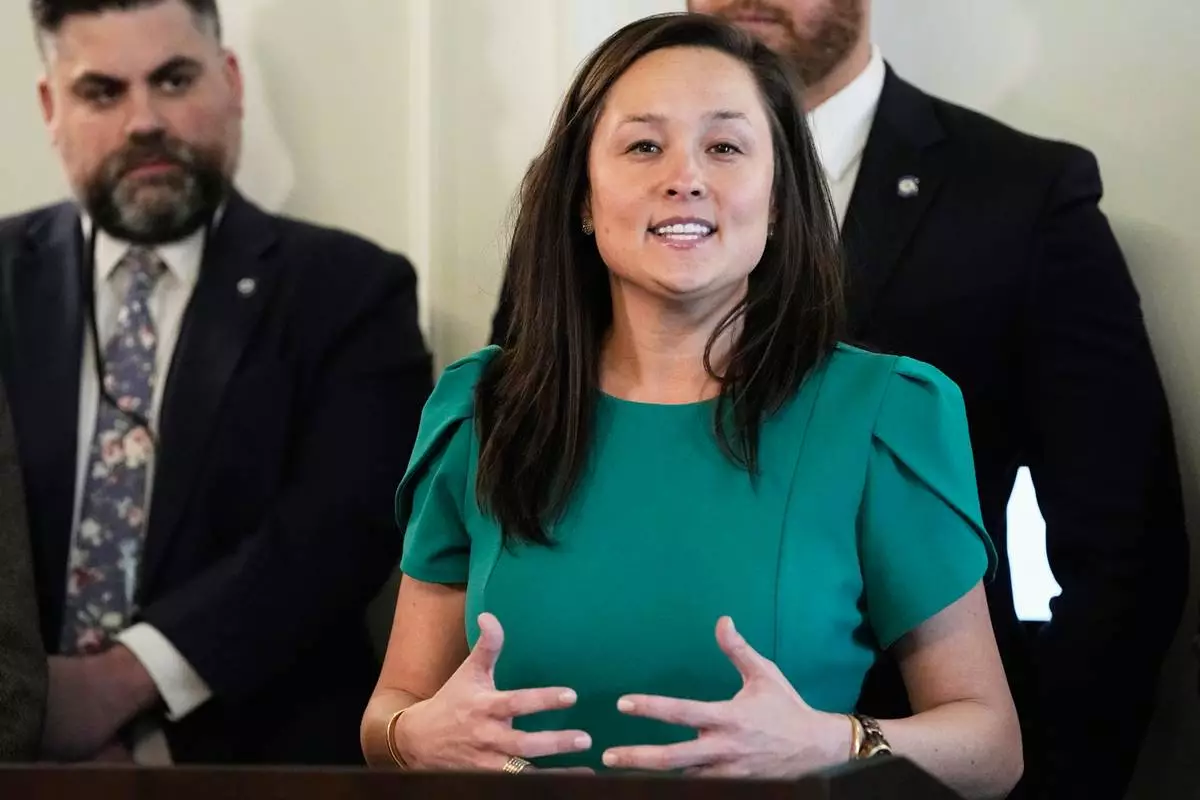
FILE - Oklahoma House minority leader Rep. Cyndi Munson, D-Oklahoma City, gestures during a news conference following the State of the State address, Feb. 6, 2023, in Oklahoma City. (AP Photo/Sue Ogrocki, File)
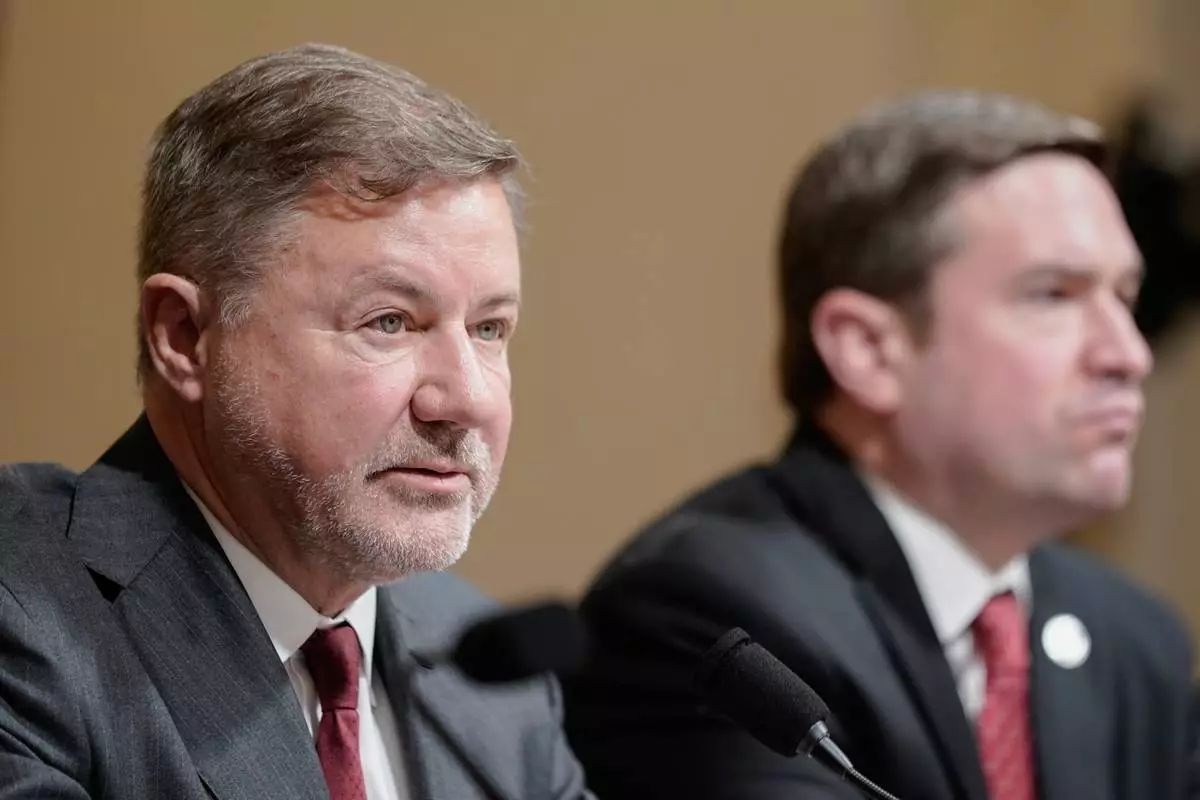
FILE - Oklahoma Attorney General Gentner Drummond testifies during a House Committee on Homeland Security hearing on Capitol Hill, Jan. 10, 2024, in Washington. (AP Photo/Mariam Zuhaib, File)
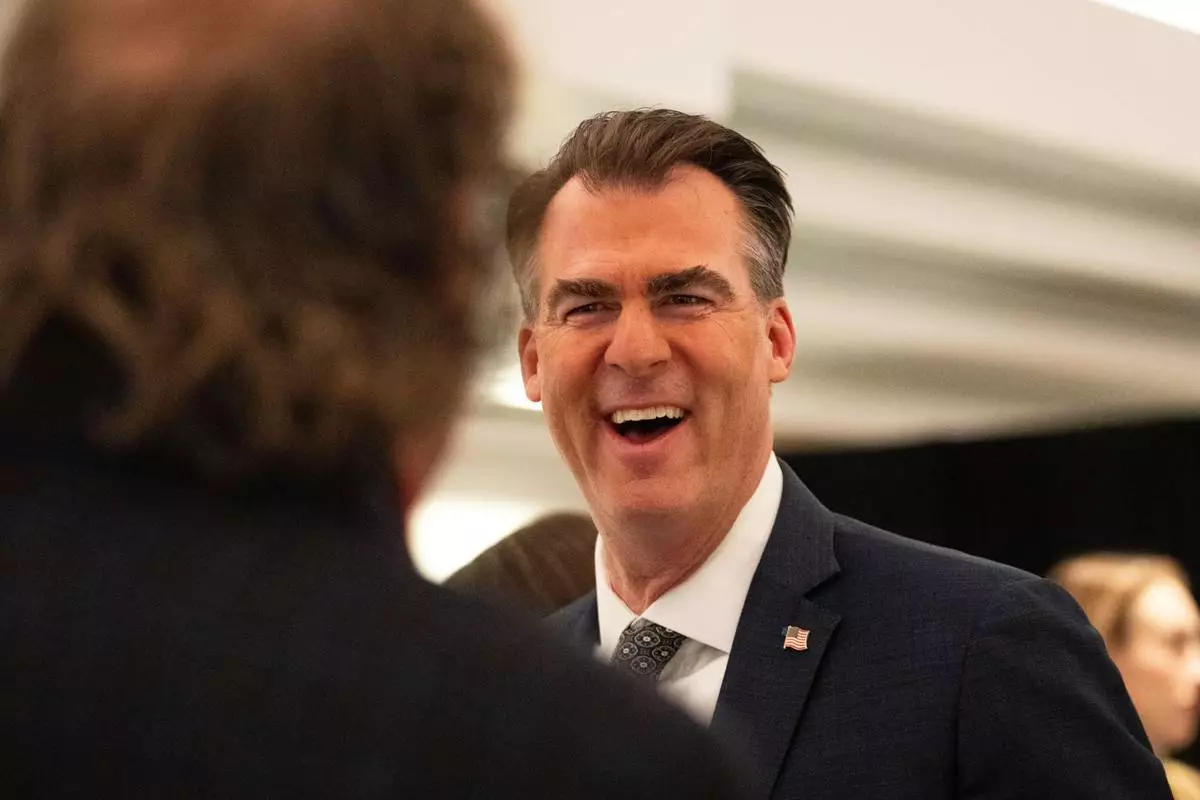
FILE - Oklahoma Gov. Kevin Stitt speaks with an individual following an event at the National Governors Association Winter Meeting, Feb. 19, 2026, in Washington. (AP Photo/Allison Robbert, File)