STAFFORD TOWNSHIP, N.J. (AP) — A federal immigration agent was struck by a vehicle Monday and fired his gun while attempting to apprehend someone in New Jersey, police said.
The agent's gunfire possibly struck the vehicle as it left the scene, Stafford Township police said in a written statement.
“The agent reportedly sustained unknown injuries,” police said, adding that it was unknown whether the motorist was hurt. “There is no reason to believe there is any concern for the public’s safety.”
An email seeking comment from Immigration and Customs Enforcement was not immediately returned. Photos posted online showed a masked agent sitting on the ground, leaning against a vehicle bumper, before being placed on a stretcher.
The incident occurred on Route 72 in Stafford Township's Manahawkin community, roughly 60 miles (96.5 kilometers) east of Philadelphia.
There is no universal training standard for law enforcement to shoot at a moving vehicle. But most police departments and federal guidance bar shooting unless the driver poses an imminent threat of deadly force beyond the car itself.
In Senatobia, Mississippi, a child died Sunday when a police officer responding to a shoplifting call at a Walmart fired at a moving vehicle. As police tried to stop the vehicle, the driver almost hit an officer, according to the Mississippi Bureau of Investigation.
An ICE agent in Minneapolis fatally shot Renee Good, a U.S. citizen, in January. The government said the agent's safety was at risk, but video showed Good had turned the front wheels and was driving away from him after blocking a street with her SUV.
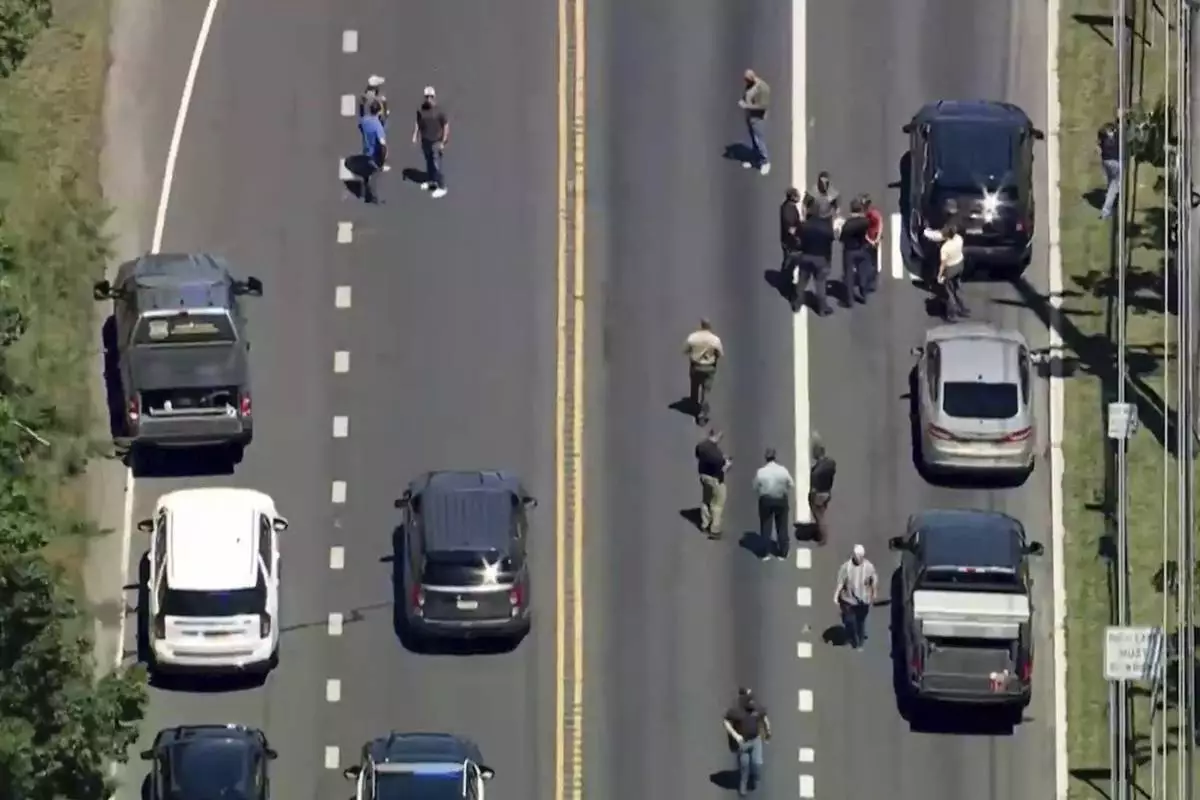
This image taken from video provided by WPVI-TV/6ABC shows law enforcement responding to the scene where, according to police, an ICE officer was struck by a vehicle Monday, June 15, 2026, in Stafford Township, N. (WPVI-TV/6ABC via AP)
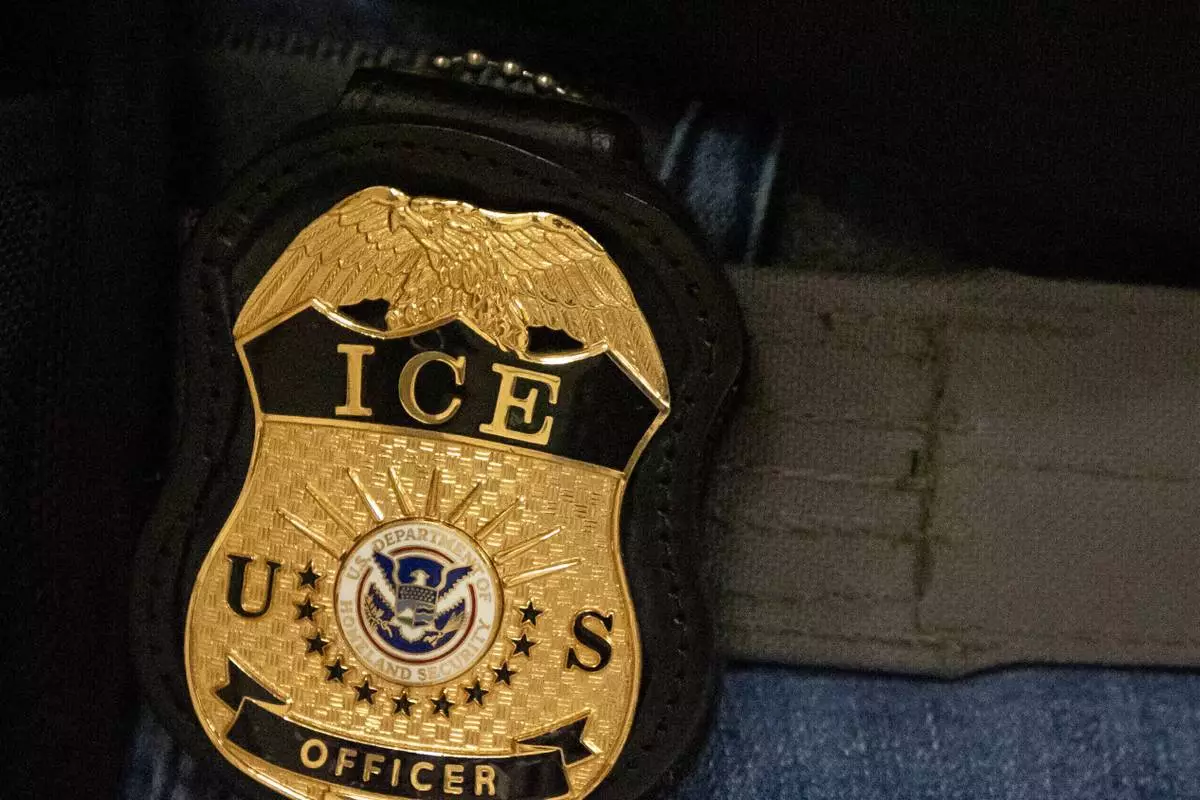
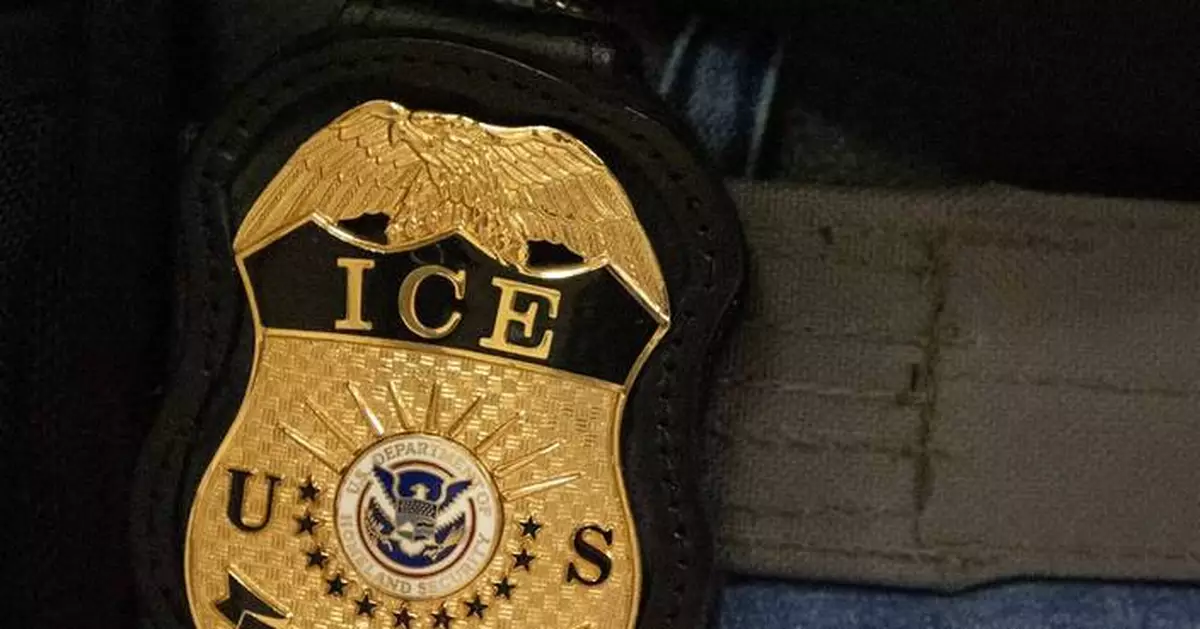
FILE - A federal agent wears an Immigration and Customs Enforcement badge in New York, June 10, 2025. (AP Photo/Yuki Iwamura, File)
ISLAMABAD (AP) — Iran and the United States are trumpeting their tentative agreement aimed at ending their war as a victory. But so far there is no word on what’s actually in it.
The memorandum of understanding, brokered mainly by Pakistan, starts with the simultaneous lifting of Iran’s closure of the Strait of Hormuz and the U.S. blockade of Iran’s ports, according to Pakistani officials. The two sides will then begin 60 days of negotiations over Iran’s nuclear program and the potential lifting of sanctions, they told the AP, speaking on condition of anonymity because the text is being kept confidential.
That would leave the adversaries more or less where they were 3 ½ months ago — before Israel and the U.S. on Feb. 28 launched their war on Iran, which has left thousands dead across the region, triggered a global energy crisis and shaken the American economy with an inflation surge.
Much remains unknown, including whether the deal says anything about Iran’s missile program or support for its regional allies like Lebanon’s Hezbollah, issues that the U.S. and Israel cited to justify the war. Another major question is how it addresses Lebanon: Israel and Hezbollah are not parties to the deal, and their fighting could blow up the arrangement.
Here’s what to know:
Once the deal is signed — expected on Friday — the Strait of Hormuz will reopen and the U.S. will lift its blockade, U.S. President Donald Trump said. The announcement triggered a drop in oil prices and a surge in stock markets. Trump said Iran would not charge a toll for passage of ships — a demand made by Tehran — suggesting that the deal restores the prewar status quo.
Iran’s closure of the strait, through which around a fifth of the world’s oil supplies must pass to reach markets, proved perhaps its strongest weapon. It drove up fuel prices, made food and other basics like fertilizer more expensive well beyond the region and helped push inflation in the U.S. up to 4% ahead of midterm elections later this year.
The U.S. blockade, imposed after an initial ceasefire was reached on April 7, cut off the billions Iran earned from oil exports and further crippled an economy hit hard by the war.
The 60-day period of negotiations can be extended if there is progress, Iranian Foreign Minister Abbas Araghchi said Friday. What is not known is whether the new agreement puts the two sides any closer than they were months ago, when the U.S. and Israel launched their surprise attack on Iran.
The U.S. and Israel fear Iran’s nuclear program could lead to an atomic weapon, a main reason cited for going to war. Tehran has insisted its nuclear efforts are for peaceful purposes.
Central to U.S. demands is the removal or dilution of Tehran’s highly enriched uranium. Iran in the past resisted U.S. terms over the stockpile, and a major question will be whether the text of the agreement explicitly commits Iran to getting rid of it. Iran developed the stockpile after Trump in 2018 unilaterally pulled out of the 2015 deal that had put limits on Iran’s nuclear program.
Iran has demanded the lifting of international sanctions and unfreezing of billions of dollars in assets, moves vital to resuscitating its economy. The Pakistani officials said the deal outlines a phased process for easing sanctions and releasing frozen assets, tied to progress in the talks.
The Trump administration has said its aims in the war were to “obliterate” Iran's missile arsenal and “sever its support” for proxies around the region, as well “annihilate its navy” and ensure Iran never acquires a nuclear weapon.
The seven weeks of U.S.-Israeli bombardment are believed to have heavily damaged Iran’s missile arsenal and production facilities as well as other parts of its military. How heavily is not known, and Iran has continued to fire missiles and carry out drone strikes. Few analysts think Iran cannot rebuild its capabilities.
Iran’s ties with its allies — Hezbollah in Lebanon, the Houthis in Yemen and Shiite militias in Iraq — appear strong as ever. There has been no indication that the deal addresses either the missile program or support for proxies, though a final text when it emerges could show otherwise.
The air campaign also inflicted heavy damage on Iran’s economy. Nevertheless, Iran’s leadership has emerged from the war seemingly bolder.
It survived the most serious attempt ever by Israel and the United States to topple the Islamic Republic, with their thundering opening volleys of the war that killed Iran’s supreme leader and much of the top political and military echelons.
Iran demonstrated its ability to retaliate against the global economy by shutting down the strait and by hitting U.S. Arab allies in the Gulf. The effectiveness of that weapon boosted Iran’s confidence that Trump won’t return to the military option.
The potential obstacle to the agreement is Lebanon, where any spiral in the conflict has the potential to drag in Iran.
Iran has insisted that any deal must also include a ceasefire in Lebanon. After the agreement was announced, the first Israeli response came from its defense minister, Israel Katz, who said Israel won’t withdraw from the large swath of southern Lebanon seized over the past months.
Hezbollah in a statement praised the deal and said it was committed to resisting Israel “until full withdrawal is achieved.”
However, a U.S. official said the deal did not call for an Israeli withdrawal from Lebanon and that Israel had a right to respond to Hezbollah attacks. The official spoke on condition of anonymity to discuss outlines of the agreement.
Israeli Prime Minister Benjamin Netanyahu boasted of unprecedented “shoulder to shoulder” cooperation with the U.S. at the outset of the war, launched in a joint operation between the two close allies.
But since then, Trump and Netanyahu have been at odds — with the president eager to end a war that is deeply unpopular with the American public and Netanyahu wanting to press ahead to realize his more ambitious goals. On Monday, Netanyahu said the agreement between the U.S. and Iran was Trump’s decision and that Israel has its own interests, primarily making sure that Israel does not face a nuclear threat from Iran.
Netanyahu was largely sidelined during the ceasefire talks and appears to have lost support among members of the Republican Party. The emerging ceasefire has also come under heavy criticism in Israel, both from opposition leaders and even members of his governing coalition.
That could bode poorly for the veteran Israeli leader, who faces reelection this fall.
Keath reported from Cairo. Associated Press writers Josef Federman in Jerusalem, Sam Mednick in Tel Aviv, Israel, and Michelle L. Price and Will Weissert in Washington contributed to this report.
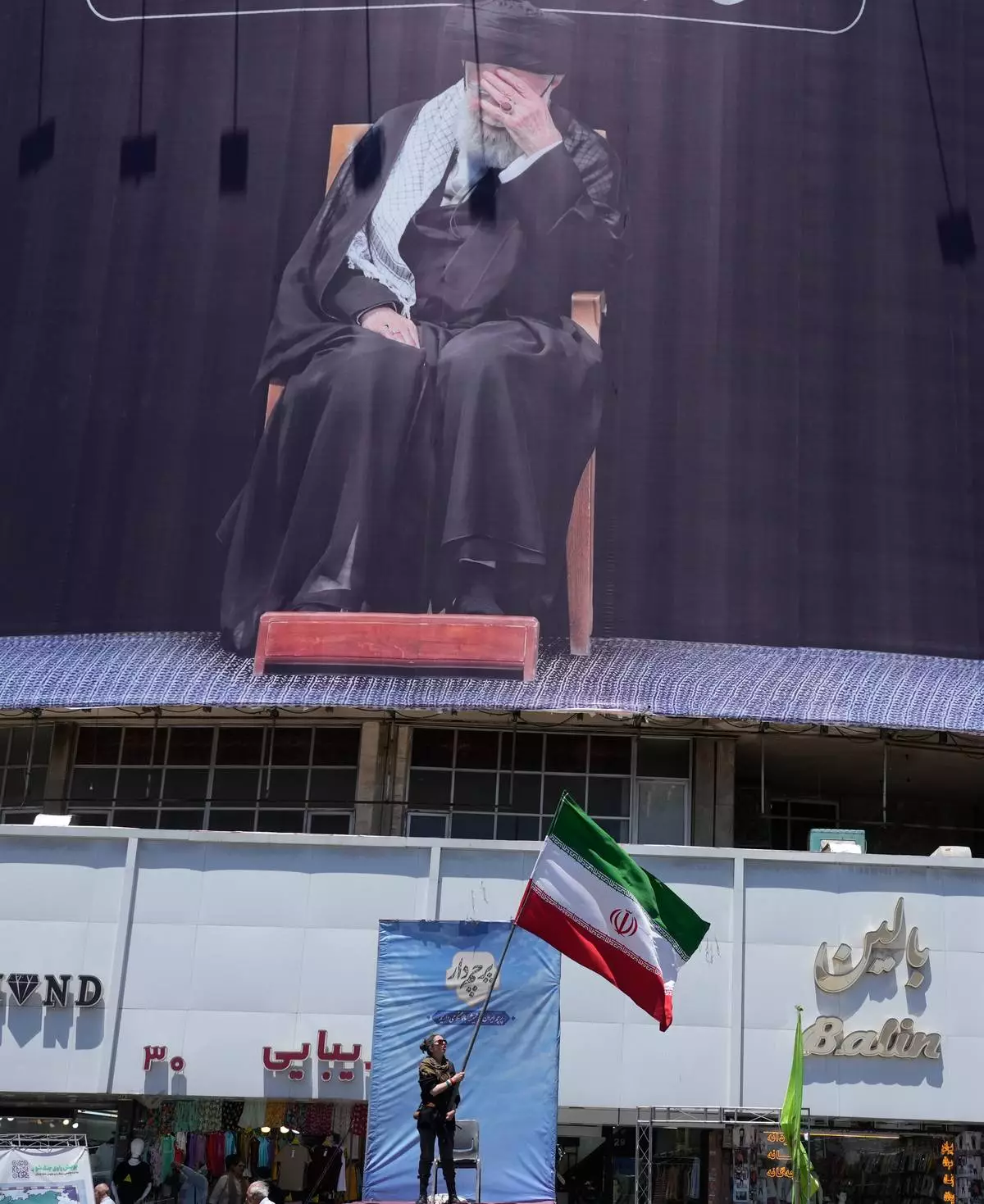
A woman waves an Iranian flag during a pro-government campaign under a portrait of the slain Supreme Leader Ayatollah Ali Khamenei, who was killed in U.S. and Israeli strikes on Feb. 28, in downtown Tehran, Iran, Monday, June 15, 2026. (AP Photo/Vahid Salemi)
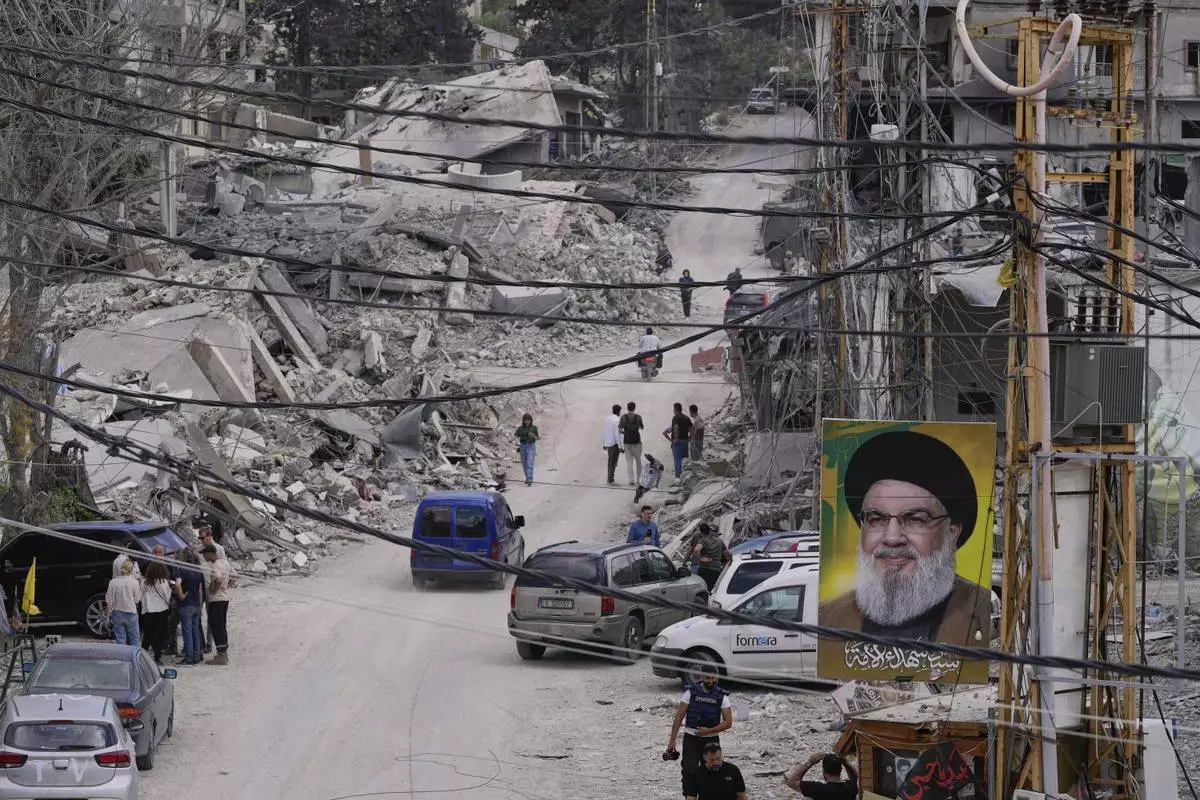
People who return to their village following the announcement of an initial ceasefire agreement between the United States and Iran, gather with journalists at a destroyed street in Beer al-Salassel, south Lebanon, Monday, June 15, 2026. (AP Photo/Mohammed Zaatari)
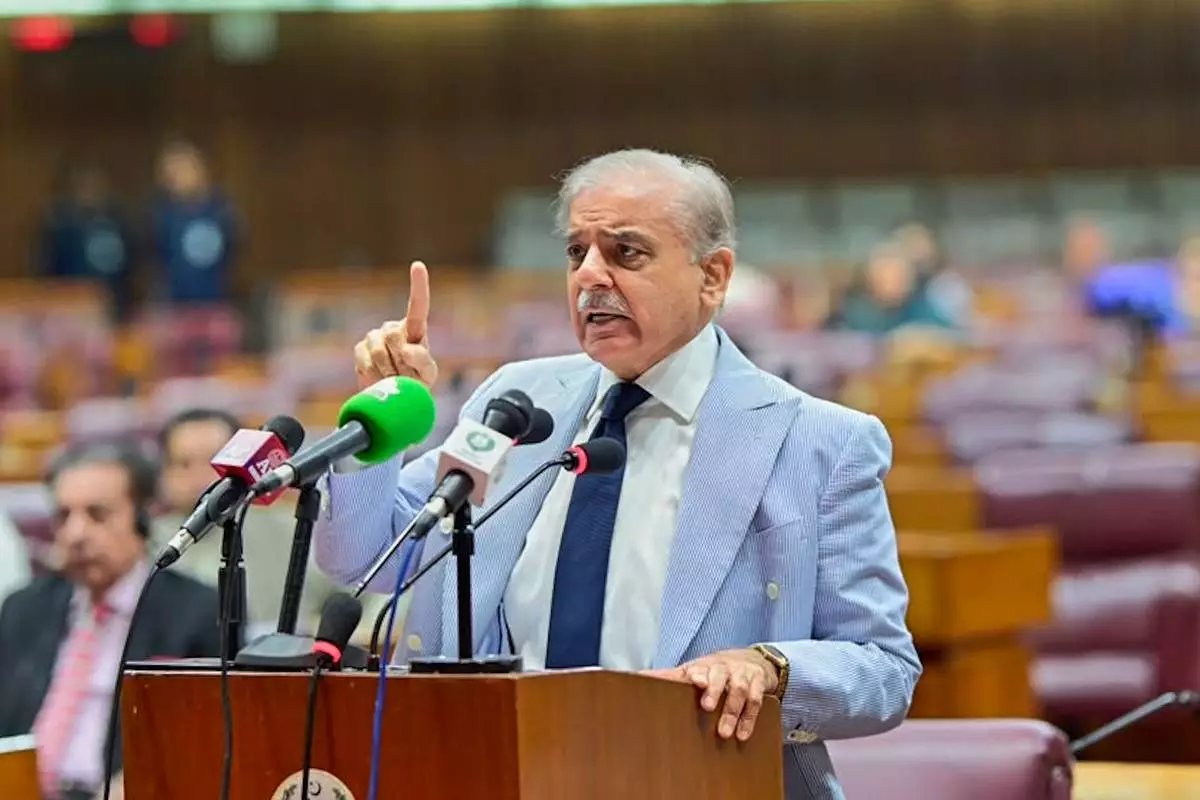
In this photo released by the Pakistan Prime Minister Office, Prime Minister Shehbaz Sharif speaks on the U.S.'s conflict with Iran, during a assembly session in the parliament in Islamabad, Pakistan, Monday, June 15, 2026. (Pakistan Prime Minister Office via AP)
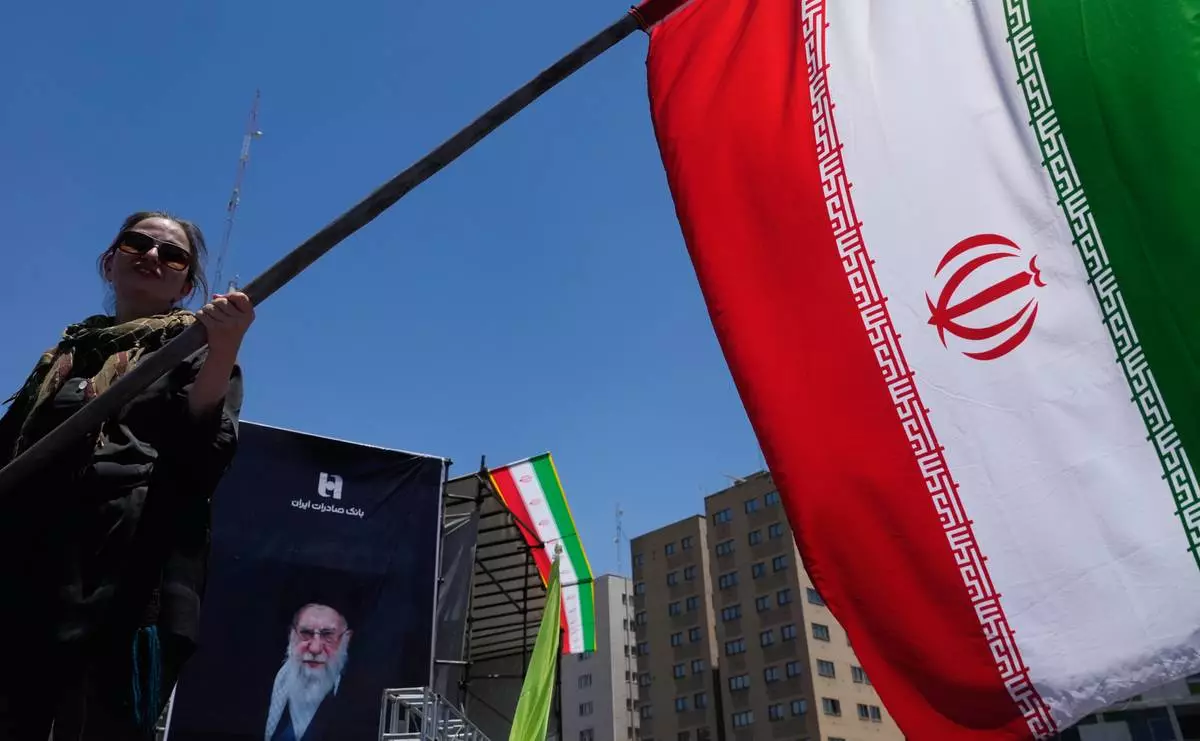
A woman waves an Iranian flag during a pro-government campaign as a portrait of the slain Supreme Leader Ayatollah Ali Khamenei, who was killed in U.S. and Israeli strikes on Feb. 28, is displayed at rear, in downtown Tehran, Iran, Monday, June 15, 2026. (AP Photo/Vahid Salemi)
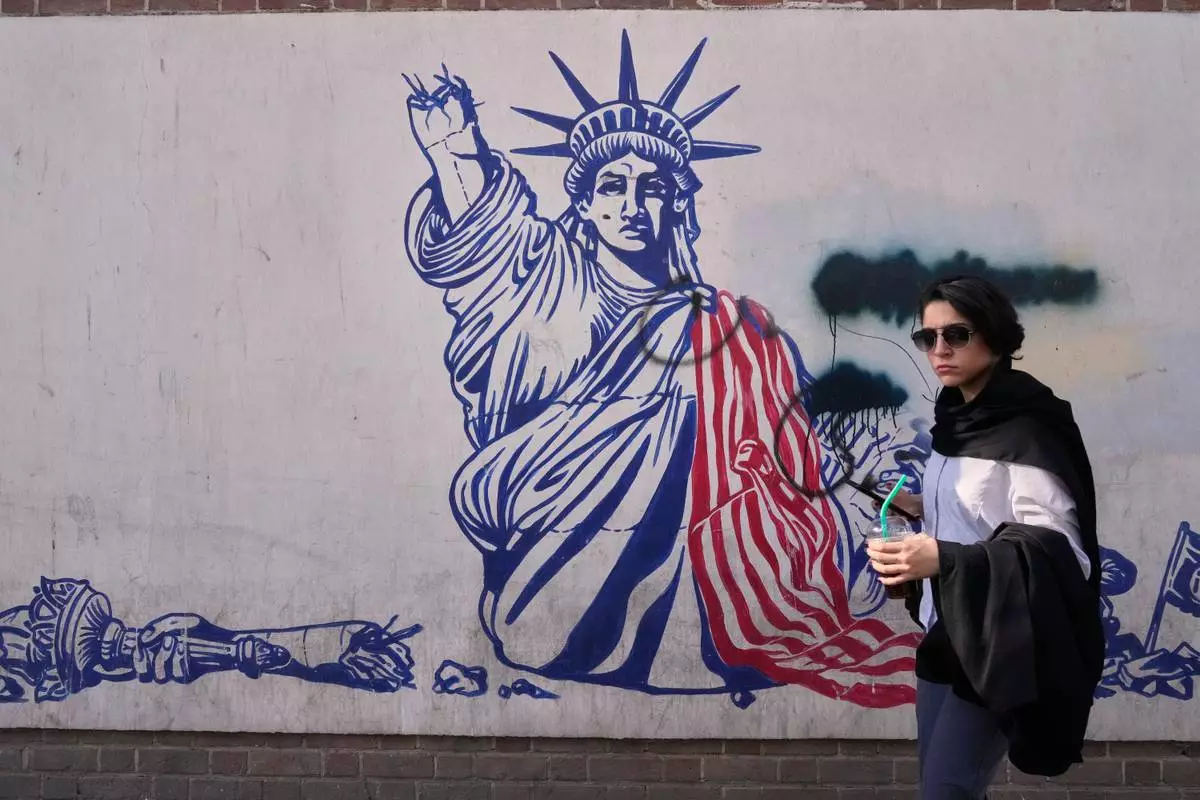
A woman walks past an anti-American mural on the wall of the former U.S. Embassy, now a museum, in Tehran, Iran, Friday, June 12, 2026. (AP Photo/Vahid Salemi)