Skip to Content Facebook Feature Image

Sunken train station on infamous WWII 'Death Railway' resurfaces from Thailand reservoir

News

Sunken train station on infamous WWII 'Death Railway' resurfaces from Thailand reservoir
News

News

Sunken train station on infamous WWII 'Death Railway' resurfaces from Thailand reservoir

2026-06-16 10:11 Last Updated At:10:21

KANCHANABURI, Thailand (AP) — A depot on World War II’s infamous “Death Railway” has resurfaced from beneath a reservoir where the site has remained underwater for decades, prompting researchers to race to western Thailand to survey the remnants of Nithe Station.

Thousands of Allied prisoners of war and Asian laborers toiled and died building the railway, a supply route through mainland Southeast Asia for the occupying Japanese forces.

More Images
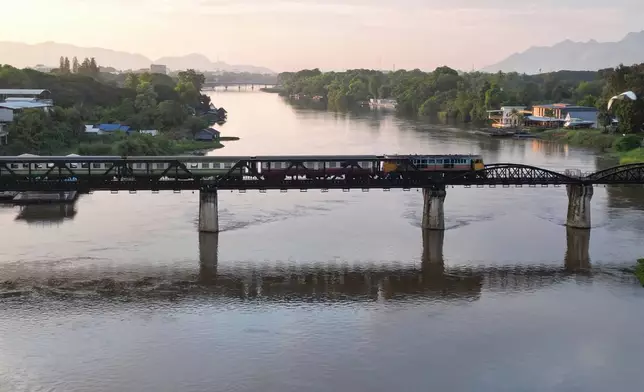
A train crosses the River Kwai Bridge, one of the most inconic sections of the infamous World War II "Death Railway," in Kanchanaburi, Thailand, Sunday, May 31, 2026. (AP Photo/Anton L. Delgado)
A train crosses the River Kwai Bridge, one of the most inconic sections of the infamous World War II "Death Railway," in Kanchanaburi, Thailand, Sunday, May 31, 2026. (AP Photo/Anton L. Delgado)

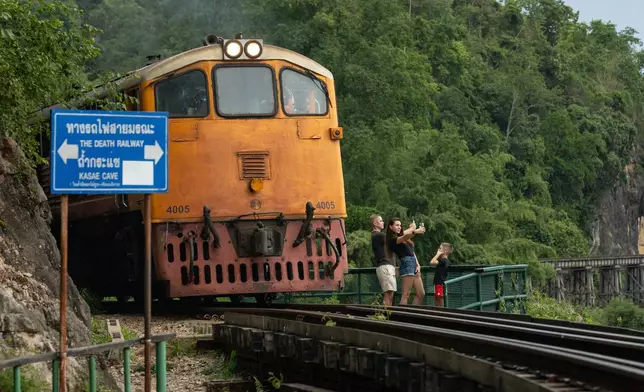
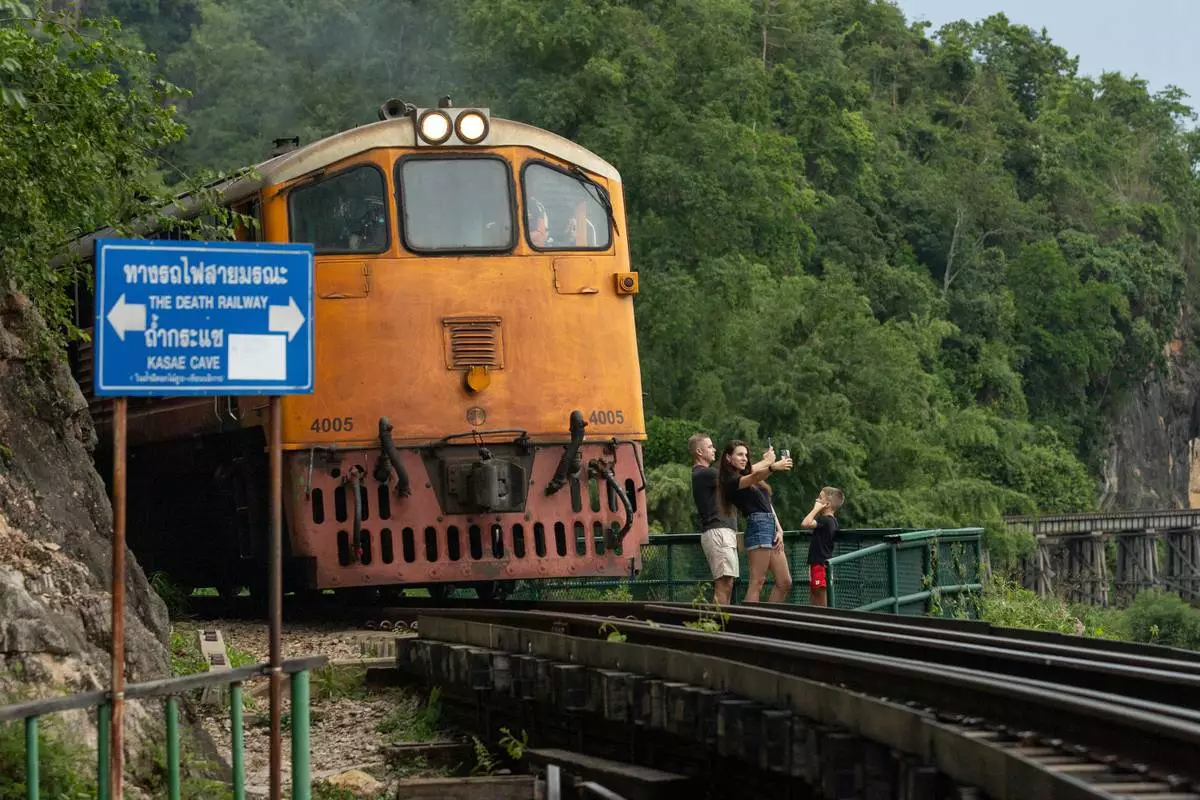
A family of Russian tourists pose for photos as a train approaches Thamkra Sae Station, one of the still active sections of the infamous World War II "Death Railway," in Sai Yok, Thailand, Thursday, May 28, 2026. (AP Photo/Anton L. Delgado)
A family of Russian tourists pose for photos as a train approaches Thamkra Sae Station, one of the still active sections of the infamous World War II "Death Railway," in Sai Yok, Thailand, Thursday, May 28, 2026. (AP Photo/Anton L. Delgado)

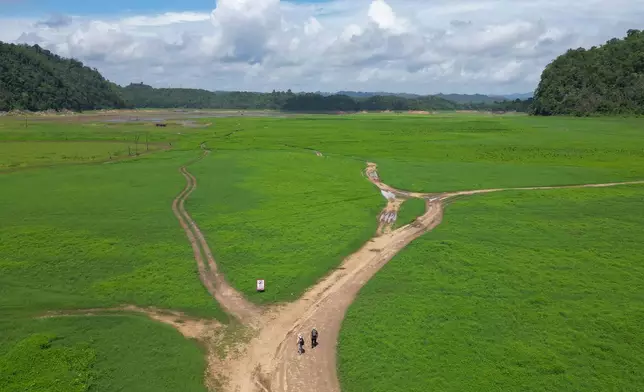
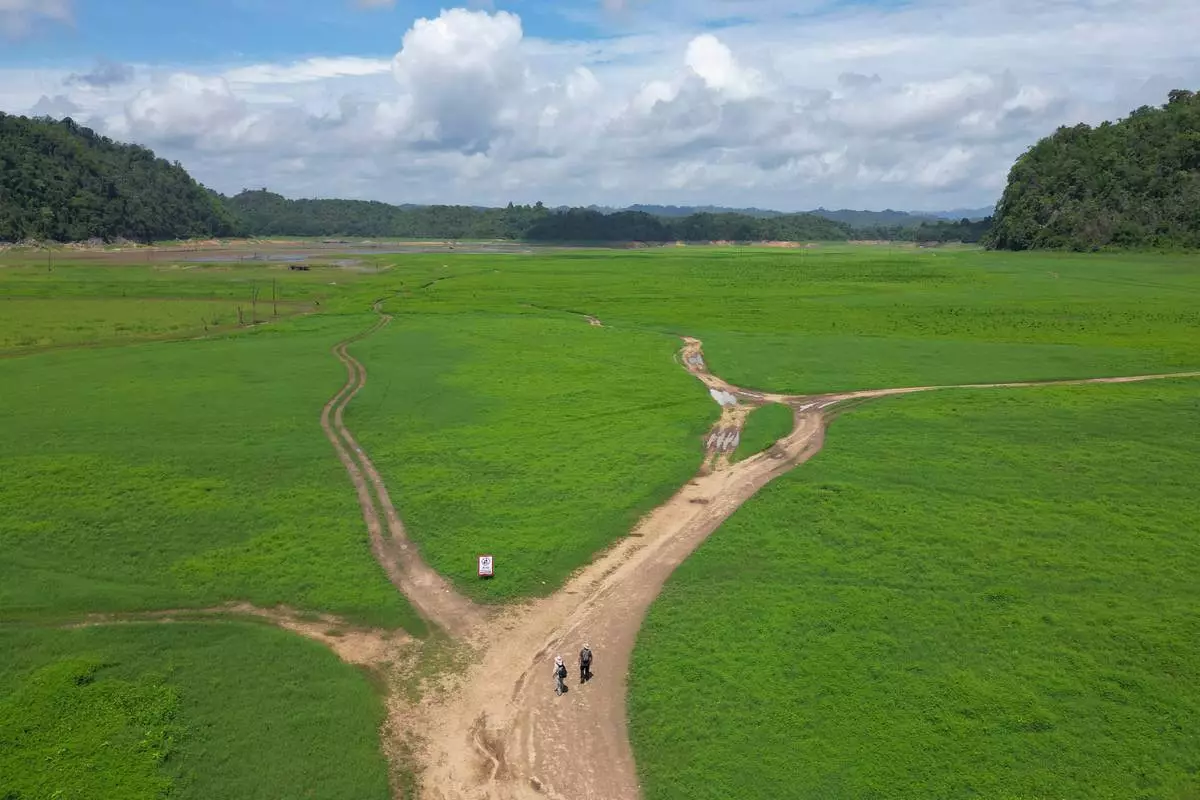
Researchers walk into the empty reservoir where Nithe Station, a depot on World War II's infamous "Death Railway" resurfaced after the reservoir was drained in Sangkhlaburi, Thailand on Friday, May 29, 2026. (AP Photo/Anton L. Delgado)
Researchers walk into the empty reservoir where Nithe Station, a depot on World War II's infamous "Death Railway" resurfaced after the reservoir was drained in Sangkhlaburi, Thailand on Friday, May 29, 2026. (AP Photo/Anton L. Delgado)

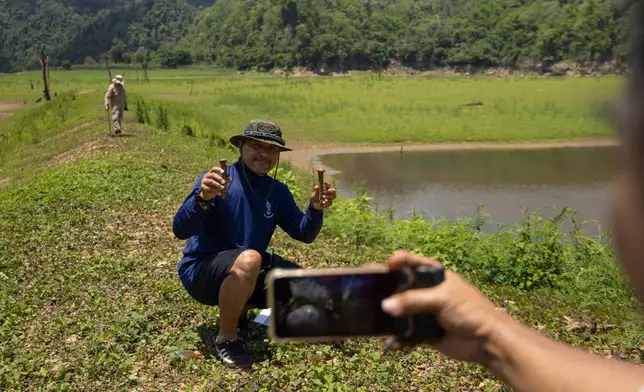
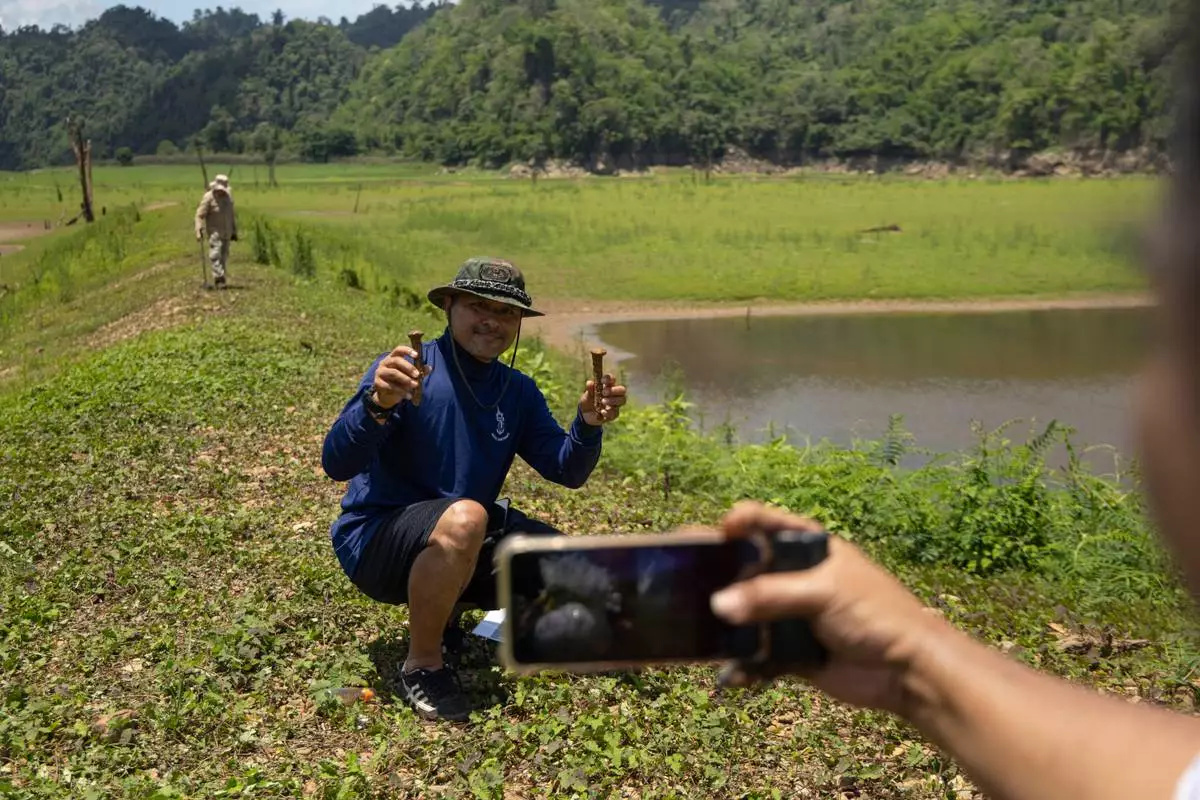
Local residents take pictures of artefacts from Nithe Station, part of the infamous World War II "Death Railway," in Sangkhlaburi, Thailand on Friday, May 29, 2026. (AP Photo/Anton L. Delgado)
Local residents take pictures of artefacts from Nithe Station, part of the infamous World War II "Death Railway," in Sangkhlaburi, Thailand on Friday, May 29, 2026. (AP Photo/Anton L. Delgado)

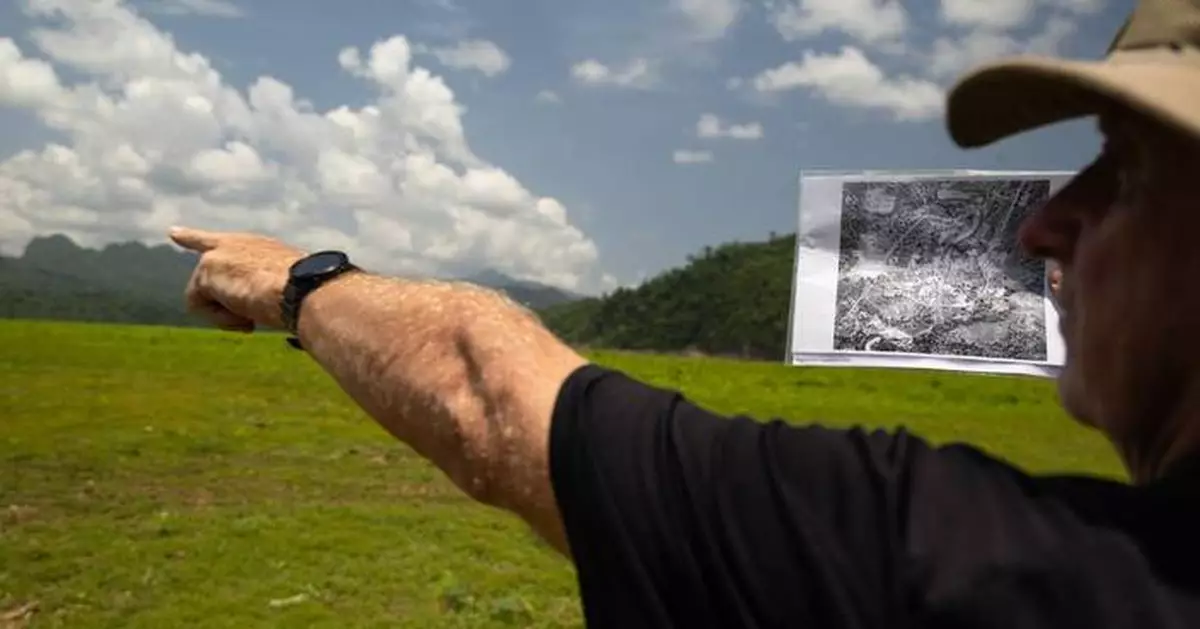
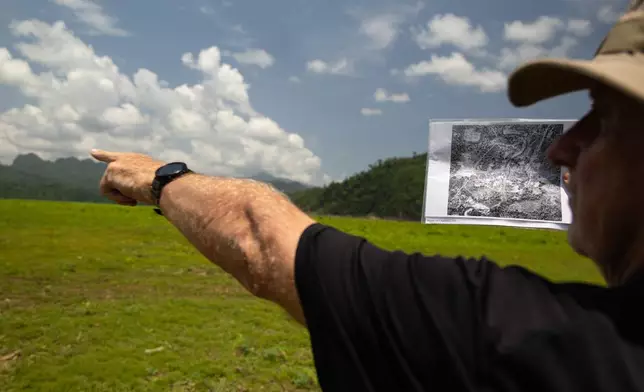
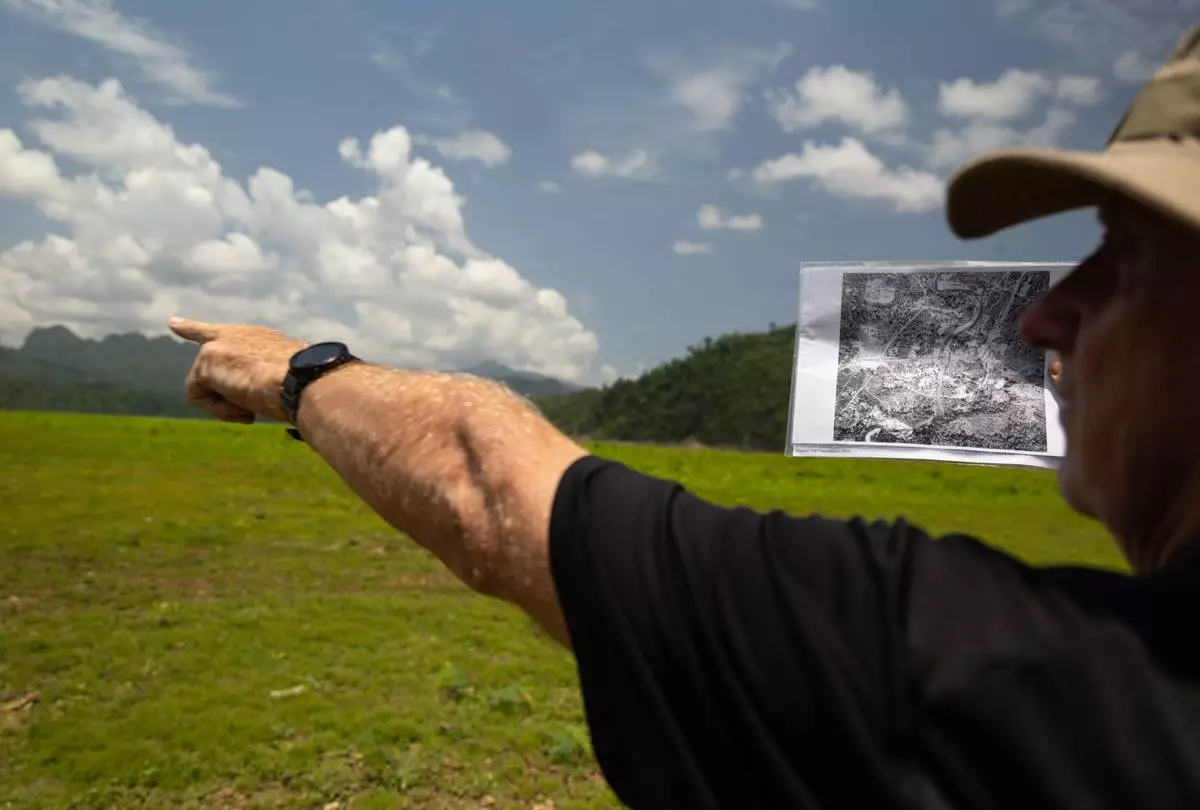
Andrew Snow, a researcher with the Thailand-Burma Railway Centre, uses historic aerial photographs from The National Archives in London to map out the layout of Nithe Station, a part of the infamous World War II "Death Railway," in Sangkhlaburi, Thailand on Saturday, May 30, 2026. (AP Photo/Anton L. Delgado)

Andrew Snow, a researcher with the Thailand-Burma Railway Centre, uses historic aerial photographs from The National Archives in London to map out the layout of Nithe Station, a part of the infamous World War II "Death Railway," in Sangkhlaburi, Thailand on Saturday, May 30, 2026. (AP Photo/Anton L. Delgado)

The Electricity Generating Authority of Thailand recently drained the reservoir at Vajiralongkorn Dam for maintenance, revealing the station. Historians are seizing the uncommon opportunity to further study the site in Kanchanaburi province for artifacts and to verify details.

But time is limited, as the completion of the dam’s maintenance in August and Southeast Asia’s rainy season may begin refilling the reservoir.

Nithe was a major station along the 415-kilometer (257-mile) railway that connected Thailand, known at the time as Siam, with Myanmar, known then as Burma.

The railway was built by about 60,000 Allied POWs mainly from Australia, the United Kingdom, the United States and Indonesia, known then as the Dutch East Indies, as well as hundreds of thousands of Asian laborers, whom the Japanese called römusha.

More than 12,500 of the POWs and 75,000 laborers died during construction, which inspired the widely used nickname “The Death Railway.”

The railway was featured in the classic 1957 film “The Bridge on the River Kwai” and the 2013 movie “The Railway Man.” It also was the focus of the award-winning novel “The Narrow Road to the Deep North,” which became a 2025 miniseries starring Australian actor Jacob Elordi.

Independent Australian researcher Martyn Fryer flew from Perth to see the site. His grandfather died as a POW working on the railway after his 1942 capture in Singapore.

He stomped through muddy bogs in sweltering 38 Celsius (100 Fahrenheit) heat to “understand what those lads went through and to appreciate the country and the terrain that they endured.”

Fryer, who wrote a book about his grandfather’s regiment, titled “From the Woodlands to the Jungle,” scanned historic railway embankments with a metal detector. He found iron dog spikes, bridge staples and other war artifacts.

“I’ve been to Nithe Station three times in the past, but the water level has always been too high to actually really appreciate the fantastic offerings that it has with the remaining infrastructure and the layout of the railway itself,” Fryer said.

To locate POW camps in the area, Fryer compared wartime aerial photographs of Nithe from the National Archives in London with hand-charted maps brought by Andrew Snow, a researcher with the Thailand–Burma Railway Centre.

Like Fryer's grandfather, Snow's father was captured in Singapore and forced to work on the railway.

Southeast Asia's dry season often exposes bits of the station. But the water levels hit a new low this year and drained so quickly that vegetation has not yet regrown, making Nithe easier to study, Snow explained.

“It is a good opportunity for us to do some surveying,” he said. “When you’re dealing with relatives of people that worked on the railway, it’s always nice to be able to show them the areas that maybe their relative worked on.”

Hundreds of Thai visitors have traveled to the area to see the “rare incident,” said Kitti Laokham, a 47-year-old local resident whose posts of Nithe have racked up 32 million views on social media.

Channarong Noimala saw the videos online and motorbiked 350 kilometers (217 miles) northwest from Bangkok to see the exposed station.

“At least for those who died here, no matter whether they are laborers or prisoners of war, we can remember them,” Noimala said.

About 100 kilometers (60 miles) of winding mountain roads southwest of Nithe is Hellfire Pass, a brutal section of mountain where hundreds of POWs died.

The Hellfire Pass Interpretive Centre, funded by the Australian government, received a record-breaking 169,000 visitors last year, which also marked the 80th anniversary of the end of World War II.

“As time passes, places like Hellfire Pass become even more important,” said Mick Clarke, an Australian Army veteran who manages the center. “They keep personal stories alive and help future generations understand the cost of war.”

Around 22,000 Australians became POWs during the war and about 13,000 worked on the railway, with 2,800 dying during construction, according to Australia’s Department of Veterans’ Affairs.

“For many Australians, Hellfire Pass is deeply personal,” Clarke said. “It connects families and the nation to a difficult but important chapter of wartime history.”

Associated Press writer Ladawan Sondak contributed to this report.
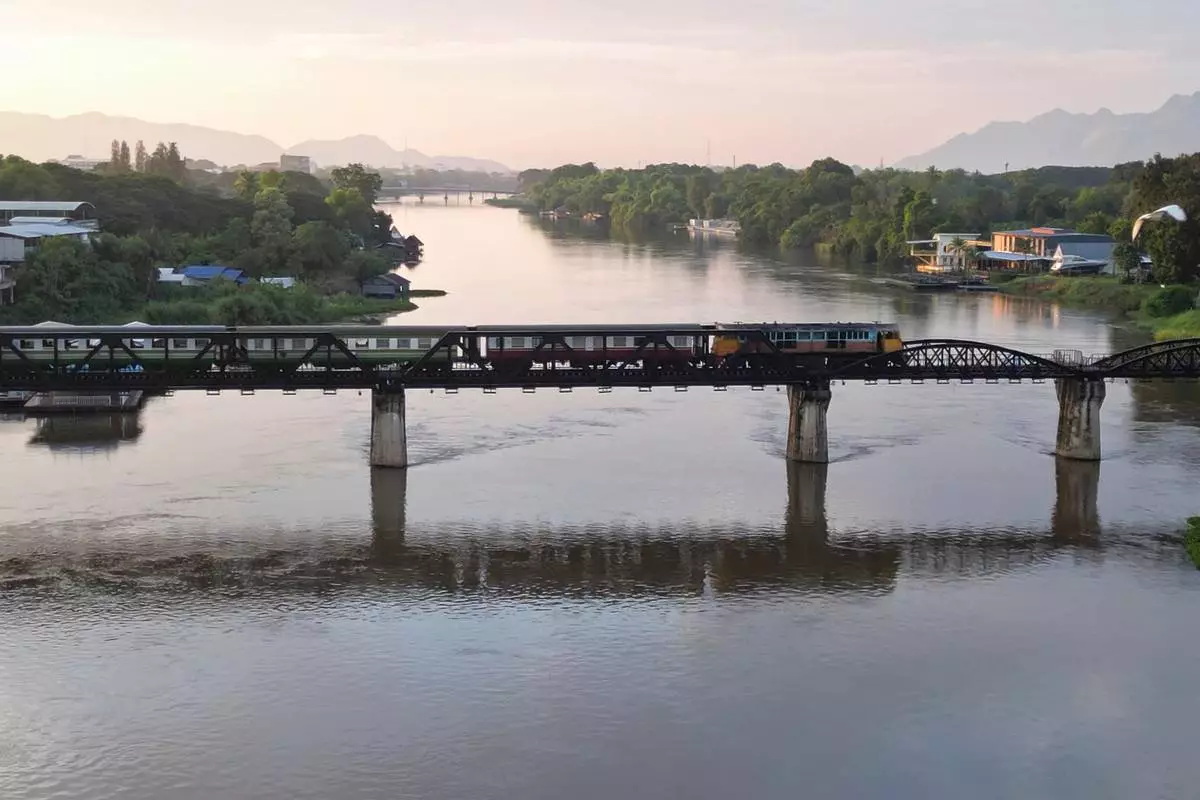
A train crosses the River Kwai Bridge, one of the most inconic sections of the infamous World War II "Death Railway," in Kanchanaburi, Thailand, Sunday, May 31, 2026. (AP Photo/Anton L. Delgado)
A train crosses the River Kwai Bridge, one of the most inconic sections of the infamous World War II "Death Railway," in Kanchanaburi, Thailand, Sunday, May 31, 2026. (AP Photo/Anton L. Delgado)

A family of Russian tourists pose for photos as a train approaches Thamkra Sae Station, one of the still active sections of the infamous World War II "Death Railway," in Sai Yok, Thailand, Thursday, May 28, 2026. (AP Photo/Anton L. Delgado)
A family of Russian tourists pose for photos as a train approaches Thamkra Sae Station, one of the still active sections of the infamous World War II "Death Railway," in Sai Yok, Thailand, Thursday, May 28, 2026. (AP Photo/Anton L. Delgado)

Researchers walk into the empty reservoir where Nithe Station, a depot on World War II's infamous "Death Railway" resurfaced after the reservoir was drained in Sangkhlaburi, Thailand on Friday, May 29, 2026. (AP Photo/Anton L. Delgado)
Researchers walk into the empty reservoir where Nithe Station, a depot on World War II's infamous "Death Railway" resurfaced after the reservoir was drained in Sangkhlaburi, Thailand on Friday, May 29, 2026. (AP Photo/Anton L. Delgado)

Local residents take pictures of artefacts from Nithe Station, part of the infamous World War II "Death Railway," in Sangkhlaburi, Thailand on Friday, May 29, 2026. (AP Photo/Anton L. Delgado)
Local residents take pictures of artefacts from Nithe Station, part of the infamous World War II "Death Railway," in Sangkhlaburi, Thailand on Friday, May 29, 2026. (AP Photo/Anton L. Delgado)

Andrew Snow, a researcher with the Thailand-Burma Railway Centre, uses historic aerial photographs from The National Archives in London to map out the layout of Nithe Station, a part of the infamous World War II "Death Railway," in Sangkhlaburi, Thailand on Saturday, May 30, 2026. (AP Photo/Anton L. Delgado)

Andrew Snow, a researcher with the Thailand-Burma Railway Centre, uses historic aerial photographs from The National Archives in London to map out the layout of Nithe Station, a part of the infamous World War II "Death Railway," in Sangkhlaburi, Thailand on Saturday, May 30, 2026. (AP Photo/Anton L. Delgado)
JOHANNESBURG (AP) — South Africa on Tuesday marks the 50th anniversary of the Soweto uprising when over 200 young people protesting against the apartheid education system were shot and killed by the police.

The events of June 16, 1976 — now commemorated annually as Youth Day — are considered a turning point in South Africa's liberation struggle against white minority rule.

They ignited more demonstrations in various parts of the country, fueled more resistance against the apartheid and brought international attention to the racial oppression faced by Black people in South Africa.

Fifty years after the uprising, however, there are still concerns about the plight of young people in the country.

Survivors of the violent protests, experts and young South Africans have lamented the challenges facing the country's youth including inequality, high unemployment, poverty and social problems such as drug and alcohol abuse.

Soweto, one of the oldest townships in South Africa, bears symbols of the historic day which are frequently visited by local and international tourists.

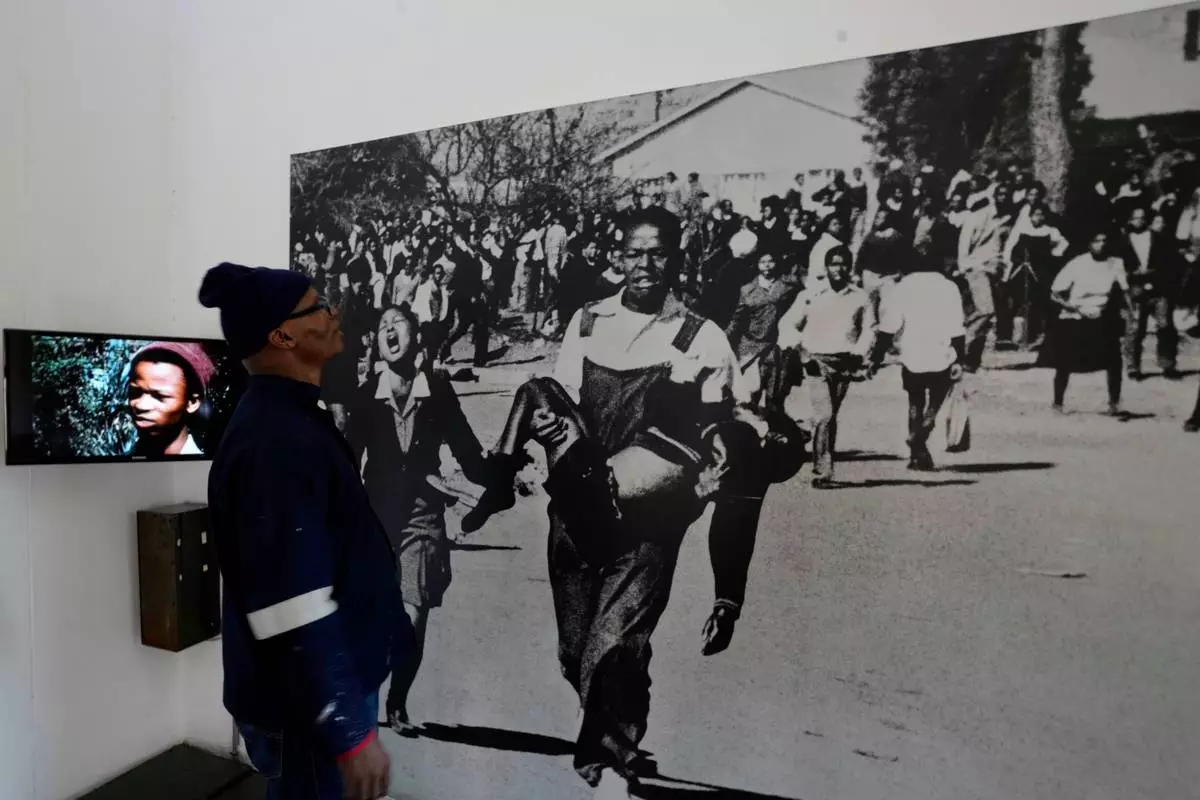
These include a memorial named after Hector Pieterson, the 13-year-old whose lifeless body appears being carried away by another student in an iconic photograph that came to symbolize the 1976 uprising after it was published around the world.

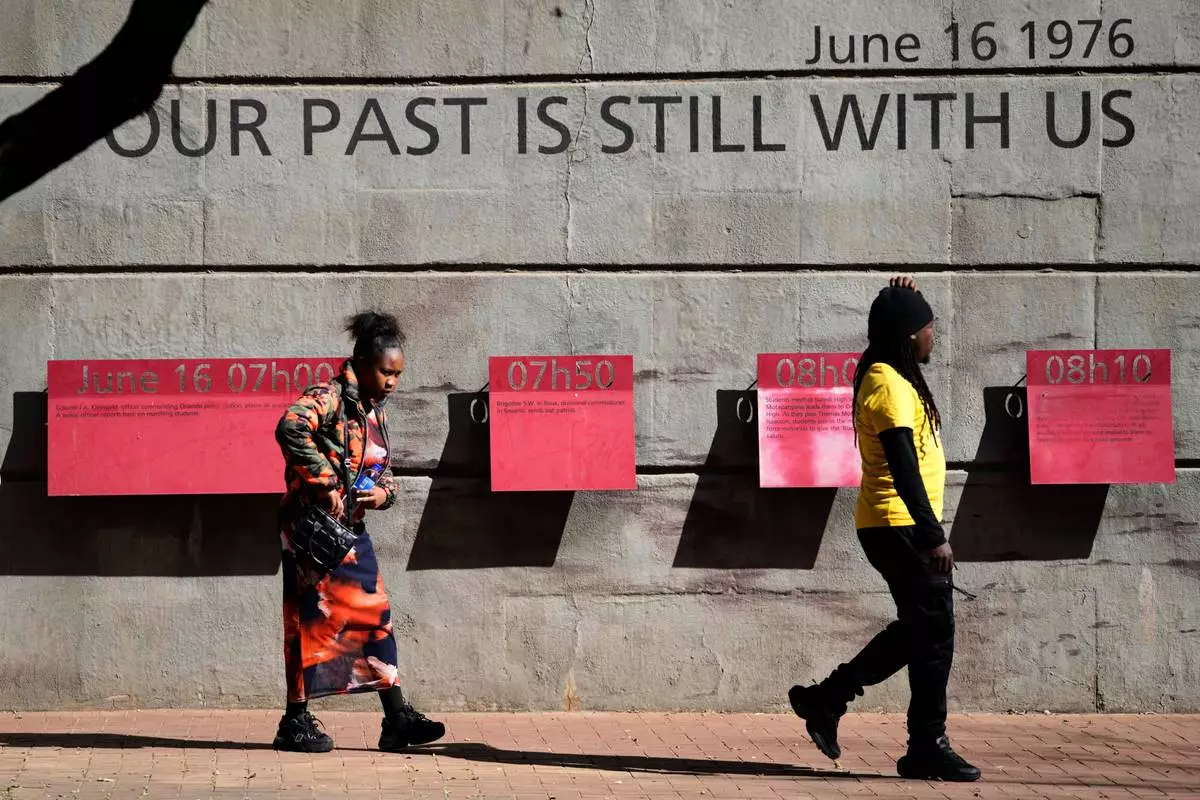
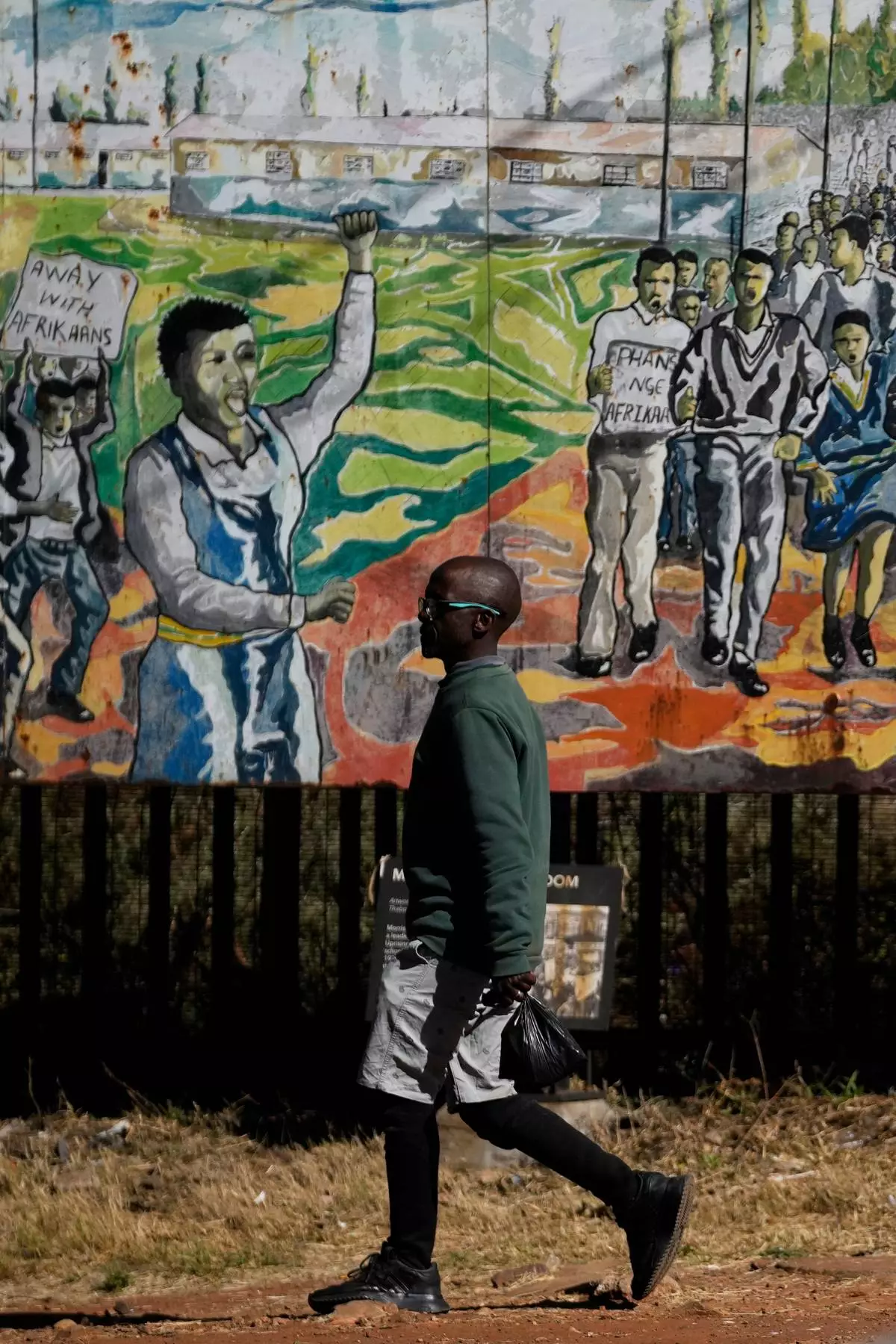
Murals and billboards depicting protesting students can be found throughout the township, which is also home to the June 16 Memorial commemorating the uprising.

But for those who survived the protests, the symbols are a painful remembrance of the day that changed their lives forever.

Seth Mazibuko, a survivor of the deadly protests, remembers vividly how students fought back against the police, who were using tear gas to try and disperse the defiant demonstrators.

“They struggled with the tear gas because when they threw it our way, the wind would blow the gas back to them, so it was also affecting them,” said Mazibuko. “They then started sending the police dogs to us, we used stones to chase the dogs back to them.”

Mazibuko was detained for 18 months after his arrest and later imprisoned in Robben Island, where he served 7 years alongside other political prisoners.

Fifty years after the uprising, South Africa has undergone significant changes but inequality, unemployment and poverty are among the most pressing challenges facing its “born free” generation — those born after the end of apartheid.

“I would say the issues of poverty and crime are the most pressing ones,” said Sima Poto, a 19-year-old visiting the June 16 Memorial. “It is poverty that is leading many of them into crime.”

Zola Mguli, a 29-year-old who works with the Southern African Alcohol Policy Alliance, an organization campaigning against alcohol and substance abuse, said he is grateful to belong to a generation that has grown up in freedom, even as significant challenges remain. "Things are not going as well as our forefathers hoped, there is still racism, alcoholism and other things we are battling with,” he said. “But if we, the youth, rise up, we can do better.”

Historian Noor Nieftagodien said the 1976 student protest movement was a traumatic and transformative moment that reshaped the anti-apartheid struggle, placing young people at the forefront of liberation politics.

“This was a generation that was young, gifted, and Black,” he said. “They wanted education.”

“The idea of Black power resonated with this new generation of young people,” Nieftagodien said. “Black consciousness was kind of electrifying; it inspired university students and then increasingly also students in high schools.”

He said that since June 16 was declared a public holiday after the end of apartheid, the significance of the historic event has diminished, overshadowed by celebratory events that, in his view, water down its political meaning.

“It has lost its meaning,” he said. “What has happened is that we’ve had the day marked with concerts, etc. I’m all for concerts. But, in fact, in so doing, the kind of celebrations that have been organized have been disinvested from politics, from a critical understanding of what happened.”

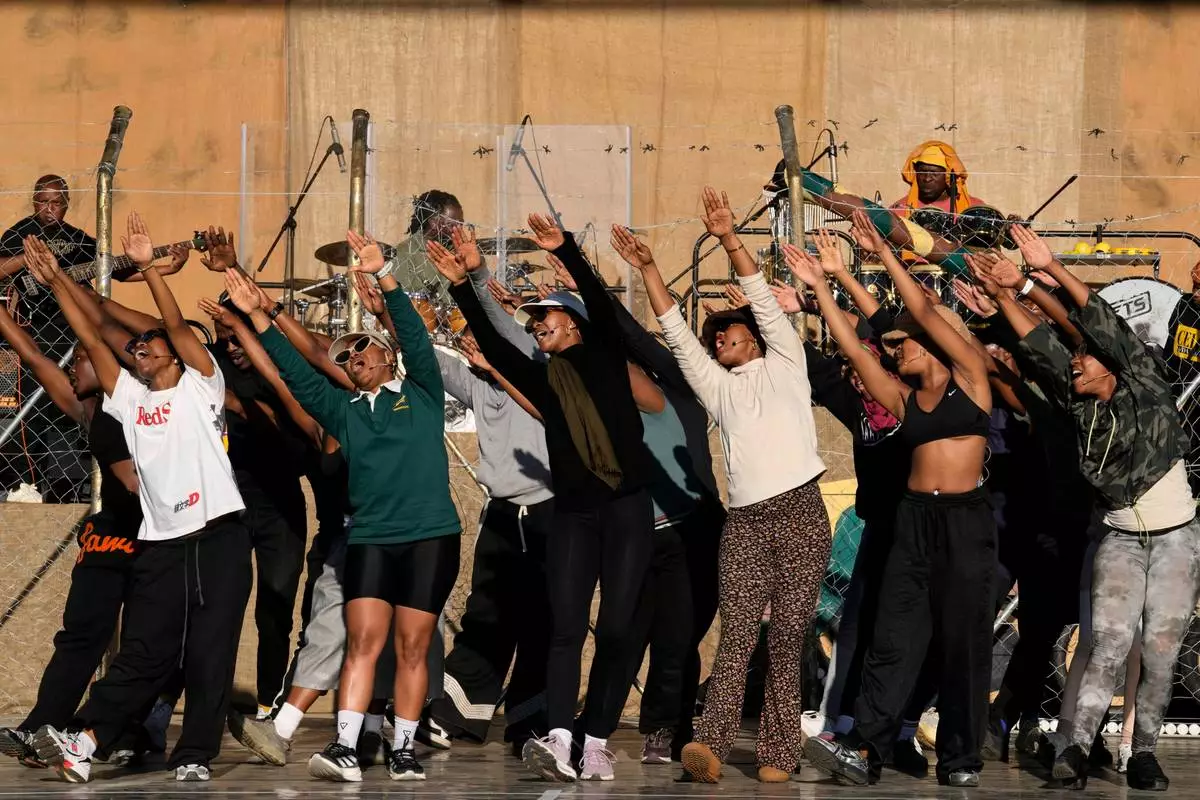
Sarafina cast members performs during rehearsal at Jabulani Amphitheatre, in Soweto, South Africa, Monday, June 15, 2026. (AP Photo/Themba Hadebe)

Sarafina cast members performs during rehearsal at Jabulani Amphitheatre, in Soweto, South Africa, Monday, June 15, 2026. (AP Photo/Themba Hadebe)

A man walks past a June 16 mural, in Soweto, South Africa, Monday, June 15, 2026. (AP Photo/Themba Hadebe)

A man walks past a June 16 mural, in Soweto, South Africa, Monday, June 15, 2026. (AP Photo/Themba Hadebe)

Seth Mazibuko, a former student leader involved in the 1976 Soweto student movement, takes a question during a media briefing at the June 16 Memorial Acre, in Soweto, South Africa, Monday, June 15, 2026. (AP Photo/Themba Hadebe)

Seth Mazibuko, a former student leader involved in the 1976 Soweto student movement, takes a question during a media briefing at the June 16 Memorial Acre, in Soweto, South Africa, Monday, June 15, 2026. (AP Photo/Themba Hadebe)

A man looks at June 16 iconic image taken by the late Sam Nzima displayed at The Hector Pieterson Memorial and Museum, in Soweto, South Africa, Monday, June 15, 2026. (AP Photo/Themba Hadebe)

A man looks at June 16 iconic image taken by the late Sam Nzima displayed at The Hector Pieterson Memorial and Museum, in Soweto, South Africa, Monday, June 15, 2026. (AP Photo/Themba Hadebe)

Youth visit the June 16 Memorial Acre, in Soweto, South Africa, Monday, June 15, 2026. (AP Photo/Themba Hadebe)

Youth visit the June 16 Memorial Acre, in Soweto, South Africa, Monday, June 15, 2026. (AP Photo/Themba Hadebe)

Recommended Articles