Vessels waiting to transit the Strait of Hormuz have increased following the U.S.-Iran announcement of reaching a deal to end war, but ship owners and operators remain cautious about safety, according to a Bloomberg report on Monday.
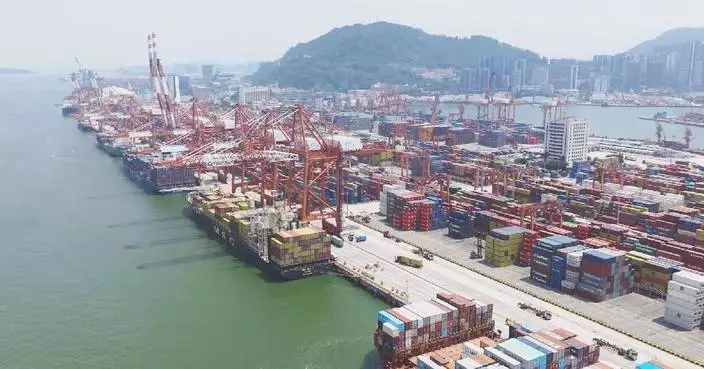
Citing analysis from maritime data firm Kpler, the report said that out of hundreds of idle vessels in the Gulf region, nearly 300 are already loaded and ready to pass through the Strait, and a similar number of ships are waiting in the Gulf of Oman to return to major export terminals.
Theoretically, this could release millions of barrels of crude oil supply, but actual transit still faces multiple obstacles, including the need to remove marine growth from hulls and competing for the right of way in the narrow waterway.
Brett Erickson, managing principal at Obsidian Risk Advisors, said that safety is the core concern for all ship owners.
He added that the shipping industry, captains, and seafarers were highly alert to the situation and knew that one miscalculation, one attack, or one political decision could seriously worsen it.
Before the outbreak of the U.S.-Israel-Iran war in late February, the average daily volume of oil transported through the Strait of Hormuz was 20 million barrels, accounting for about one-fifth of the world's daily oil transport.
Kpler estimated that after more than three months of conflict, about 500 commercial vessels remain stranded in the Gulf.
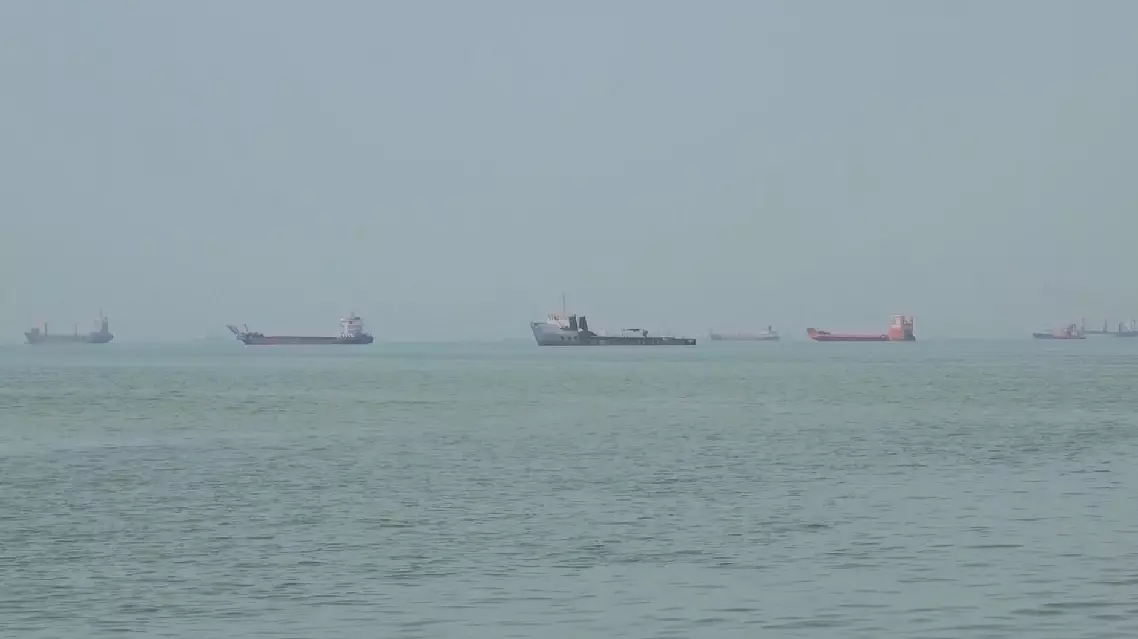
More vessels wait at Hormuz, but owners still wary despite US-Iran deal
United Nations Secretary-General Antonio Guterres welcomes the announcement that the United States and Iran have agreed on a peace deal that provides for an immediate and permanent ceasefire, which represents a critical step toward the peaceful settlement of the conflict, said Stephane Dujarric, spokesman for the UN secretary-general, on Monday.
Dujarric said the secretary-general expressed his gratitude to the mediators including Pakistan for their constructive role in the negotiations.
The secretary-general urged all parties to the conflict to seize this new momentum and redouble their efforts to achieve a lasting and comprehensive peace, he said.
"The secretary-general hopes that the parties will build on this new momentum and redouble their efforts towards a final resolution to this conflict. The secretary-general reaffirms that we stand by ready to support the parties in achieving a lasting and durable and comprehensive peace," Dujarric said.
Dujarric also reported on the situation in Lebanon, saying that the UN Interim Force in Lebanon (UNIFIL) had observed a decrease in violent incidents and exchanges of fire.
While maintaining order, UN peacekeepers are working tirelessly on the front lines to repair critical infrastructure, he said.
However, Dujarric pointed out that the path to comprehensive peace in the Middle East remains long and arduous.
The UN secretary-general once again strongly condemned Israel's recent attacks on Beirut and called on all parties to strictly adhere to the UN Security Council Resolution 1701, said the spokesman.
The UN reiterated the imperative to ensure the safety of civilians and guarantee continued access for humanitarian aid, said Dujarric.
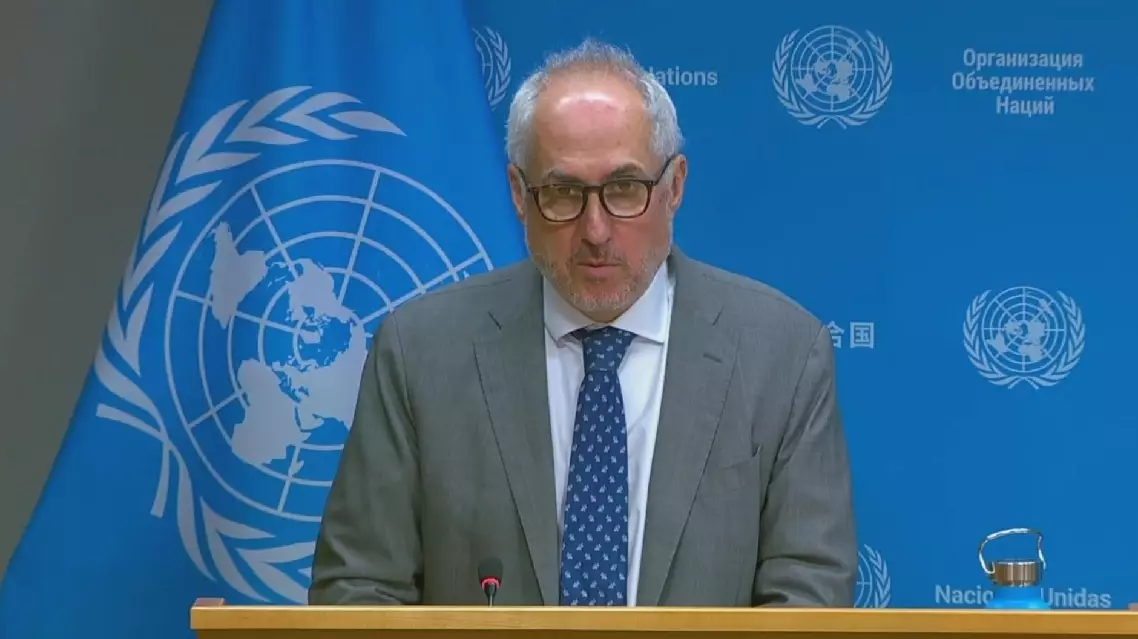
UN welcomes US-Iran peace deal: spokesman