RAPALLO, Italy--(BUSINESS WIRE)--Jun 16, 2026--
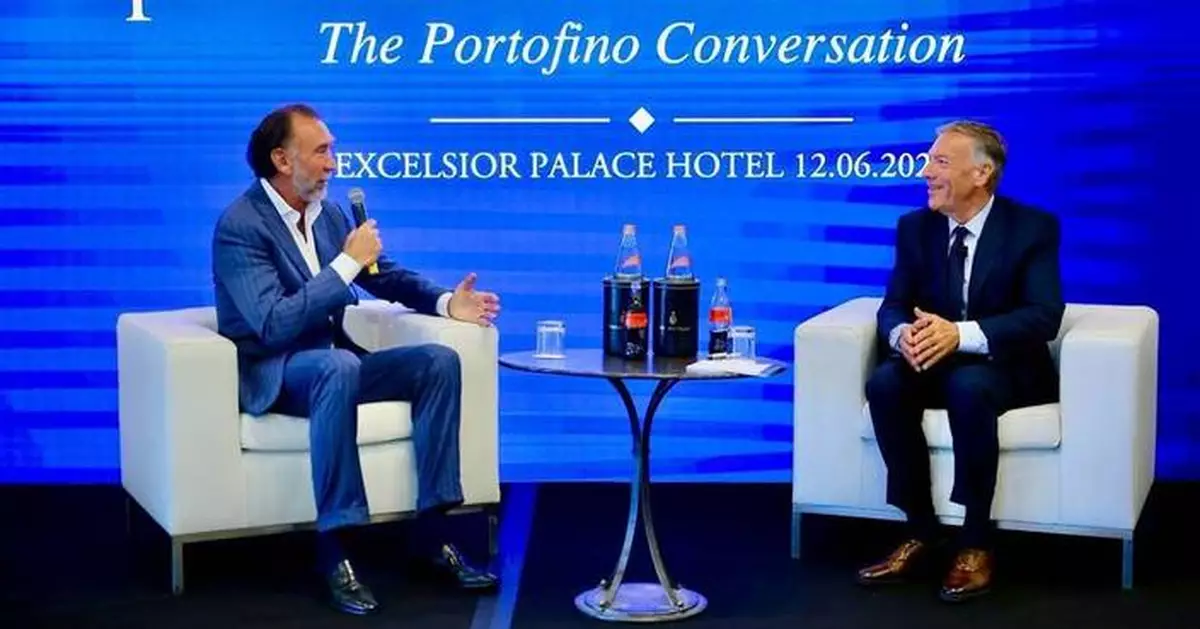
The first edition of the Optimum Investors Summit – The Portofino Conversation, hosted by European real estate private equity investment firm Optimum Asset Management and its Italian partners Alberto Matta, Rodolfo Misitano, Enrico Imbraguglio and Andrea Suriano, concluded with strong participation from institutional investors (including pension funds), entrepreneurs, government representatives and financial market professionals.
This press release features multimedia. View the full release here: https://www.businesswire.com/news/home/20260615915564/en/
For three days, the Italian Riviera became a hub for discussion on the key economic, geopolitical and financial issues reshaping the global landscape. Discussions were moderated by Andrea Ruggeri, former spokesman for Prime Minister Silvio Berlusconi, who led a series of conversations examining the evolving global landscape together with Paolo Liguori.
The success of this first edition establishes The Portofino Conversation as a new platform for strategic discussion among decision-makers from government, finance, and industry, fostering meaningful exchanges on the opportunities and challenges that will shape the coming decade.
The debate was opened by some of the most influential figures in international politics and economics. Among them was Mike Pompeo, former United States Secretary of State and Director of the CIA, who delivered an in-depth analysis of the geopolitical challenges of the 21st century, focusing in particular on the Middle East, the war in Ukraine, the role of Iran and the growing competition between the West and China.
“The real strategic challenge is not Russia, but the Chinese Communist Party,” Pompeo stated. According to the former U.S. Secretary of State, Beijing represents a systemic threat to the model of liberal democracies and to the economic principles underpinning the Western world. “Xi Jinping does not believe in private property. If you are doing business with a Chinese company, you are doing business with the Chinese Communist Party.”
Pompeo also emphasized the need to strengthen cooperation between Europe and the United States and to increase investment in security and defense. “Our relationships are institutional and go beyond individual leaders. But every nation must do more to protect its sovereignty—not only in military terms, but also in technology, cybersecurity, energy and critical infrastructure.”
On the Middle East, the former CIA Director expressed strong doubts about the possibility of normalizing relations with Tehran. “The Iranians have violated every agreement they have signed in the past. The regime must change. If, in two or three years, we still have the same government in Tehran with an active nuclear programme once again, we will have missed a historic opportunity.”
Alongside Pompeo, speakers included Senator Matteo Renzi, former Prime Minister of Italy, Deputy Minister Edoardo Rixi, Undersecretaries Claudio Durigon and Matilde Siracusano, President of the Liguria Region Marco Bucci, President of the Calabria Region Roberto Occhiuto, representatives of Cassa Depositi e Prestiti, and Antonio Gozzi, Chairman of Duferco, President of Federacciai and Confindustria Representative for European Strategic Autonomy. Their contributions fostered a high-level discussion on European competitiveness, infrastructure, energy, investments and the growth prospects of the global economy.
“Our ambition was to create an event that would allow us to engage with investors in a different way,” said the partners of Optimum Asset Management. “We wanted to build an opportunity for meaningful dialogue, bringing together people with different experiences and perspectives. Economics, growth, investments, geopolitics and competitiveness were at the heart of the debate. We believe the final outcome has been extremely successful.”
The strong turnout and the presence of all major national television networks and leading print media outlets confirmed the growing interest of the international financial community in initiatives capable of combining strategic insight, high-level networking and meaningful discussion on the major issues that will shape the future of the global economy.
About Optimum Asset Management
Optimum Asset Management S.A. is an independent investment and asset management firm specializing in private markets and alternative investments, with more than €1.6 billion in assets under management and an international presence through offices in Luxembourg, Berlin, London and Boston.
Founded in 2009 by Alberto Matta, former Head of European Capital Markets at BNP Paribas, the firm operates across Private Equity Real Estate, Real Estate Investment Management, real assets and cross-border investments, working with institutional investors, pension funds, retirement schemes, insurance companies, family offices and international financial institutions through regulated Luxembourg investment structures.
In Germany, where Optimum has been active since its inception, the company has managed four generations of real estate funds, developing extensive expertise in both the residential and commercial sectors. Its current portfolio includes approximately 30 assets located in Berlin and Potsdam and is managed through a joint venture with Blackstone valued at more than €800 million.
In the United States, the firm is active in the life sciences, technology and innovation sectors, with investments primarily focused on the Boston and North Carolina markets. Through partnerships with leading international institutional investors, Optimum has invested more than €400 million in projects related to scientific research, innovation and technological development.
The firm’s senior management team boasts an average of more than 25 years of experience in international financial markets and alternative investments. Its Italian partners include Alberto Matta, Rodolfo Misitano, Enrico Maria Imbraguglio and Andrea Suriano.
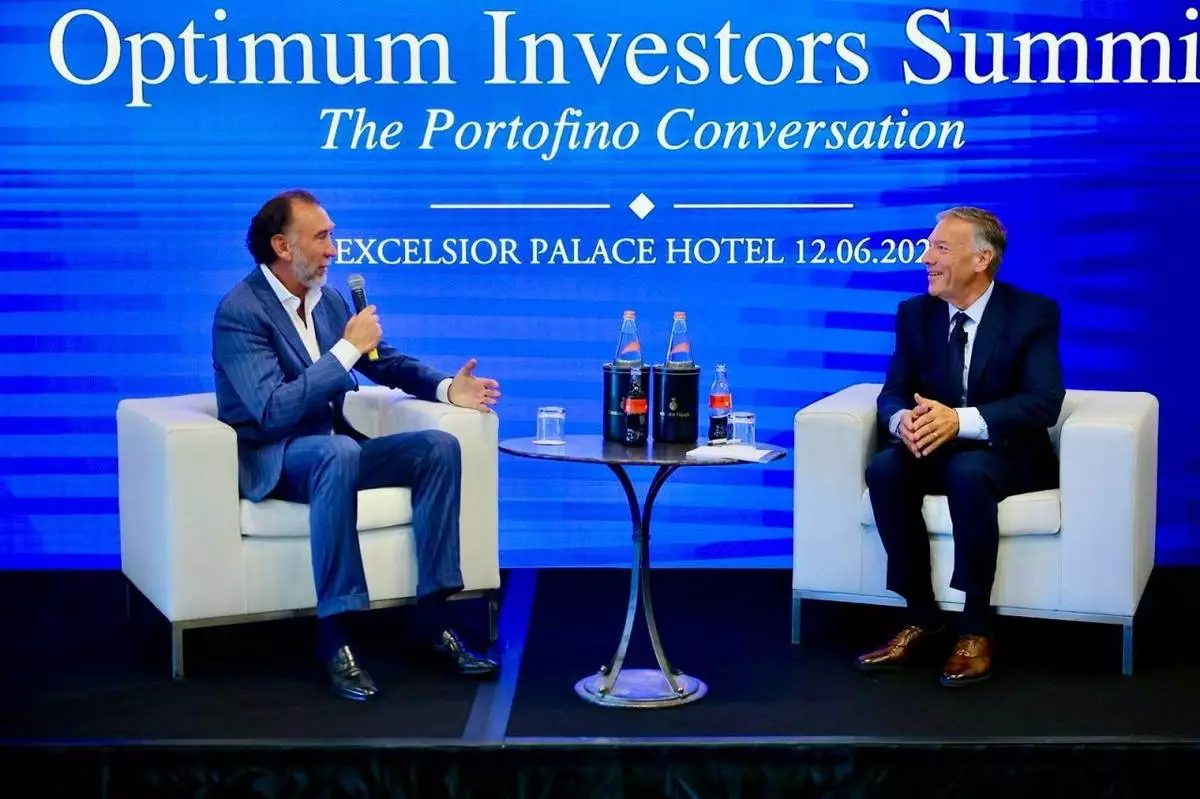
Alberto Matta, Managing Partner at Optimum Asset Management, in discussion with Mike Pompeo, former United States Secretary of State and Director of the CIA. Credit: Optimum Asset Management