China's comprehensive bonded zones saw the total value of goods imports and exports expand by 27.1 percent in the first five months of this year, making them a critical platform for the country's foreign trade development, official data showed on Tuesday.
The comprehensive bonded zones recorded a total goods trade value of 3.5 trillion yuan (about 520 billion U.S. dollars) from January to May, accounting for 16.9 percent of the country's total.
Despite covering just 0.005 percent of China's national land area, these comprehensive bonded zones have accounted for about one-sixth of the nation's overall foreign trade value.
Comprehensive bonded zones are customs-supervised areas with streamlined clearance procedures that serve as vital platforms for China's opening-up efforts. Policies such as tax refunds upon entry, bonded imports, and the free flow of goods within the zone help enterprises significantly reduce institutional transaction costs.
China currently operates 174 special customs supervision areas spanning 31 provinces, autonomous regions, and municipalities, including 168 comprehensive bonded zones, four bonded zones, one cross-border industrial zone, and one bonded port area.
In April, China released a set of measures to promote the expansion and quality improvement of comprehensive bonded zones, in a bid to spur their high-quality development.
The 24 measures focus on four areas, namely fostering new business forms and models, enhancing the resilience and security of industrial and supply chains, promoting integrated domestic and foreign trade, and improving smart regulation and coordinated governance.
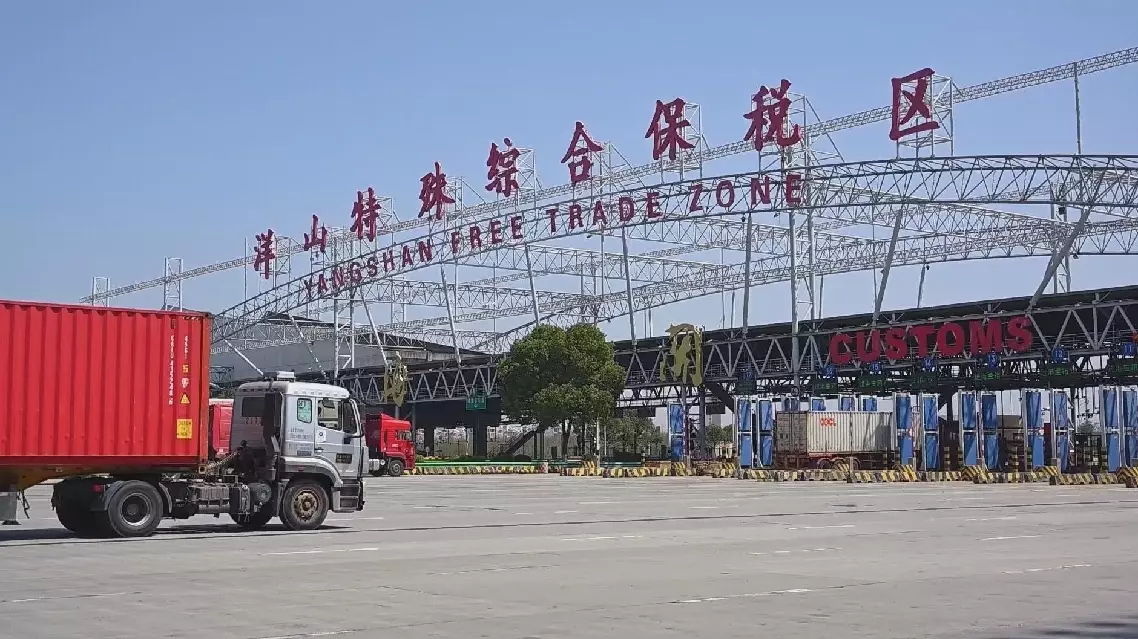
China's comprehensive bonded zones see trade in goods up 27.1 pct in January-May
The resilience of China's bulk commodity market is coming into sharper focus as market expectations improve and industry operations hold steady, despite global economic and geopolitical headwinds, the China Federation of Logistics and Purchasing (CFLP) said in a report released on Tuesday.
Against a backdrop of mounting macroeconomic headwinds, intensifying external shocks, and persistent market fragmentation, China's bulk commodity market has distinguished itself through rising trade resilience and accelerated capacity building -- the defining features of its performance through 2025 and into 2026, according to the report.
Industry experts said that the global economy is undergoing its most profound restructuring in decades. Geopolitical friction, wild market swings, and other intertwined factors have thrust the bulk commodity sector into uncharted waters. Yet China possesses the world's largest demand market for bulk commodities, a complete manufacturing system, a robust port and logistics network, and increasingly sophisticated futures and financial markets -- all of which form a solid foundation for weathering external shocks.
Despite unprecedented economic uncertainties, the report said, China's goods trade maintained strong resilience in 2025, with imports of major bulk commodities staying at elevated levels. Crude oil, iron ore, soybeans, and other key varieties continued to register large import volumes, underscoring the country's enduring capacity to absorb global supplies.
In May, China's bulk commodity price index stood at 132.5, up 0.3 percent month-on-month -- marking the third consecutive monthly increase and providing clear evidence that market expectations are steadily rebounding and the sector is improving on a stable footing.
Looking further ahead, the report said that competition in global commodity will increasingly play out across four interconnected arenas: data, carbon, finance, and regulatory frameworks.
"Going forward, China's bulk commodity sector must translate its scale advantage into greater influence over global resource allocation, and steer its trade and business models toward integrated supply chain services that cover the entire industrial chain. That means connecting the full loop of digitalization, logistics, capital flow, and billing, while raising the industry's level of specialization and compliance," said He Hui, vice president of the CFLP.
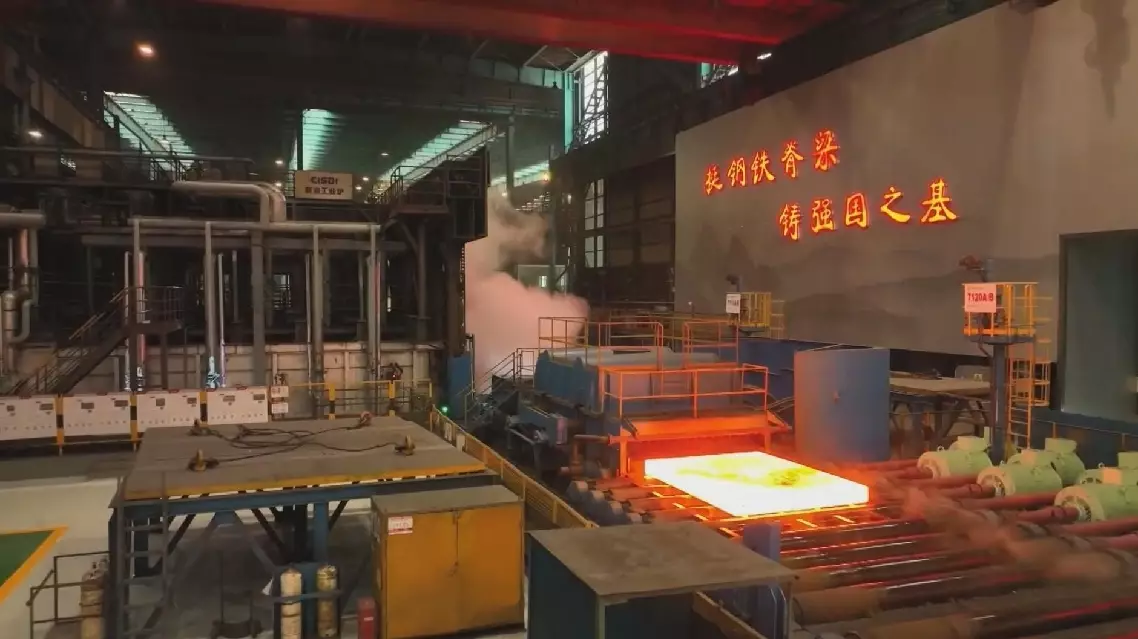
China's bulk commodity market stays resilient amid external headwinds: report