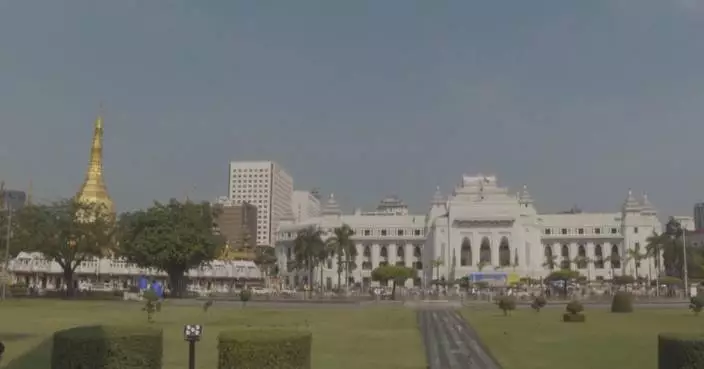
Aleppo, once Syria's commercial powerhouse, is showing tentative signs of revival as shopkeepers return to its historic markets and investors begin to take notice, though the road to recovery remains long and fraught with challenges.
The sounds of drills and hammers now echo through the old market, where merchants once traded goods from across Syria. Among those returning is Salem Jawish, a lifelong resident who reopened his baby clothes shop last year after more than a decade of closure.
"We felt so happy. We went back to our shops, to our markets -- to the old markets. Before, everything was destroyed," said Jawish.
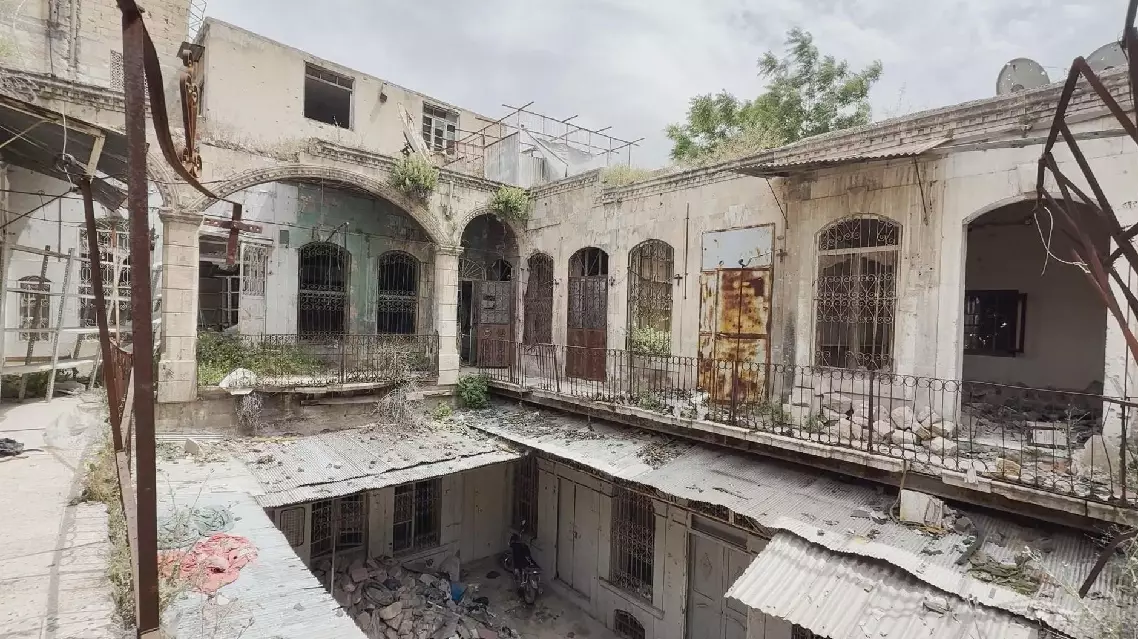
Years of war and the 2023 earthquake left much of the city in ruins. Nearby, in a historic building that once housed a mill, small businesses are gradually resuming operations. The building, with lower floors for livestock and upper floors for lodging, is slowly reopening, though its former glory remains a distant memory.
"They would bring the goods with them, display them, sell them, and buy more. The upper floor used to be like a hotel," recalled Nazir Aqqad, another shop owner.
Despite the signs of revival, severe infrastructure damage, fragile security and a lack of large-scale investment continue to hinder Aleppo's recovery.
"The amount of destruction is quite massive. I would say 98 percent of the industrial capacity and the families had left the city and operated elsewhere and flourished elsewhere. And now the thesis for Aleppo is quite dependent on whether these families return," said Hani Aljundi, founder of Sima Partners, a Dasmascus-based advisory firm.
The reopened Turkey‑Gulf trade corridor is bringing goods through Aleppo, generating new opportunities in transport and trade. Yet the challenge remains immense: the city is not only rebuilding its streets and landmarks, but also trying to restore a sense of normal life for its residents.
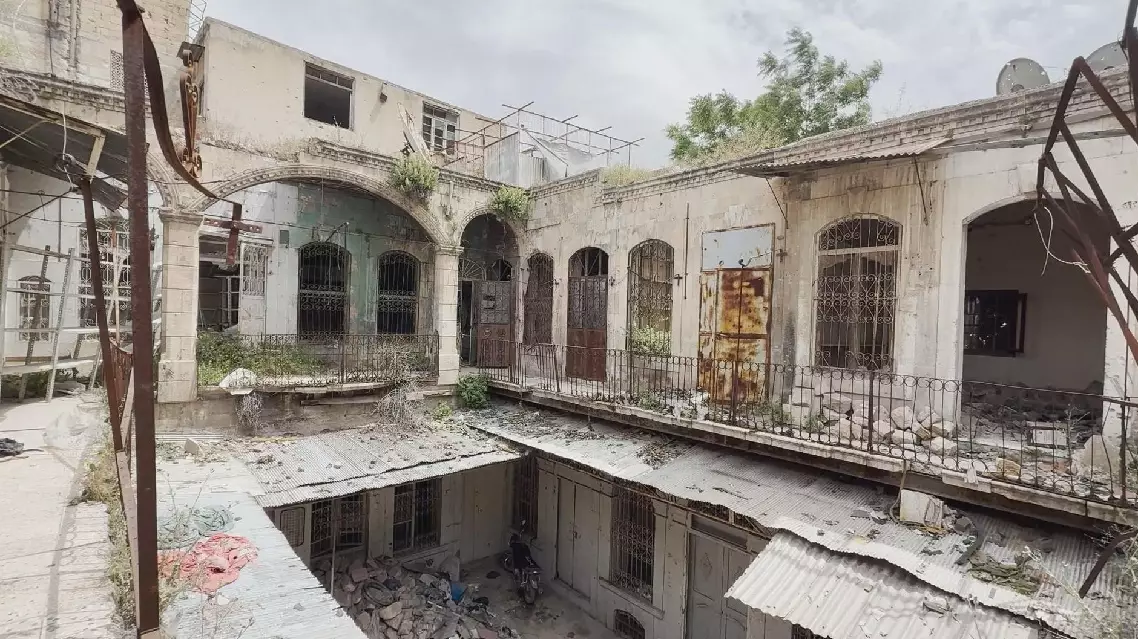
Syria's commercial hub Aleppo slowly recovers after war, earthquake
Syria's commercial hub Aleppo slowly recovers after war, earthquake