NEW YORK--(BUSINESS WIRE)--Jun 16, 2026--
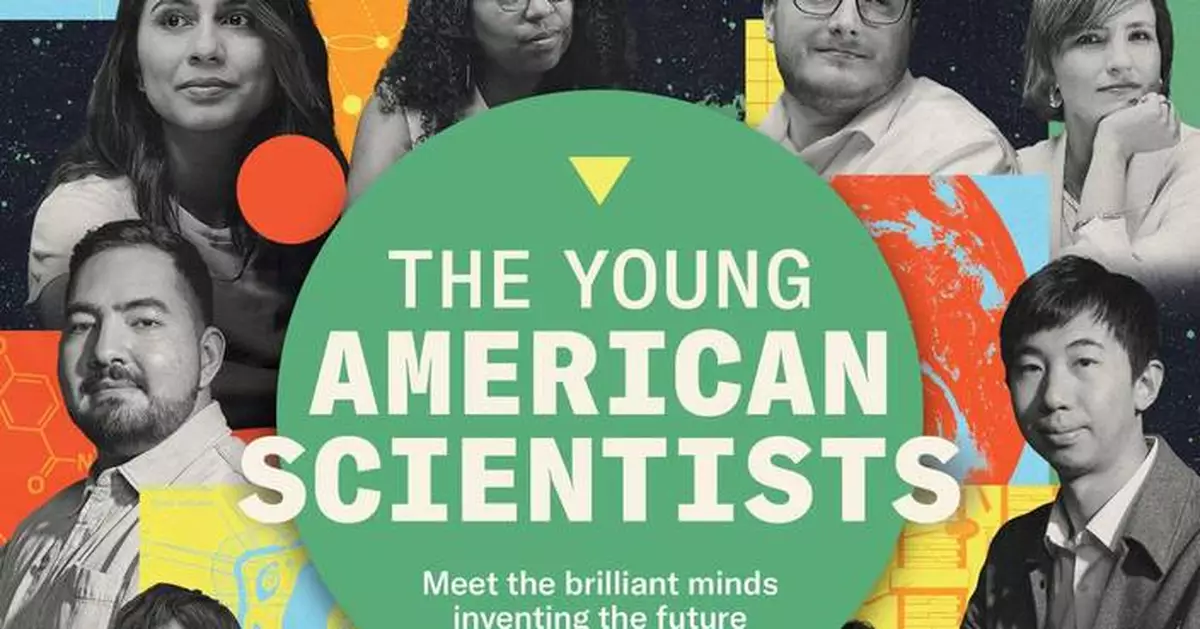
Scientific American today announced its inaugural Young American Scientists list, recognizing 28 exceptional early-career researchers (ECRs) whose work is shaping the future of science and society. Spanning disciplines from healthcare and artificial intelligence to astronomy and botany, the Class of 2026 reflects the considerable range and global reach of scientific innovation in the United States.
This press release features multimedia. View the full release here: https://www.businesswire.com/news/home/20260616455549/en/
Launched at a pivotal moment for the scientific community when ECRs face unique challenges, the initiative aims to spotlight burgeoning luminaries in American science. The selected scientists are advancing breakthroughs with real-world impact, from curing diseases to developing transformative technologies, and represent the leaders who will define the decades ahead and deliver a brighter future.
“The Class of 2026 is the result of months of global outreach and analysis,” said David Ewalt, Editor in Chief at Scientific American. “With this inaugural list, we wanted to highlight the extraordinary talent and promise across the U.S. and spotlight the researchers doing remarkable work today who are poised to make the world better tomorrow. Together, their work and achievements emphasize areas of scientific advancement and emerging opportunities.”
A Rigorous, Global Selection Process
Rather than commencing with a pre-determined number of finalists, Scientific American arrived at an ultimate cohort of 28 scientists following an extensive nomination and selection process. Hundreds of notable and leading researchers and experts from around the world working in a diversity of fields participated in nominating candidates. The editorial team then reviewed the nominees’ work in depth, combining data-driven analysis with editorial judgment to identify the most compelling Young American Scientists.
The result is a cohort that reflects excellence across the scientific landscape.
The Next Generation of Visionaries
The Young American Scientists list focuses on ECRs who have not yet reached full tenure. Candidates included graduate students, academics at the assistant-professor level, and scientists working in industry or nonprofit settings provided that applicants were not yet fully established in their fields. All honorees are under the age of 40, with the youngest aged just 24 years. The Class of 2026 Young American Scientists includes:
Reflecting the Reality of American Science
The Class of 2026 mirrors the demographics and international nature of science in the United States, and underscores America’s continued role as a global magnet for scientific talent and hub of innovation. The Class of 2026 also presents a balance of fields and work environments from researchers at large multinational corporations to scientists working at smaller startups.
A Major Moment in Science
The Young American Scientists list anchors a major Scientific American print and digital package examining the state of science today. Each honoree is featured in a dedicated profile, with additional select in-depth interviews and topical content available online.
The issue also includes:
An Annual Platform for Recognition
The Young American Scientists list is envisioned as an annual issue, continuing Scientific American ’s long-standing commitment to highlighting excellence, innovation and impact in science.
“This project is about recognizing not just individual achievement, but the collective momentum of a new generation,” added Jeanna Bryner, Executive Editor at Scientific American. “These scientists represent possibility and a powerful reminder of what science can achieve.”
The Young American Scientists Class of 2026 will appear in Scientific American ’s upcoming issue and across its digital platforms, with extended profiles and exclusive content available online.
Media Assets: A composite image of the Class of 2026 and the issue cover are available, along with professional headshots and illustrations of each honoree.
About Scientific American
Founded in 1845, Scientific American is the oldest continuously published magazine in the U.S. and the leading authoritative publication for science and technology in the general media. Together with scientificamerican.com and eight local language editions around the world, it reaches more than nine million readers. Scientific American is published by Springer Nature.
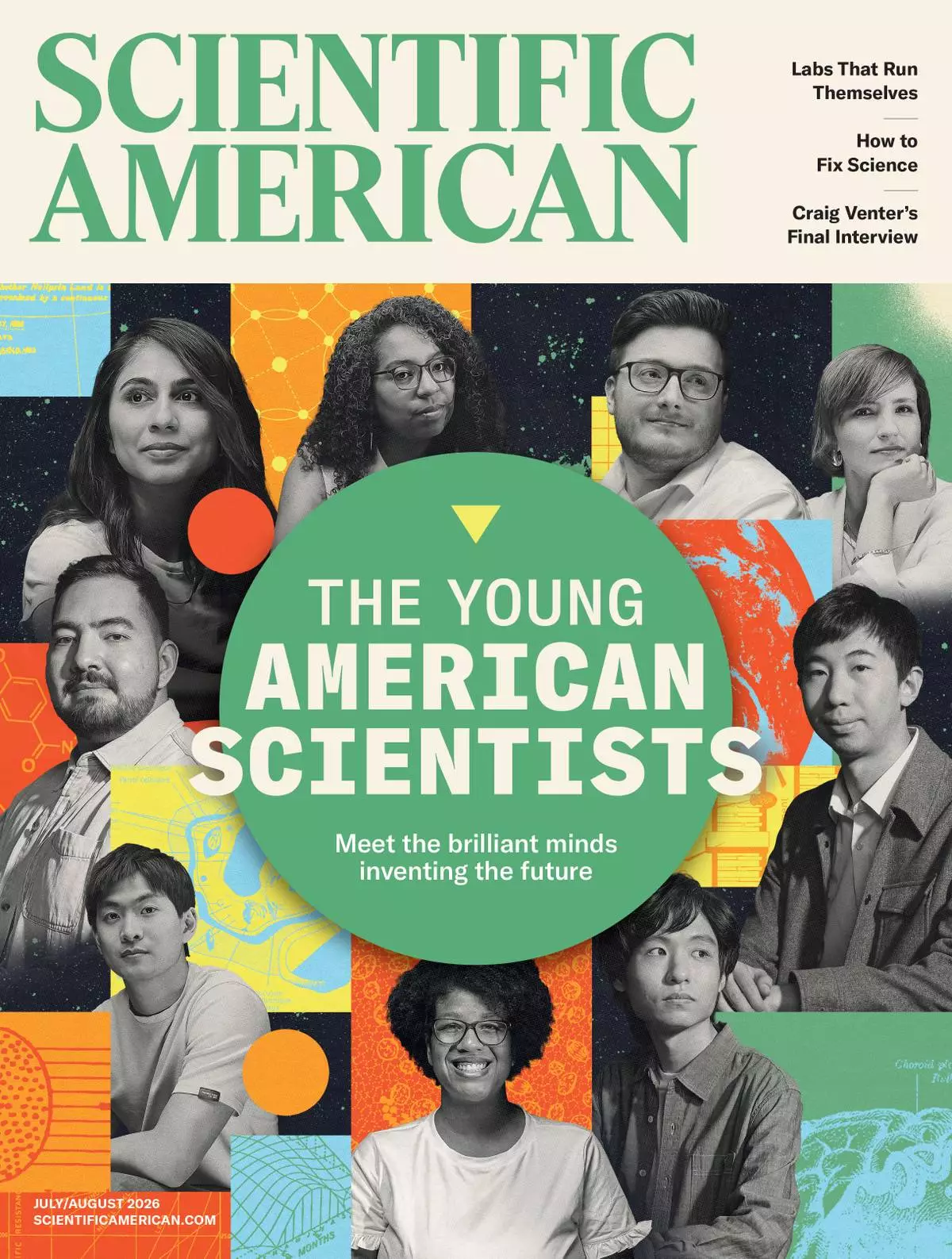
Scientific American's July-August Issue Cover — The Young American Scientists 2026.