LOS ANGELES--(BUSINESS WIRE)--Jun 16, 2026--
As immersive experiences become part of mainstream entertainment, a new production role has emerged in Hollywood.
This press release features multimedia. View the full release here: https://www.businesswire.com/news/home/20260616840609/en/
Light Sail VR, a 2025 Emmy-winning immersive cinema studio, announces the ”immersive supervisor,” a new film production role in the entertainment industry. Co-founder and Chief Creative Director Matthew Celia will introduce the immersive supervisor today in a dedicated session at AWE USA 2026, currently underway in Long Beach.
New forms of entertainment are emerging across franchise extensions, location-based experiences, live productions, and spatial formats. As a result, productions are creating demand for dedicated expertise focused on audience experience and spatial storytelling.
“Immersive productions introduce new creative and technical challenges that traditional production roles were never designed to manage,” said Celia. “The responsibilities already exist. The problem is that they often belong to everyone and therefore no one.”
What Is Changing in Film Production?
For more than a century, film and television production have been built around a frame. Directors decide where audiences look. Cinematographers compose a shot. Editors guide attention from one image to the next.
Immersive media changes that relationship.
“In immersive, there is no frame,” said Celia. “You can’t crop. You can’t push in. You can’t choose what the audience looks at. Once you internalize that, most of the questions you ask on a set start to change.”
Why Is a New Film Production Role Needed?
As immersive production has matured, a production gap has emerged. The responsibilities exist, but ownership is often distributed across multiple departments. Historically, major shifts in filmmaking have created new production roles:
Many of those decisions are still being evaluated using tools designed for traditional filmmaking.
“The monitor is lying,” said Celia. “Not because anyone is bad at their job. The tool was designed for a different medium than the one we’re actually making.”
What appears successful on a monitor can create a very different audience experience inside an immersive environment. Audience attention, immersive capture, asset preservation, and long-term content reuse introduce challenges that existing production roles were never intended to solve.
Without dedicated oversight, productions risk capturing assets that cannot be reused, creating costly post-production challenges, or making creative decisions that fail to deliver the intended audience experience.
What Is the Immersive Supervisor?
The immersive supervisor is a production role focused on helping creative teams adapt traditional filmmaking techniques to immersive environments. The job is to manage all possible frames simultaneously so the director can stop framing and start staging presence.
“The audience is the camera,” said Celia. “Every single person in the headset is making their own shot, every second.”
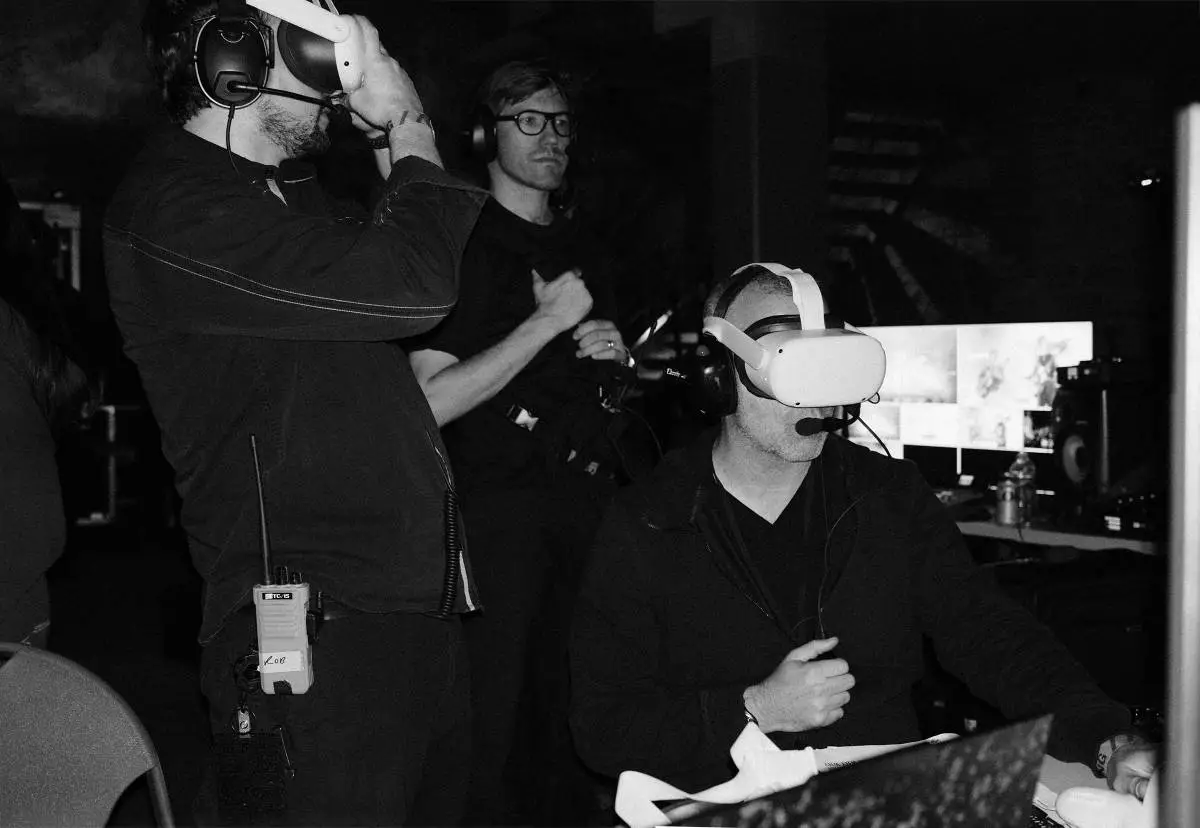
The immersive supervisor works across creative, technical and production teams to help ensure that decisions made throughout a project support the intended audience experience. This role helps directors, cinematographers, visual effects teams and production crews make choices that work inside immersive environments instead of only on traditional monitors.
How Do Studios Hire an Immersive Supervisor?
According to Robert Watts, co-founder and executive producer of Light Sail VR, the role is most effective when engaged during preproduction, before key creative and technical decisions have been made.
The immersive supervisor typically reports to the director and coordinates with the cinematographer and visual effects supervisor to ensure immersive considerations are incorporated throughout production.
Responsibilities vary by project:
“We don’t see the immersive supervisor as adding another layer to production,” said Watts. “We see it as assigning ownership to immersive decisions that otherwise get distributed across multiple departments.”
How Does the Immersive Supervisor Work in Practice?
Light Sail VR has applied the role across three common production environments:
Narrative immersive: On The Faceless Lady, immersive considerations were incorporated during creative development, allowing production decisions to be evaluated from the audience’s perspective before principal photography began.
Franchise asset capture: On projects connected to The Boys Gen V, immersive assets captured during production continued supporting marketing, virtual production, and audience experiences long after the original shoot.
Live production: During the Emmy-winning SNL 50th Anniversary Special, immersive production workflows were integrated into a live broadcast environment where there were no second takes and little margin for error.
In each case, the cost of getting immersive decisions wrong can range from unusable assets to audience experiences that fail to achieve their intended effect.
“Every project is different,” added Celia. “But the job is always the same. Make sure somebody in the room is thinking about the audience experience before the audience gets there.”
What Is the Future Outlook for the Immersive Supervisor?
“Spatial video. AR glasses. Volumetric capture. Every format coming next is going to break a different traditional instinct on a set somewhere,” said Celia.
The immersive supervisor role is not tied to a particular device, platform or technology cycle. In many ways, the role already exists because production teams naturally adapt to new ways audiences experience content. Formalizing the role reflects a broader shift in how filmmakers respond when audience expectations, creative possibilities, and production realities converge.
“The monitor is going to keep lying. New cameras, new pipelines, new formats, and it’s going to keep lying,” said Celia. “Make sure there’s someone in the room who knows it.”
AWE USA 2026 Session Details
At AWE USA 2026, Celia will examine how changing audience experiences are creating new production challenges and new production roles.
What: The Immersive Supervisor: A Role Hollywood Didn’t Know It Needed
Where: Marriott Long Beach, Room 101B
When: June 16, 2026, 1:40 p.m.
The session uses real-world examples from The Faceless Lady, The Boys Gen V, and SNL 50th Anniversary Special to illustrate how immersive production workflows continue to evolve.
About Light Sail VR
Light Sail VR is an immersive cinema company based in Los Angeles and founded in 2016 by Matthew Celia and Robert Watts. The team earned a 2025 Emmy for its work on the SNL 50th Anniversary Special in VR and has delivered more than 200 projects across narrative, live performance, and emerging media formats, including work for platforms such as Apple Vision Pro and Meta Quest. The studio works with global entertainment and technology partners and focuses on building production systems that support immersive storytelling in real-world environments. For more information, visit https://lightsailvr.com/ and follow the company on LinkedIn.
Light Sail VR is a trademark of Light Sail VR. All other brands and solution names are trademarks or registered trademarks of their respective companies.
Tags: AWE2026, Light Sail VR, immersive supervisor, immersive cinema, immersive video, immersive experience, film production, VR, virtual reality, XR, extended reality, AR, augmented reality, spatial AI, cinematic storytelling, documentary, location-based, Apple Vision Pro, Meta Quest, Emmy, Matthew Celia, Robert Watts
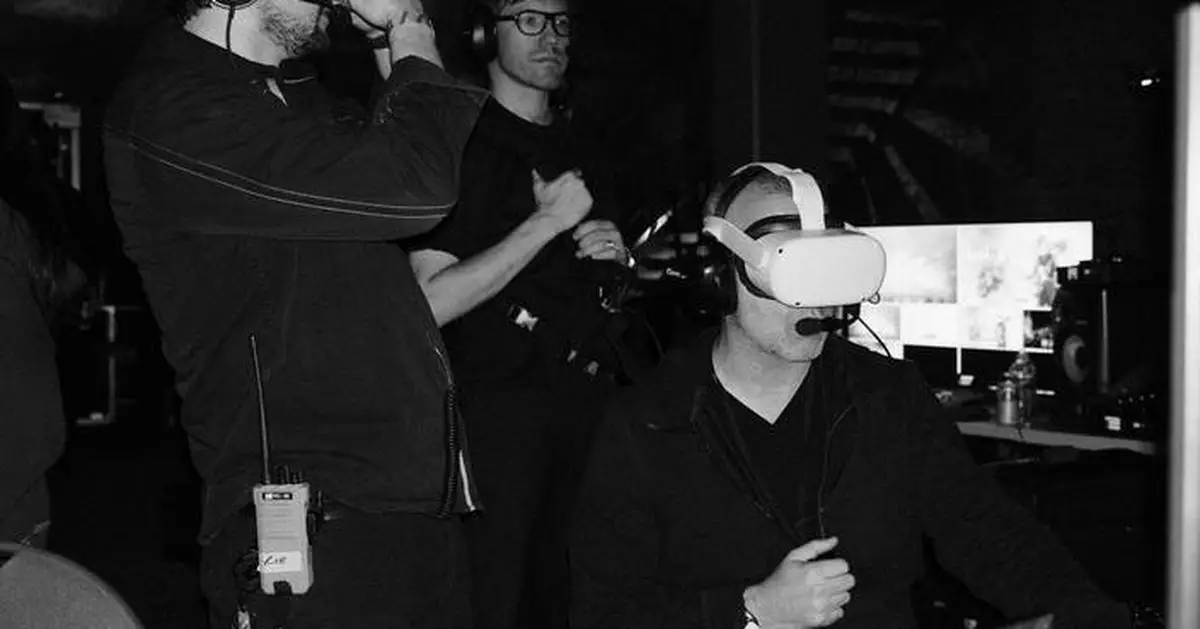
On set live immersive review in Meta Quest headsets. Photo courtesy of Light Sail VR, still photographer Woody Roseland.