WASHINGTON (AP) — The Federal Reserve kept its key rate unchanged Wednesday yet almost half the central bank’s policymakers said they could support a rate hike later this year.
The unexpectedly aggressive tilt toward higher rates would disappoint President Trump and suggests heightened concerns about persistent inflation among Fed officials.
Click to Gallery
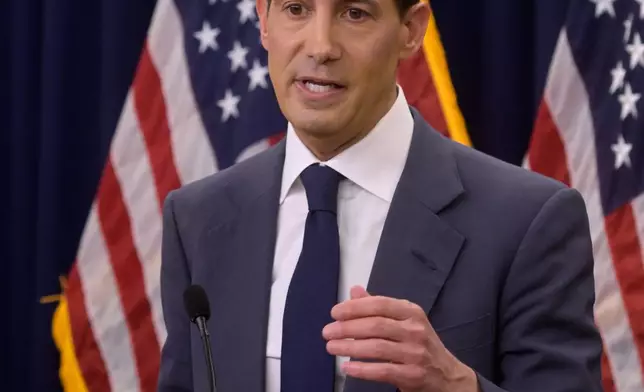
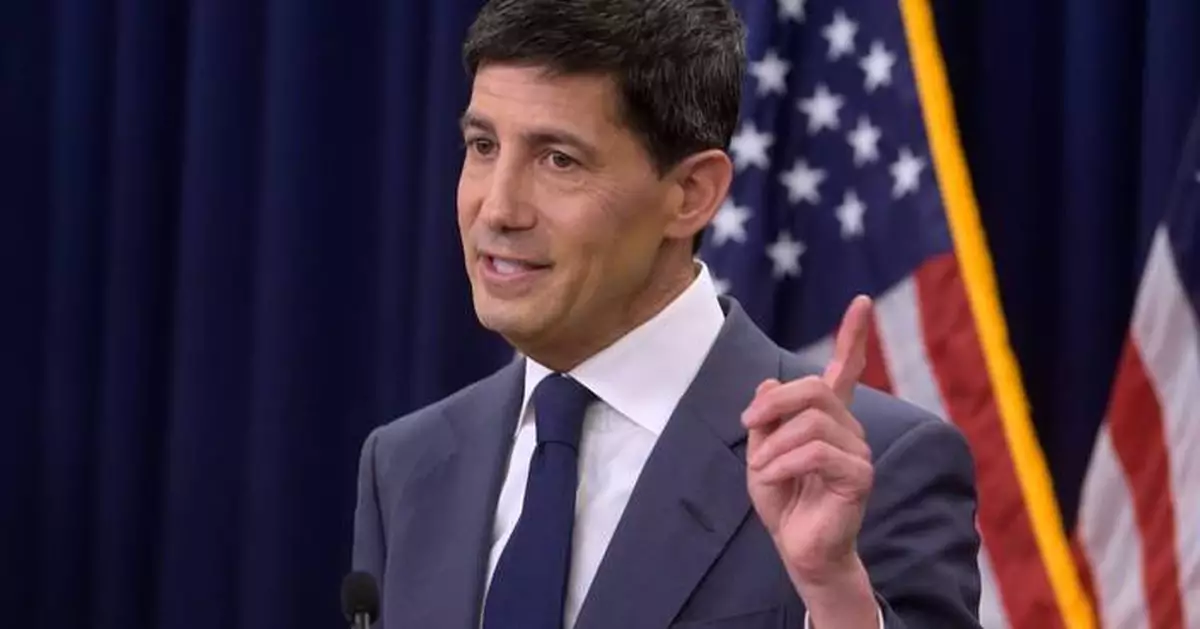
Federal Reserve Chairman Kevin Warsh speaks during a news conference following the Federal Open Market Committee meeting, Wednesday, June 17, 2025, in Washington. (AP Photo/Rod Lamkey, Jr.)
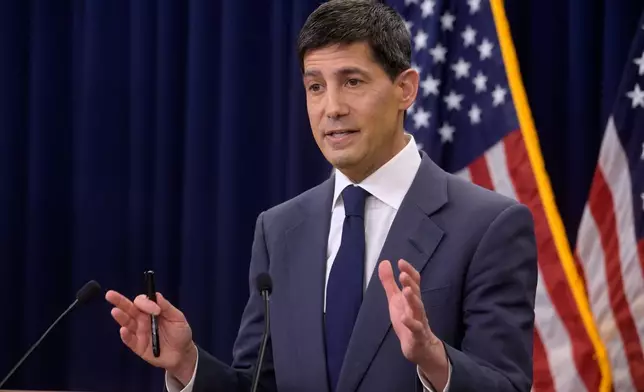
Federal Reserve Chairman Kevin Warsh speaks during a news conference following the Federal Open Market Committee meeting, Wednesday, June 17, 2025, in Washington. (AP Photo/Rod Lamkey, Jr.)
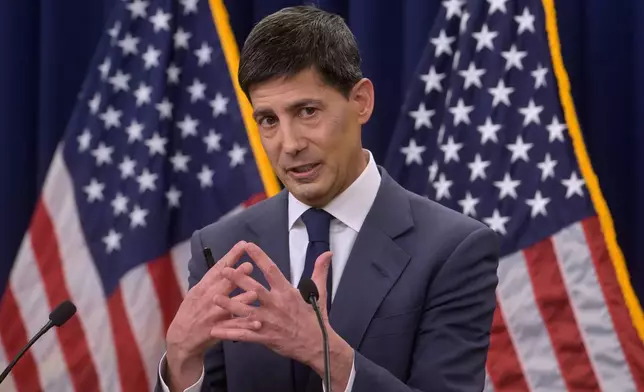
Federal Reserve Chairman Kevin Warsh speaks during a news conference following the Federal Open Market Committee meeting, Wednesday, June 17, 2025, in Washington. (AP Photo/Rod Lamkey, Jr.)
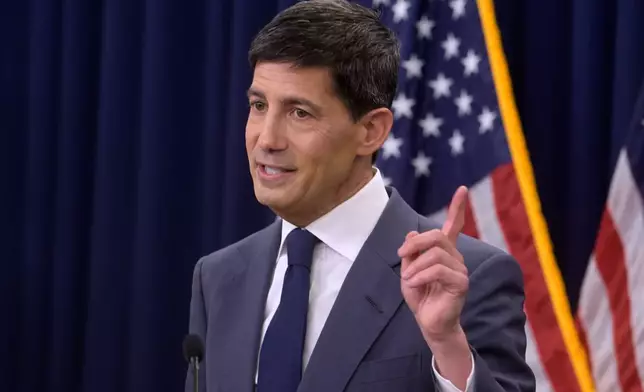
Federal Reserve Chairman Kevin Warsh speaks during a news conference following the Federal Open Market Committee meeting, Wednesday, June 17, 2025, in Washington. (AP Photo/Rod Lamkey, Jr.)
In an unusually short statement after their two-day meeting, the officials dropped language that had suggested their next move would be to cut the key rate. The brief statement reflects the influence of new chair Kevin Warsh, who was appointed by Trump. Warsh has previously criticized the Fed for commenting too broadly on the economy.
Still, Warsh's 18 colleagues on the Fed’s rate-setting committee sent a clear message in a set of quarterly projections released Wednesday: Nine signaled they supported higher rates this year, with six of those supporting two or more quarter-point increases.
It’s a sharp change from March, when no policymakers penciled in a hike and the committee as a whole forecast one cut in 2026. The change is an acknowledgement that inflation is at its highest level in three years and many officials have said in recent speeches that if inflation doesn’t decline, higher rates may be necessary in the coming months.
Warsh, in his first news conference as chair, also underscored the Fed's determination to bring inflation down to the central bank's 2% target, suggesting he will take a hawkish approach as chair. “Hawks” typically support higher rates to quell inflation, while “doves” often support lower rates to boost hiring.
“We’ve missed (on inflation) for five years and we’re going to fix that,” he said. “When we deliver on our price stability objectives, which we will, the American people will feel as though the hardships that they’ve been living through ... are in the rear view mirror.”
Warsh had supported rate cuts last year while under consideration to be Trump's pick as Fed chair to replace Jerome Powell. Since returning to the White House last year, Trump repeatedly attacked Powell for not cutting rates more deeply.
Warsh did not hint whether he was leaning toward hiking rates, but economists saw his message at the press conference as hawkish.
“The risk that they might need to raise rates has clearly risen given what we got today,” Matthew Luzzetti, chief U.S. economist at Deutsche Bank, said.
Financial markets agreed. Stock prices fell sharply after the Fed issued its statement and Warsh spoke. Bond yields rose.
Trump, for his part, appeared to accept the Fed's decision.
“We have a very good guy over there now so I’m guided by what he wants to do,” Trump said in France, where he attended a meeting of leaders from the world's seven largest economies.
All told, another eight officials signaled they would support keeping the rate unchanged, and one penciled in a cut. Warsh did not submit a forecast for how the Fed might change its key rate.
In another shift, the Fed's post-meeting statement contained no hints about its next moves, or what economists refer to as “forward guidance.” Previous Fed chairs, starting with Ben Bernanke, saw such guidance as a benefit to the Fed, because it prodded financial markets to move rates either higher or lower, depending on what the Fed preferred.
Warsh told reporters at a press conference that guidance was not “well suited to the current policy conjuncture." He has previously criticized forward guidance, as well as the quarterly projections, for potentially locking the Fed into a specific rate path.
Warsh also said he is forming five task forces to examine such areas as how the Fed communicates, the sources of data it uses in making policy decisions, and the frameworks it uses to evaluate inflation, all with the goal of making sure the Fed is “clear-eyed and focused on the future.”
Diane Swonk, chief economist at accounting firm KPMG, said the use of the task forces indicates Warsh is not looking to impose changes on the rest of the Fed, but instead is seeking consensus.
“He wants buy in,” she said. "He’s not trying to change it by command.”
If the Iran war is resolved, gas prices will likely continue to decline and inflation may cool in the coming months. But prices of many goods and services — such as clothes, dental care, and child care — were rising before the Iran war, and inflation has been above the Fed’s 2% target for five years, suggesting that there may still be inflationary pressures in the economy.
Warsh also faces a sharply different economic environment than when he appeared to campaign for the job of Fed chair last year. Back then, he was outspoken in favor of lower interest rates, as Trump has demanded. He pointed to the development of AI as a technology that could vastly expand the economy's ability to produce goods and services cheaply, which would over time bring down inflation.
Even then, many economists were skeptical of his claim. At least in the short run, analysts note that soaring investment in semiconductors and computing equipment is contributing to higher inflation.
Indeed, since the Iran war began Feb. 28, inflation has accelerated to a three-year high of 4.2%, lifted mostly by costlier gas stemming from the Iran war. The Fed typically fights higher inflation by raising its key interest rate to cool spending and growth.
Trump has announced a peace agreement that could bring the three-month conflict to an end, but it's not clear if peace will hold. And even if oil flows freely out of the Middle East again, it could take months for prices of gas, groceries, and items such as airline fares, to cool.
At the same time, hiring has picked up in recent months, removing a key rationale for cutting rates. In January, the Fed forecast that it would reduce rates twice this year, as part of its quarterly economic projections. A big reason for those potential cuts is that employers were shedding jobs and policymakers worried that the unemployment rate would rise. The central bank typically cuts its key rate to spur economic growth and hiring.
But earlier this month a government report showed that hiring jumped in May, when employers added 172,000 jobs, the third straight month of solid job gains.
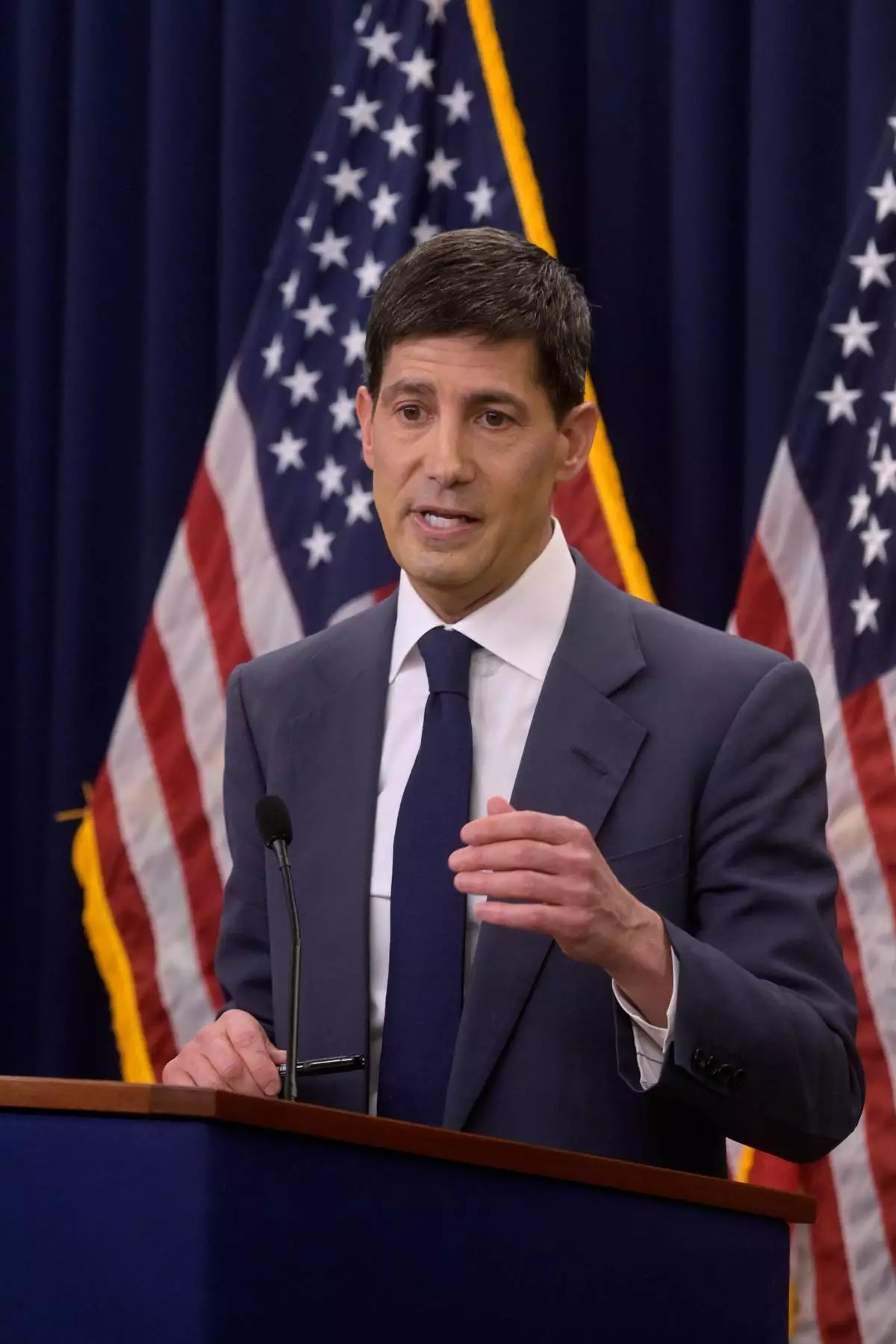
Federal Reserve Chairman Kevin Warsh speaks during a news conference following the Federal Open Market Committee meeting, Wednesday, June 17, 2025, in Washington. (AP Photo/Rod Lamkey, Jr.)
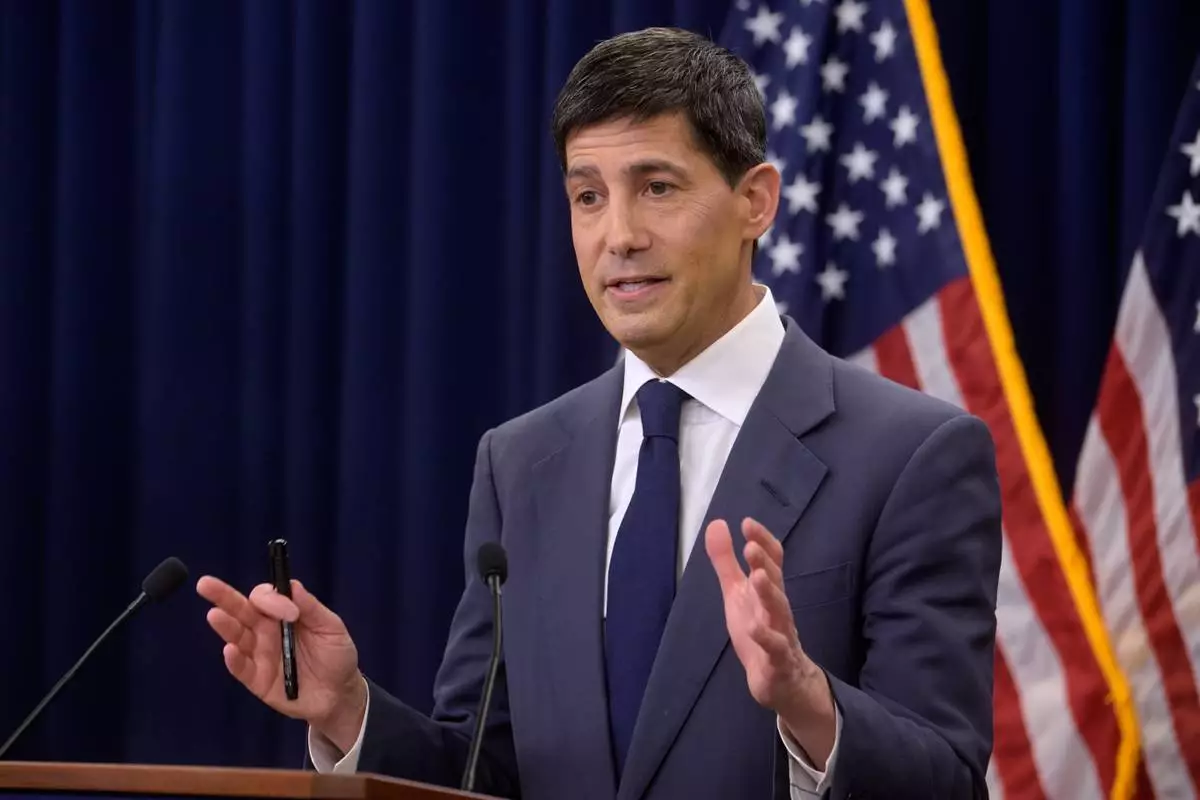
Federal Reserve Chairman Kevin Warsh speaks during a news conference following the Federal Open Market Committee meeting, Wednesday, June 17, 2025, in Washington. (AP Photo/Rod Lamkey, Jr.)
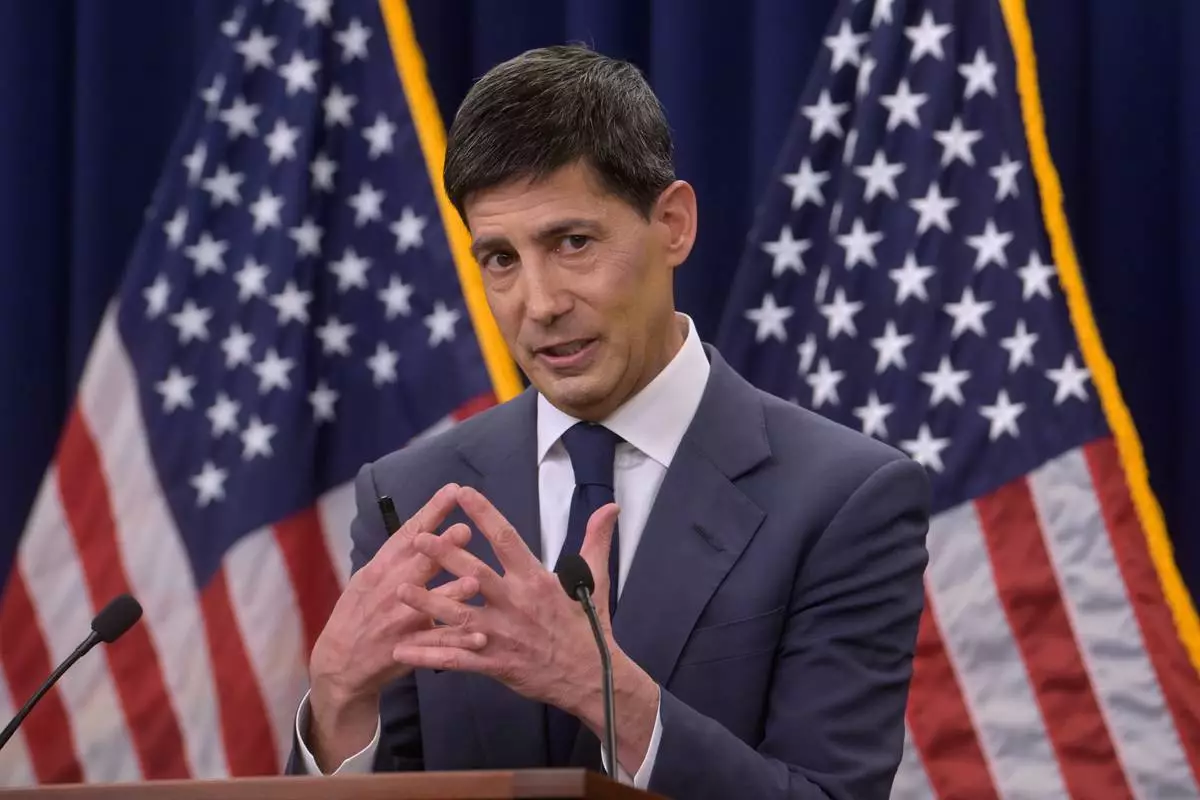
Federal Reserve Chairman Kevin Warsh speaks during a news conference following the Federal Open Market Committee meeting, Wednesday, June 17, 2025, in Washington. (AP Photo/Rod Lamkey, Jr.)
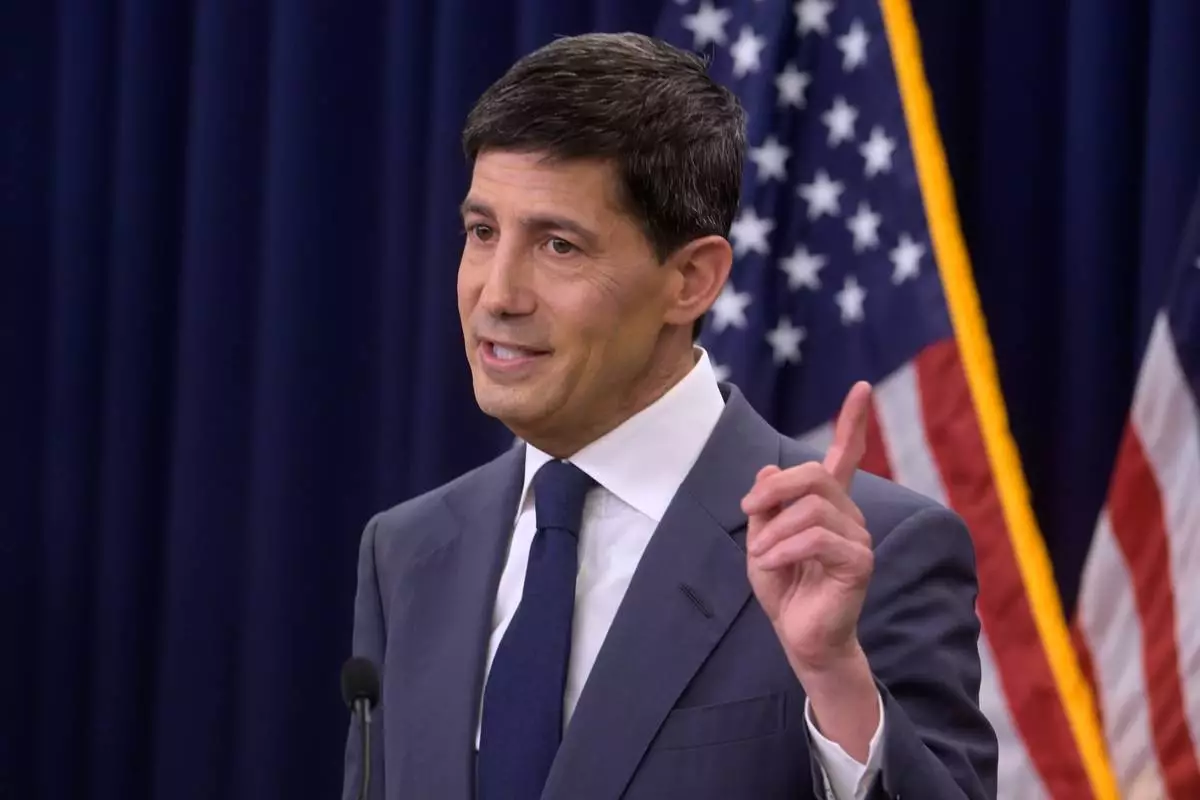
Federal Reserve Chairman Kevin Warsh speaks during a news conference following the Federal Open Market Committee meeting, Wednesday, June 17, 2025, in Washington. (AP Photo/Rod Lamkey, Jr.)