High winds drove a wildfire into an eastern Washington neighborhood, forcing the evacuation of about 1,500 people and destroying some homes, fire officials said Wednesday.
It's unclear how many homes were lost in Spokane. Fire officials were working Wednesday to determine the number and the full extent of the damage, said Matthew Vinci, fire chief for Spokane County Fire District 9. He confirmed Tuesday that some homes were engulfed in flames.
Click to Gallery
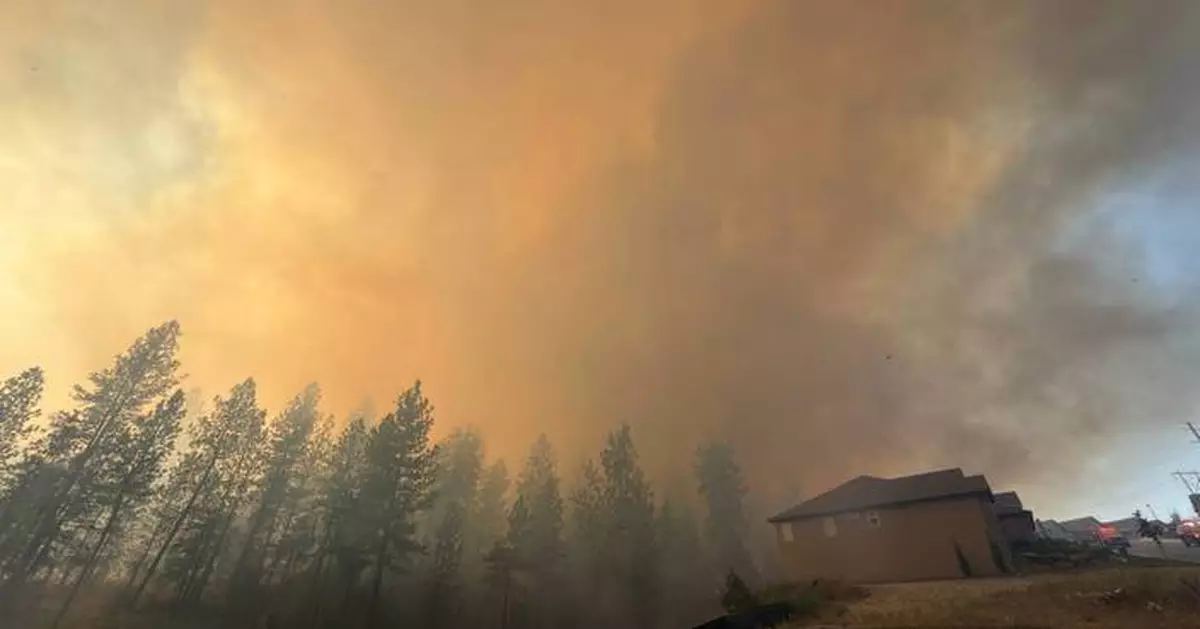
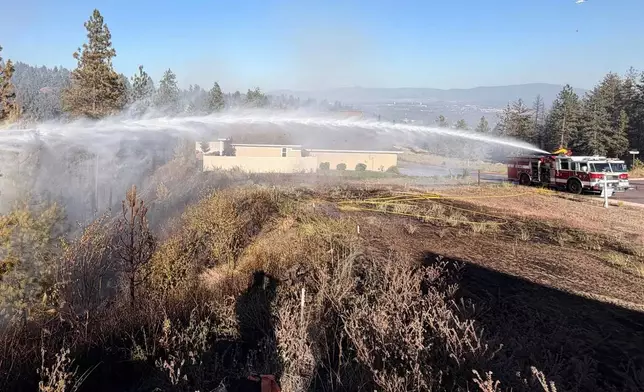
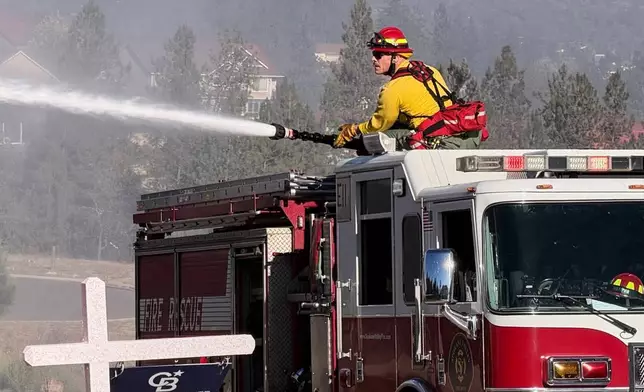
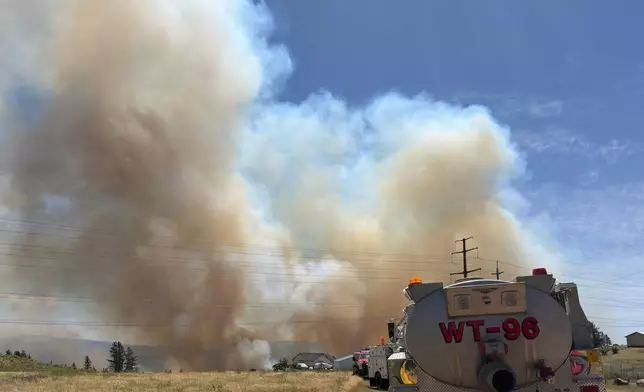
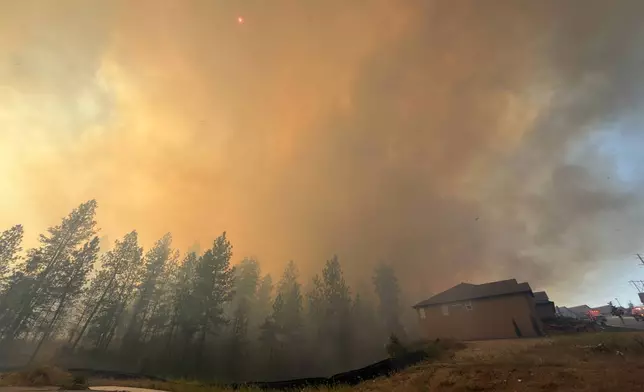
Fire crews battle the Upriver Fire on Tuesday, June 16, 2026 east of Spokane, Wash. (Spokane Valley Fire Department via AP)
Fire crews battle the Upriver Fire on Tuesday, June 16, 2026, east of Spokane, Wash. (Spokane Valley Fire Department via AP)
This photo provided by Spokane Fire District 9 shows smoke rising from the Upriver Fire burning northeast of Spokane, Wash., on Tuesday, June 16, 2026. (Robert Gray/Spokane Fire District 9 via AP)
This photo provided by Spokane Fire District 9 shows the Upriver Fire burning northeast of Spokane, Wash., on Tuesday, June 16, 2026. (Robert Gray/Spokane Fire District 9 via AP)
The evacuation order for the 1,500 residents remained in effect Wednesday, said Chandra Fox, deputy director for Spokane County Emergency Management.
“Our concern is for increased winds Wednesday afternoon,” Fox said.
The blaze started just after noon on Tuesday and quickly moved up a hill, said fire district spokesman Robert Gray. Winds then shifted, sending flames into a neighborhood, Gray said. Spokane is about 280 miles (450 kilometers) east of Seattle near the border with Idaho.
Fire crews from Washington state and Idaho attacked the fire from the ground and air, but it quickly grew to 225 acres (.35 square miles). It was 10% contained Wednesday morning, according to the National Interagency Fire Center.
The Federal Emergency Management Agency said Wednesday that they authorized the use of Fire Management Assistance Grant funds to help with firefighting costs for the Spokane blaze. The regional FEMA director said the fire had the potential to constitute a major disaster. Besides threatening homes, it also threatened a school, power lines, parks, businesses and wildlife.
FEMA said this was the first fire grant awarded this season to fight a Washington wildfire.
More than 32,000 fires have burned more than 3,900 square miles (10,100 square kilometers) so far this year in the United States, according to the fire center, which coordinates the mobilization of large-scale firefighting efforts.
That’s significantly higher than the 10-year average of just under 24,000 fires burning about 2,200 square miles (5,700 square kilometers) by early June, according to the fire center, even though fire activity has been relatively light in recent weeks.
Weather and fuel models that predict conditions like wind, lightning and how likely plants and other materials are to burn also show an increased danger of fires in multiple areas across the U.S. in coming weeks, according to the fire center. Some regions with critical conditions for fire include portions of California, and the Southwest, Great Basin and Rocky Mountain areas.
__
Bellisle reported from Seattle. Associated Press reporter Rebecca Boone contributed to this story from Boise, Idaho.
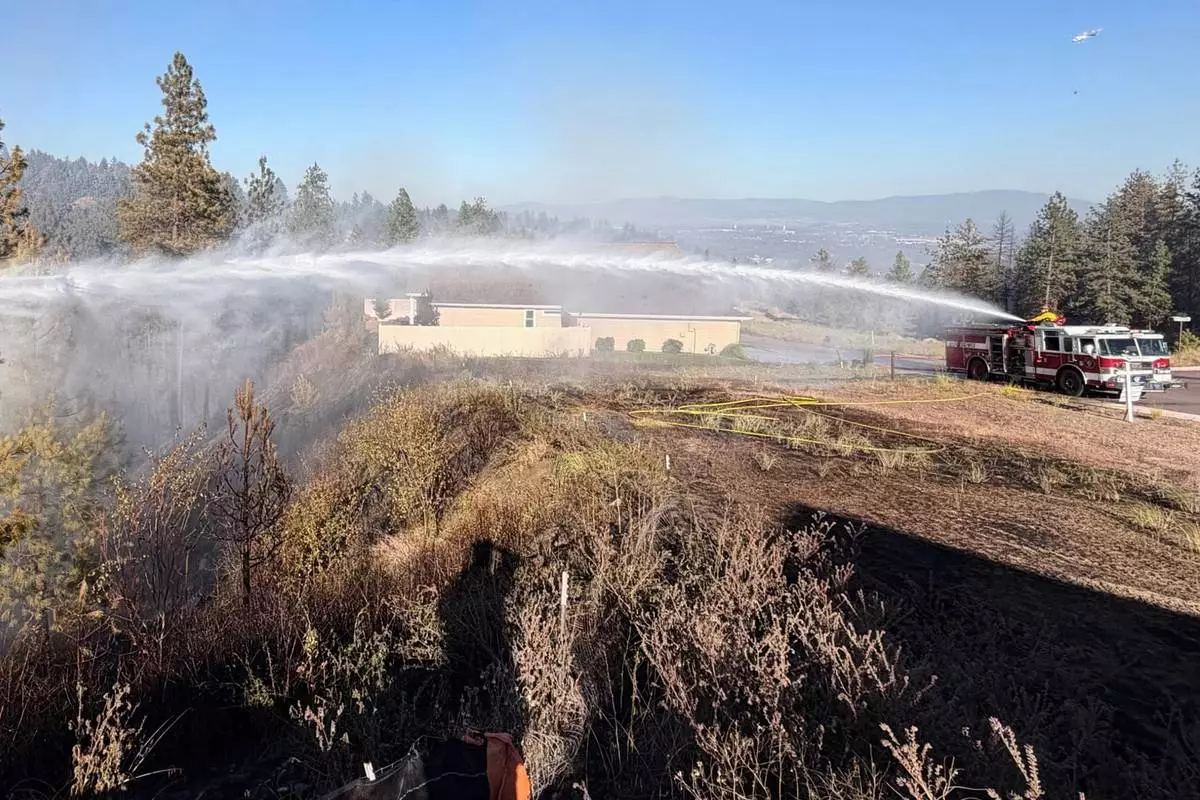
Fire crews battle the Upriver Fire on Tuesday, June 16, 2026 east of Spokane, Wash. (Spokane Valley Fire Department via AP)
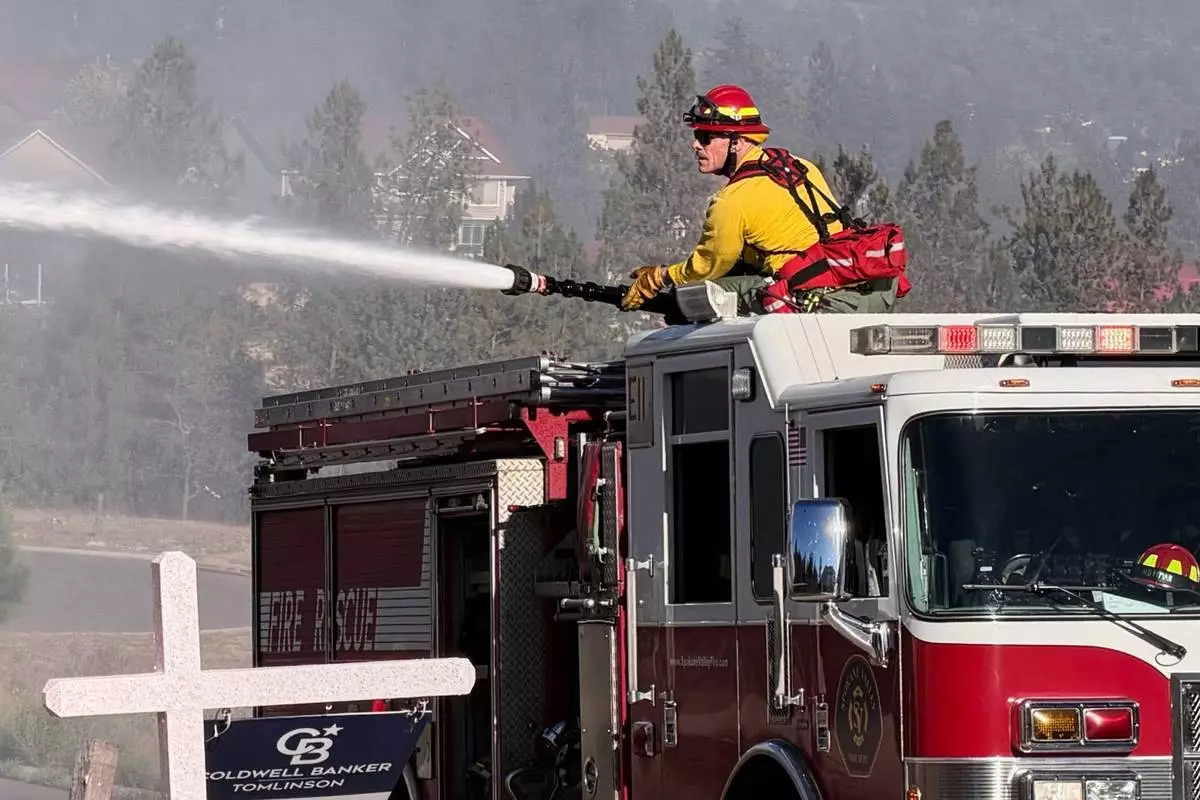
Fire crews battle the Upriver Fire on Tuesday, June 16, 2026, east of Spokane, Wash. (Spokane Valley Fire Department via AP)
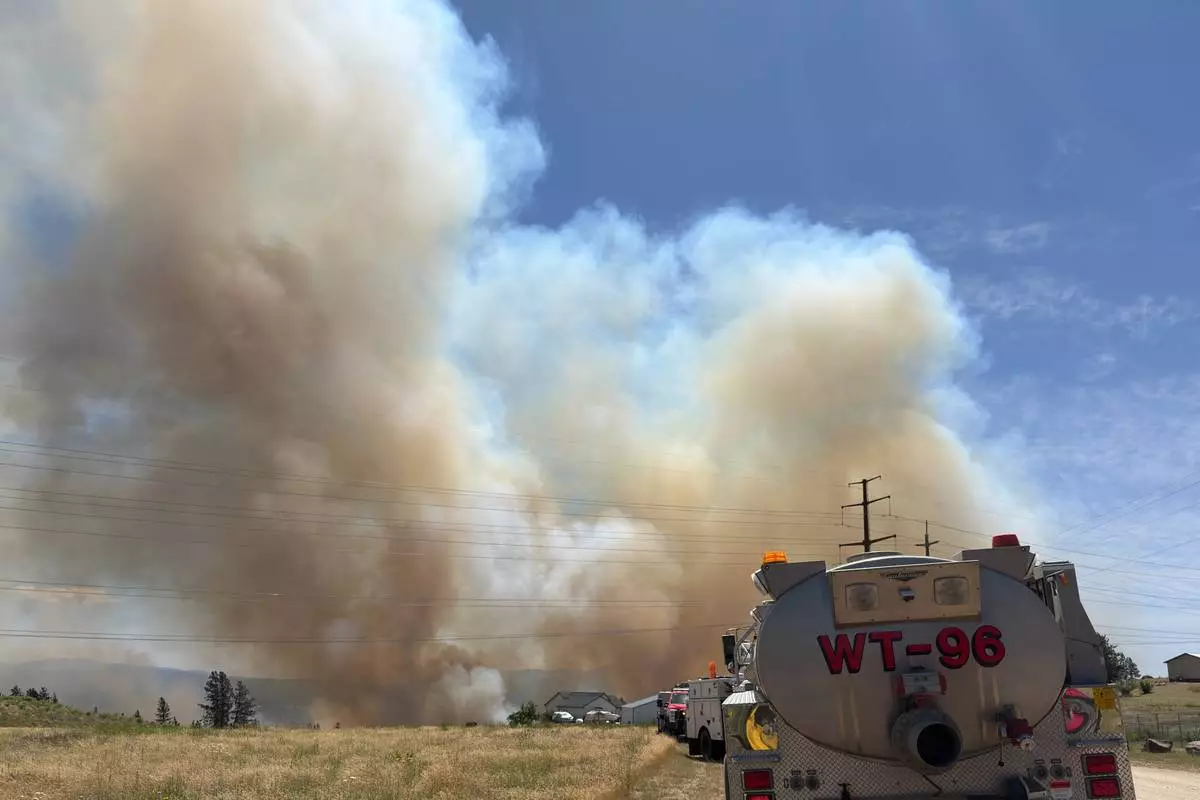
This photo provided by Spokane Fire District 9 shows smoke rising from the Upriver Fire burning northeast of Spokane, Wash., on Tuesday, June 16, 2026. (Robert Gray/Spokane Fire District 9 via AP)
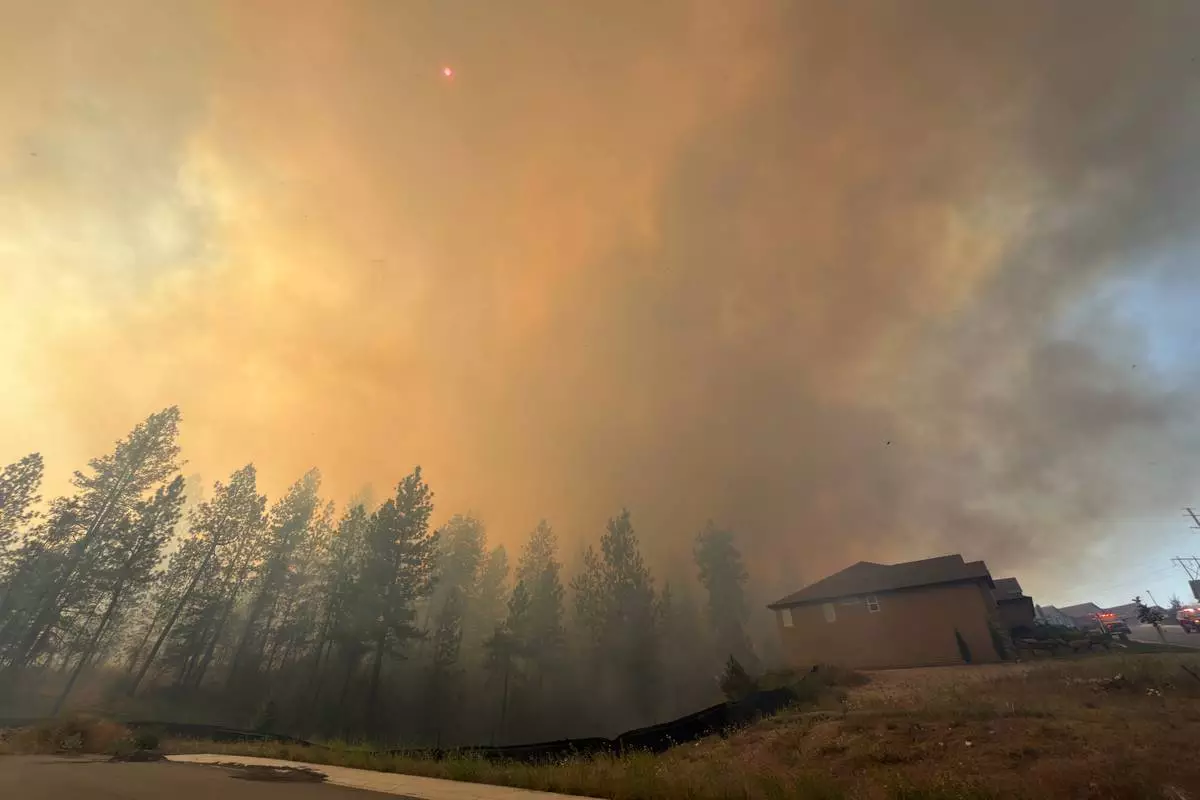
This photo provided by Spokane Fire District 9 shows the Upriver Fire burning northeast of Spokane, Wash., on Tuesday, June 16, 2026. (Robert Gray/Spokane Fire District 9 via AP)
WASHINGTON (AP) — The Federal Reserve kept its key rate unchanged Wednesday yet almost half the central bank’s policymakers said they could support a rate hike later this year.
The unexpectedly aggressive tilt toward higher rates would disappoint President Trump and suggests heightened concerns about persistent inflation among Fed officials.
In an unusually short statement after their two-day meeting, the officials dropped language that had suggested their next move would be to cut the key rate. The brief statement reflects the influence of new chair Kevin Warsh, appointed by Trump, who has previously criticized the Fed for commenting too broadly on the economy.
Still, Warsh's 18 colleagues on the Fed’s rate-setting committee sent a clear message in a set of quarterly projections released Wednesday: Nine signaled they supported higher rates this year, with six of those supporting two quarter-point increases. It’s a sharp change from March, when no policymakers penciled in a hike and the committee as a whole forecast one cut in 2026. The change is an acknowledgement that inflation is at its highest level in three years and many officials have said in recent speeches that if inflation doesn’t decline, higher rates may be necessary in the coming months.
All told, another eight officials signaled they would support keeping the rate unchanged, and one penciled in a cut. Warsh did not submit a forecast for how the Fed might change its key rate. He said he encouraged his colleagues to do so, but he has previously criticized the projections for potentially locking the Fed into a specific policy outlook. The Fed also struck forward guidance from its policy statement.
Warsh also told reporters at a press conference that he is forming five task forces to examine such areas as how the Fed communicates, the sources of data it uses in making policy decisions, and the frameworks it uses to evaluate inflation, all with the goal of making sure the Fed is “clear-eyed and focused on the future.”
Wednesday’s policy meeting was the first for Warsh, who was appointed by Trump after the president sharply criticized Warsh’s predecessor, Jerome Powell, for not reducing rates deeply enough. The attacks largely backfired because they prompted Powell to stay on the Fed’s governing board, where he voted Wednesday in favor of keeping rates at about 3.6%.
Warsh now faces a difficult choice: The Fed typically seeks to combat inflation by lifting interest rates to slow borrowing and spending and cool the economy. Yet taking such a step would likely attract the ire of the White House, and could lift the cost of mortgages, auto loans, and other borrowing, just before the midterm elections.
If the Iran war is resolved, gas prices will likely continue to decline and inflation may cool in the coming months. But prices of many goods and services — such as clothes, dental care, and child care — were rising before the Iran war, and inflation has been above the Fed’s 2% target for five years, suggesting that there may still be inflationary pressures in the economy.
Warsh repeatedly stressed that Fed officials committed to delivering price stability.
“We’ve missed (on inflation) for five years and we’re gonna fix that,” he said.
Warsh also faces a sharply different economic environment than when he appeared to campaign for the job of Fed chair last year. Back then, he was outspoken in favor of lower interest rates, as Trump has demanded. He pointed to the development of AI as a technology that could vastly expand the economy's ability to produce goods and services cheaply, which would over time bring down inflation.
Even then, many economists were skeptical of his claim. At least in the short run, analysts note that soaring investment in semiconductors and computing equipment is contributing to higher inflation.
Indeed, since the Iran war began Feb. 28, inflation has accelerated to a three-year high of 4.2%, lifted mostly by costlier gas stemming from the Iran war. The Fed typically fights higher inflation by raising its key interest rate to cool spending and growth.
Trump has announced an initial peace agreement that could bring the three-month conflict to an end, but it's not clear if peace will hold. And even if oil flows freely out of the Middle East again, it could take months for prices of gas, groceries, and items such as airline fares, to cool.
At the same time, hiring has picked up in recent months, removing a key rationale for cutting rates. In January, the Fed forecast that it would reduce rates twice this year, as part of its quarterly economic projections. A big reason for those potential cuts is that employers were shedding jobs and policymakers worried that the unemployment rate would rise. The central bank typically cuts its key rate to spur economic growth and hiring.
But earlier this month a government report showed that hiring jumped in May, when employers added 172,000 jobs, the third straight month of solid job gains.
On Wall Street, the S&P 500 fell 1.4% after the release of the Fed officials' rate expectations. When asked whether changes, such as revising what’s included in the economic projections, could spook markets, Warsh said, “I think financial markets perform best when they react to incoming data. They work less effectively when they ask, ‘How will the Federal Reserve react to that information?’”
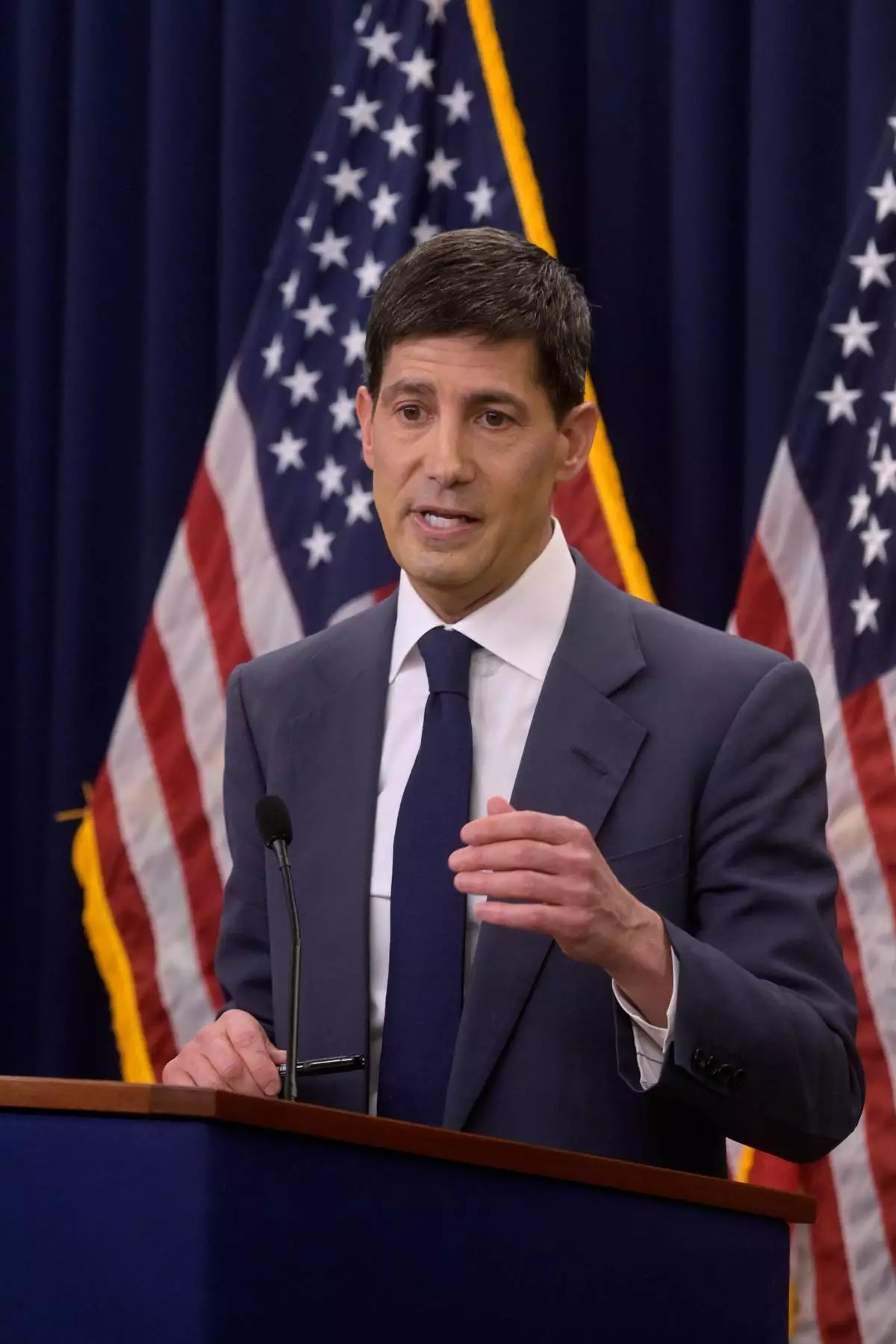
Federal Reserve Chairman Kevin Warsh speaks during a news conference following the Federal Open Market Committee meeting, Wednesday, June 17, 2025, in Washington. (AP Photo/Rod Lamkey, Jr.)
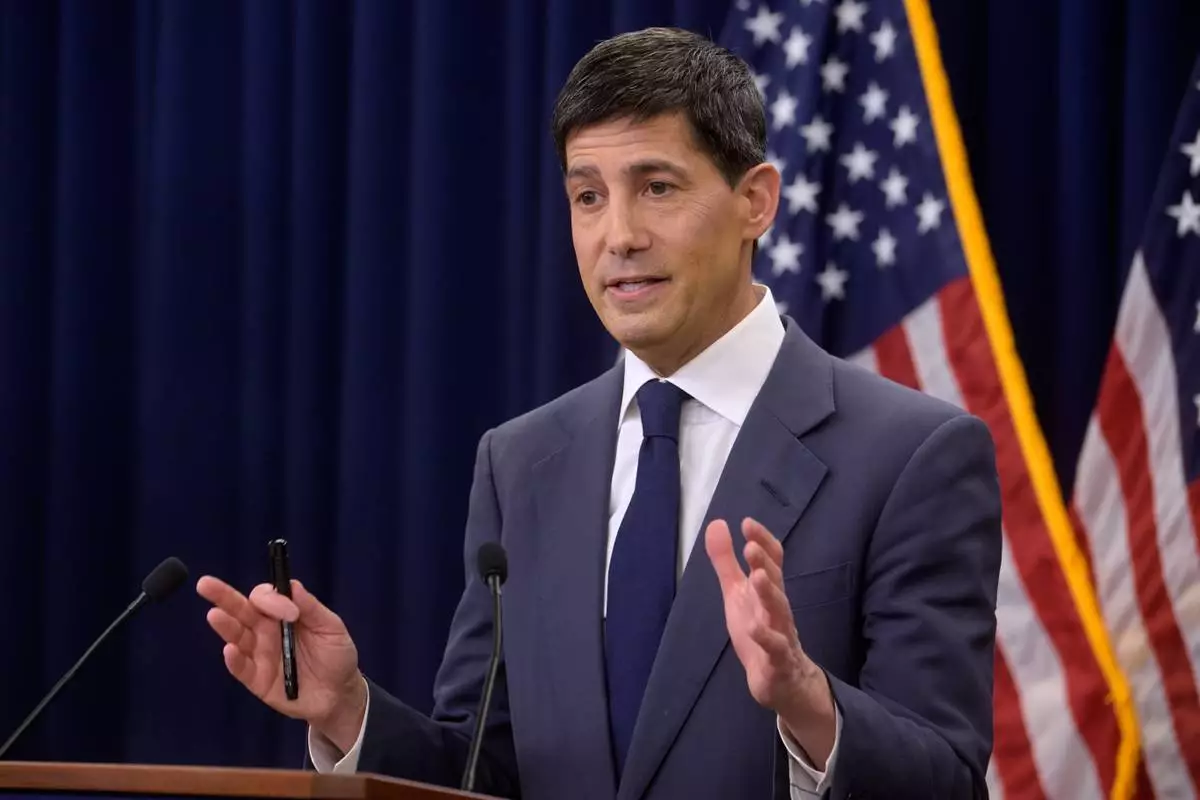
Federal Reserve Chairman Kevin Warsh speaks during a news conference following the Federal Open Market Committee meeting, Wednesday, June 17, 2025, in Washington. (AP Photo/Rod Lamkey, Jr.)
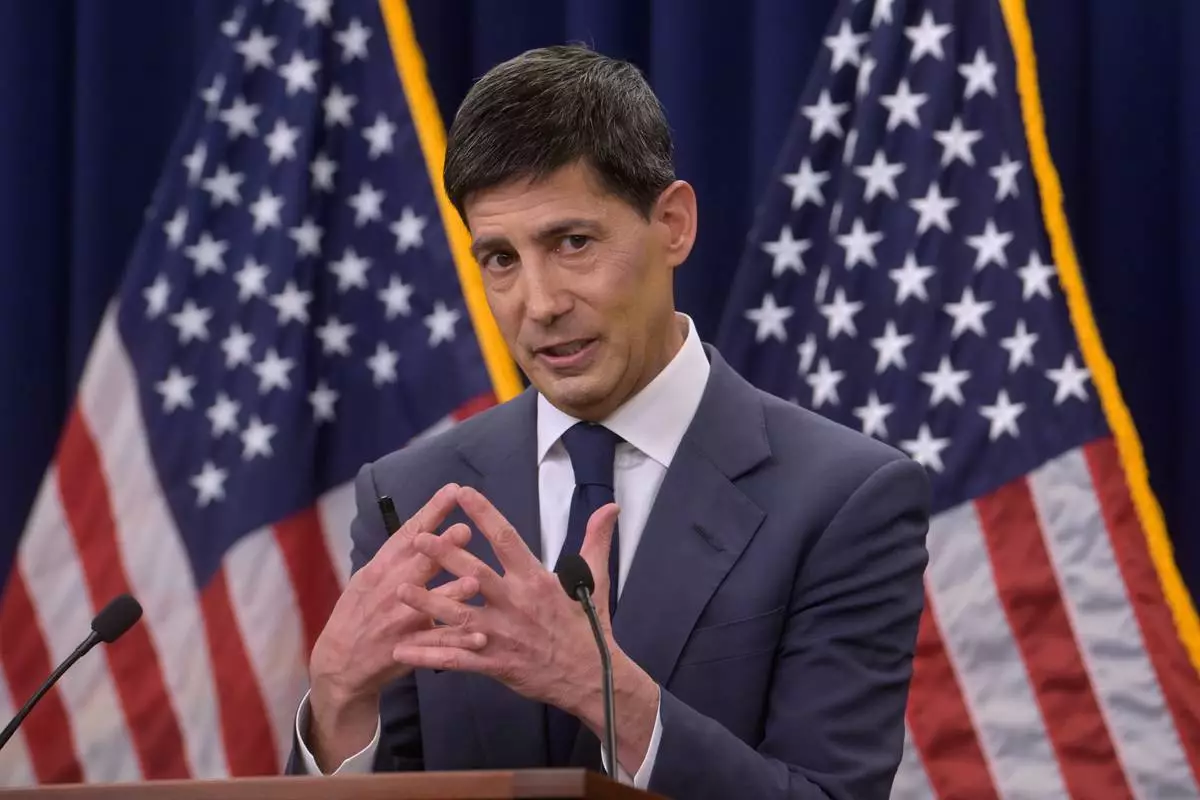
Federal Reserve Chairman Kevin Warsh speaks during a news conference following the Federal Open Market Committee meeting, Wednesday, June 17, 2025, in Washington. (AP Photo/Rod Lamkey, Jr.)
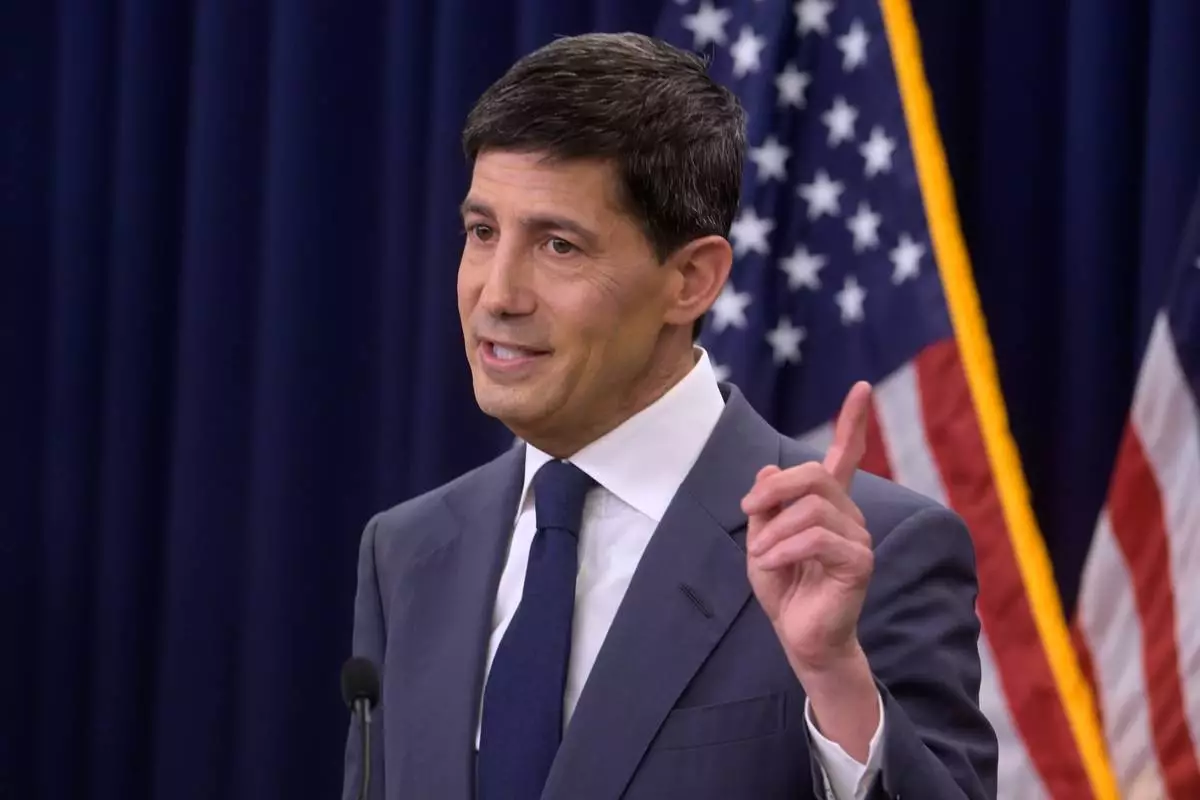
Federal Reserve Chairman Kevin Warsh speaks during a news conference following the Federal Open Market Committee meeting, Wednesday, June 17, 2025, in Washington. (AP Photo/Rod Lamkey, Jr.)