LONDON (AP) — New Zealand's most successful day on its tour of England was also its most wasteful on day one of The Oval test on Wednesday.
The Black Caps were an encouraging 291-7 at stumps but six of those wickets were gifted to England's most inexperienced bowling attack in decades.
Click to Gallery
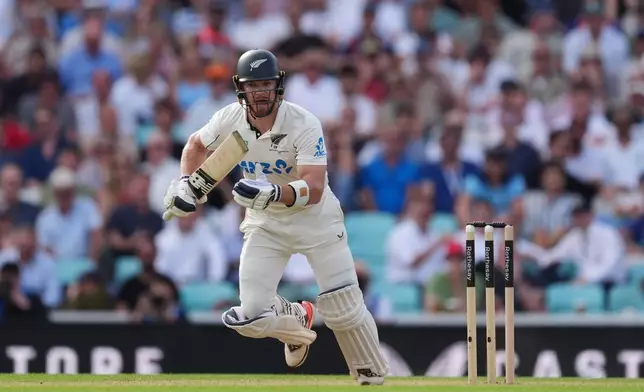
New Zealand's Glenn Phillips batting on day one of the second cricket test between England and New Zealand in London, Wednesday, June 17, 2026. (Ben Whitley/PA via AP)
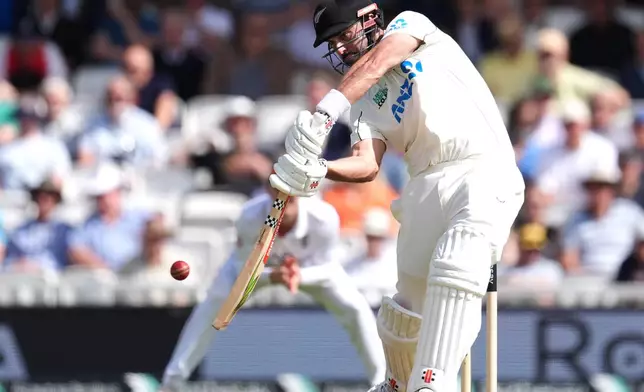
New Zealand's Daryl Mitchell in action on day one of the second cricket test between England and New Zealand in London, Wednesday, June 17, 2026. (Ben Whitley/PA via AP)
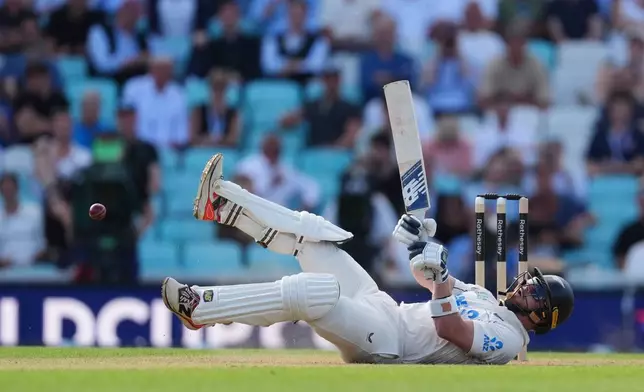
New Zealand's Glenn Phillips is hit by England's Jofra Archer bowl on day one of the second cricket test between England and New Zealand in London, Wednesday, June 17, 2026. (Ben Whitley/PA via AP)
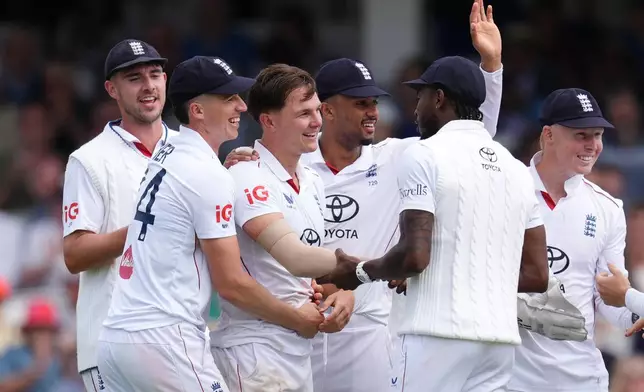
England's Sonny Baker, third left, celebrates taking the wicket of New Zealand's Rachin Ravindra on day one of the second cricket test between England and New Zealand in London, Wednesday, June 17, 2026. (Ben Whitley/PA via AP)
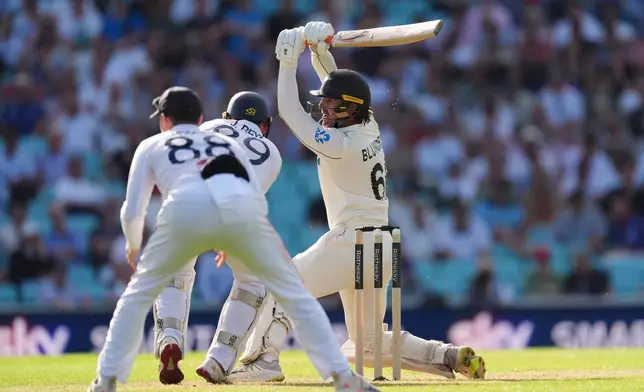
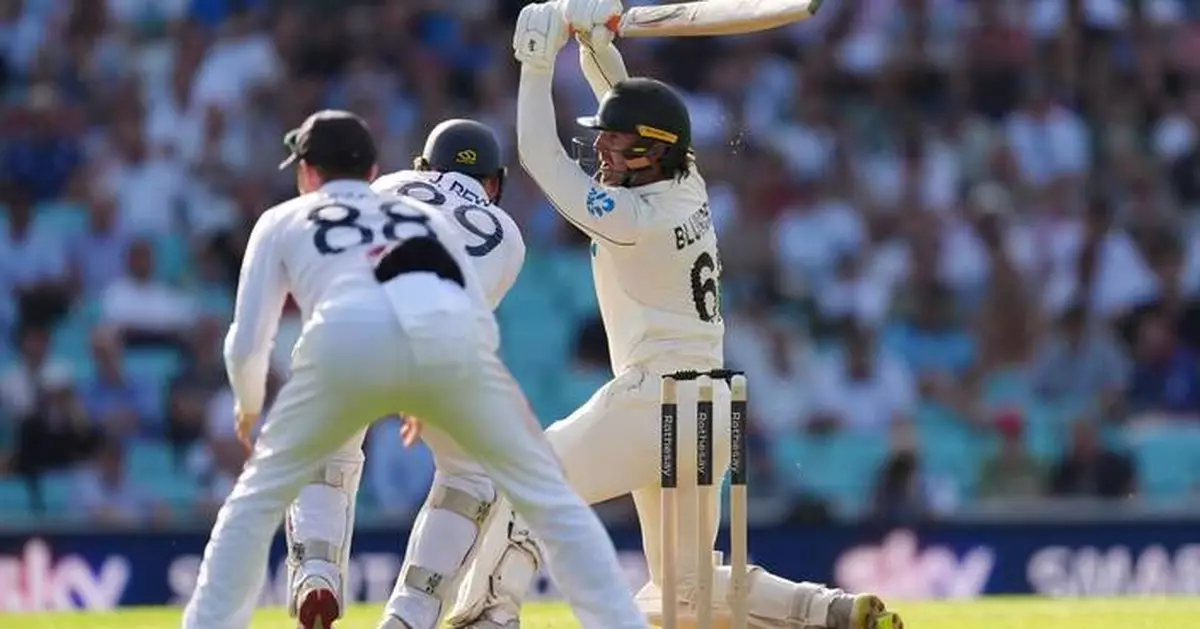
New Zealand's Tom Blundell batting on day one of the second cricket test between England and New Zealand in London, Wednesday, June 17, 2026. (Ben Whitley/PA via AP)
England is trying to clinch the three-match series after winning the first test at Lord's by 115 runs on a pitch that was rated “unsatisfactory."
New Zealand's batters still appeared to be scarred by that match. The likes of captain Tom Latham, Henry Nicholls — filling the No. 3 hole left by the retired Kane Williamson — Rachin Ravindra and Tom Blundell — the first Kiwi to score a fifty in the series — wasted solid starts on a pitch that lost its early spite as expected.
At stumps, Glenn Phillips, who was worked over by Jofra Archer in a dramatic last hour, was 49 not out with Kyle Jamieson on 6.
England's attack from Lord's was decimated by suspensions and injury, leaving Archer, playing his first test since before Christmas, to lead Josh Tongue, Matthew Fisher, playing his second test, and Sonny Baker, one of three debutants.
All impressed. They were fast and mostly tight, although the 44 extras given away were tied for the third highest score on New Zealand's board.
The depth of New Zealand’s largesse was proven by Jacob Bethell, the part-timer who bowled the first spin in the series and remarkably took 2-8 from five overs.
The lively Baker claimed Ravindra and Mitchell while Archer took only one wicket, but his last aggressive eight-over spell of 0-22 framed a last hour that roused a sleepy, packed crowd.
Phillips’ receipt of dark sunglasses seemed to set off Archer. In the same over, Phillips took a glancing blow to his right shoulder and appeared to be caught down the leg side. But Archer no-balled and replays showed bat didn't touch ball.
Archer kept drilling short balls and bouncers at a ducking and diving Phillips, who couldn't score off the bowler for 27 straight deliveries.
But Phillips helped New Zealand recover from surviving the first session and staying defensive until the middle of the day.
Standing in as England captain for the suspended Ben Stokes, Joe Root won the toss and hoped the rain that delayed the match start for a half hour could be exploited by his bowlers.
Devon Conway threw away his wicket at 14-1 by gloving a Fisher delivery down the leg side and giving an easy catch to debutant wicketkeeper James Rew.
Latham labored for 75 balls for 27 and the pitch was losing its bite and lunch was in sight when he tried turning Archer to the leg side but found a fat leading edge that Bethell at gully superbly snatched out of the air.
Straight after lunch Nicholls was out on 24 playing on against Josh Tongue and Ravindra cruised from 11 at lunch to 33. But in trying to guide the ball through third man, Ravindra gave a catch to Bethell at gully and Baker's maiden test wicket.
New Zealand finally began a fightback when Blundell joined Daryl Mitchell.
They looked nowhere near comfortable but their growing stand was ominous for England. Blundell and Mitchell were New Zealand's highest scorers on the last tour of England in 2022 and had the four highest partnerships for their team. They did it again with a stand of 81.
Mitchell was streaky, surviving a drop on 2 and an lbw appeal and video replay on 10. By tea he'd passed 1,000 career runs against England and was gone soon after on 44, miscuing Baker to short midwicket.
Blundell survived on 34 when Rew grassed a chance, and he reached 50 off 82 balls with just his sixth boundary. But his fifth 50 beside three centuries in 11 tests against England was squandered in the first over of spin in the series when he plunked Bethell straight to Root at short midwicket on 51. That ended a 75-run partnership with Phillips.
Another junk full toss by Bethell got Nathan Smith caught by Jordan Cox, the third England debutant, just before stumps.
Despite an extra half hour of play, England bowled only 77 overs.
AP cricket: https://apnews.com/hub/cricket
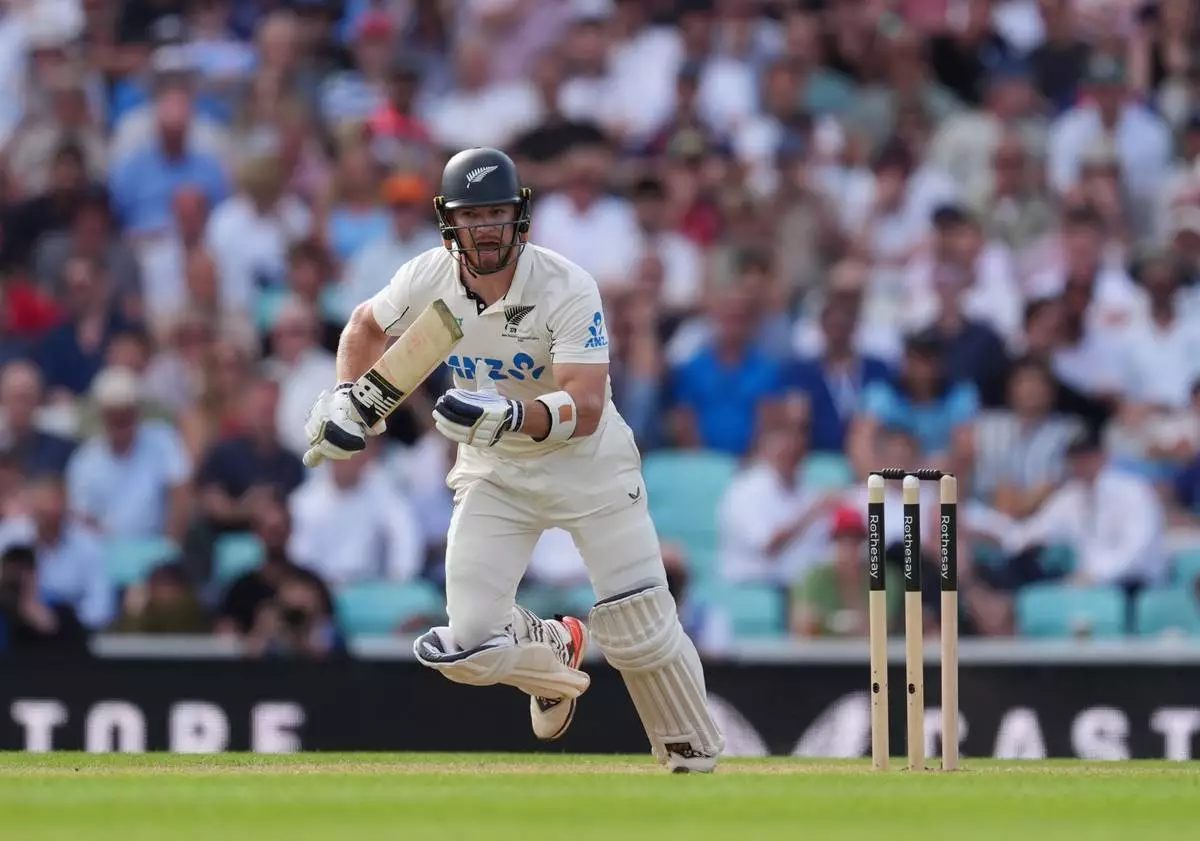
New Zealand's Glenn Phillips batting on day one of the second cricket test between England and New Zealand in London, Wednesday, June 17, 2026. (Ben Whitley/PA via AP)
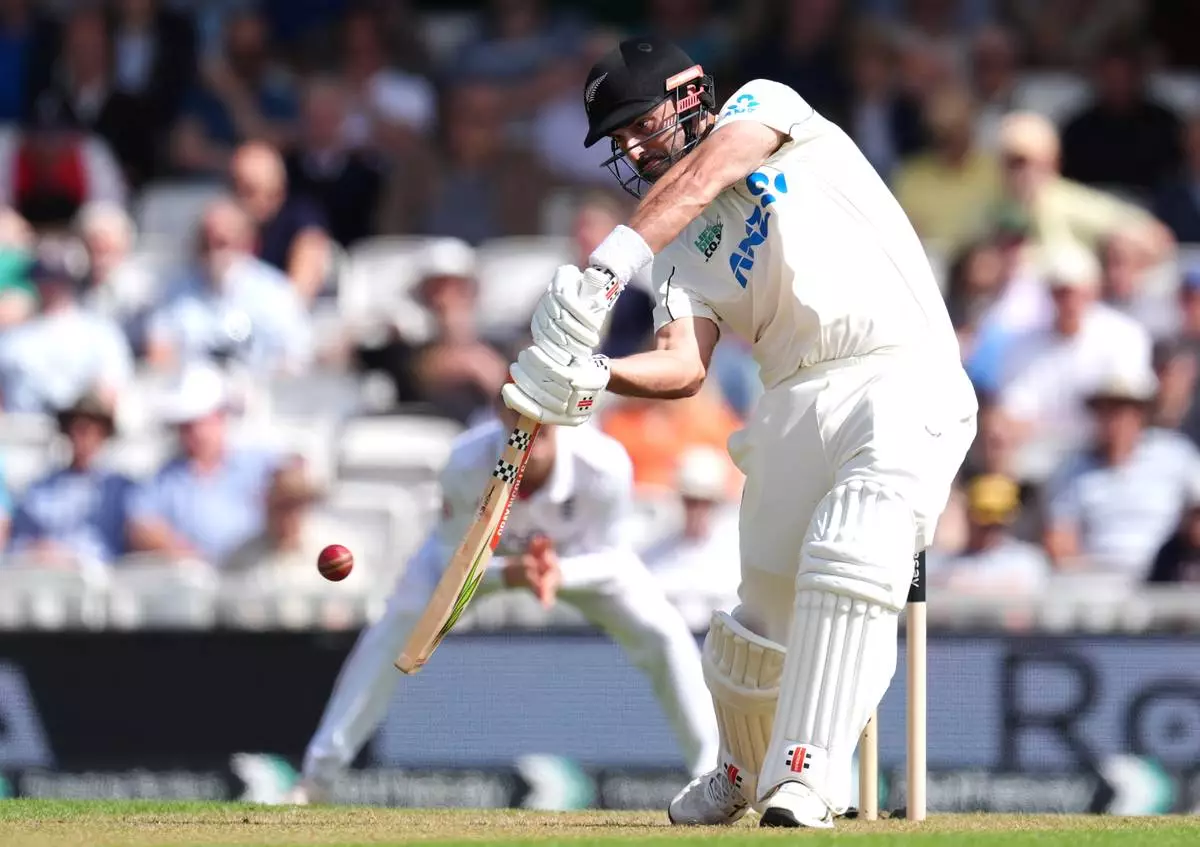
New Zealand's Daryl Mitchell in action on day one of the second cricket test between England and New Zealand in London, Wednesday, June 17, 2026. (Ben Whitley/PA via AP)
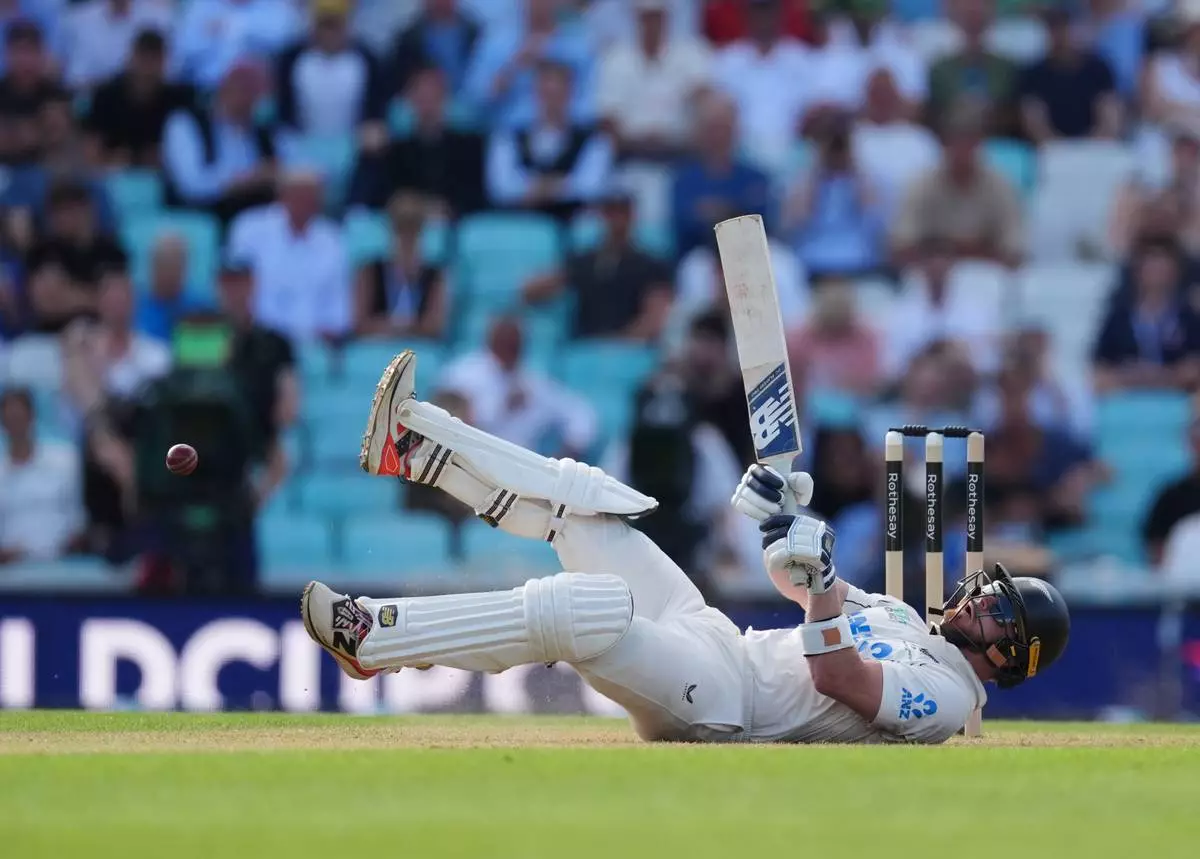
New Zealand's Glenn Phillips is hit by England's Jofra Archer bowl on day one of the second cricket test between England and New Zealand in London, Wednesday, June 17, 2026. (Ben Whitley/PA via AP)
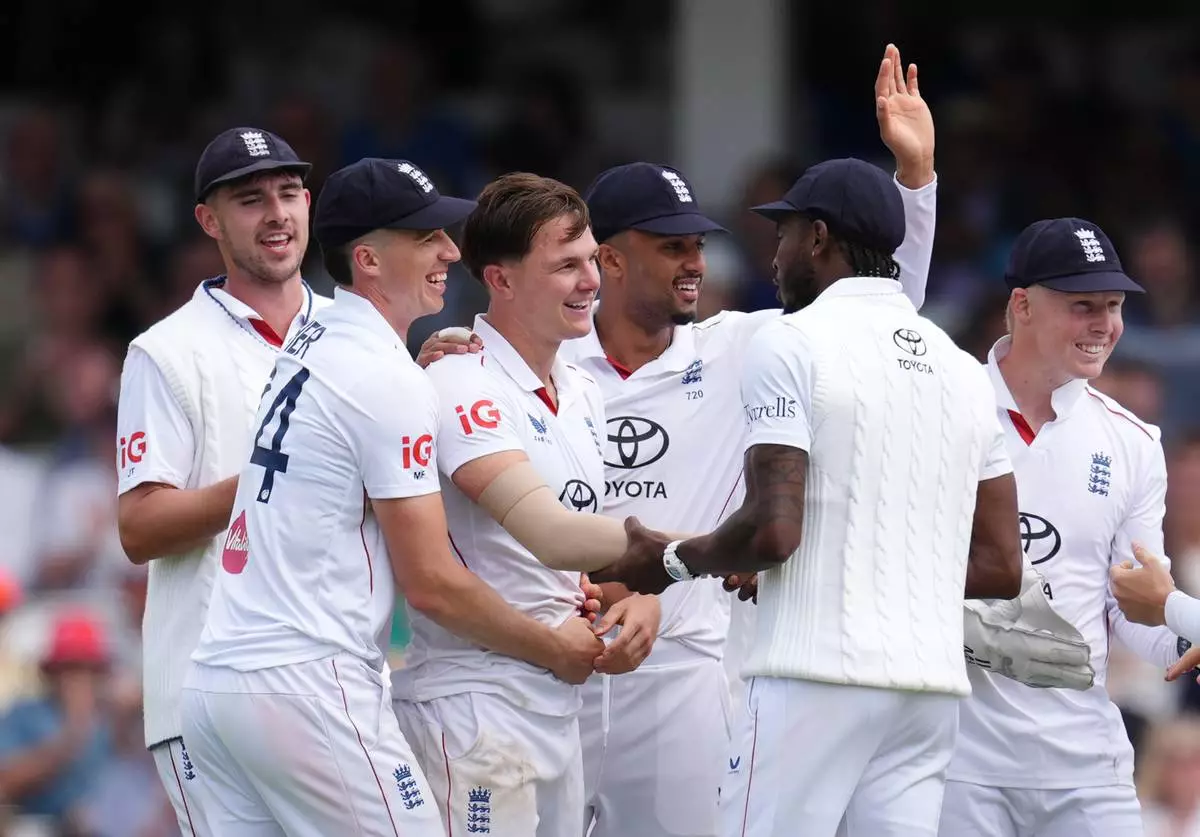
England's Sonny Baker, third left, celebrates taking the wicket of New Zealand's Rachin Ravindra on day one of the second cricket test between England and New Zealand in London, Wednesday, June 17, 2026. (Ben Whitley/PA via AP)
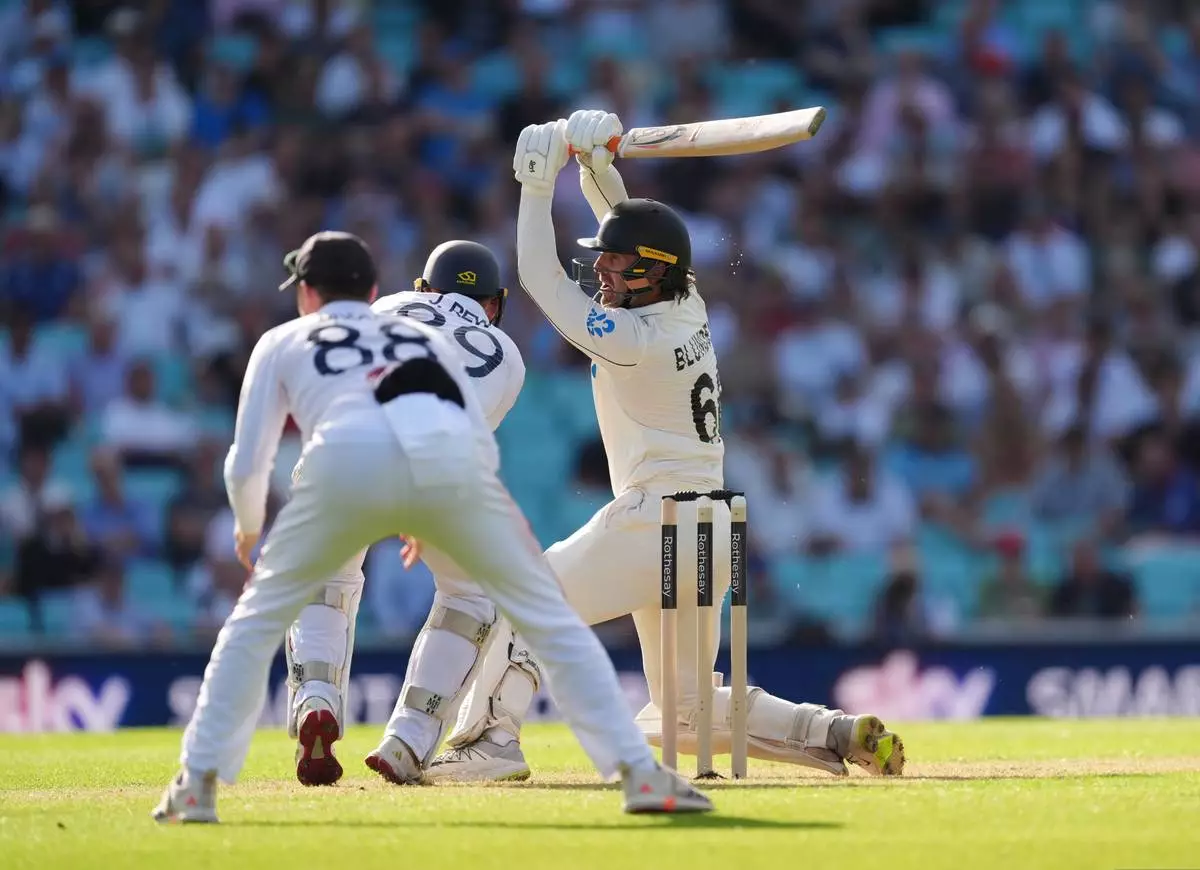
New Zealand's Tom Blundell batting on day one of the second cricket test between England and New Zealand in London, Wednesday, June 17, 2026. (Ben Whitley/PA via AP)