MILAN--(BUSINESS WIRE)--Jun 17, 2026--
WISE S.p.A., a pioneering medical device company specializing in advanced implantable electrodes for neuromonitoring, neuromodulation, and brain-computer interface (BCI), today announced the successful closing of an oversubscribed Series D financing round totaling €30 million. The round was joined by ENEA Tech and Biomedical, an Italian foundation dedicated to innovation and technology transfer in the biomedical sector, which enters WISE's investor base as a strategic partner. This final closing builds on the first closing of the round completed in June 2024, which included a venture debt facility from the European Investment Bank (EIB) supported by InvestEU, alongside an equity investment from new investor Wallaby S.p.A. — the family office of the Scagliarini family (GVS S.p.A.) — and existing financial partners New Frontier S.r.l., Eureka Venture SGR, and Indaco Ventures SGR.
This press release features multimedia. View the full release here: https://www.businesswire.com/news/home/20260615967453/en/
Accelerating the Heron® Lead to Clinical Adoption
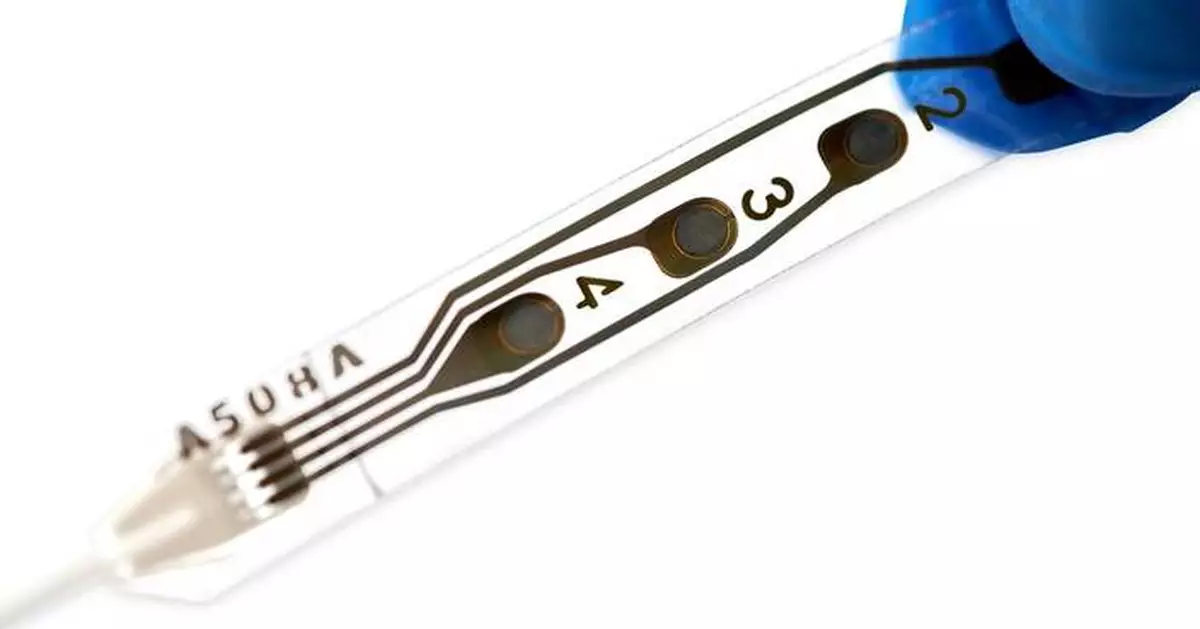
The primary use of the proceeds is to advance the development and clinical adoption of the Heron® lead, WISE's flagship product for spinal cord stimulation (SCS). The Heron® lead is the first SCS lead designed to deliver targeted, directional stimulation through a minimally invasive percutaneous implant technique — uniquely combining the therapeutic precision of surgical paddle leads with the lower procedural burden of cylindrical leads. This dual advantage translates into higher energy efficiency, better anatomical coverage, improved neural signal sensing, and reduced lead migration, representing a significant step forward in the treatment of chronic pain.
Proceeds will fund the Heron® lead’s regulatory certification pathway and first-in-human study, while also driving the commercial scale-up of WISE's full electrode portfolio across target markets.
A Differentiated Platform for Next-Generation Neurotechnology
WISE's proprietary Supersonic Technology enables the production of implantable electrodes and BCI systems consisting of stretchable electronic circuits integrated into ultra-thin elastomeric foils. Compared to conventional rigid electrodes, WISE's devices deliver superior tissue conformability, softness, and adhesion — qualities that are critical to both safety and therapeutic efficacy in neuromonitoring and neurostimulation applications. These unique characteristics of WISE's technology also enable enhanced precision in neural signal acquisition and stimulation, positioning WISE at the forefront of next-generation neural interfacing.
Alongside the Heron® lead, the round will support expanded commercialization of the WISE Cortical Strip (WCS®), the first soft, stretchable electrode for intraoperative neurophysiological monitoring (IONM) during brain tumor and epilepsy surgeries. The WCS® holds CE mark under MDR — the first cortical strip for IONM to achieve this certification — as well as FDA clearance and is commercially available in Europe, USA, and Australia.
Strengthening WISE's Governance
The round's closing also brings the appointment of Laura Iris Ferro as Chairperson of the company and the addition of Giuseppe Corvino to the Board of Directors. Laura Iris Ferro is one of the most prominent leaders in Italian and European biotech: founder of Gentium, a Nasdaq-listed company acquired in 2014 by Jazz Pharmaceuticals in a transaction worth approximately USD 1 billion, she is today President and co-founder of Bio4Dreams and holds leadership and investment roles across numerous innovative companies in the Life Sciences sector.
“The oversubscription of this Series D round is a testament to the strength of what our team has built — in technology, in medical research, and in our relationships with clinicians and partners,” said Luca Ravagnan, Chief Executive Officer of WISE. “Welcoming ENEA Tech and Biomedical into our investor base strengthens our mission to bring genuinely transformative neurotechnology to patients worldwide. With the Heron® lead, we are targeting a multi-billion-euro market with a product that addresses a long-lasting unmet clinical need. This financing gives us the resources to complete the journey from bench to bedside.”
“WISE represents a compelling convergence of advanced materials science, neuroscience, and clinical innovation,” commented Laura Iris Ferro, Chairperson of WISE. “Welcoming ENEA Tech and Biomedical on board is a testament to the strength of what WISE has built. I am proud to help the company scale its technology and bring high-impact solutions to patients with neurological conditions and chronic pain.”
About Wise Spa and Enea Tech and Biomedical
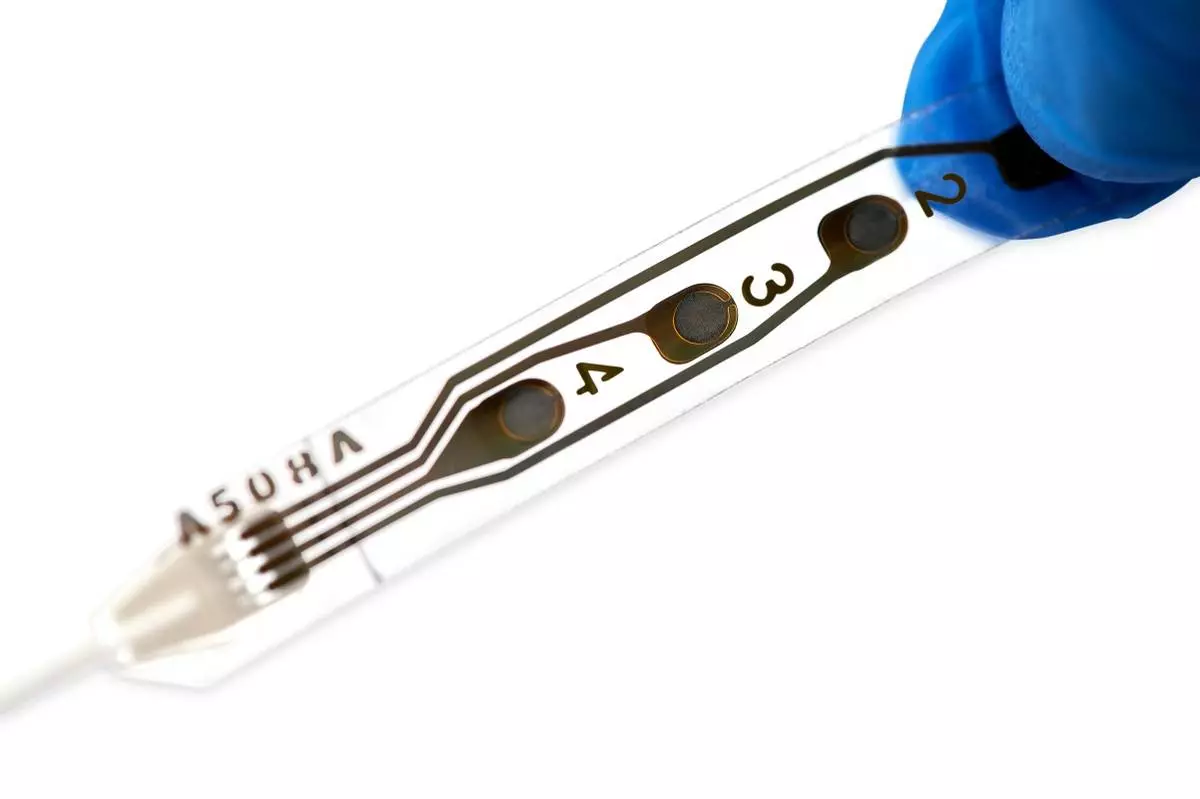
WCS: wise cortical strip
Associated Press (AP) — Ana Beatriz Bon Raggio is not persuaded by either left-leaning Brazilian President Luiz Inácio Lula da Silva or far-right Sen. Flávio Bolsonaro ahead of the second round of the presidential election on Oct. 25.
“The right mixes religion and faith, whereas I think those things should be separate, while (Lula’s) Workers’ Party has robbed the country,” said Bon Raggio, a 19-year-old studying theater in Rio de Janeiro, while walking around a shopping mall in downtown Rio. “I’m very undecided.”
Her distrust is rooted in history: Bolsonaro is under investigation for corruption and Lula was jailed for 19 months on corruption and money laundering charges that were later annulled. Bolsonaro’s father, former president Jair Bolsonaro, is currently serving a 27-year sentence for planning a coup after his 2022 defeat to Lula.
As the second round nears, both Lula and Bolsonaro are hyperfocused on winning over undecided voters such as Bon Raggio, as well as those who voted for one of the eliminated candidates in the first round. More than 33 million, or 21% of the electorate, did not go to the polls on Sunday.
The abstention percentage is the highest since 1998 for a first round. First-round non-voting has been slowly increasing since 2006, according to data from Brazil’s electoral court. Not voting in Brazil incurs a small fine as participation is mandatory for literate citizens aged 18 to 70.
“Abstention of 20% isn’t ideal,” said the president of Brazil’s electoral court, Kassio Nunes Marques, after Sunday’s vote. “The idea is to intensify and perfect all the available mechanisms to diminish this percentage in the second round.”
Neither Lula nor Bolsonaro received more than 50% during the first round on Sunday, and will now face each other in the runoff scheduled for Oct. 25.
Bolsonaro has at least two advantages: He received 2 million more votes than Lula on Sunday and the candidates who placed third, fourth and fifth — Augusto Cury, Renan Santos and Ronaldo Caiado — are all on the right of the political spectrum. Caiado, who garnered around 2.6 million votes, endorsed Bolsonaro on Tuesday. Cury and Santos have said they will not support either candidate.
Nearly six million people cast a blank or spoiled vote — including Alexandre Moreira, a 21-year-old university student. Ahead of the second round, he is also undecided, though he's leaning toward Lula because he believes the incumbent is open-minded.
“But things are more expensive, and I’m feeling it,” said Moreira, who works three part-time jobs to earn a living while studying.
He pointed to the rising price of gasoline, which has increased from 5 reais ($1) a liter in January 2023 to 6.54 reais ($1.31) in September 2026, according to Brazil’s National Agency for Petroleum, Natural Gas and Biofuels.
On Sunday, many lined up to cast their vote wearing either red hats and T-shirts — signaling support for Lula’s party — or the yellow and green of the Brazilian flag traditionally used by Bolsonaro's movement, reflecting the polarization gripping the country.
But others feel alienated, misrepresented and worn out by the opposing political forces, said Carolina Almeida de Paula, a political scientist from Rio de Janeiro State University.
“We talk a lot about polarization in Brazil, but we forget the higher percentage of people who don’t like this fight,” she said.
Brazil’s polling agency Datafolha predicted around 11% of people were undecided ahead of the first round. Around the same time in 2022, the Datafolha poll found just 2% were undecided.
Meri Oliveira, 62, is among those who won’t vote for either candidate in three weeks’ time. “Flávio Bolsonaro is as corrupt as Lula,” said Oliveira.
Oliveira called the current president “the biggest thief in Brazil” and referred to his stint in prison. She also decried Jair Bolsonaro’s misogynist comments and his handling of the pandemic, during which more than 700,000 people died in Brazil — the second-highest toll after the U.S.
Getting people to participate in the second round is difficult, Almeida de Paula said, adding that this year’s election campaigns have been atypically subdued after several scandals.
“We could see more mobilization ahead of the second round, which could bring many more votes. That could mean increasing votes for Bolsonaro or allowing Lula to turn the election around,” she said.
Bon Raggio, the theater student, said that if the vote were tomorrow, she would probably cast a blank ballot.
“Brazil’s situation is complicated; I don’t think it’s a good idea for either of them to govern,” she said. “But I could still change my mind.”
Follow AP’s coverage of Latin America and the Caribbean at https://apnews.com/hub/latin-america
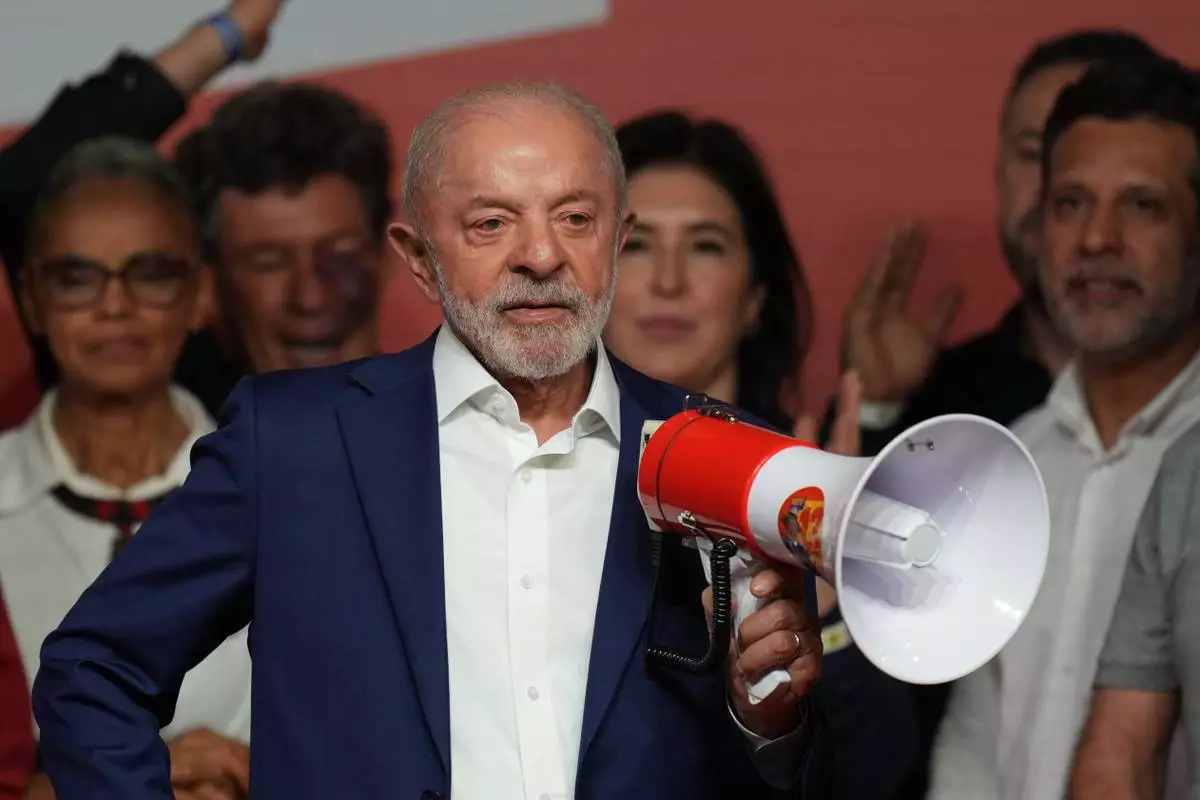
President Luiz Inacio Lula da Silva, who is running for reelection, addresses supporters after advancing to a presidential runoff following the first round in Sao Paulo, Brazil, Sunday, Oct. 4, 2026. (AP Photo/Andre Penner)
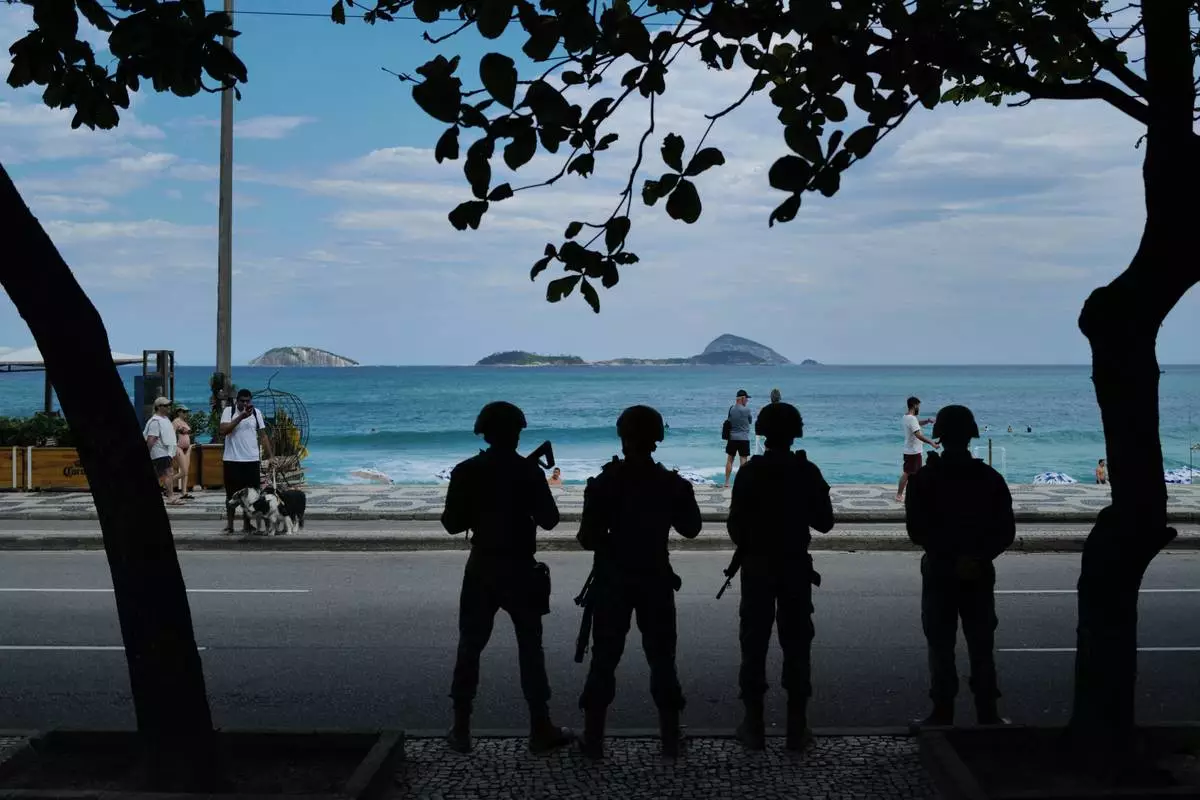
Soldiers stand guard during general elections in Leblon beach, Rio de Janeiro, Brazil, Sunday, Oct. 4, 2026. (AP Photo/Lucas Landau)
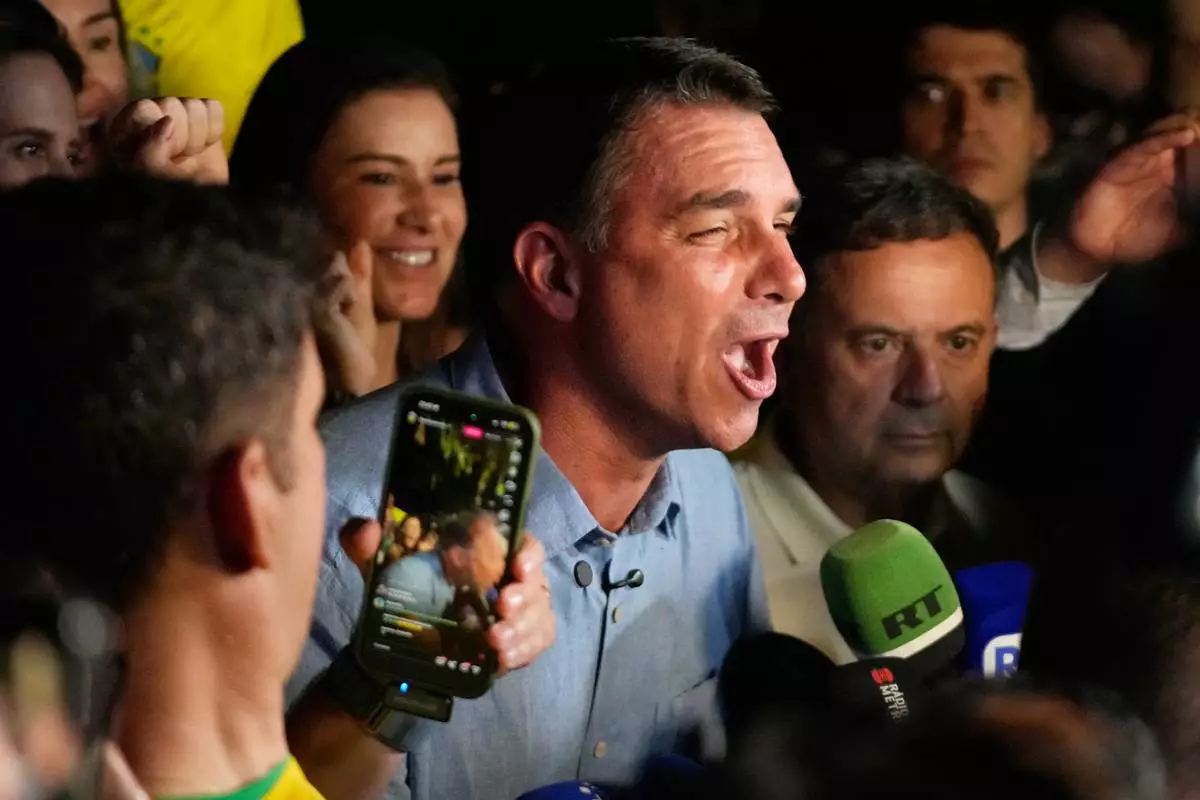
Opposition presidential candidate Sen. Flavio Bolsonaro speaks after advancing to a runoff election following the first round of the presidential election in Brasilia, Brazil, Sunday, Oct. 4, 2026. (AP Photo/Eraldo Peres)

People walk past campaign flags of Brazilian President Luiz Inacio Lula da Silva, who is running for reelection, and opposition presidential candidate Sen. Flavio Bolsonaro, the day after the general election in Rio de Janeiro, Monday, Oct. 5, 2026. The runoff election is set for Oct. 25. (AP Photo/Bruna Prado)

Voters line up at a polling station during general elections in Brasilia, Brazil, Sunday, Oct. 4, 2026. (AP Photo/Eraldo Peres)