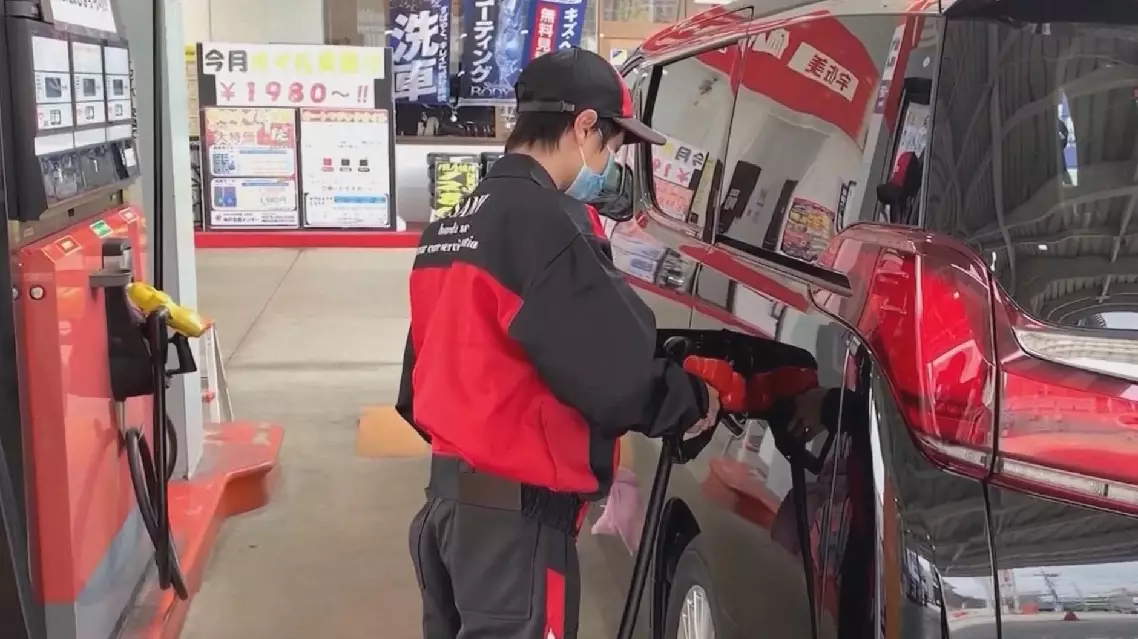
Japan's crude oil imports tumbled 57.3 percent year on year in May, the Japanese Ministry of Finance said on Wednesday, as Middle East tensions and disrupted shipping through the Strait of Hormuz choked off supplies.
Notably, according to data released by the ministry, Japan's oil imports from the Middle East fell 61.9 percent in May from a year earlier, while imports of light petroleum products -- including naphtha, a crucial raw material in refining -- from the region plunged by as much as 90 percent over the same period.
Given Japan's overwhelming reliance on Middle Eastern oil, and with regional conflicts driving prices higher, the Japanese government introduced a gasoline subsidy program in March to ease the burden on households and businesses.
Analysts warn that while the subsidies may keep gasoline prices in check for now, they come at high fiscal costs and are unlikely to be sustainable over the long haul. More fundamentally, the measure does little to address Japan's deep-seated structural vulnerability -- its heavy dependence on imported energy.
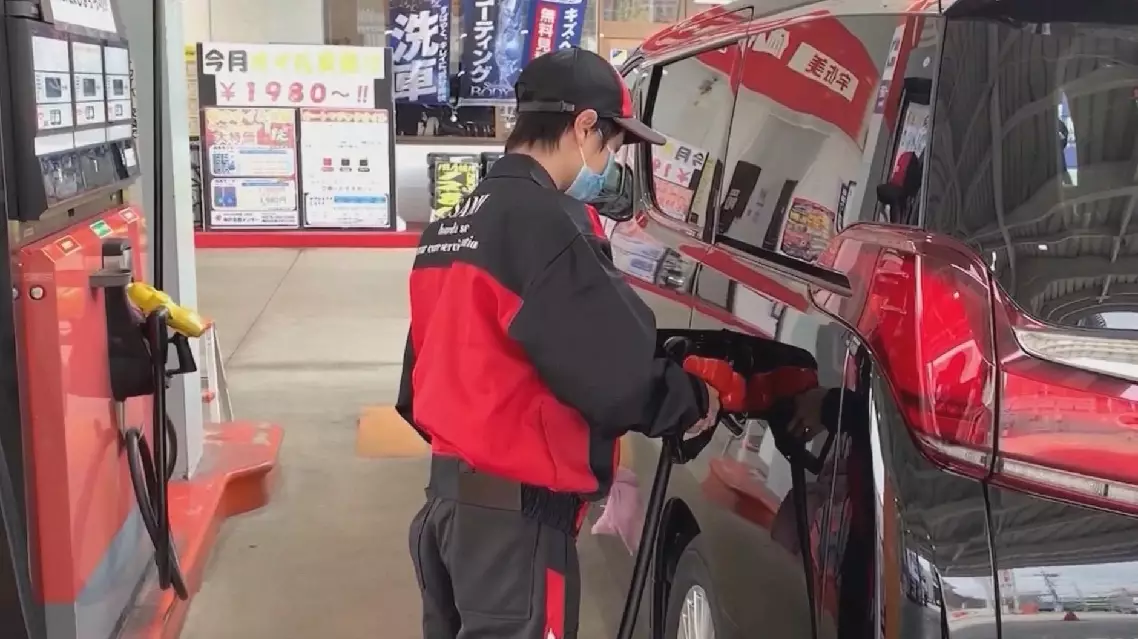
Japan's crude oil imports drop over 50 pct in May
Japan's crude oil imports drop over 50 pct in May
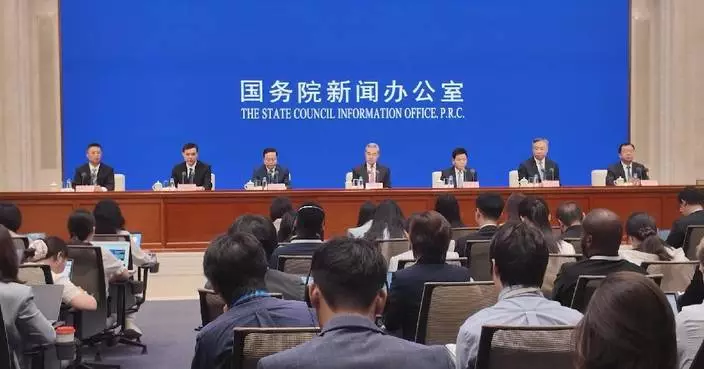
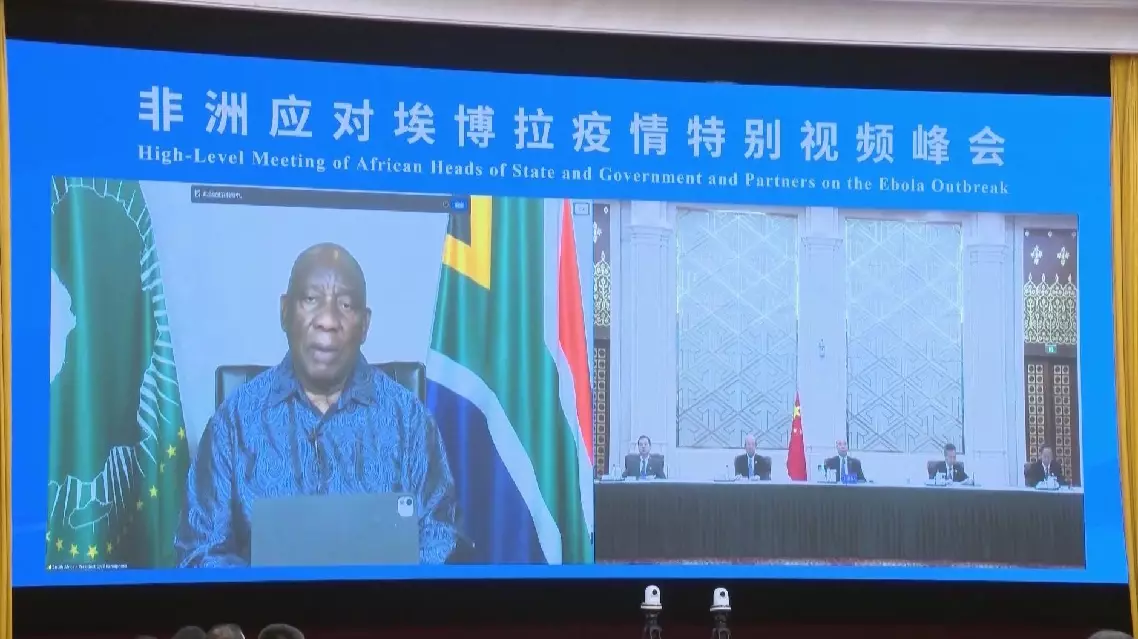
Chinese Vice Premier Liu Guozhong on Tuesday addressed the High-Level Meeting of African Heads of State and Government and Partners on the Ebola Disease Outbreak via video link.
Liu, also a member of the Political Bureau of the Communist Party of China Central Committee, said that the vision of building a community with a shared future for humanity and a global community of health for all has charted the course for international cooperation in fighting the pandemic.
Noting that China and Africa have always been a community with a shared future, Liu said China has provided emergency humanitarian assistance to the Democratic Republic of the Congo (DRC) and the African Union (AU), and dispatched medical expert teams to the DRC.
Meanwhile, nearly 1,000 Chinese medical professionals who are working in African countries stand side by side with local people in combating the disease, he said.
China stands ready to provide more medical support to Africa within the framework of the Forum on China-Africa Cooperation, and calls for the international community to enhance solidarity and cooperation to increase support for African countries, said Liu.
Burundian President and current Chairperson of the AU Evariste Ndayishimiye chaired the meeting. Heads of state and government from more than 10 African countries, including South Africa, Equatorial Guinea and Zimbabwe, attended the meeting. Representatives from international and regional organizations such as the World Health Organization and partners from outside the region also attended.
Chinese vice premier addresses high-level meeting on Ebola outbreak