China has reiterated its support for peace and stability in the Middle East and Gulf region, Foreign Ministry spokesman Lin Jian said at a press briefing in Beijing on Thursday.
Lin's remarks followed the signing earlier in the day of a Memorandum of Understanding (MoU) between the United States and Iran, endorsed by Pakistani Prime Minister Shehbaz Sharif in his role as mediator.
"China always supports realizing peace and stability in the Middle East and Gulf region, and welcomes the signing of the memorandum of understanding between the U.S. and Iran. As a comprehensive strategic partner of Iran, China stands ready to consolidate and deepen political mutual trust with Iran, enhance mutually-beneficial cooperation in various fields, and bring the China-Iran comprehensive strategic partnership forward," Lin said.
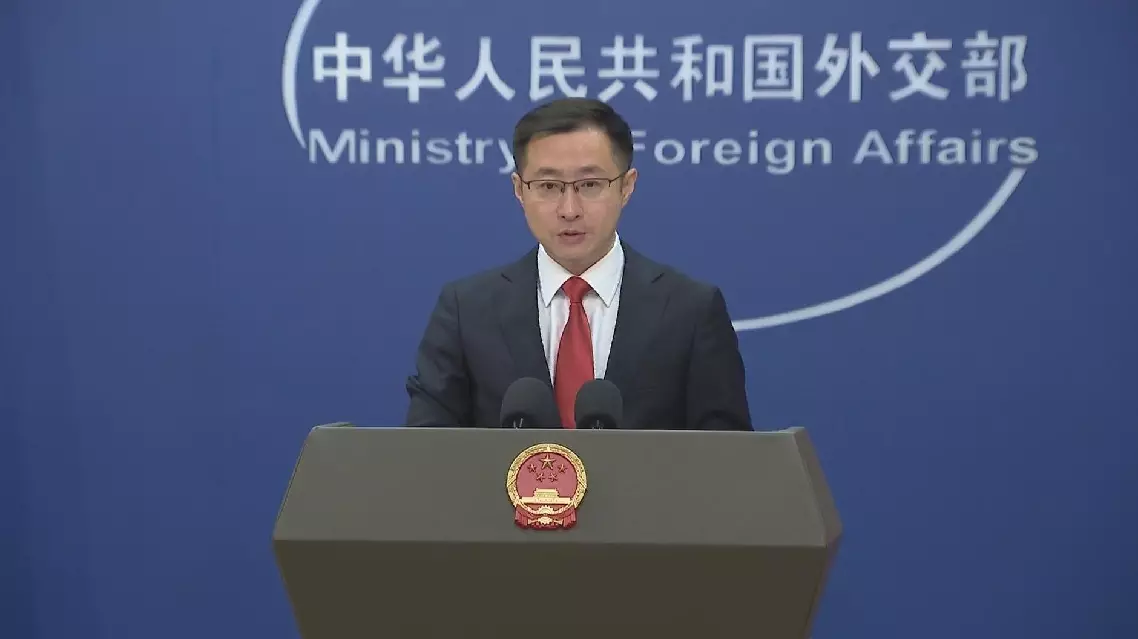
China reiterates support for peace, stability in Middle East, Gulf region
Danish pharmaceutical giant Novo Nordisk has announced plans to invest another 200 million yuan (about 29.6 million U.S. dollars) to expand its production lines in north China's Tianjin.
Sprawling across 220,000 square meters inside the Tianjin Economic-Technological Development Area, the Novo Nordisk Tianjin production site is one of the company's strategic global manufacturing hubs, supplying injection devices and finished pharmaceutical products to China and other markets.
The site has launched several expansion projects in recent years, steadily stepping up the production hub's capacity.
In an interview with China Central Television (CCTV), Novo Nordisk's president and CEO Mike Doustdar said the company is bullish on China's technological strength and market prospects, stressing its accelerated pace of investment in China in recent years.
"We just made a new announcement of extending the factory with another investment of 200 million yuan. Since 2003, we have invested 17 billion yuan and since 2023, we have invested 6 billion yuan. Sixty percent of the manufacturing basically goes to consumption here in China. Forty percent of the production is exported to the rest of the world," said Doustdar.
Beyond expanding production lines, Novo Nordisk also launched China Essentials, an innovation-support program, back in 2020, making it one of the first multinational pharmaceutical companies to carry out localized research and development and manufacturing in China.
The move reflects a broader shift. In recent years, many pharmaceutical companies have not limited themselves to setting up factories in China, rather, they have pivoted toward deeper research and development collaboration with local companies.
"I see it increasingly as fascinating and something the world cannot ignore. Forty-four percent of all new chemical entities that are introduced are actually made in China. Just a couple of years back, it was less than 30 percent. So it's really rapidly increasing," said Doustdar.
According to a report from Bloomberg, cooperation between Chinese and foreign pharmaceutical companies has seen explosive growth since 2026. As of the end of March this year, Chinese pharmaceutical companies accounted for 55 percent of global licensing deals, up from less than 10 percent in 2021.
The numbers show that China is no longer just a market where multinationals hope to sell their products. It is becoming a powerhouse to partner with and emerging as a key player in global pharmaceutical innovation.
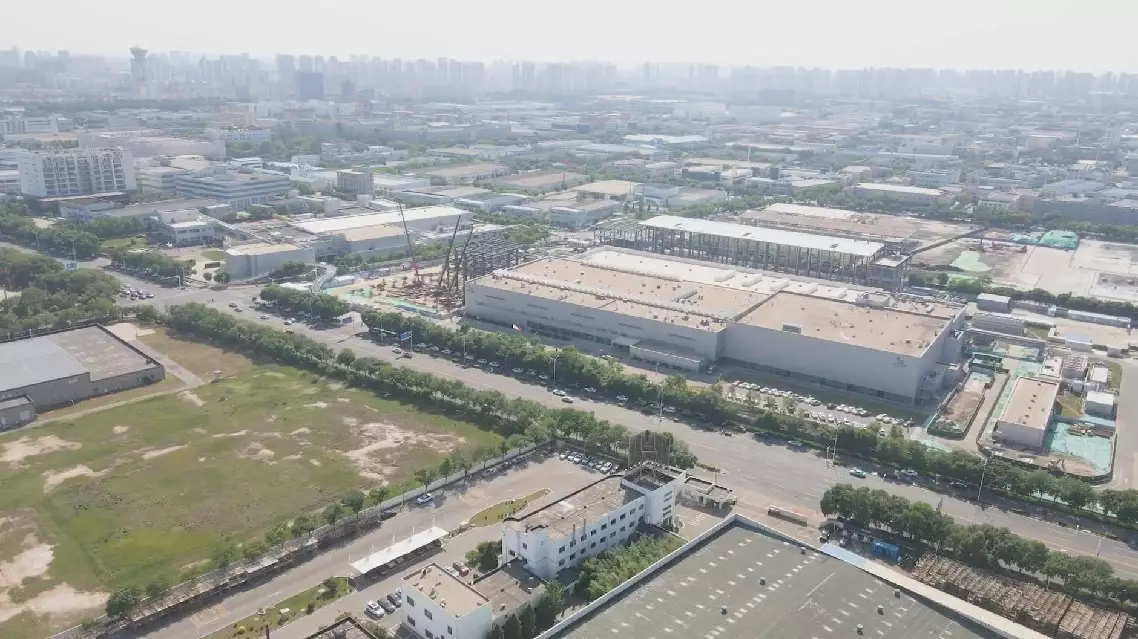
Novo Nordisk ramps up investment in China, highlighting country's technological strengths