Speech by CE at Asia Society Hong Kong Game Changer Award (with photos/video)
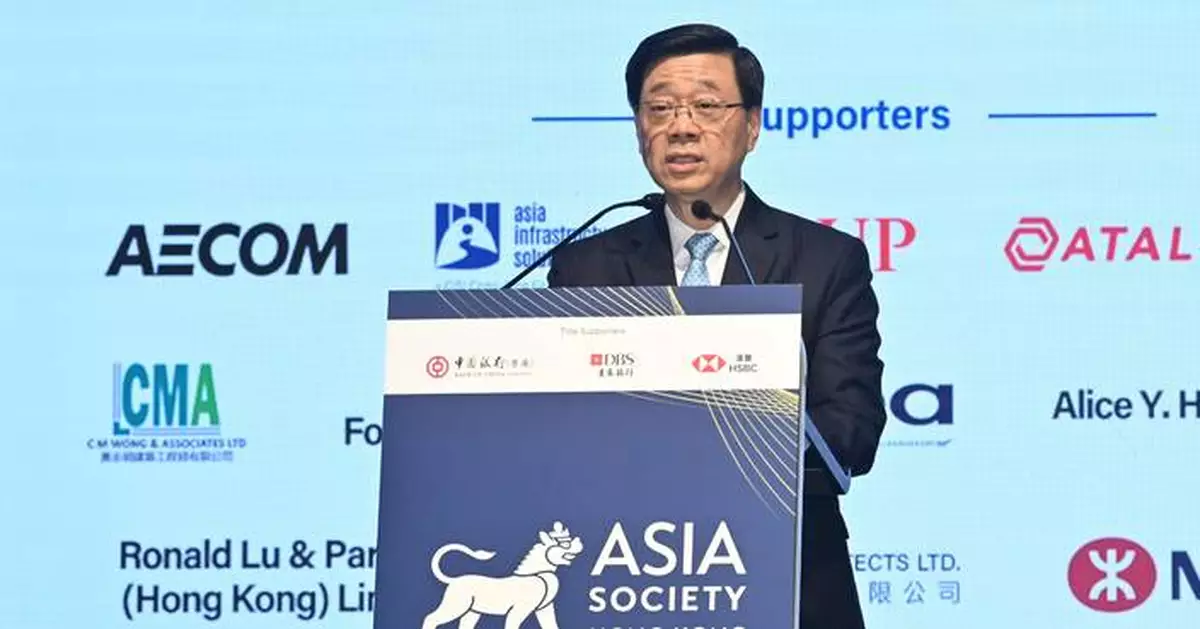
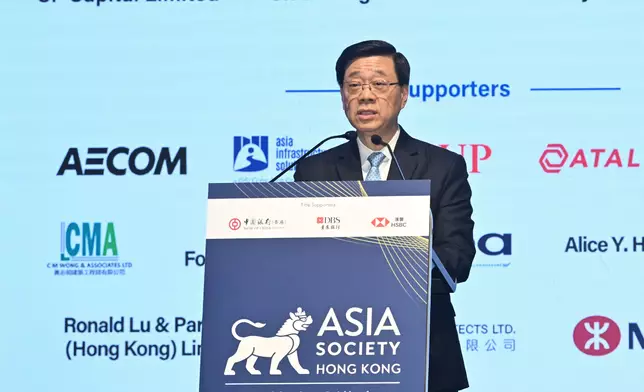
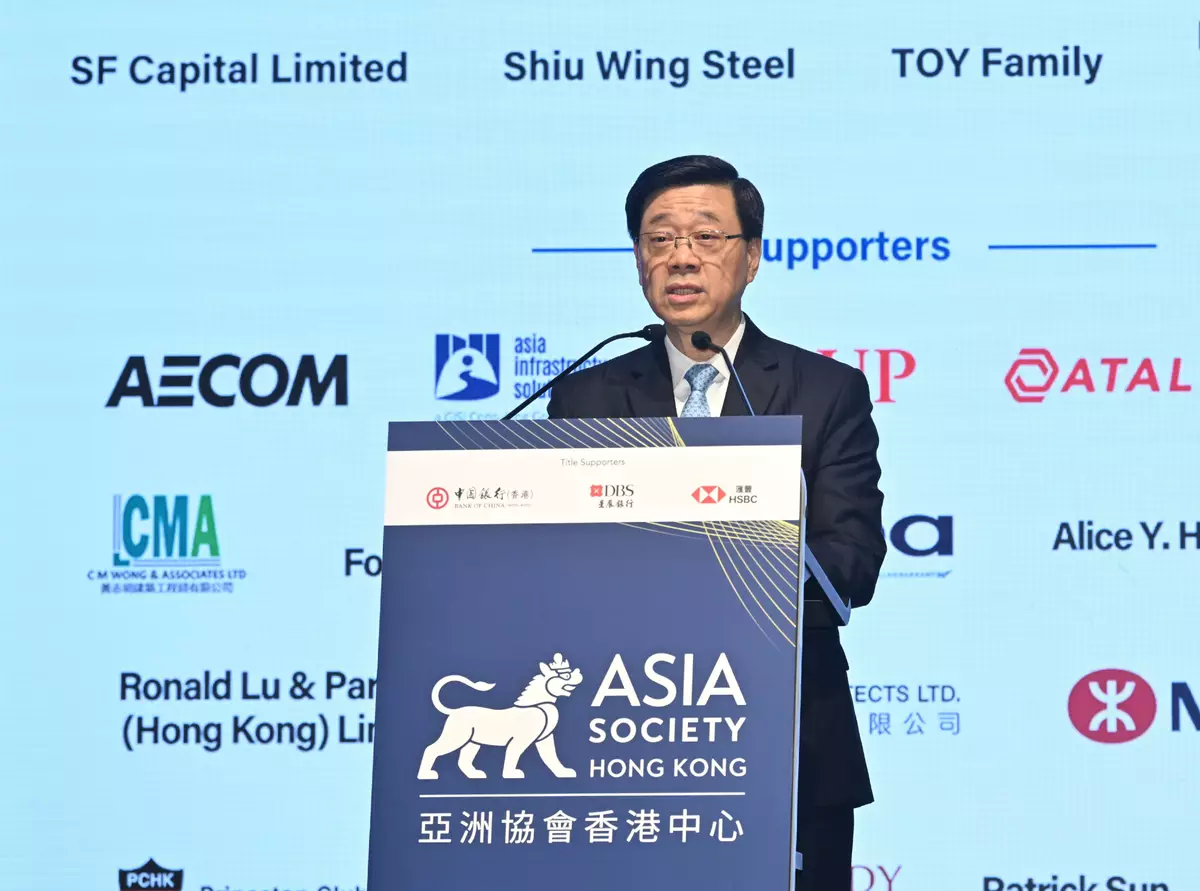
Following is the speech by the Chief Executive, Mr John Lee, at the Asia Society Hong Kong Game Changer Award today (June 18):
Click to Gallery

Source: AI-found images
Speech by CE at Asia Society Hong Kong Game Changer Award (with photos/video) Source: HKSAR Government Press Releases
Speech by CE at Asia Society Hong Kong Game Changer Award (with photos/video) Source: HKSAR Government Press Releases
Speech by CE at Asia Society Hong Kong Game Changer Award (with photos/video) Source: HKSAR Government Press Releases
Source: AI-found images
Deputy Commissioner Hua You (Deputy Commissioner of the Ministry of Foreign Affairs of the People's Republic of China in the Hong Kong Special Administrative Region), Chairman Ronnie Chan (Chairman of Asia Society Hong Kong Center), Sir Gordon Wu (Chairman of the Board of Hopewell Holdings Limited), distinguished guests, ladies and gentlemen,
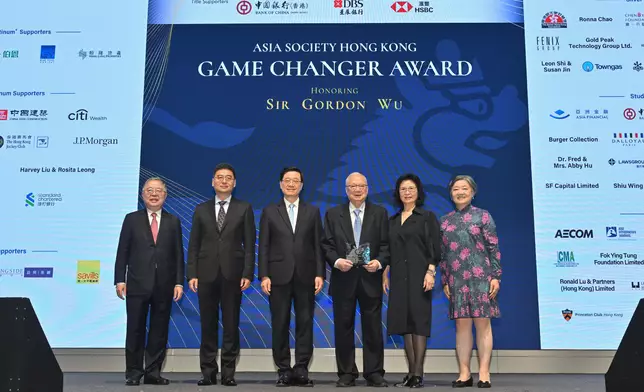
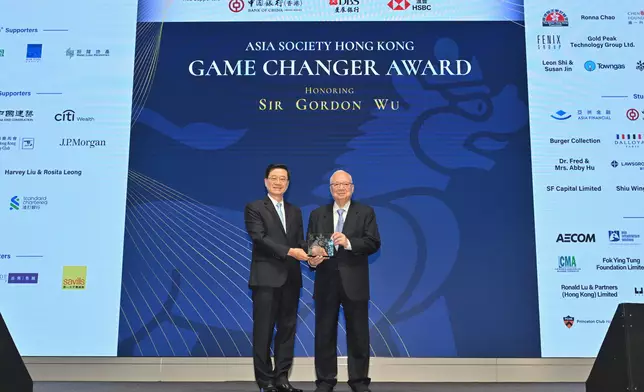
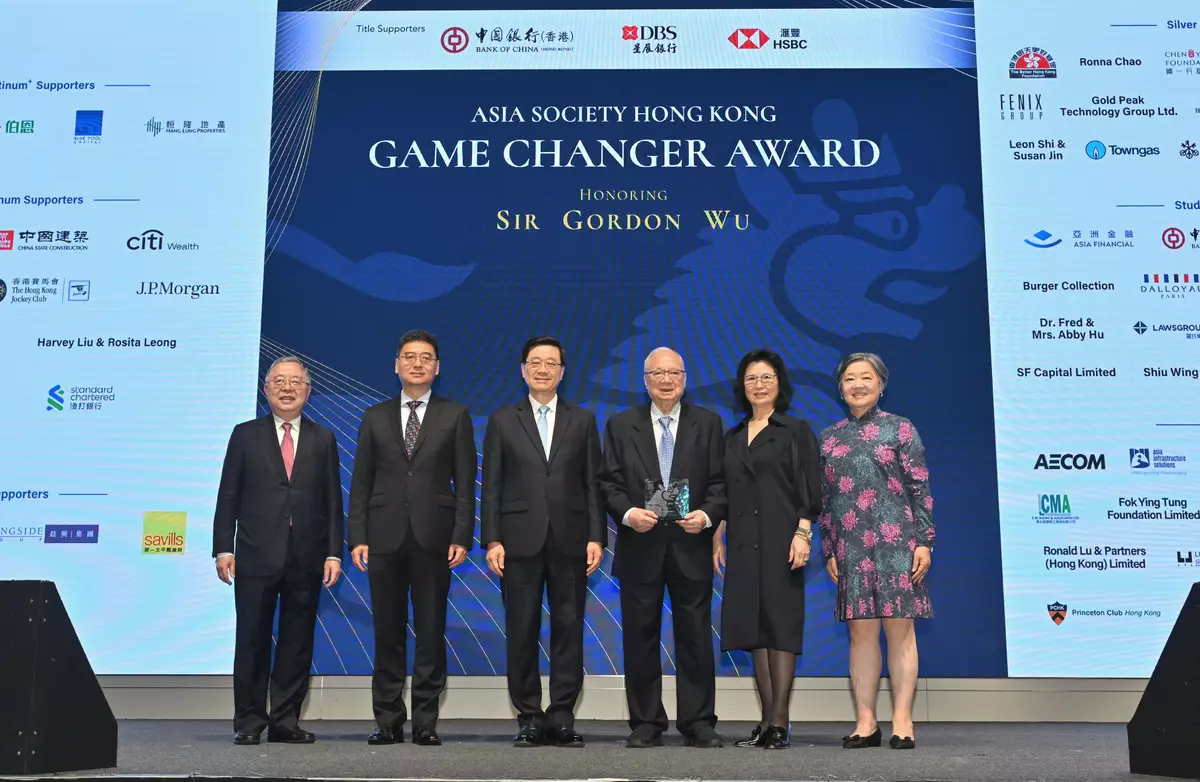
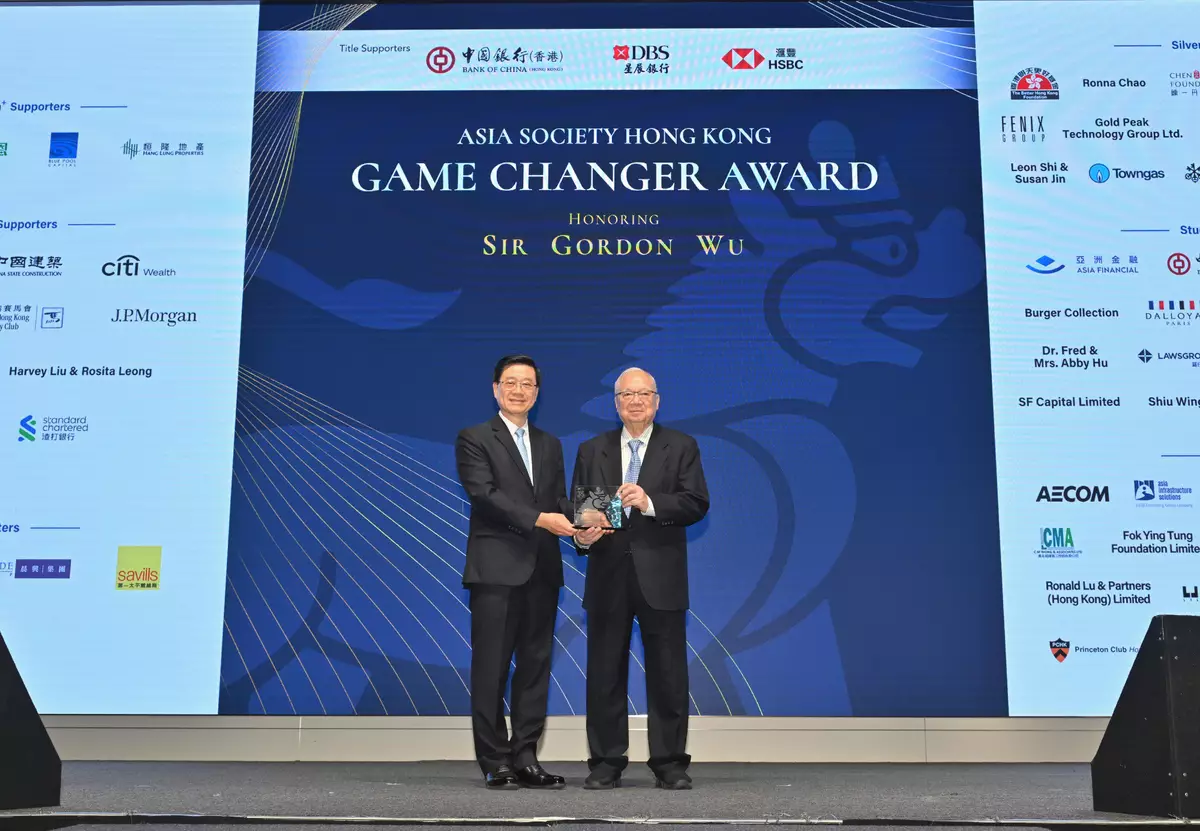
Good evening. I am very delighted to join you, tonight, for this very special occasion. We are here to honour Sir Gordon Wu, to present the founder and Chairman of Hopewell Holdings with the Asia Society Hong Kong Game Changer Award.This Award recognises the achievements of remarkable individuals, those who have established a singular connection with Hong Kong and an outstanding track record in advancing understanding of Asia through culture, ideas and innovation.
Sir Gordon is richly deserving this award. He is a visionary dedicated to promoting the economic development of Hong Kong, the Chinese Mainland, Southeast Asia, and beyond. More than advancing understanding, he has trailblazed connectivity. He builds bridges, roads, tunnels and infrastructure that bring people, cities, regions and countries together.
A pioneering believer in the boundless promise of our country, China, Sir Gordon has spearheaded countless critical infrastructure and construction projects on the Chinese Mainland.
His far-reaching enterprises have ranged from power stations serving millions in the Pearl River Delta region to Guangzhou's China Hotel, one of the country's first five-star hotels.
The China Hotel became China's first major development to incorporate the Build-Operate-Transfer model. Sir Gordon then applied this smart financing and delivery model to highways and power plants, laying a solid foundation for decades of infrastructure projects across the region.
One of the earliest advocates of the Hong Kong-Zhuhai-Macao Bridge, a lot of people may not know this, Sir Gordon should be immensely proud of its grand realisation. The Bridge has been instrumental in propelling the Greater Bay Area's economic development. No wonder Sir Gordon has earned his name as "King of Highways". Well deserving.
His public and community service in Hong Kong, the Chinese Mainland, the rest of Asia and the world beyond, is equally commendable. He has been Chairman of the then Hong Kong Port and Maritime Board, a member of the Hong Kong Trade Development Council, as well as the Commission on Strategic Development of Hong Kong and the Hong Kong Logistics Development Council, an advisor to the Urban Renewal Authority, and a great deal more. If I keep on repeating, you will not have time for dinner.
He has also been a member of the United Nations Association of China, the Chinese People's Political Consultative Conference, the World Bank's IFC Business Advisory Council and the APEC Business Advisory Council.
In 2004, Sir Gordon was awarded the Gold Bauhinia Star for his contributions to society and Hong Kong's logistics and maritime development.
This evening's tribute, and presentation of the Asia Society Hong Kong Game Changer Award, brings it all together. It is a much welcomed opportunity to honour Sir Gordon for a lifetime abounding in achievement.
And let me add — this comes at a proud moment for Hong Kong. Today, the International Institute for Management Development ranked our city second globally in competitiveness, up one place from last year and the highest since 2019.
Also today, the newly released QS World University Rankings ranked five of our universities in the world's top 100, with, for the first time ever, two Hong Kong universities ranked in the global top 20, and four in the top 50 for the first time in six years. I am glad that these two pieces of good news of Hong Kong add to the happy moment this evening of tonight’s award ceremony.
I know you all can't wait. Sir Gordon, this is your evening, congratulations. And to everyone here, I hope you have a memorable one. Thank you.
Source: AI-found images
Speech by CE at Asia Society Hong Kong Game Changer Award (with photos/video) Source: HKSAR Government Press Releases
Speech by CE at Asia Society Hong Kong Game Changer Award (with photos/video) Source: HKSAR Government Press Releases
Speech by CE at Asia Society Hong Kong Game Changer Award (with photos/video) Source: HKSAR Government Press Releases
Source: AI-found images