A Myanmar media figure on Thursday described Myanmar's president's state visit to China as a "milestone" that will not only bring the two governments closer but also deepen friendship between the two peoples.
President of Myanmar Min Aung Hlaing is on a state visit to China from June 15 to 19, at the invitation of Chinese President Xi Jinping.
During talks between the two leaders on Tuesday, they spoke highly of their bilateral friendship and witnessed the signing of multiple cooperation agreements covering areas such as transportation and people's livelihoods.
Shwe Yamin Oo, a presenter with Myanmar's One News channel, said in an interview with China Global Television Network (CGTN) that the visit was a milestone for bilateral ties.
"I believe this visit will strengthen not only government-to-government relations, but also the ties between the peoples of our two nations. So, from our media perspective, we view the state visit as a milestone trip that will not only bring our leaders closer but also deepen the friendship among the peoples of both nations, leading to greater future cooperation," she said.
Oo also highlighted the media's role in fostering people-to-people ties between Myanmar and China.
"For many years, Myanmar audiences have really enjoyed Chinese movies, TV shows and music. So right now, our main focus should be on exchanging news and information and sharing those stories with the people of both countries. Since Myanmar and China already have an active media partnership, we just need to keep this momentum going. We must also walk hand in hand to fight misinformation and ensure that positive and constructive news flows between our nations," she said.
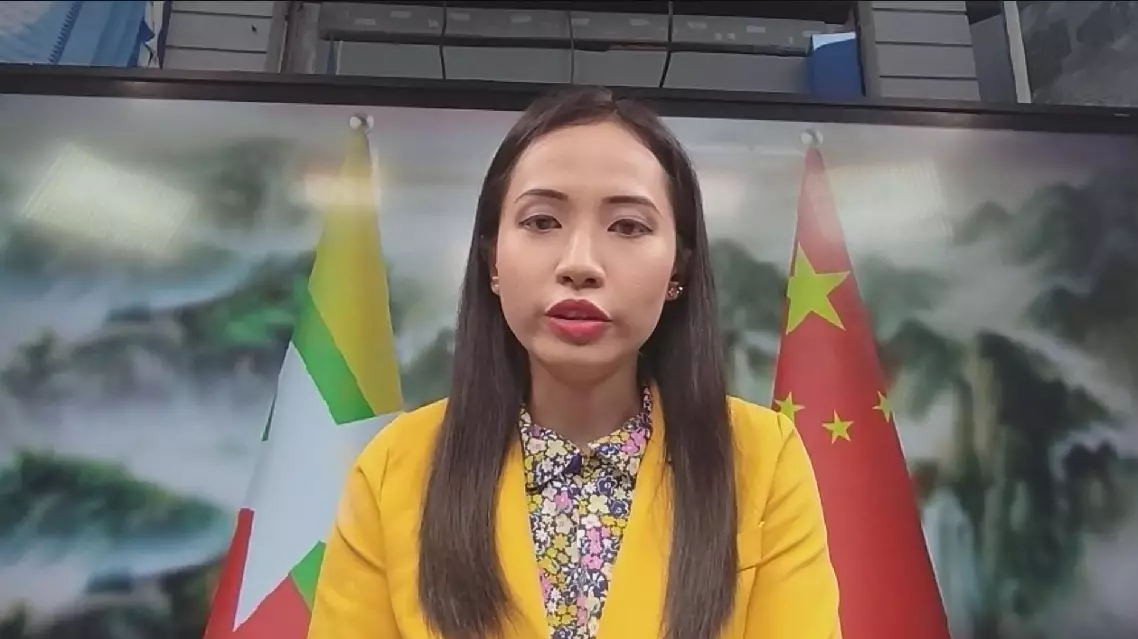
Myanmar media figure hails president's state visit to China as 'milestone' for bilateral ties
The number of confirmed Ebola cases in the Democratic Republic of the Congo (DR Congo) had risen to 896, including 232 deaths, the country's public health authorities said Thursday.
Twenty-one new confirmed cases, including six deaths, were reported Wednesday in the eastern provinces of Ituri and North Kivu, the health ministry said in its daily update.
The outbreak, caused by the Bundibugyo ebolavirus, has affected 33 health zones across three eastern provinces --Ituri, North Kivu and South Kivu.
Health authorities said 383 patients were either in isolation or hospitalized, while 78 patients had recovered, including 11 newly declared recoveries following negative control tests.
A total of 151 suspected cases, including 35 deaths, were also reported on Wednesday. Authorities said 6,367 contacts were under follow-up across the three provinces, of whom 4,525 were reached during the reporting period, representing a follow-up rate of 71.1 percent.
The report said the number of confirmed cases has continued to rise week by week, indicating ongoing community transmission. It also warned that rapid geographic spread remained possible if public health measures were not implemented swiftly.
The current outbreak, DR Congo's 17th Ebola outbreak, was officially declared on May 15.
The ongoing outbreak of the Bundibugyo strain of Ebola virus originated from a new spillover event from wildlife to humans rather than long-term latent transmission among the population, a joint scientific team from DR Congo and Uganda said on Thursday.
Genetic sequencing of the virus, conducted jointly by the Uganda National Health Laboratories and DR Congo's National Institute of Biomedical Research, confirmed that the current strain differs significantly from the genotypes responsible for the 2007 outbreak in Uganda and the 2012 outbreak in DR Congo.
The findings rule out the possibility that the current epidemic was triggered by a residual virus lurking dormant in human survivors from past outbreaks.
Researchers urged authorities to deepen cross-border epidemic prevention and control between DR Congo and Uganda, saying that cross-border cooperation is essential for tracking the transmission, reinforcing border screenings, and containing the wider spread of the virus.
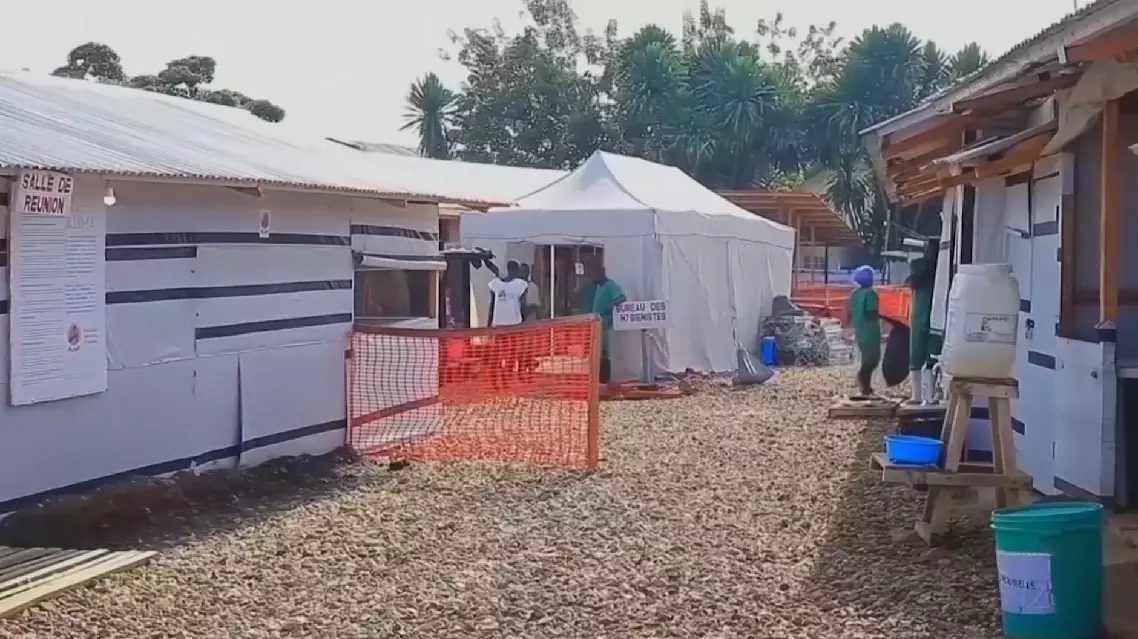
DR Congo's Ebola cases rise to 896: health authorities