DAKAR, Senegal (AP) — The Ebola outbreak in Congo and Uganda has claimed more than 200 lives in its first month and is the worst known outbreak at this stage, with up to 35,000 suspected potential contacts, Africa’s Centres for Disease Control and Prevention said on Thursday.
With 894 confirmed cases so far, the current outbreak is three times worse than a previous outbreak in Uganda in 2000, which had 281 cases at the same point, said Dr. Wessam Mankoula, a medical epidemiologist at Africa CDC.
Click to Gallery
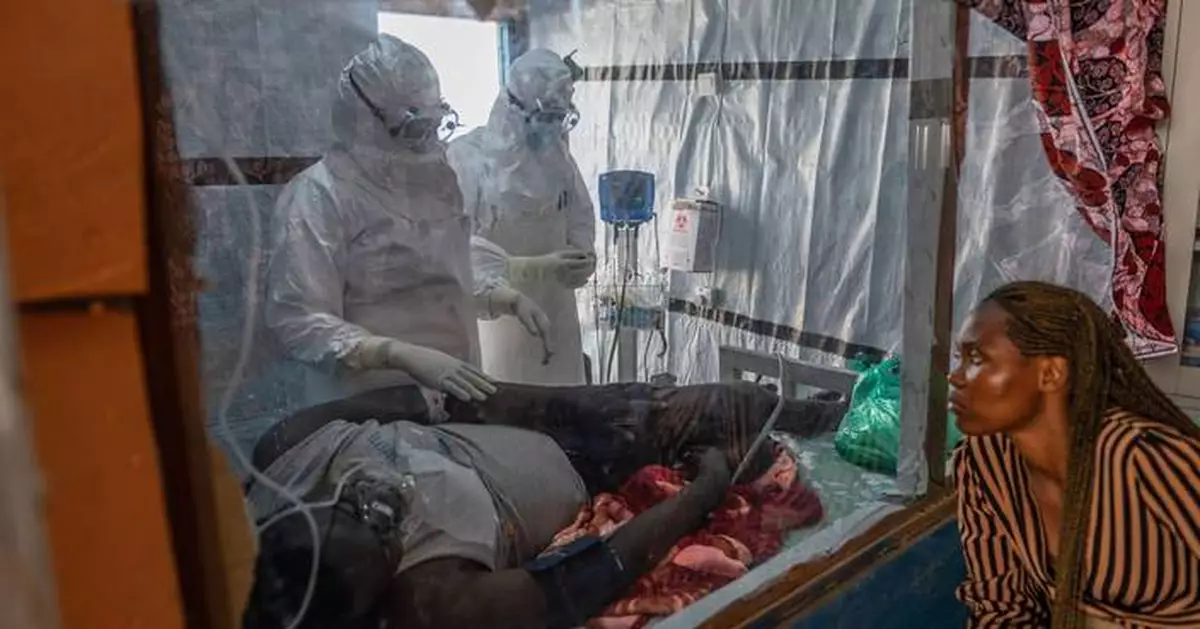
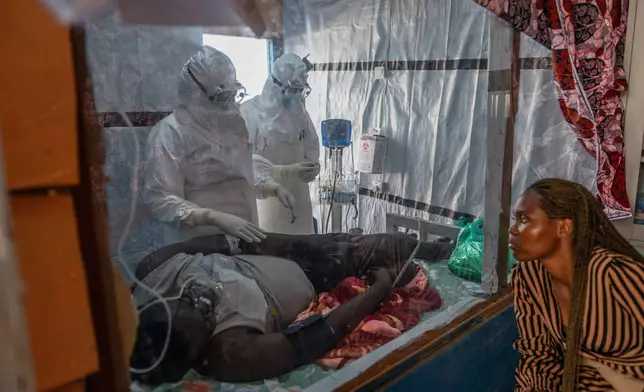
Health workers attend to an Ebola patient at the Rwampara treatment Center in Ituri, Congo, Thursday, June 18, 2026. (AP Photo/Moses Sawasawa)
Health workers attend to an Ebola patient at the Rwampara treatment Center in Ituri, Congo, Thursday, June 18, 2026. (AP Photo/Moses Sawasawa)
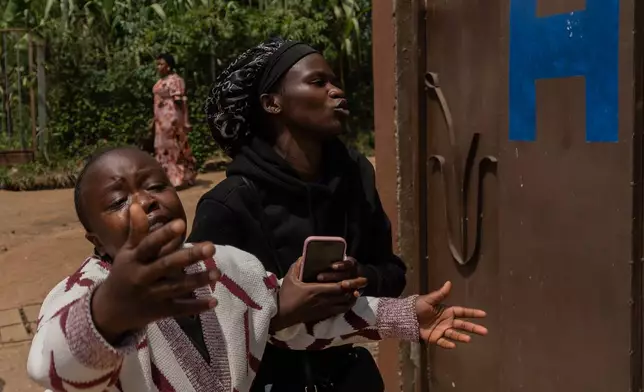
Relatives of Angèle Muyumba Nsimire, a university student who died of Ebola, react at the Citadelle Clinic as health workers prepare her body for burial in Bunia, Congo, Friday, June 12, 2026. (AP Photo/Moses Sawasawa)
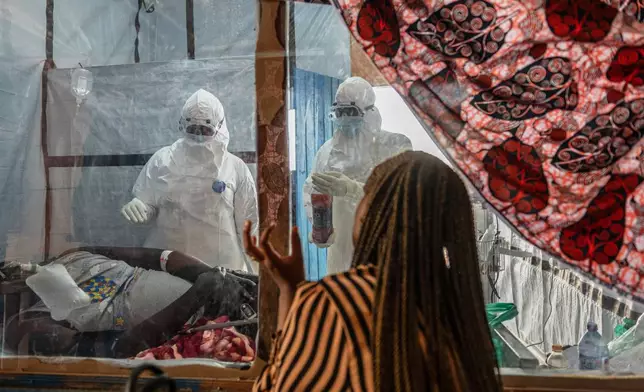
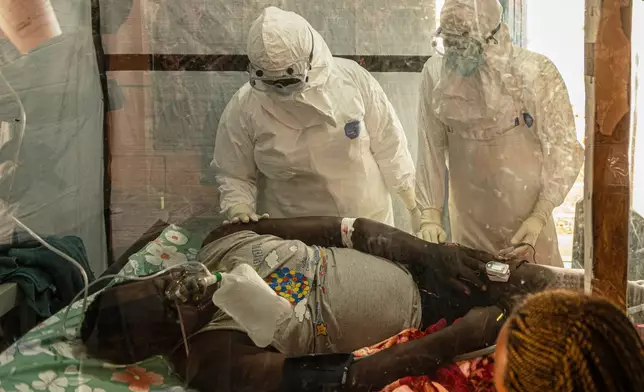
Health workers tend to an Ebola patient at the Rwampara Treatment Center in Ituri, Congo, Thursday, June 18, 2026. (AP Photo/Moses Sawasawa)
The latest number of cases is believed to be higher because the outbreak was confirmed on May 15, weeks after it was suspected to have begun. The number of cases has increased 38% since last week and is now in 32 health zones across eastern Congo, said Mankoula.
The outbreak is caused by the rare Bundibugyo virus, which has no approved vaccines or treatments and was not tested for in the early days. The more common Zaire virus, for which there is a vaccine, was responsible for most of Congo’s past 16 outbreaks of the disease.
So far 74 patients have recovered from the disease across eastern Congo and Uganda. Experimental treatments like monoclonal antibodies are being developed for Bundibugyo.
The outbreak is concentrated in Congo’s eastern province of Ituri, which accounts for more than 90% of the cases. Cases have also been recorded in the North Kivu and South Kivu provinces and have spread across the border to Uganda, where 19 confirmed cases have been reported and two people have died.
Contact tracing remains an issue due to the area's remoteness and ongoing insecurity in Ituri province, Dr. Mankoula said.
“For those 800 confirmed cases, we should have between 17,000 to 35,000 contacts that should be in our contact list,” said Mankoula. Currently only around 4,000 contacts have been tracked and are being evaluated, less than 15%.
“We are still far from controlling the situation of this outbreak,” said Mankoula.
Nearly a million people have been displaced by years of conflict in Ituri, according to the U.N. humanitarian office, making contact tracing difficult as people flee attacks or move frequently in the vast province with dense forests, poor roads and remote villages that can take days to reach.
Tracing is also difficult among the thousands of miners who regularly move among remote sites in the mineral-rich region.
Of the over $900 million pledged to fight the outbreak, only $90 million has been released to help fight the outbreak, further complicating the ongoing crisis, according to Mankoula.
Africa CDC estimates it needs 540 personnel to fight the outbreak and so far they only have 84.
“We’re keeping our fingers crossed those new pledges will be fast tracked, and we’ll be following up with different member states and different partners about their commitment to turn those pledges into actual money released to their affected countries or partners,” said Mankoula.
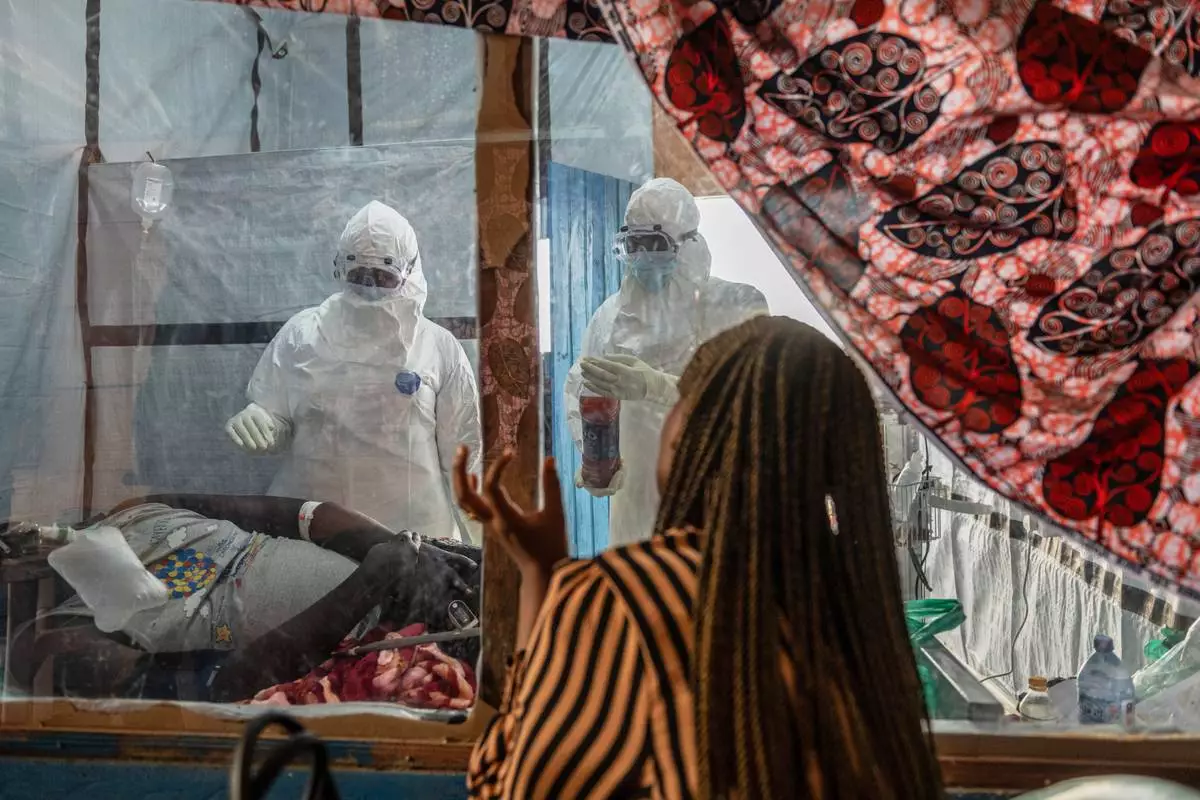
Health workers attend to an Ebola patient at the Rwampara treatment Center in Ituri, Congo, Thursday, June 18, 2026. (AP Photo/Moses Sawasawa)
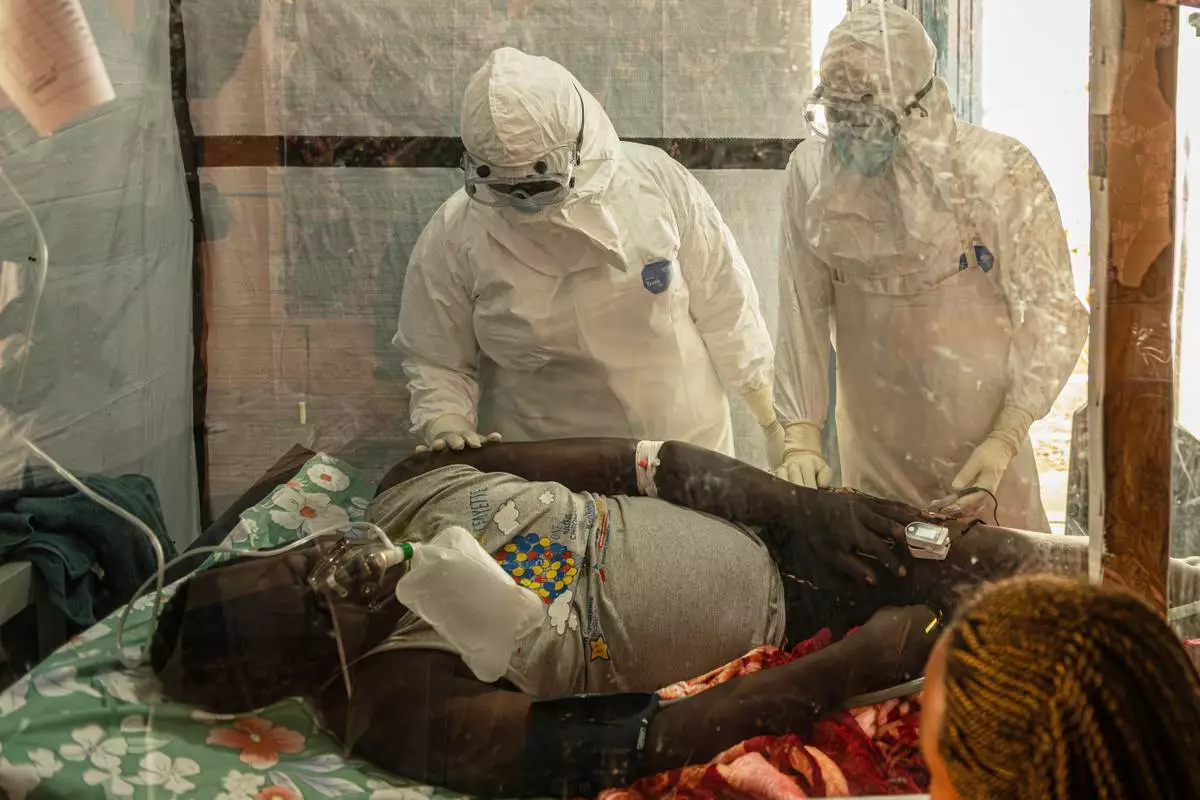
Health workers attend to an Ebola patient at the Rwampara treatment Center in Ituri, Congo, Thursday, June 18, 2026. (AP Photo/Moses Sawasawa)
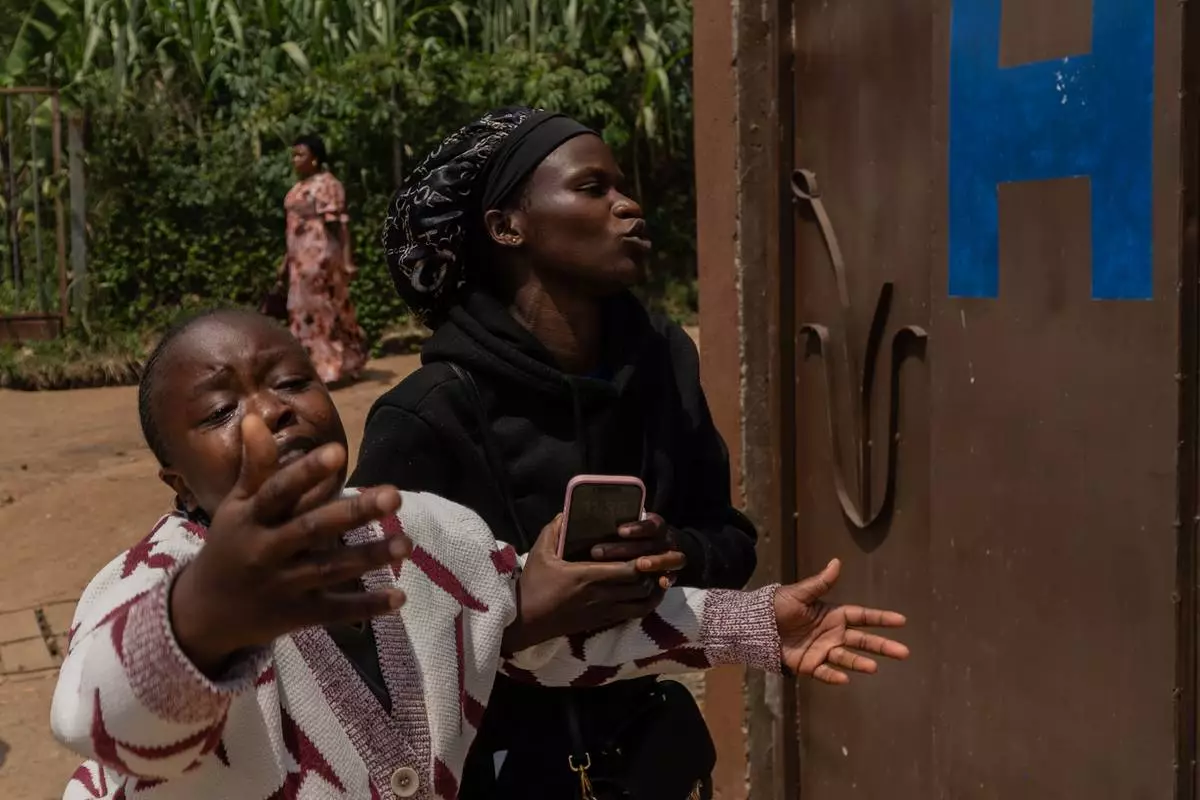
Relatives of Angèle Muyumba Nsimire, a university student who died of Ebola, react at the Citadelle Clinic as health workers prepare her body for burial in Bunia, Congo, Friday, June 12, 2026. (AP Photo/Moses Sawasawa)
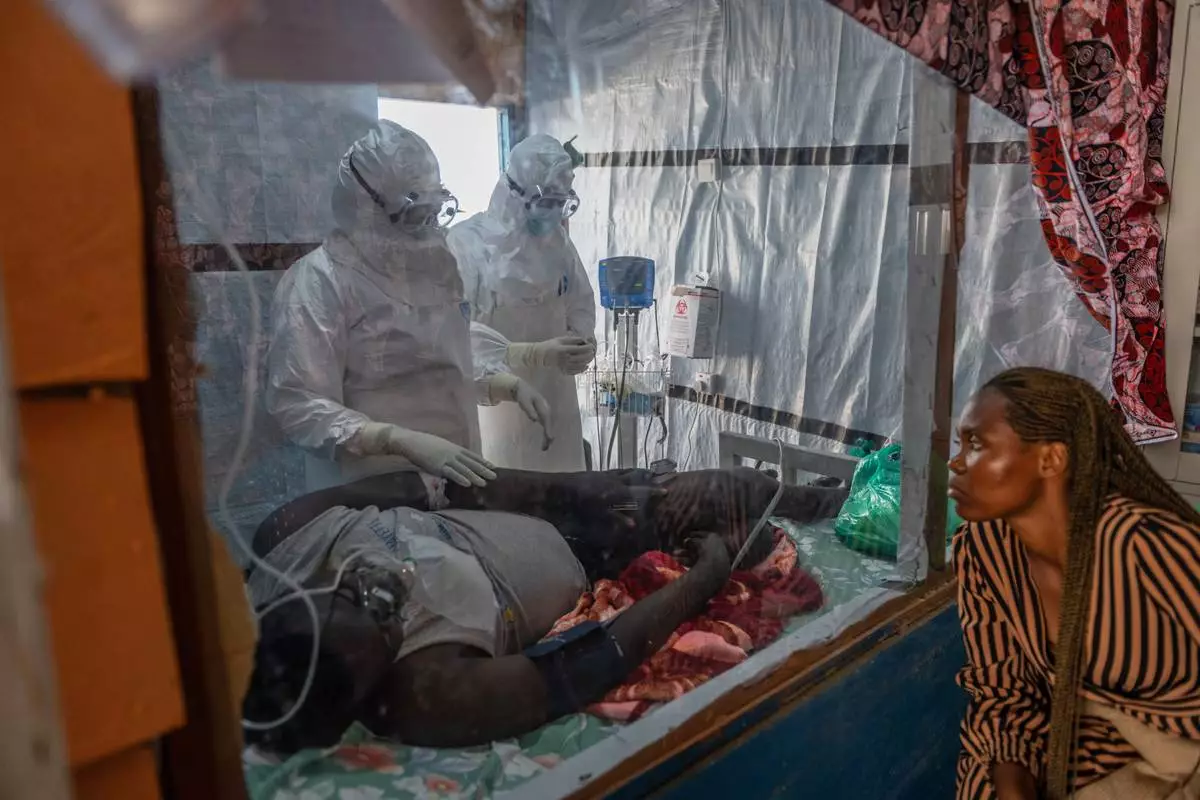
Health workers tend to an Ebola patient at the Rwampara Treatment Center in Ituri, Congo, Thursday, June 18, 2026. (AP Photo/Moses Sawasawa)
NEW YORK (AP) — The death of a young tourist who jumped from a runaway horse carriage in Central Park has intensified calls to ban the old-time attraction from one of New York City’s most recognizable destinations.
Romanch Mahajan, 18, died after he got off of the four-wheeled carriage as its horse sprinted through the park without the driver.
He is believed to be the first person to die in a horse carriage accident since they were introduced in Central Park more than 150 years ago, according to the labor union representing the industry, and the Central Park Conservancy, which manages the 843-acre (341-hectare) park.
The conservancy was among those arguing Thursday that the carriage industry should be suspended until more protections can be put in place. Mahajan’s death was the eighth horse-related incident in the park over the past 13 months, the group said.
“The record is undeniable: crashes, runaways, horse deaths, injuries, and now a devastating loss of human life,” said Edita Birnkrant, head of the animal welfare group New Yorkers for Clean, Livable, and Safe Streets.
Animal rights activists have long complained that the carriage horses are overworked, can get easily spooked on city streets and live in inadequate stables while their drivers regularly flaunt city rules.
The conservancy has argued that the carriages are a public safety hazard in the increasingly crowded park, noting that other U.S. cities, including Chicago and San Antonio, have also recently done away with the nostalgic rides.
But carriage industry leaders said the fatal crash underscores the need for better protections, not outright elimination of the quaint attraction that harkens back to a romanticized, bygone New York.
“We’re absolutely gutted and stunned by this tragedy,” said Alexander Kemp, a vice president with the Transport Workers Union Local 100, the labor union representing carriage drivers and owners. “We have shuttered the stables and ceased operations today while we have extensive internal discussions of safety protocols and how they can be improved.”
Horse carriages weren’t running Thursday and it was not immediately clear when the rides, which cost about $72 for the first 20 minutes, would resume.
The owner of the carriage involved in the fatal crash also suspended the driver indefinitely, and has plans to retire the horse from the business, according to the union. The driver had dismounted to take a photograph of his passengers, which they are not supposed to do.
Mahajan had been on a family trip celebrating his recent high school graduation when the family decided to take a relaxing ride on one of the park’s often photographed, richly decorated carriages.
His father, Deepak Mahajan, told The New York Times that the family had arrived from India on Monday, the same day Romanch learned he had been accepted to a university in Jaipur.
They had spent the trip visiting many of the city’s popular tourist attractions, including the Statue of Liberty and the Brooklyn Bridge.
The carriage driver hopped off to take a photograph of the family near a fountain when the horse suddenly bolted.
Romanch’s mother fell out of the carriage, and the teen jumped out in an attempt to save her, according to his father.
“He was screaming, ‘Mom!’” Deepak Mahajan recounted to the Times.
But Romanch hit his head on the ground before the carriage clipped another horse-drawn vehicle and eventually toppled over. The father, his wife and younger son escaped with minor injuries.
“This incident should be taken very seriously,” Mahajan said. “It took my son’s dream away.”
New York City leaders vowed to work swiftly to end the industry in the wake of Romanch's death.
City Council Speaker Julie Menin said the legislative body would hold a hearing next month on a long-simmering bill that would ban horse carriages and help drivers transition into new jobs.
Last year, the park conservancy revived debate over the carriages when, for the first time, it threw its support behind what’s known as Ryder’s Law.
“The time to act is now,” she wrote on the social platform X.
Mayor Zohran Mamdani also reiterated his support for ending the industry, saying he’d work with the council, the industry and animal welfare advocates to “deliver a just transition that protects workers while ending horse-drawn carriages in Central Park once and for all.”
Other recent mayors have made similar pronouncements. Mayor Bill de Blasio vowed to shut down the industry “on Day One" in office, only to come up against years of council opposition. Mayor Eric Adams, Mamdani’s predecessor, came out against the industry near the end of his lone, scandal-ridden term.
Onur Altintas, who owns four horses and a carriage operating in Central Park, was among those worried about an end to their livelihood. He said the industry provides hundreds of jobs to drivers, stable hands, farriers, and others in horse-related trades.
“We are sad about what happened. Nobody wants that. But it’s not like this is happening every day,” said Altintas. “Car crashes and plane crashes are happening every single day. One horse makes an accident, and the world is destroyed? Come on.”
The longtime owner and driver said the industry needs better regulations to make it safer. He said “90%” of horse-related accidents could be avoided simply by installing hitching posts throughout the park so drivers could safely tether and secure their horses, including at popular tourist photo stops.
The Transport Workers Union on Thursday said legislation recently introduced into the council would do just that.
“Drivers can’t leave their carriage. They have to be on it all the time,” Altintas said. “But it’s impossible. We have to go to the restroom. We have to eat. We have to do things.”
Ramer reported from Concord, New Hampshire.
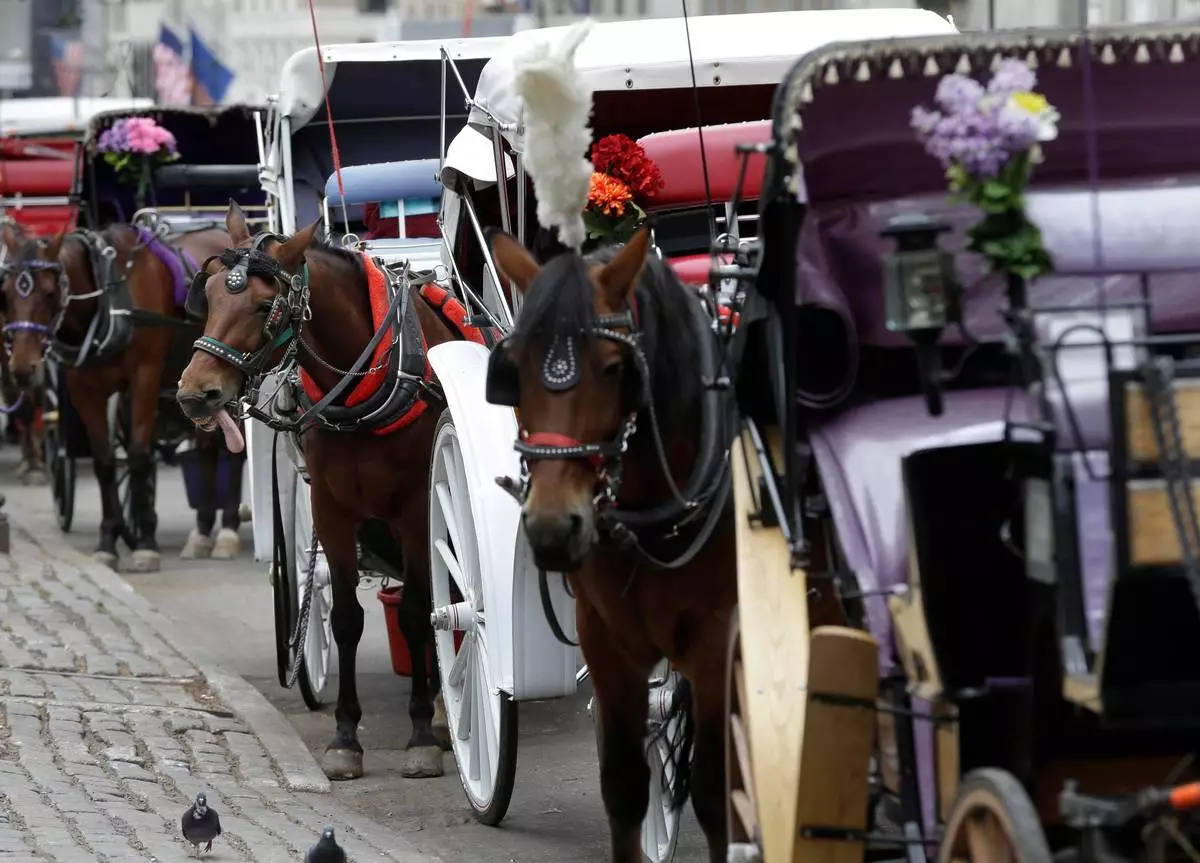
FILE - Horses and carriages wait for customers on Oct. 23, 2013, near Central Park in New York. (AP Photo/Seth Wenig, File)
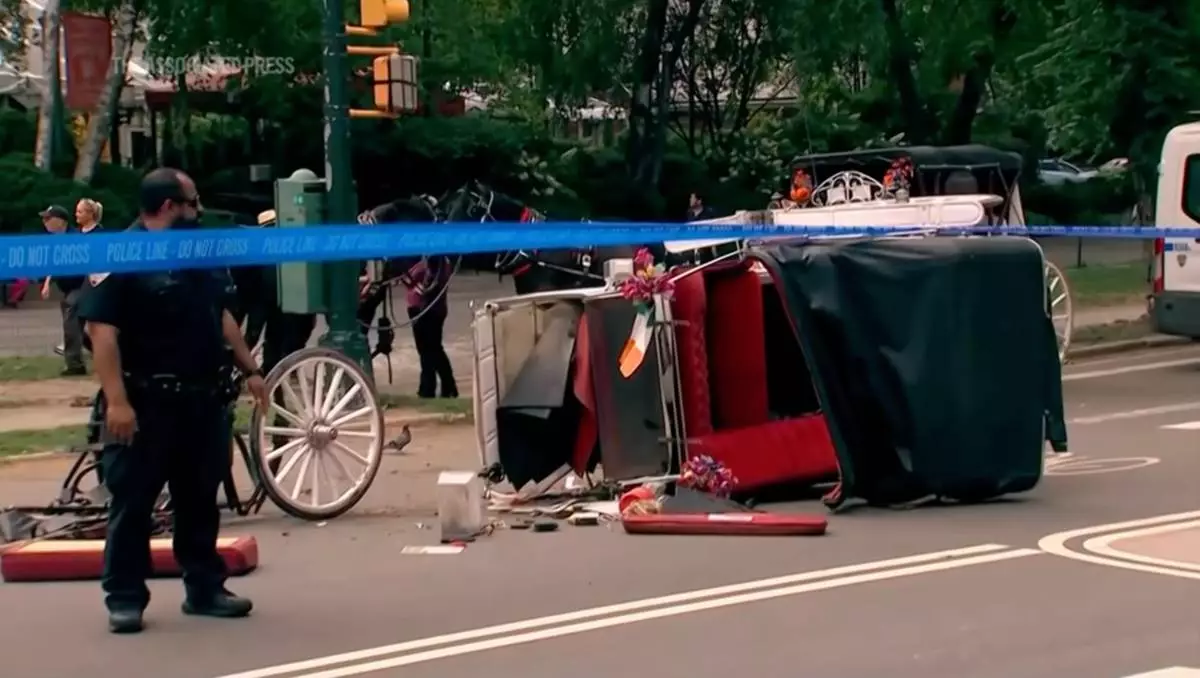
Police investigate the scene after a Central Park carriage horse bolted away from its driver killing a teenager from India on Wednesday, June 17, 2026 in New York. (WABC-TV via AP)