Skip to Content Facebook Feature Image

Traffic resumes in Strait of Hormuz , but far below pre-conflict levels

HotTV

HotTV

HotTV

Traffic resumes in Strait of Hormuz , but far below pre-conflict levels

2026-06-19 09:39 Last Updated At:15:05

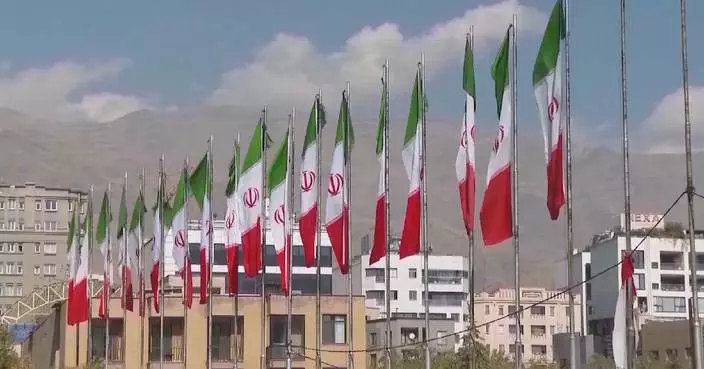
Commercial shipping traffic through the Strait of Hormuz resumed on Thursday, following the signing of a memorandum of understanding (MoU) between the United States and Iran, though shipping volumes remained well below the pre-conflict levels.

The MoU, signed by U.S. President Donald Trump and his Iranian counterpart Masoud Pezeshkian to end the Iran war on Wednesday, took effect immediately. A signing ceremony was originally scheduled for Friday in Switzerland but has later been canceled, Pakistan's Deputy Prime Minister and Foreign Minister Mohammad Ishaq Dar confirmed to local media on Thursday.

Since the outbreak of the U.S.-Israeli war against Iran on Feb 28, the strategic waterway had seen the commercial transit grind to a near-halt.

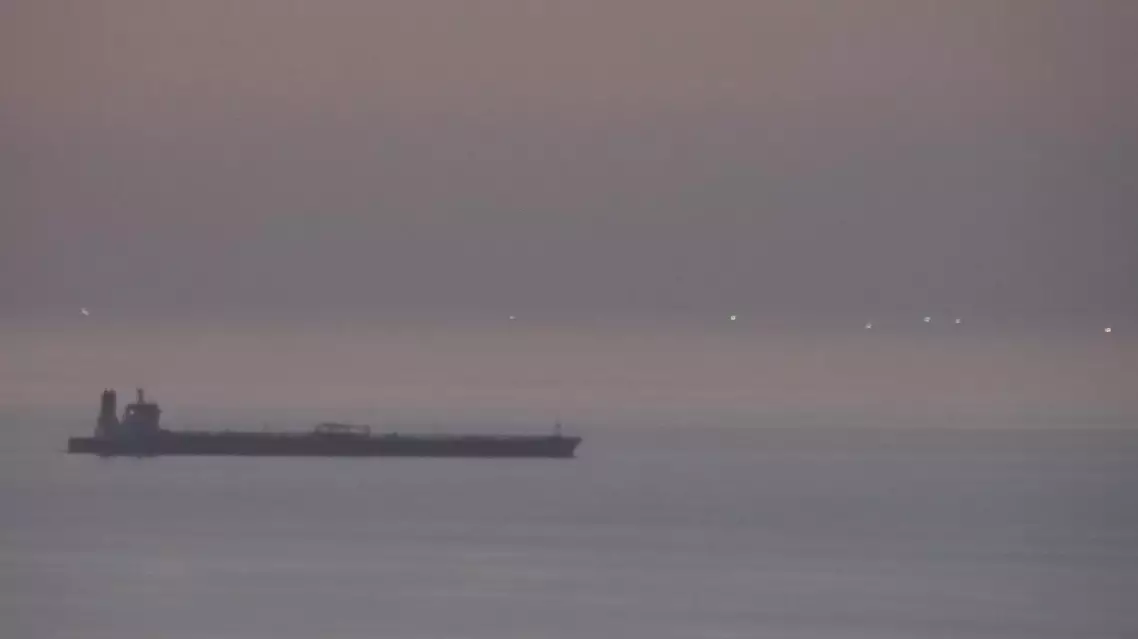
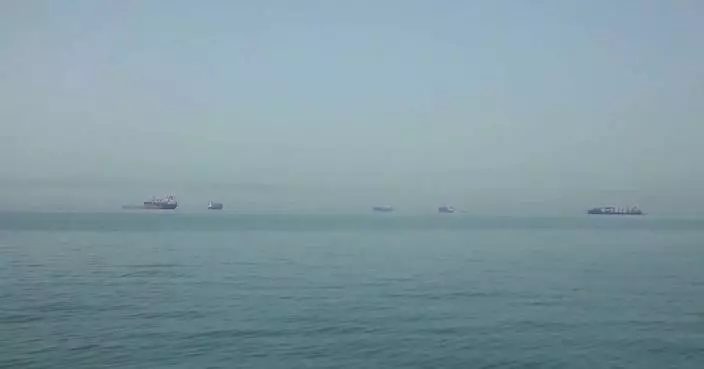
On a coastal highway in Khasab, Oman, that leads to the strait, large merchant ships were seen navigating through the waterway on Thursday, a stark contrast to the scene just two weeks ago when the horizon was entirely empty of commercial traffic.

On the southern coast of the strait, the backlog of vessels has begun to ease, the number of anchored vessels has visibly decreased, with large commercial ships slowly navigating the main shipping lanes.

Approximately two weeks ago, at the 100-day mark of the U.S.-Israeli war against Iran, over 100 ships were stranded or anchored in the surrounding waters.

Real-time data from maritime monitoring systems confirmed that a number of vessels are currently transiting the strait, but the density of traffic has not yet returned to normal parameters.

While the Strait of Hormuz has reopened, the global shipping market maintains a cautious, wait-and-see attitude, suggesting that a full return to the waterway's former prosperity will require time.
Traffic resumes in Strait of Hormuz , but far below pre-conflict levels
Traffic resumes in Strait of Hormuz , but far below pre-conflict levels
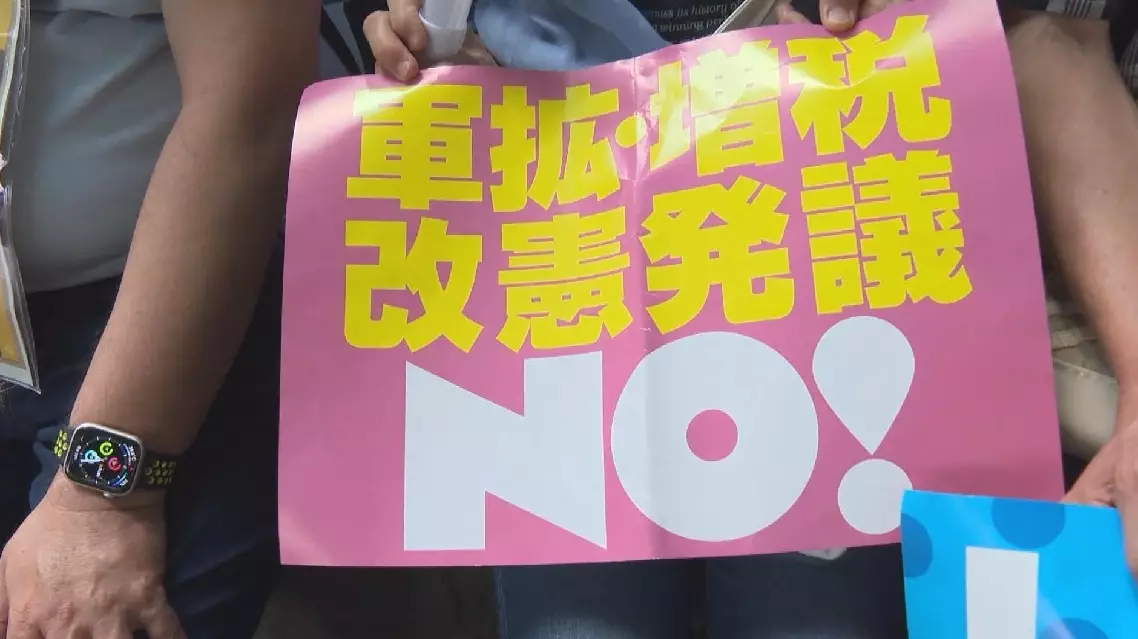
More than 10,000 people gathered outside Japan's National Diet in Tokyo on Friday to protest the government's moves toward expanding military capabilities and revising the country's pacifist constitution.

On June 9, Japan's ruling Liberal Democratic Party approved a draft proposal on revising the country's three key security documents later this year, according to Kyodo News. The proposal, formalized at the party's decision-making General Council, called for securing necessary funding to transform Japan's defense capabilities within five years.

Some other conservative parties in Japan also proposed amendments to Article 9 of the constitution -- the "peace clause" that renounces war and bans "war potential", during constitutional review meetings.

"I was taught when I was young that Article 9 of the constitution is very important for keeping Japan from becoming involved in war. Now the sudden move to revise it makes me feel fearful. So to express my feelings, I came here to protest the revision," said a protester.

The protest also targeted specific policy proposals, including potential changes to restrictions that limit arms exports.

As far as the issues of war and weapons exports are concerned, Japan has followed its own historical path since the end of World War II. But what [Prime Minister Sanae] Takaichi is trying to do now is to reset this period of history back to zero. Unfortunately, some people support this approach, but I do not. I hope Japan will not take that [terrible] step again," said a protester.

"If we continue to strengthen military power, it will only worsen Japan's relations with neighboring countries. The government should not take this approach," said another protester.

Thousands protest against Japan's military expansion, constitutional revision

Thousands protest against Japan's military expansion, constitutional revision

Recommended Articles