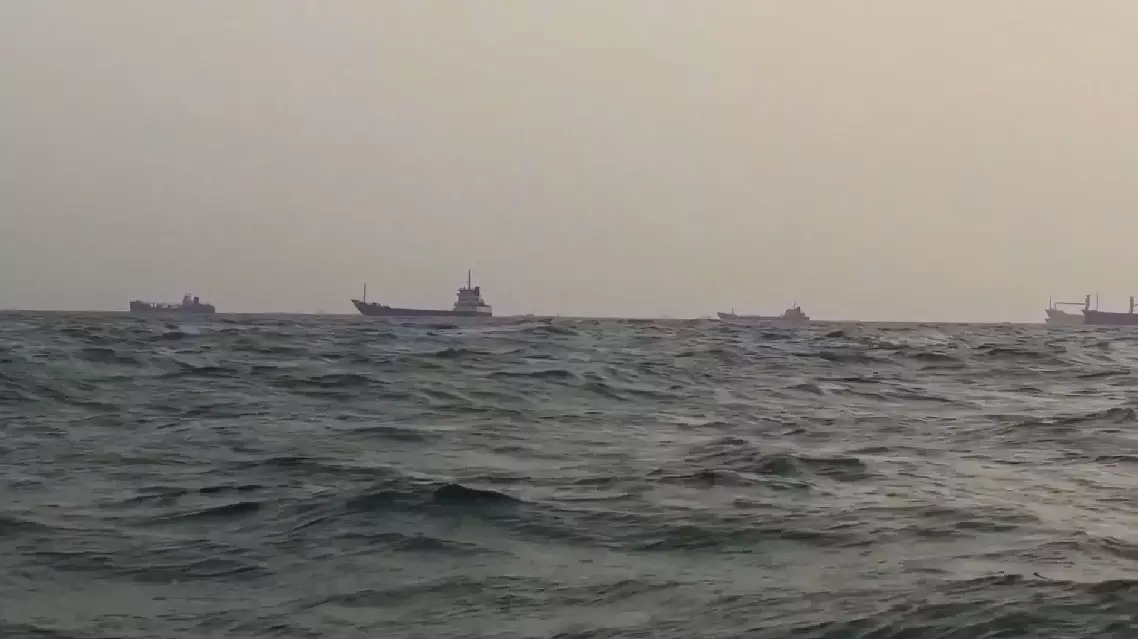
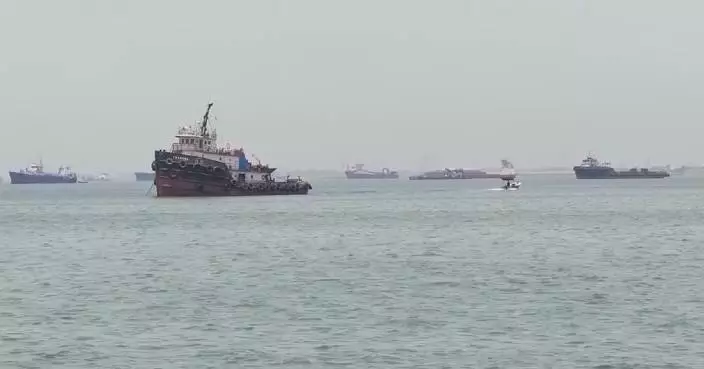
Iraq and Kuwait, two major oil producers in the Middle East, are gradually restoring their output to pre-war levels as the Strait of Hormuz has reopened under an interim peace agreement between the United States and Iran.
Kuwait announced on Thursday plans to raise its crude oil production above 2 million barrels per day within a week, signaling a major step toward restoring energy operations after months of conflict-related disruptions.
According to a statement made by the state-owned Kuwait Petroleum Corporation (KPC), the move came as Kuwait lifted force majeure notices imposed during the U.S.-Israeli war against Iran, citing improved security conditions, the reopening of the Strait of Hormuz and the resumption of international commercial shipping.
KPC said it has completed repairs to damaged infrastructure and is working with customers to ensure a smooth return to full contractual supply volumes.
The announcement follows a precautionary reduction in oil production and refining operations introduced in March amid repeated attacks targeting Kuwait's energy infrastructure and transport networks.
As one of the Gulf's major oil producers, Kuwait has been seeking to gradually restore normal energy operations after the conflict disrupted maritime traffic through the Strait of Hormuz, a key route for global oil exports.
Meanwhile, neighboring Iraq is also restoring output as the Strait of Hormuz has reopened.
Iraqi Oil Minister Basim Mohammed Khudhair said the country's oil fields are ready to resume production operations, with output gradually returning to the pre-war level.
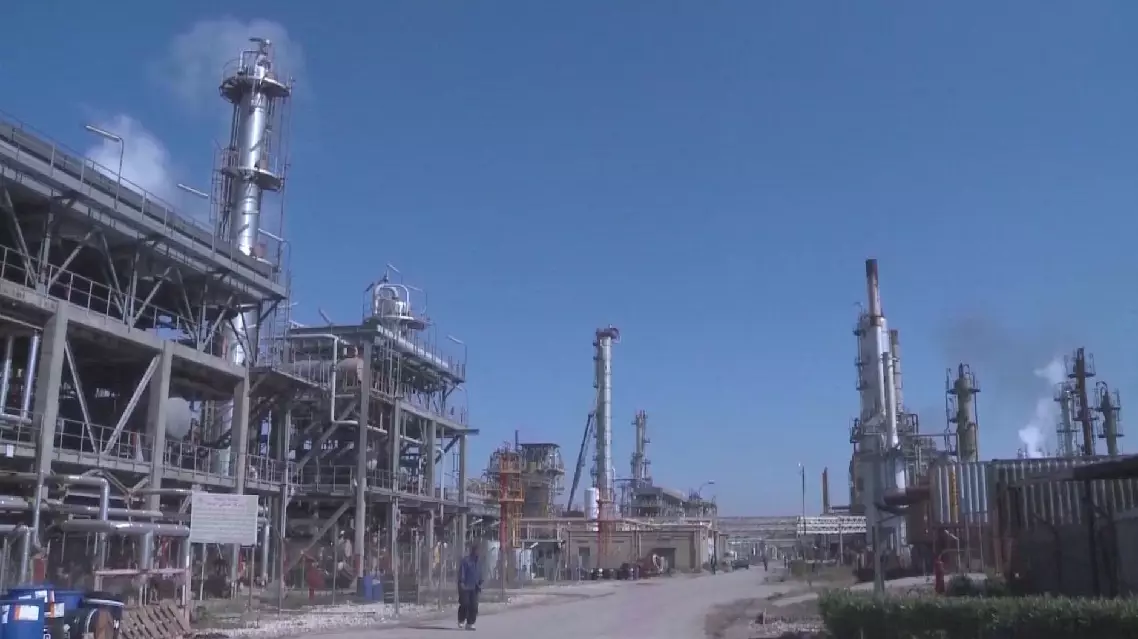
Oil output of Iraq, Kuwait set to return to pre-war levels