BOGOTA, Colombia (AP) — About a hundred Colombian guerrilla dissidents on Thursday surrendered their weapons in a step toward their gradual reintegration into civilian life as part of a peace process with the government of President Gustavo Petro.
Dressed in military-style camouflage, the members of the National Coordinating Committee of the Bolivarian Army placed their weapons on a table during a formal ceremony in the department of Putumayo, which borders Ecuador. The group is a dissident faction of the defunct Revolutionary Armed Forces of Colombia, or FARC.
Now disarmed, the dissidents will enter a temporary resettlement zone where the government intends to facilitate their gradual reintegration into civilian life. The government in a statement explained that they “will have their freedom restricted and will be under the control and supervision” of authorities.
“We laid down the iron rifle because we understand that words are a more powerful weapon,” dissident leader Geovany Andrés Rojas said as part of the ceremony. He made the remarks remotely from jail, where he is being held after being captured last year when the group was engaged in peace talks with the government.
His arrest took place in connection with an Interpol Red Notice for drug trafficking charges in the United States. Rojas on Thursday said his capture undermined the confidence of the rank and file but did not derail the dialogue process.
Petro, a former rebel leader and Colombia’s first progressive president, is negotiating with the dissident faction as part of his signature “total peace” policy, which has opened parallel peace negotiations with multiple armed groups. The effort has largely failed.
The dissident groups emerged from factions that did not accept the historic peace agreement signed a decade ago by the state and FARC, formerly Latin America’s oldest guerrilla group. The country is estimated to have 27,000 illegally armed group members, according to a 2025 report by the Ideas for Peace Foundation, a think tank focused on the internal conflict.
Last week, Petro established a monitoring mechanism for the temporary relocation zone and ordered the suspension of offensive military and special police operations to allow the dissidents to enter the designated area.
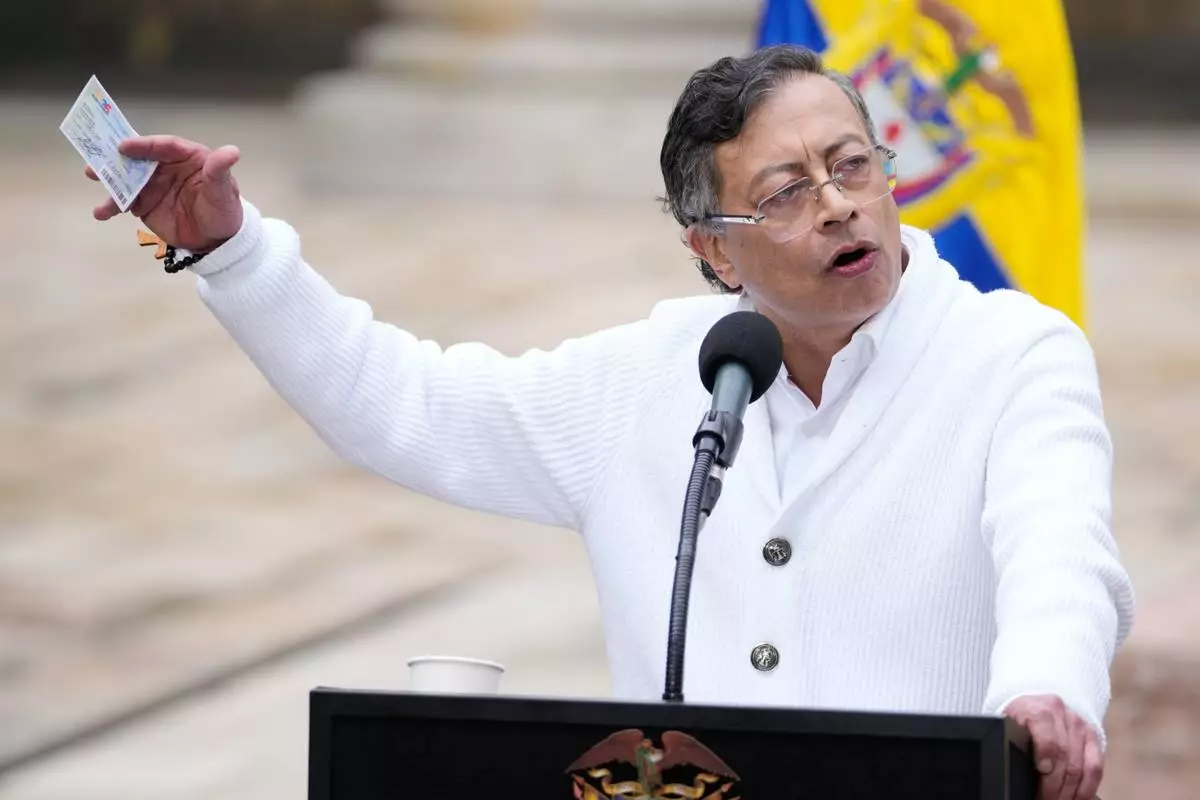
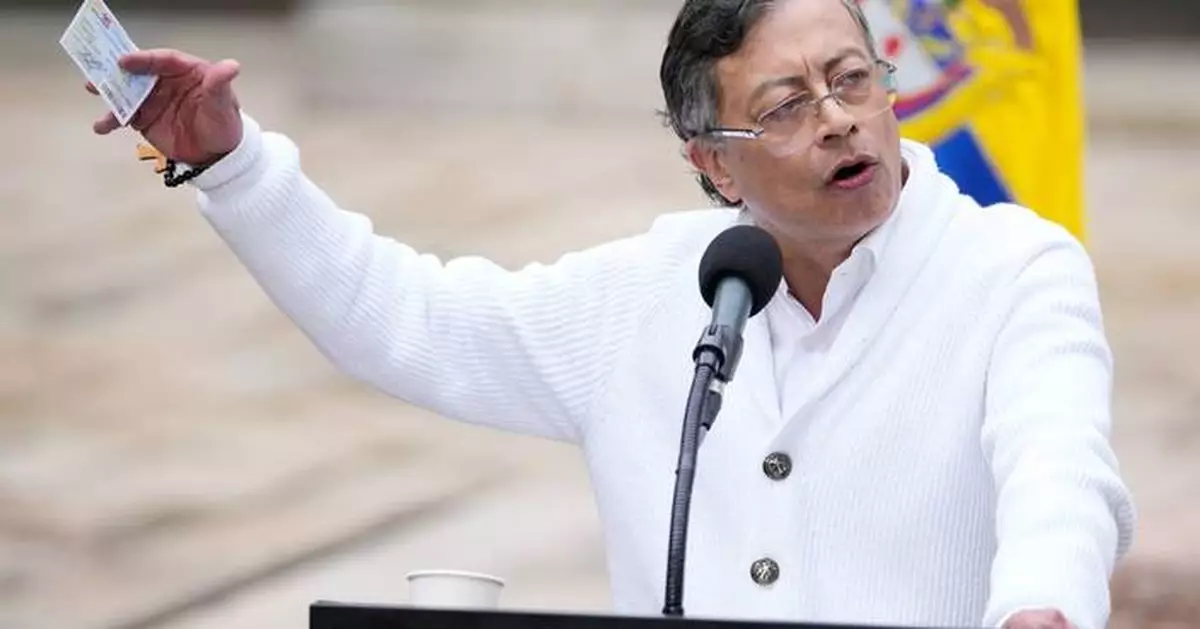
FILE - President Gustavo Petro speaks after voting during the presidential election in Bogota, Colombia, May 31, 2026. (AP Photo/Matias Delacroix, File)
VANCOUVER, British Columbia (AP) — Qatar’s World Cup defeat to Canada on Thursday went so awry that goalkeeper Mahmoud Abunada appeared to break down in tears after the final whistle, receiving comfort from a teammate and Canada’s Jacob Schaffelburg.
“It was a tough match, because everything that could go wrong, did go wrong,” coach Julen Lopetegui said. “That’s how football is sometimes.”
Qatar played two men down for most of the second half after a pair of red cards and went on to lose 6-0, the worst defeat in the Persian Gulf country's short World Cup history. Qatar debuted in the tournament as the host in 2022 and lost 2-0 to Ecuador, 3-1 to Senegal and 2-0 to the Netherlands.
The second red card was issued to midfielder Assim Madibo, who tackled Canada's Ismaël Koné from behind, breaking Koné's lower left leg. Koné was stretchered off the field and taken to a hospital for surgery.
Koné’s replacement, Nathan Saliba, buried a 20-yard free kick in the 64th minute for Canada’s fourth goal.
Controlling rebounds was a struggle for the Qatari defenders, who could not clear the ball after two of Abunada’s saves. Canada had 10 shots on goal while Qatar had none.
Standout left back Homam Ahmed was the first player sent off. His yellow card was upgraded to a red in the 33rd minute.
“It was a very tough match for many reasons,” Lopetegui said. “The players did their best. It was very difficult to face this match with two players less with this environment.”
After Canada's postgame huddle, Lopetegui and Canada coach Jesse Marsch had a heated exchange.
Marsch said Madibo apologized to Koné after the game, but he took issue with the way Qatar players reacted after the injury.
“I don’t understand a reaction from their entire bench to try to start a fight about it being a red card when a clear foul just happened that broke a player’s leg,” Marsch said. “So, strange behavior.”
Qatar is last in Group B but still has a chance to reach the knockout round. It faces Bosnia-Herzegovina on Wednesday in Seattle.
Ben Kule is a student in the University of Georgia’s Carmical Sports Media Institute.
AP World Cup coverage: https://apnews.com/hub/fifa-world-cup
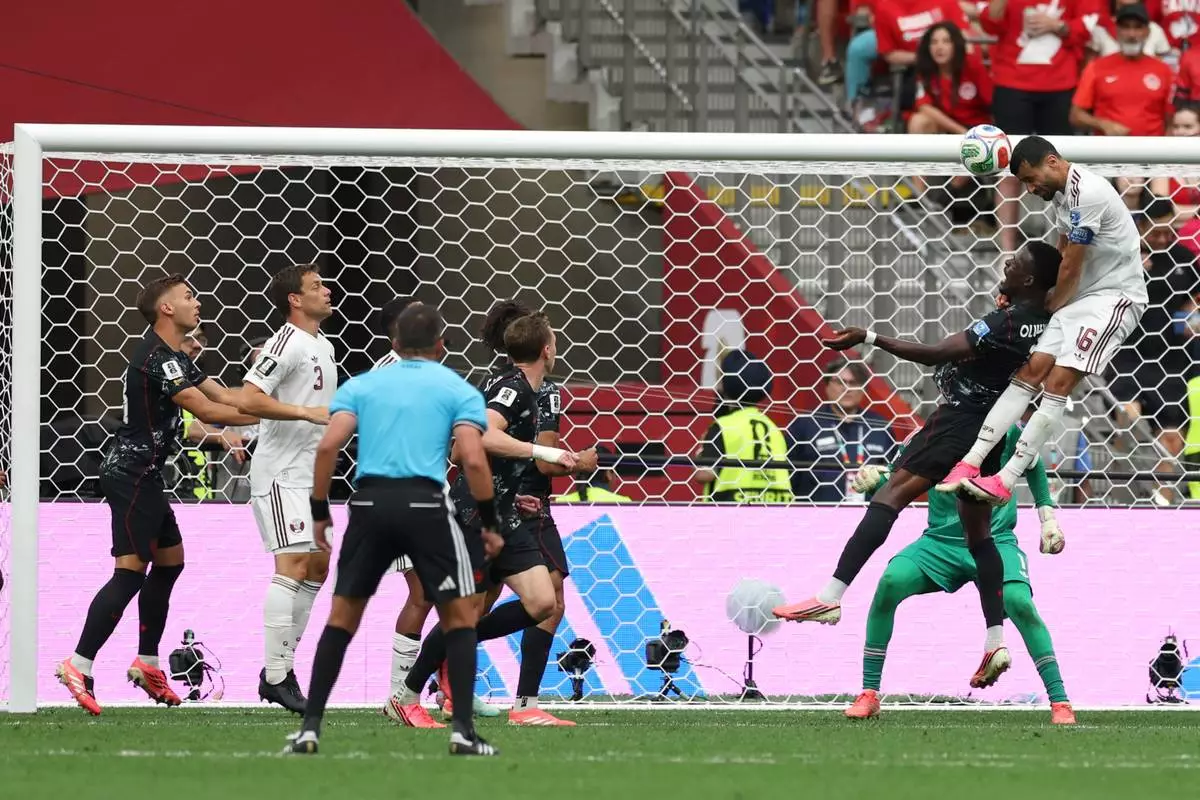
Qatar's Boualem Khoukhi (16) heads the ball over Canada's Tani Oluwaseyi (12) during the World Cup Group B soccer match between Canada and Qatar in Vancouver, British Columbia, Thursday, June 18, 2026. (AP Photo/Emma Peterson)
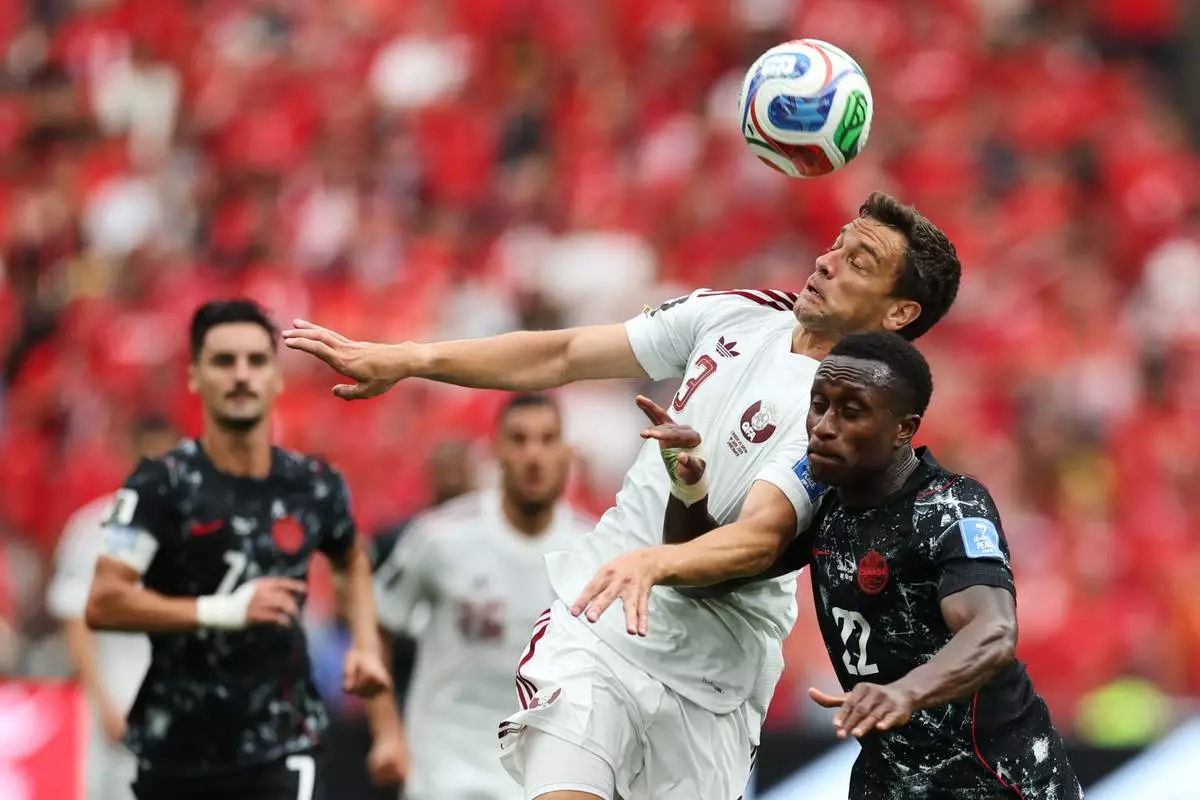
Qatar's Lucas Mendes (3) and Canada's Richie Laryea (22) battle for the ball during the World Cup Group B soccer match between Canada and Qatar in Vancouver, British Columbia, Thursday, June 18, 2026. (AP Photo/Emma Peterson)
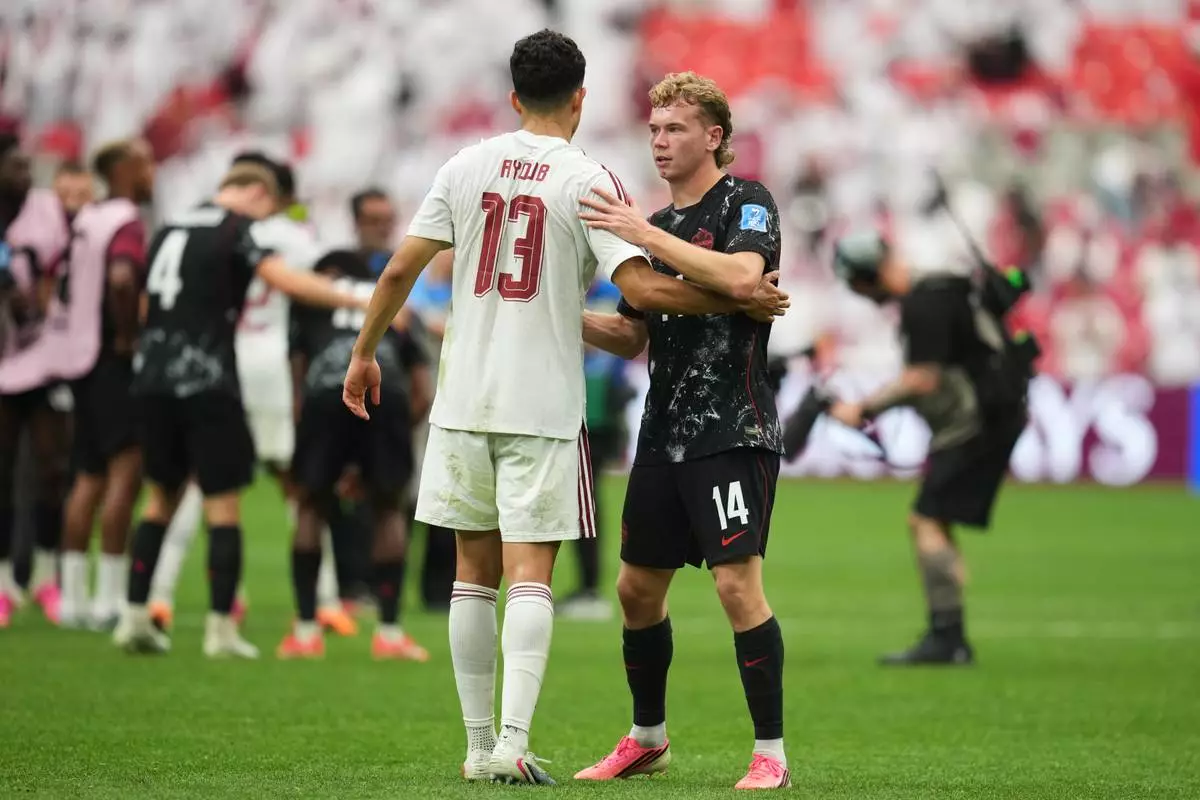
Qatar's Ayoub Aloui, left, and Canada's Jacob Shaffelburg embrace after Canada's victory in the World Cup Group B soccer match against Qatar in Vancouver, British Columbia, Thursday, June 18, 2026. (AP Photo/Abbie Parr)
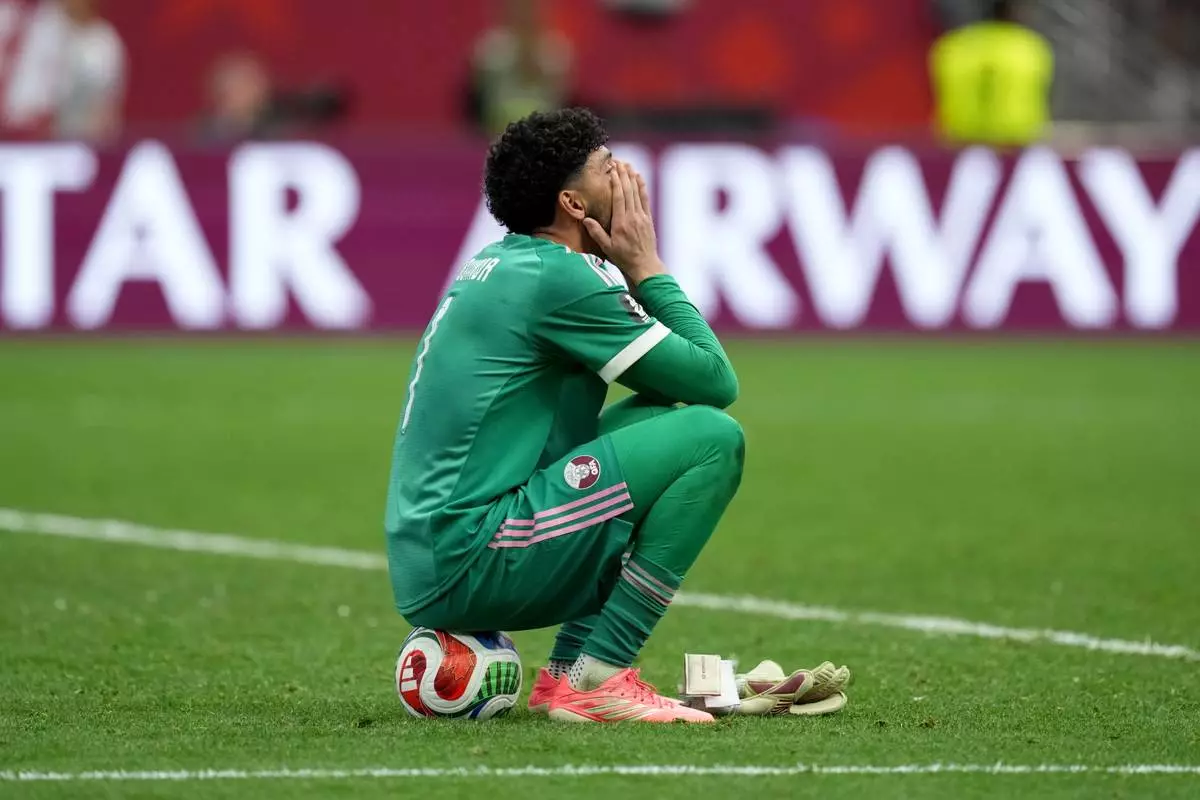
Qatar goalkeeper Mahmoud Abunada reacts after the World Cup Group B soccer match between Canada and Qatar in Vancouver, British Columbia, Thursday, June 18, 2026. (Ethan Cairns/The Canadian Press via AP)