ESPOO, Finland & MUNICH--(BUSINESS WIRE)--Jun 19, 2026--
IQM Quantum Computers, the global leader in superconducting quantum computers, today announced the appointments of Dr. Craig Ciesla as Chief Technology Officer (CTO) and Dr. Inés de Vega as Chief Scientist, as she transitions from her role as Vice President of Quantum Solutions, deepening IQM´s leadership as the company prepares for its planned Nasdaq listing through a merger with Real Asset Acquisition Corp. (Nasdaq: RAAQ).
This press release features multimedia. View the full release here: https://www.businesswire.com/news/home/20260619693929/en/
Ciesla, an experienced deep tech executive with more than 25 years delivering products across multiple industries from startups to Fortune 500 companies, will advance IQM's technology strategy and drive its implementation into systems and products. De Vega, meanwhile, will be responsible for ensuring scientific feasibility and system-level consistency across IQM's technology.
“Ciesla's track record of scaling complex instrumentation platforms and building world-class R&D organizations makes him an exceptional addition to our leadership team,” said Jan Goetz, CEO and Co-founder of IQM Quantum Computers. “As we accelerate our path toward fault-tolerant quantum computing, his experience integrating hardware and software systems at scale will be invaluable. I also want to thank Inés for her outstanding contributions over the years, and I am pleased she will continue to shape our technology roadmap in her new role.”
Ciesla is an accomplished innovator and product development leader with a proven track record and is an inventor of more than 100 patents and patent applications. He most recently served as Vice President of Engineering at 10x Genomics (Nasdaq: TXG) and previously held leadership roles at companies including Illumina (Nasdaq: ILMN) Lumentum (formerly Nasdaq: JDSU), Intel (Nasdaq: INTC), and Tactus Technology.
He also has significant board experience, serving on the Board of Directors of Lightwave Logic, Inc., (Nasdaq: LWLG) complemented by an academic background that includes a PhD in Physics from Heriot-Watt University.
"IQM has established itself as an industry leader in quantum computing through a combination of technological excellence, real-world deployments, and disciplined execution. What attracted me to the company is its commitment to building production-grade quantum systems that customers can own, operate, and build value on — not just promises of what quantum could one day do," said Craig Ciesla.
These appointments come as IQM continues to scale its technology roadmap and operations as a fully vertically integrated quantum computing company — operating its own chip factory and assembly line, and having sold 23 quantum computers to date, more than any other manufacturer.
"Over the past years, I have seen first-hand how IQM has evolved from an ambitious deep-tech venture into a company delivering quantum computers to some of the world's leading research institutions and supercomputing centers," said De Vega. "I look forward to further contributing to the company's growth trajectory."
Throughout her career, she has led a team responsible for developing and implementing quantum algorithms across a wide range of quantum computing applications, while developing advanced tools to tackle errors in quantum computers.
Furthermore, she has been a researcher in several academic institutions, such as the Max Planck of Quantum Optics, the University of Ulm, and the Ludwig Maximilian University of Munich, where she is currently associated to the department of Theoretical Nanophysics.
IQM is nearing its Nasdaq listing through a planned merger with Real Asset Acquisition Corp. (Nasdaq: RAAQ). The transaction has gained momentum since February, with an upsized PIPE of $146 million in early June after Finnish pension insurer Ilmarinen joined existing institutional investors.
About IQM Quantum Computers
IQM Quantum Computers is a global leader in superconducting quantum computers, delivering full-stack quantum computers and cloud platform access to research institutions, universities, high-performance computing centers, national laboratories and enterprises worldwide. IQM's on-premises deployment model gives customers direct ownership and control of their quantum infrastructure. Founded in 2018, headquartered in Finland with major operations in Munich, it has over 400 employees. IQM operates across Europe, Asia, and North America. IQM filed an F-4 registration statement with the SEC, which has since been declared effective, with the intention to become the first publicly listed European quantum company on Nasdaq Global Exchange in the U.S by merging with Real Asset Acquisition Corp. (Nasdaq: RAAQ).
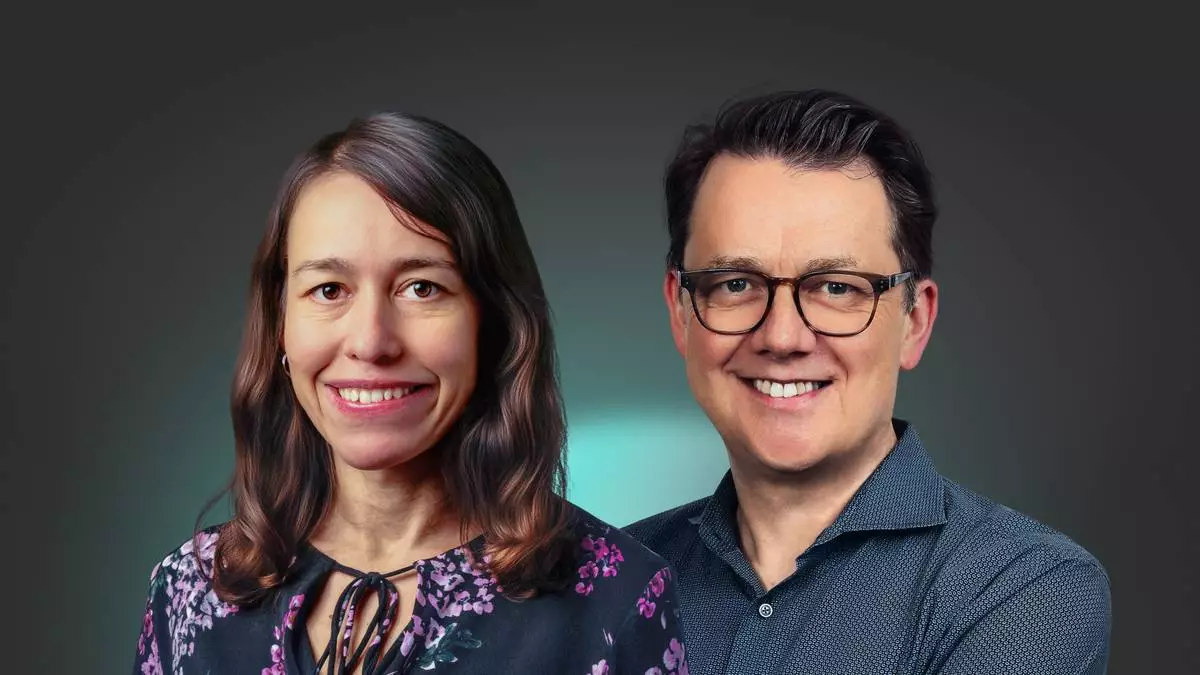
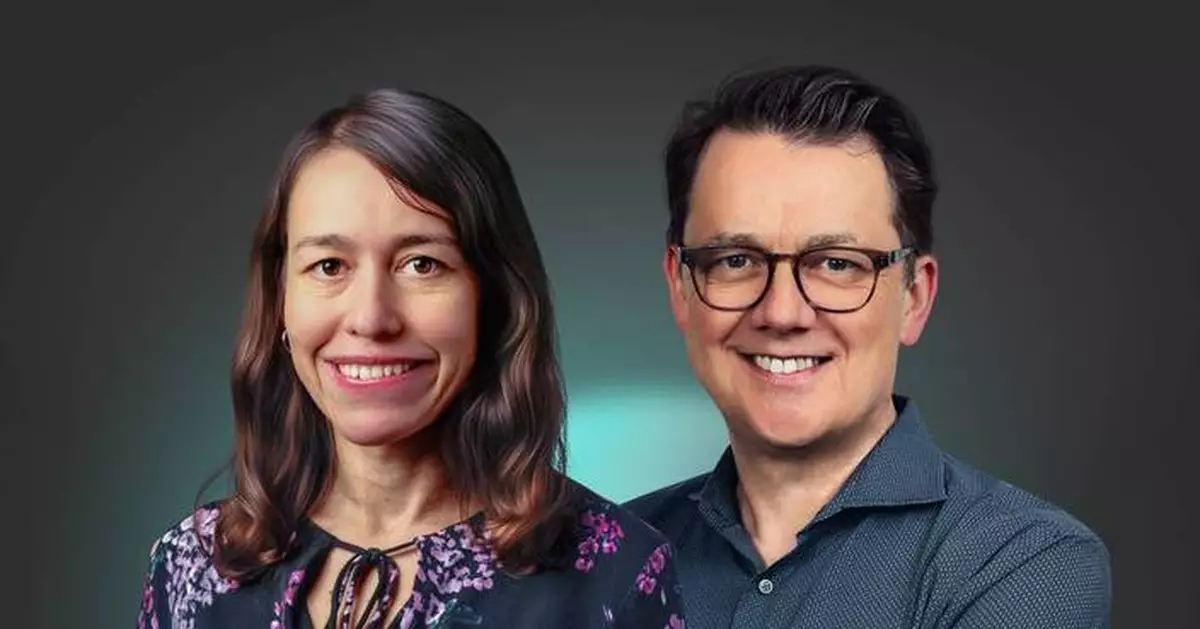
From left to right: Dr. Inés de Vega, Chief Scientist, and Dr. Craig Ciesla, Chief Technology Officer.
JERUSALEM (AP) — An Israeli man who said he was sexually abused while he was held hostage in the Gaza Strip is hoping to use his voice to help empower victims who have suffered similar assaults, including in conflict zones, he said in remarks ahead of the International Day for the Elimination of Sexual Violence in Conflict.
Guy Gilboa-Dalal, 25, spent two years in captivity in Gaza after Palestinian militants abducted him and 250 others during the Hamas-led attacks in Israel on Oct. 7, 2023.
“I feel like I have a mission to spread to the world, to use my voice and empower other victims of sexual assaults,” he said Sunday in a conversation with Israel's first lady Michal Herzog in Jerusalem. “I want people who have been through those experiences to know that they’re not alone.”
The Associated Press does not typically identify people who say they have been sexually assaulted unless they come forward publicly.
According to the United Nations, conflict-related sexual violence is on the rise worldwide, with cases more than doubling in 2025, as state and non-state actors increasingly use it as a tactic of war, torture and political repression.
In Israel and the Palestinian territories, the use of sexual violence as part of the conflict has become highly politicized since the Oct. 7 attacks and the start of the war in Gaza. Rights groups and the United Nations have investigated and documented cases beginning with allegations of widespread rape during the initial Hamas attacks.
The U.N. also said last month that it has verified multiple incidents of conflict-related sexual violence, "including as a form of torture” perpetrated by Israeli military and security forces against Palestinian men and women in Gaza and the West Bank, charges Israel denies.
This year, for the first time, the U.N. included Israel’s armed and security forces on a list of parties “credibly suspected of committing or being responsible for patterns of rape or other forms of sexual violence in situations of armed conflict.” Hamas had previously been on the list.
In 2024, the U.N.'s special representative on sexual violence in conflict, Pramila Patten, said she “found clear and convincing information” that some hostages were subjected to such abuse, including rape and “sexualized torture.” But in a recent report, the U.N. said it was “not able to verify” public allegations made by former hostages accusing their Palestinian captors of abuse. It blamed the lack of verification on what it said was Israel’s denial for U.N. groups to carry out investigations.
On Sunday, Gilboa-Dalal recounted again the details of the abuse he said he faced and said he was frustrated by the U.N. In a short, separate interview following the conversation with Herzog, Gilboa-Dalal said: “They have no right to say what happened or what didn’t happen, I was there, not them.”
At least six of the released hostages have publicly shared experiences of sexual assault while in captivity. Gilboa-Dalal first spoke of the attacks in an interview with Israeli media last November, about a month after he was released.
Gilboa-Dalal said his abuse took place over two separate assaults, over a year after his captivity began. He said that he froze as it happened and was unable to resist, terrified and physically weakened after spending most of his time in a narrow cell, deep underground, with three other hostages. He said they were forcibly starved or given rotten food, and denied the opportunity to move around or bathe.
In both instances, Gilboa-Dalal said, he was naked and blindfolded. He said the captor threatened to kill him if he ever spoke about what happened, beating him and holding a knife to his throat and a gun to his head.
“He could do whatever he wanted. I was so weak, and he was so strong,” Gilboa-Dalal said. Because he and the other hostages were constantly monitored, he said, he didn’t tell either of them until just before one was released during a temporary ceasefire in Feb. 2025.
Now, he says he is trying to heal and spend time with family. He is also writing a book and an anime script about his experiences.
He said he worries that other sexual abuse victims are likewise isolated and unable to speak about their abuse. “They may think, ‘maybe it’s my fault maybe I could have done something different,’” he said. “But it wasn’t my fault and it wasn’t any of the victims’ fault.”
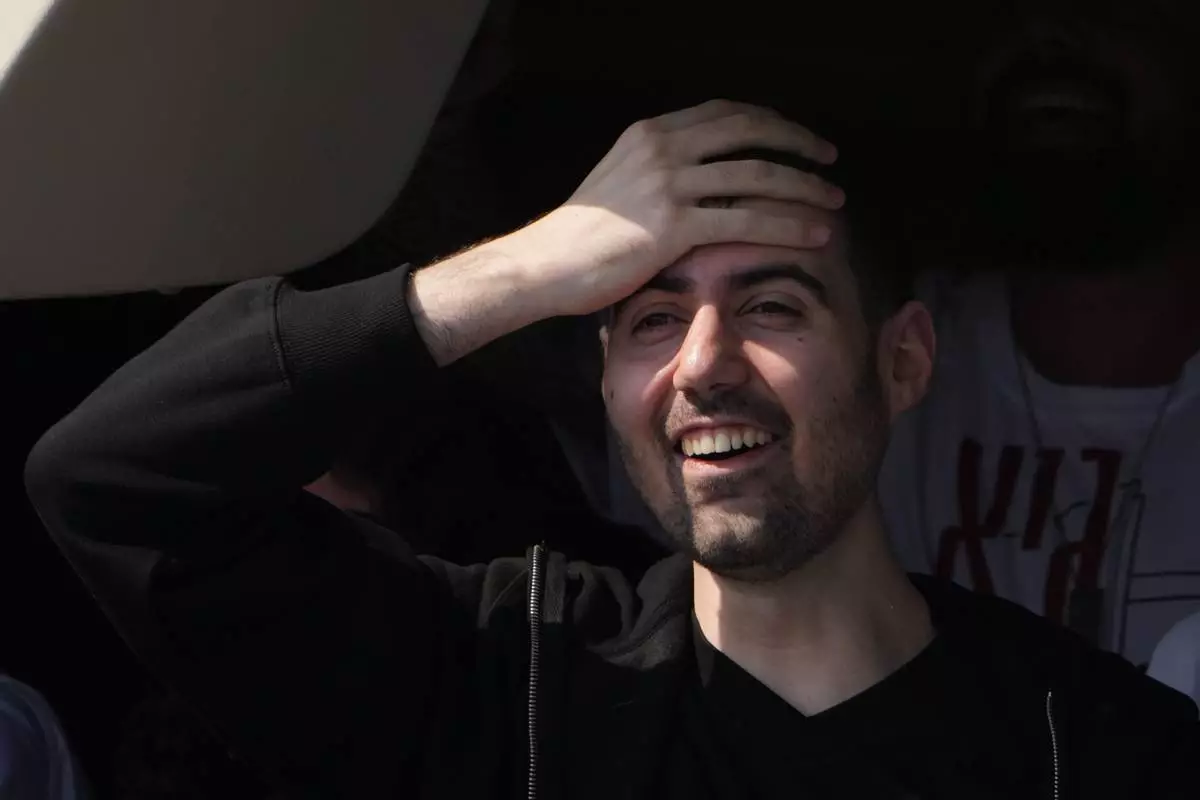
FILE - Freed Israeli hostage Guy Gilboa-Dalal gestures from a van as he arrives at Beilinson hospital in Petah Tikva, Israel, after he was released from Hamas captivity in the Gaza Stripl, Monday, Oct. 13, 2025. (AP Photo/Ariel Schalit, File)
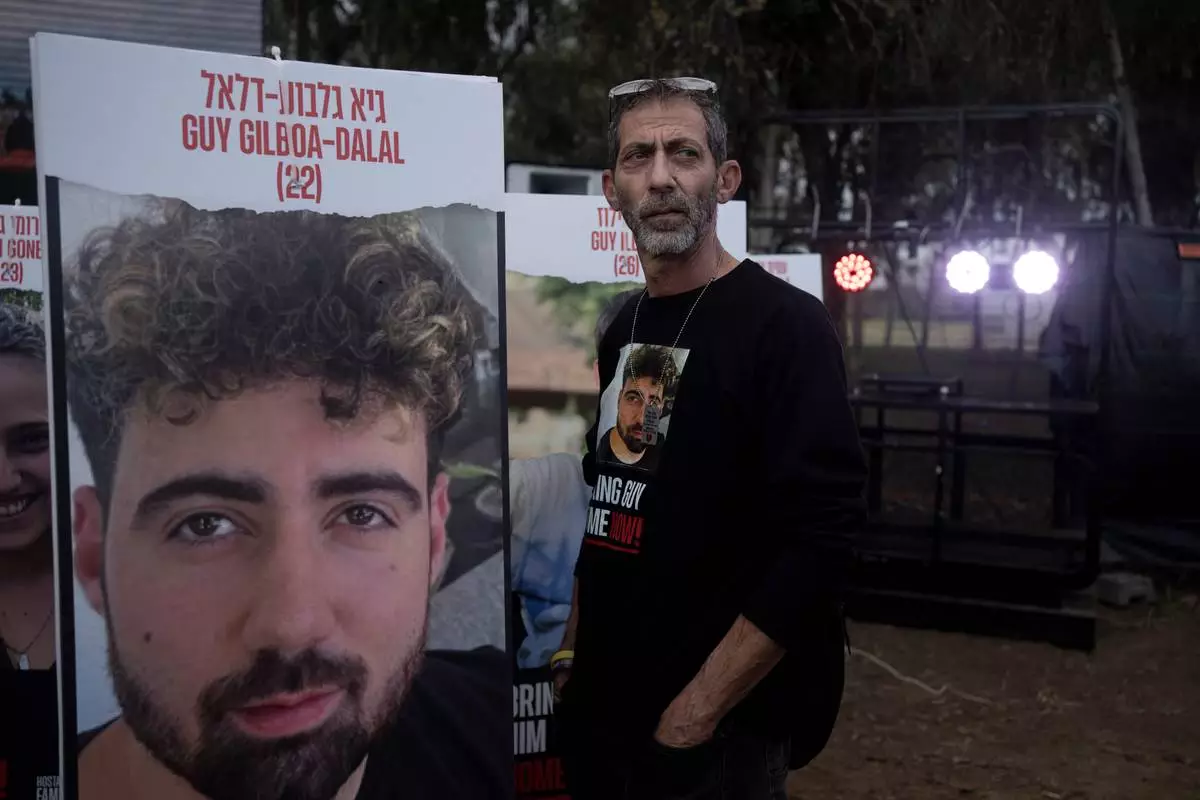
FILE - Ilan Dalal, father of Guy Gilboa-Dalal, who was kidnapped on Oct. 7 in a cross-border attack by Hamas at the Nova music festival, stands next to a photo of his son during a press conference at the site in Re'im, southern Israel, Friday, Jan. 5, 2024. (AP Photo/Maya Alleruzzo, File)
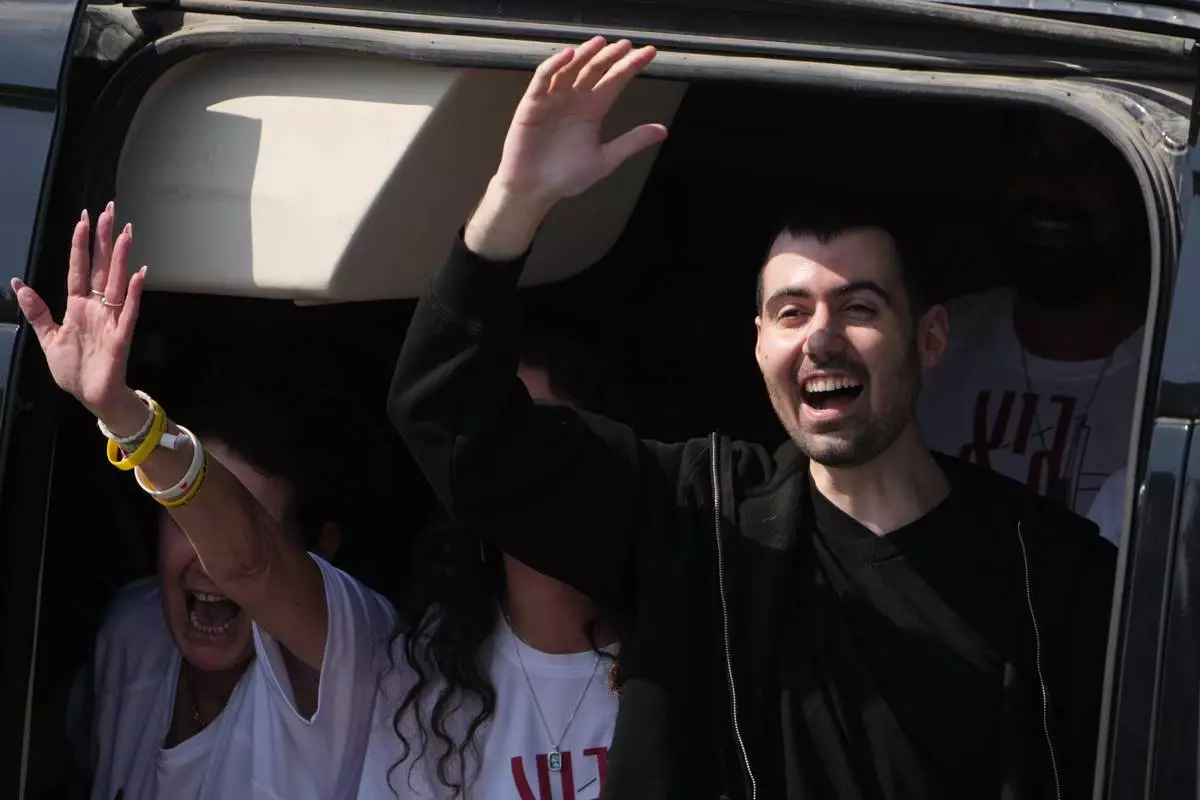
FILE - Freed Israeli hostage Guy Gilboa-Dalal gestures from a van as he arrives at Beilinson hospital in Petah Tikva, Israel, after he was released from Hamas captivity in the Gaza Stripl, Monday, Oct. 13, 2025. (AP Photo/Ariel Schalit, File)