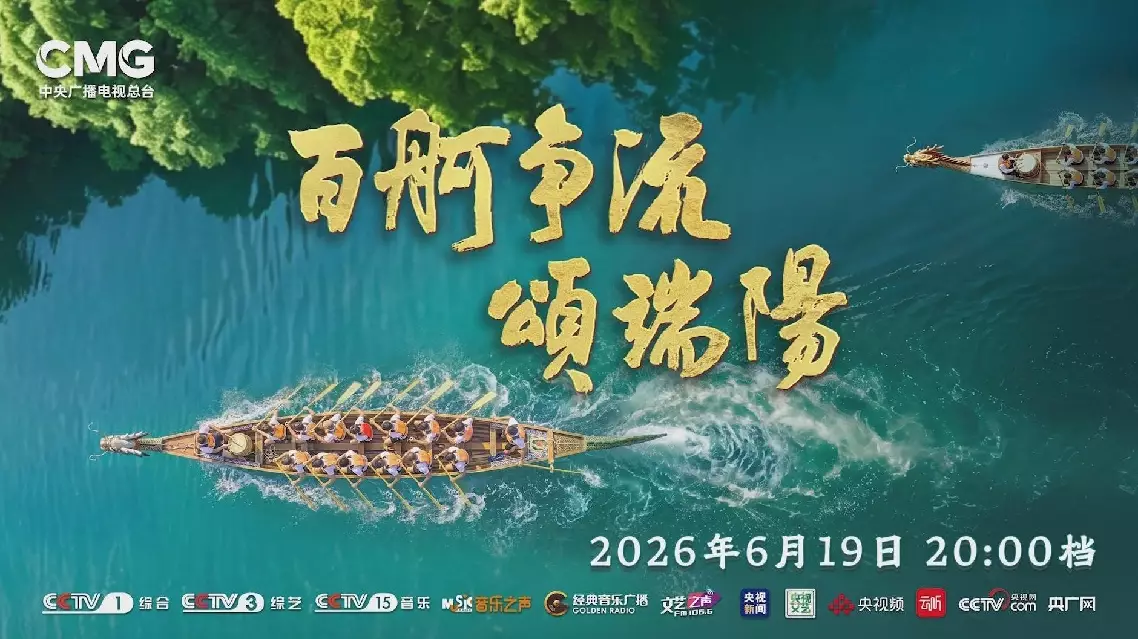
China's state broadcaster, China Media Group (CMG), is set to air a special program to celebrate the traditional Dragon Boat Festival on Friday evening.
The special program will be broadcast at the prime time on CMG's television channels, as well as a number of its radio channels, applications and online platforms.
Presented in the form of micro-documentaries, the program echoes the rhythm of dragon boat racing to describe its four sections, exploring the long cultural memory of the Dragon Boat Festival.
The Dragon Boat Festival, also known as the Duanwu Festival, is celebrated on the fifth day of the fifth month on the Chinese lunar calendar. This year, it falls on June 19.
It is a time to get rid of misfortune as venomous animals were believed to appear at this juncture. It is also a time to commemorate the beloved Chinese poet Qu Yuan (339-278 BC) from the Warring States Period (475-221 BC), a poet who is known today for his patriotism and contributions to classical verse. Its signature tradition -- the dragon boat racing -- dates back over 2,000 years.
CMG to air special program to mark Dragon Boat Festival
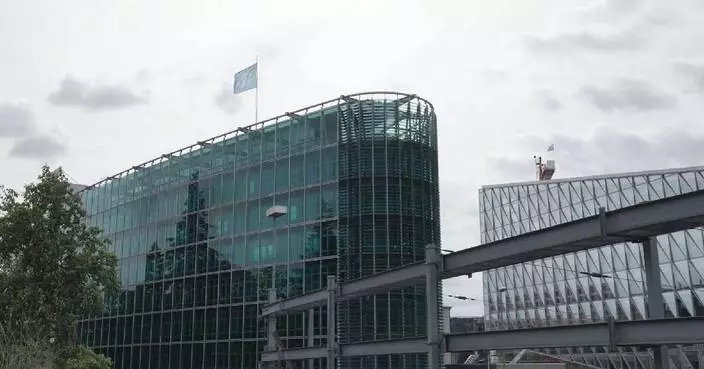
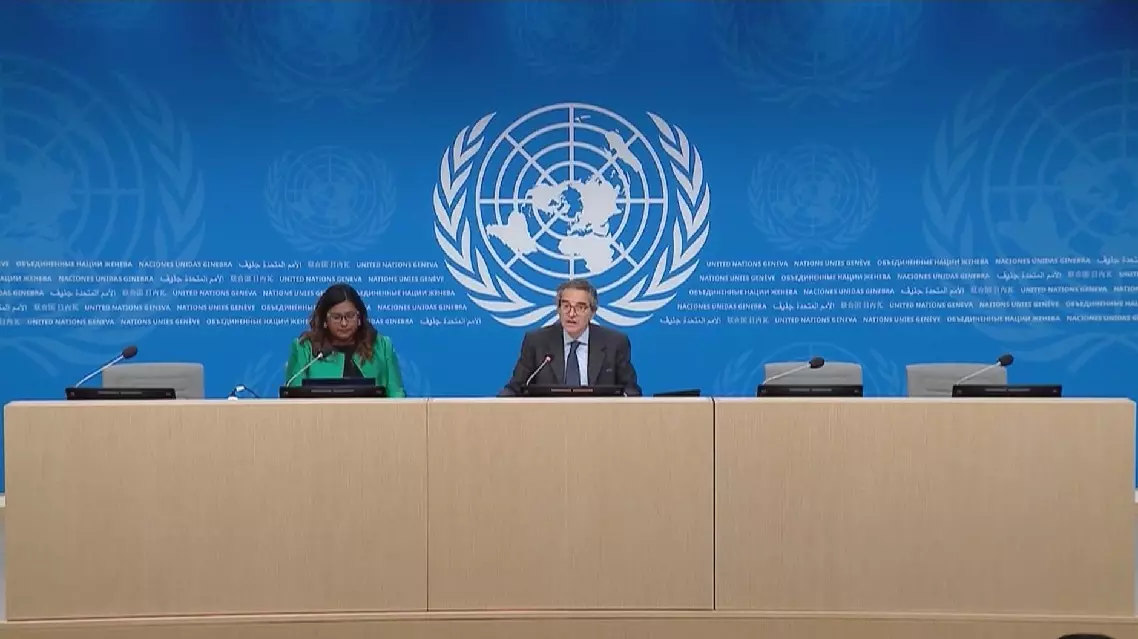
The head of the UN's atomic energy agency on Thursday welcomed the signing of an initial Iran-U.S. memorandum aimed at ending the war, before proposing "to sit down" with both parties to assist with concrete measures, including verification of Iran's nuclear program, a critical sticking point.
"We believe the fact that the indispensable role of the IAEA is recognized is a sound point of departure," said Rafael Mariano Grossi, director general of the International Atomic Energy Agency (IAEA), in reference to the reported text of the memorandum.
"Now it's for us to sit down with our American colleagues, our Iranian colleagues and start formulating the concrete steps that will have to be taken. So, I think it's good that the memorandum is there. Now the technical work starts," he said.
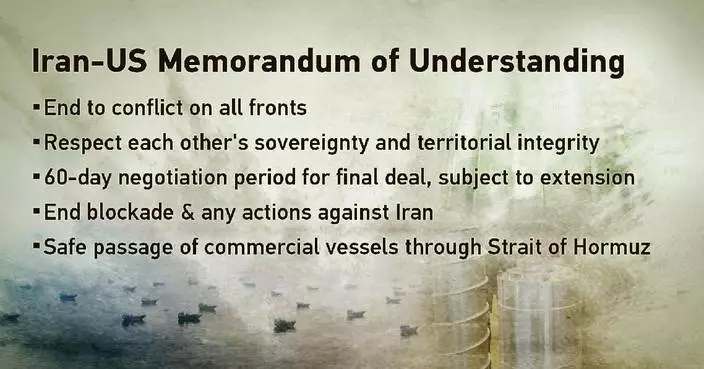
According to media reports, the memorandum of understanding provides for a maximum of 60 days of negotiations to achieve a "final deal" on issues including uranium enrichment by Iran, which must also reaffirm that it does not intend to develop a nuclear weapon.
Other requirements listed in the memorandum include reopening the Strait of Hormuz to all shipping and easing U.S. and UN Security Council sanctions on the Middle East nation. The "immediate and permanent termination of military operations on all fronts, including in Lebanon," also features prominently in the first of 14 points of the memorandum.
Refusing to speculate about the talks, Grossi said "because we are about to start and we have to initiate any negotiation on the assumption that we are all in with faith, that we want to be successful."
Responding to a question about a possible agreed reduction in the level of uranium enrichment by Iran, the IAEA chief noted that "many, many possibilities" could be explored. The agency's access to all of Iran's nuclear facilities is "not at a level and in all the locations it should be", he stressed, but contact with the authorities is ongoing and the agency has "a pretty good idea" of the "specific things, places, that we need to access."
"It's now, I'd say, that the technical work can start for real," said Grossi.
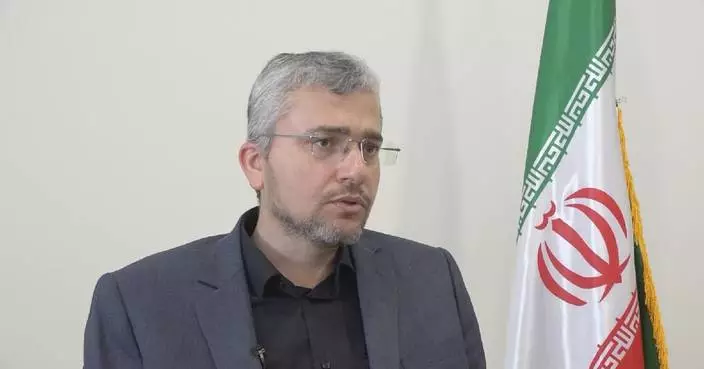
Grossi's remarks came after Iranian President Masoud Pezeshkian and U.S. President Donald Trump digitally signed the memorandum of understanding on ending the war, Iran's Foreign Ministry spokesman Esmaeil Baghaei said early Thursday.
IAEA chief welcomes US-Iran peace memorandum