The Organization of the Petroleum Exporting Countries (OPEC) reaffirmed its optimistic outlook for global oil demand over the medium and long term on Thursday, stating that there is currently no indication that oil demand has reached its peak.
In its 2026 World Oil Outlook, OPEC projected that global oil demand will rise from 105.1 million barrels per day (bpd) in 2025 to 113.3 million bpd by 2030, and further climb to 124.1 million bpd by 2050. The report noted that the bulk of demand growth in the coming decades will come from Asia, the Middle East, Africa, and Latin America. Among these, India is expected to be the single largest contributor, with demand increasing by 8.1 million bpd over the entire forecast period.
OPEC's bullish forecast stands in sharp contrast to projections from other institutions, such as the International Energy Agency (IEA). The IEA had previously warned that the impact of Middle East conflicts on global oil demand would be far more severe than earlier estimated, projecting a reduction of 1.1 million bpd in global daily oil consumption this year.
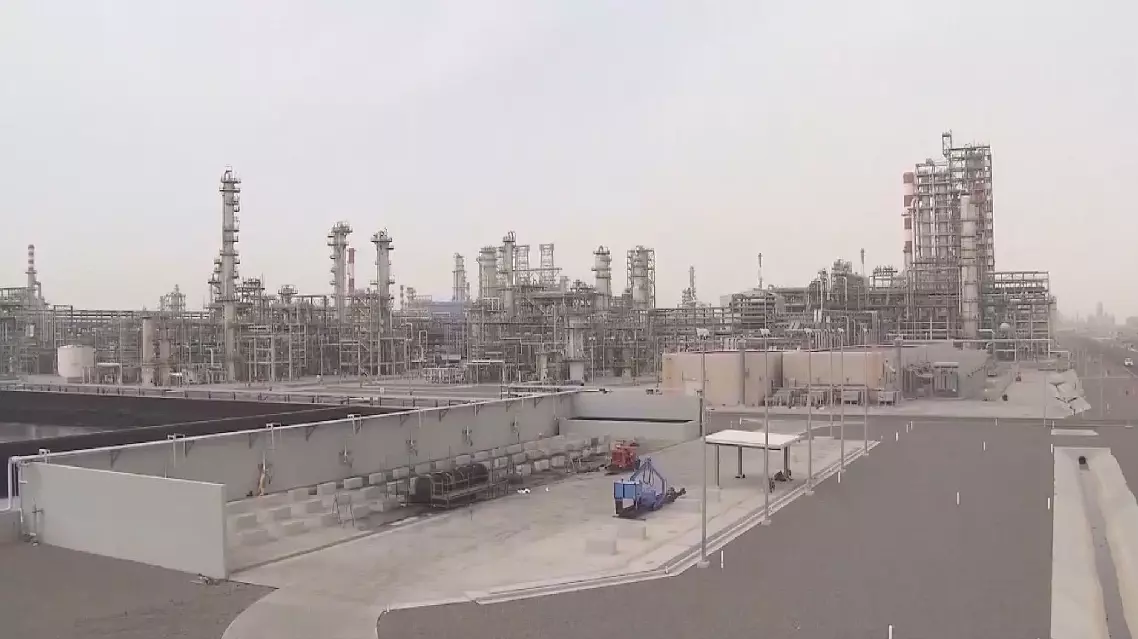
As shipping through the Strait of Hormuz gradually resumes normal operations, OPEC members including Kuwait have begun implementing plans to swiftly bring crude production back to previous levels. Market watchers will be closely monitoring whether global markets are able to absorb the returning supply.
OPEC projects long‑term oil demand growth, led by Asia
OPEC projects long‑term oil demand growth, led by Asia
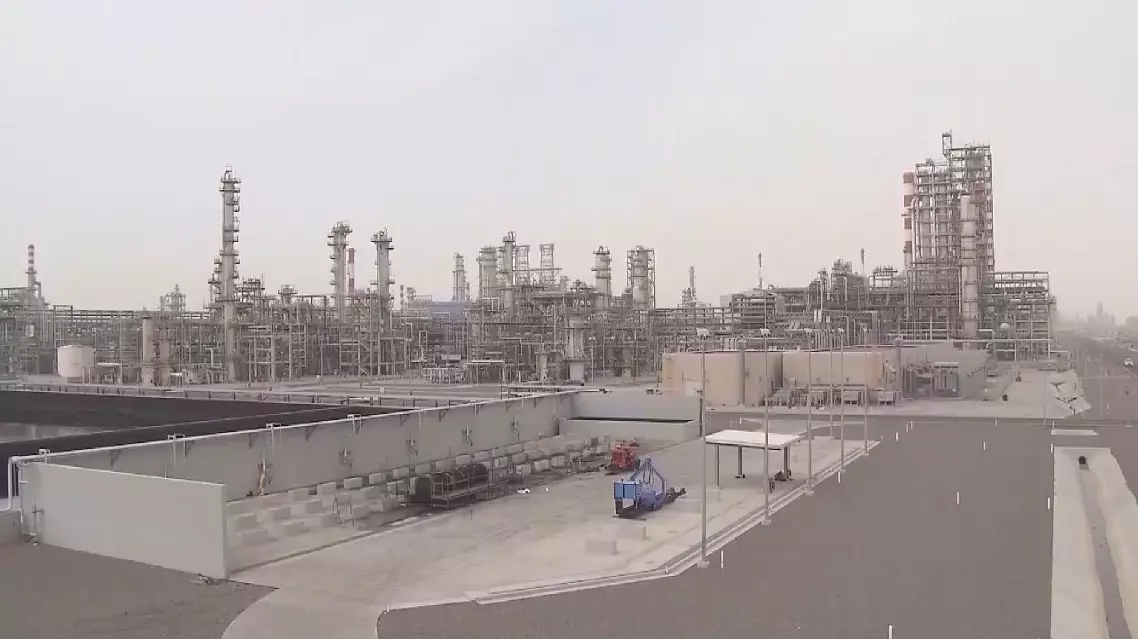
OPEC projects long‑term oil demand growth, led by Asia
More than 10,000 people gathered outside Japan's National Diet in Tokyo on Friday to protest the government's moves toward expanding military capabilities and revising the country's pacifist constitution.
On June 9, Japan's ruling Liberal Democratic Party approved a draft proposal on revising the country's three key security documents later this year, according to Kyodo News. The proposal, formalized at the party's decision-making General Council, called for securing necessary funding to transform Japan's defense capabilities within five years.
Some other conservative parties in Japan also proposed amendments to Article 9 of the constitution -- the "peace clause" that renounces war and bans "war potential", during constitutional review meetings.
"I was taught when I was young that Article 9 of the constitution is very important for keeping Japan from becoming involved in war. Now the sudden move to revise it makes me feel fearful. So to express my feelings, I came here to protest the revision," said a protester.
The protest also targeted specific policy proposals, including potential changes to restrictions that limit arms exports.
As far as the issues of war and weapons exports are concerned, Japan has followed its own historical path since the end of World War II. But what [Prime Minister Sanae] Takaichi is trying to do now is to reset this period of history back to zero. Unfortunately, some people support this approach, but I do not. I hope Japan will not take that [terrible] step again," said a protester.
"If we continue to strengthen military power, it will only worsen Japan's relations with neighboring countries. The government should not take this approach," said another protester.
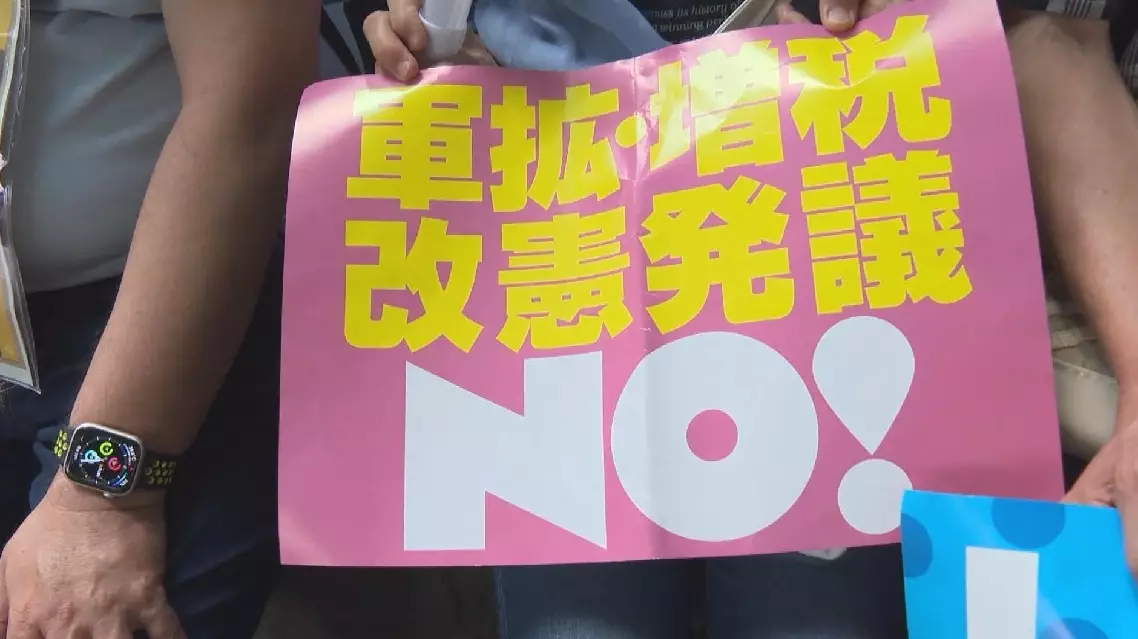
Thousands protest against Japan's military expansion, constitutional revision