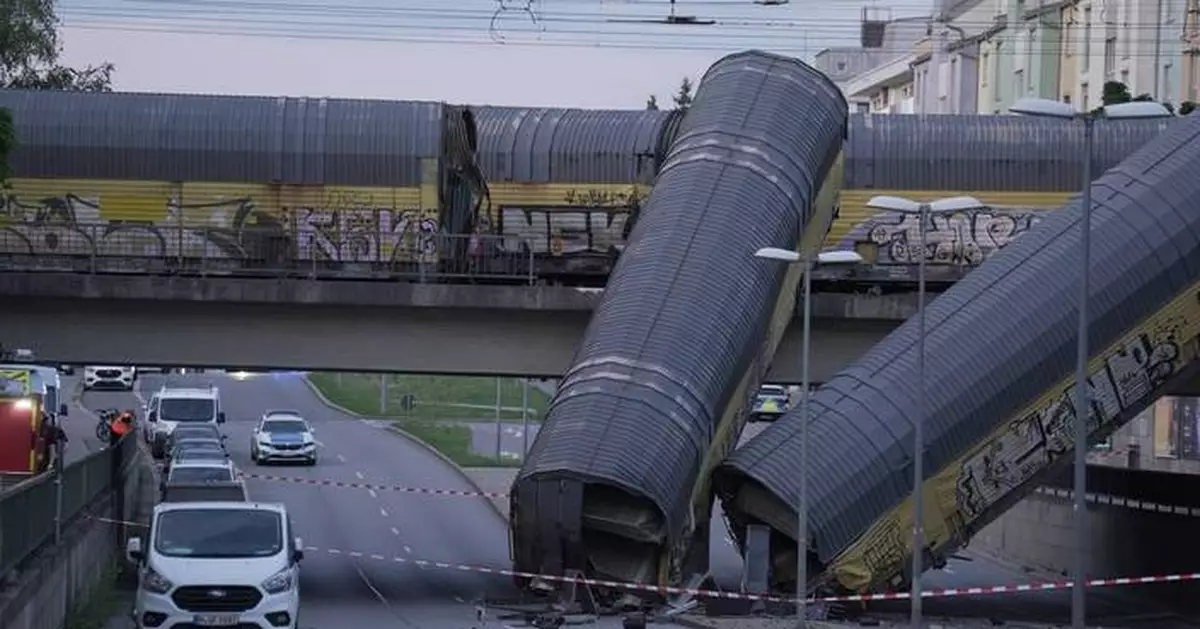
BERLIN (AP) — Two freight trains collided on a railway bridge in Germany overnight, officials said Saturday, the crash sending two wagons plunging off the bridge and onto the street below. One person was killed.
The German news agency dpa did not identify the victim in the crash, which occurred in the city of Munich. The cause of the collision was not immediately known.
The wagons fell about 5 meters (16 feet) from the bridge, dpa said. Munich police said the street beneath the bridge has been closed and urged drivers to avoid the area while recovery and clearing operations were underway.
According to dpa, the derailed wagons were not carrying any cargo and there was no threat to public safety.
There were no report of anyone else had been hurt in the crash.
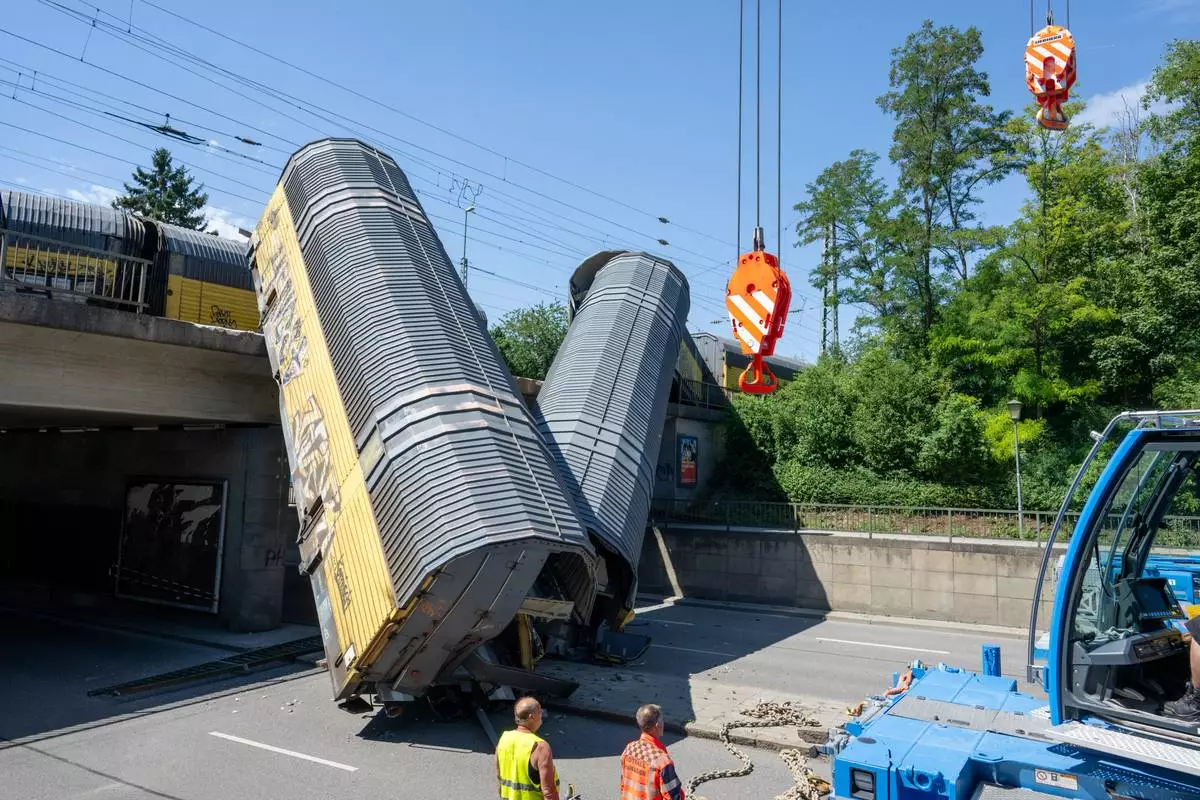
Two cars of a freight train are lying on a road after falling off a bridge in Munich, Germany, Saturday, June 20, 2026. (Stefan Puchner/dpa via AP)
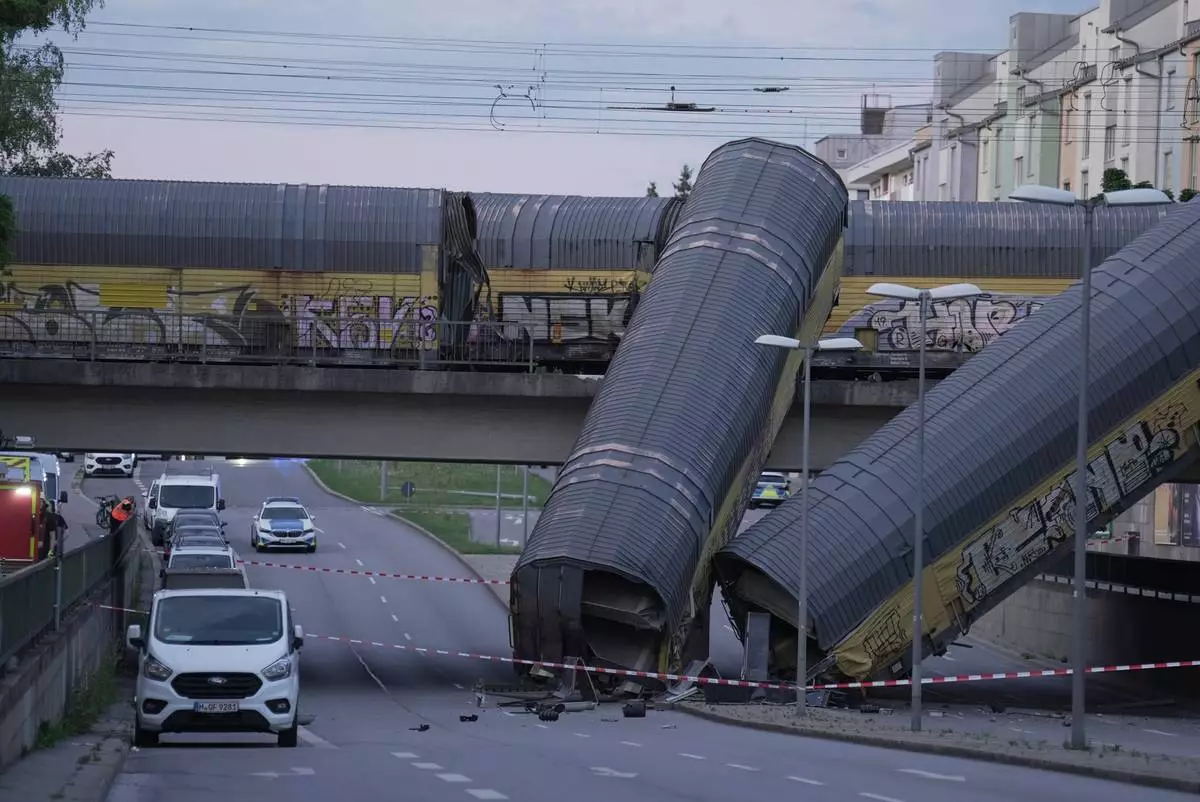
Two cars of a freight train are lying on a road after falling off a bridge in Munich, Germany, Saturday, June 20, 2026. (Ehsan Monajati/dpa via AP)
TYRE, Lebanon (AP) — Israeli strikes on southern Lebanon on Saturday killed at least 16 people, including two children, hours after reports emerged of a ceasefire agreement. The persistent fighting threatened an interim agreement between the United States and Iran to end the war in the Middle East.
Lebanon’s National News Agency said the strikes hit the southern town of Nabatiyeh and nearby villages. At least seven people remained trapped under the rubble, it said.
Mediators were scrambling to halt the fighting between Israel and the militant Lebanese Hezbollah group, after a heavy exchange on Friday killed at least 47 people in Lebanon and four Israeli soldiers.
An Israeli military official said Hezbollah had fired more than 50 projectiles at Israeli forces in southern Lebanon overnight, prompting the military to start targeting the militant group there. The official spoke anonymously in line with regulations.
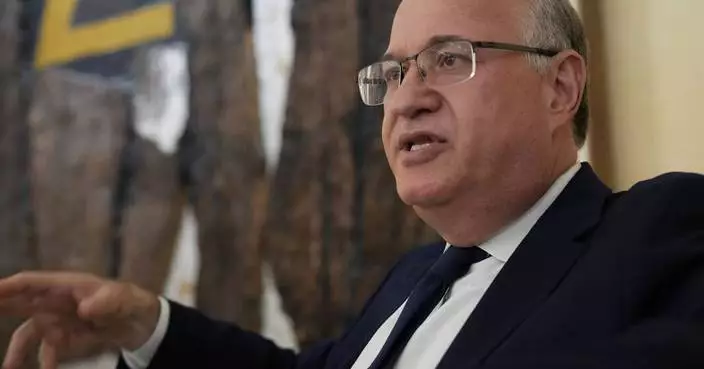
On Friday, Israeli ambassador to Washington, Yechiel Leiter, said on X that Israel “remains firmly committed to an immediate ceasefire” if Hezbollah honors the agreement and ceases hostilities.
On Saturday, Hezbollah said it had committed to the ceasefire but blamed Israel for violating it several times on Friday night. A statement issued by the group's military wing said it would abide by the ceasefire but would also repel attacks by Israeli troops.
Hezbollah and Israel went to war just days after the U.S. and Israel launched strikes on Iran on Feb. 28, with Hezbollah firing rockets and drones at civilian communities in northern Israel and Israel seizing large swaths of southern Lebanon.
The interim U.S.-Iran agreement signed this week has already reopened the Strait of Hormuz, which Iran had closed as the war unfolded — cutting off the global economy from significant supplies of oil and natural gas. The deal also envisages the relaunch of talks on Iran’s nuclear program, a core issue in the war.
Neither Israel nor Hezbollah are signatories to the deal, which calls for a halt to military operations in Lebanon and for the country's sovereignty to be respected. With the fighting continuing, the accord is under threat and U.S.-Iran talks in Switzerland, planned to start Friday, have been delayed, with no new date announced.
Israeli Prime Minister Benjamin Netanyahu has vowed to keep Israeli forces in southern Lebanon until any threat to Israel is eliminated. Hezbollah has refused to halt its attacks unless Israel commits to withdrawing from Lebanon, which Iran says is also a condition of the deal.
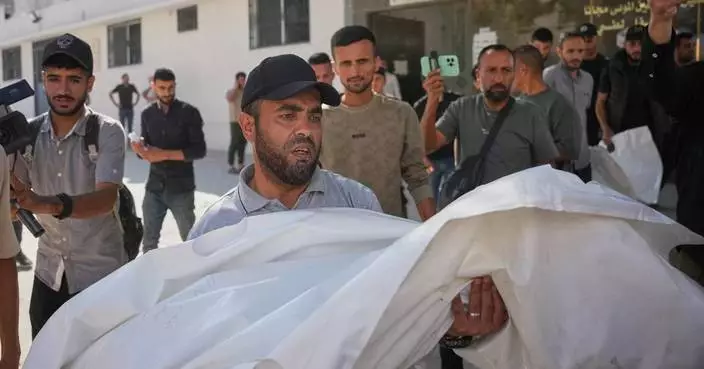
A strike on the village of Barish killed four members of a family, parents and two children. In Arab Salim village, a body was pulled from a destroyed house, and in the villages of Doueir and Kfar Rumman, drone strikes killed a person on a motorcycle and a Lebanese soldier. Nine people were killed in strikes in the villages of Qannarit, Sohmor and Shehour.
Plumes of smoke rose into the sky over southern Lebanon Saturday and Israeli jets flew low over the coastal city of Tyre.
The city's residents told The Associated Press they were relieved that Tyre had been spared in recent days but the sounds of Israeli planes reminded them the war is not over. Many doubted a ceasefire — even if agreed on — would hold.
“Our entire lives would change if there’s a ceasefire,” said Hussein Khoshman, a Tyre resident.
Netanyahu's office did not immediately comment on the ceasefire efforts. On Friday, Netanyahu posted on X that, on his orders, the Israeli army had “struck powerfully” 150 Hezbollah targets, killing dozens of militants.
Military spokesman Brig. Gen. Effie Defrin said the Israeli forces were operating in a “forward defense zone” and would continue doing so.
Iranian officials did not travel as planned to Switzerland, insisting that the fighting in Lebanon must stop before the talks can take place. U.S. Vice President JD Vance also postponed his trip.
On Saturday, Iran's Foreign Ministry spokesman Esmail Baghaei told the semi-official ISNA news agency that Pakistan's interior minister will arrive in Iran as part of continued negotiation efforts. Baghaei had said earlier that consultations through mediators were ongoing regarding the next phase of negotiations to draft a final U.S.-Iran agreement.
Because the initial deal was signed digitally earlier this week, the talks in Switzerland were not urgent, and plans were underway to hold a meeting in the coming days, he said.
The talks in Switzerland were expected to focus on Iran’s nuclear program. Tehran maintains it's for peaceful purposes only, though it has a large stockpile of uranium enriched to higher levels that are a step short of weapons' grade. That uranium could be used to build multiple atomic bombs, should Tehran choose to do so, according to the International Atomic Energy Agency, the U.N. nuclear watchdog.
Those talks are expected to be difficult. The 2015 nuclear deal, which U.S. President Donald Trump scrapped during his first term, took more than 18 months to negotiate.
The interim deal gives negotiators 60 days to come up with a nuclear agreement, but that can be extended. It outlines lucrative incentives if Iran does reach a new agreement, including the eventual lifting of all international sanctions and a $300 billion fund for postwar reconstruction.
Iran has already won some concessions. Following the signing of the interim deal, the U.S. lifted its blockade of Iran’s ports and is allowing it to sell its oil freely. The deal also calls for Iran’s assets to be unfrozen — though it’s not clear how quickly.
Mroue reported from Beirut. Associated Press writers Abby Sewell in Beirut and Samy Magdy in Cairo contributed to this report.
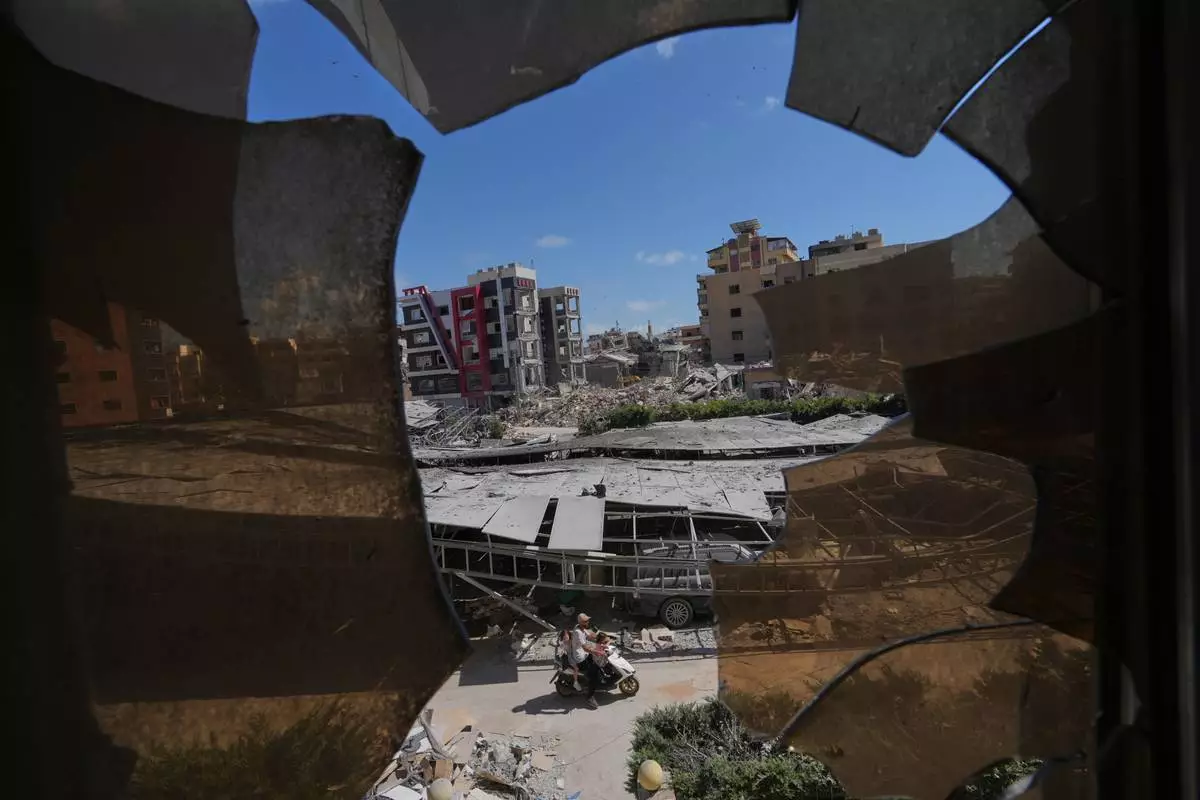
Buildings damaged by Israeli strikes are seen through shattered glass from the Jabal Amel Hospital in the southern port city of Tyre, Lebanon, Thursday, June 18, 2026. (AP Photo/Hassan Ammar)
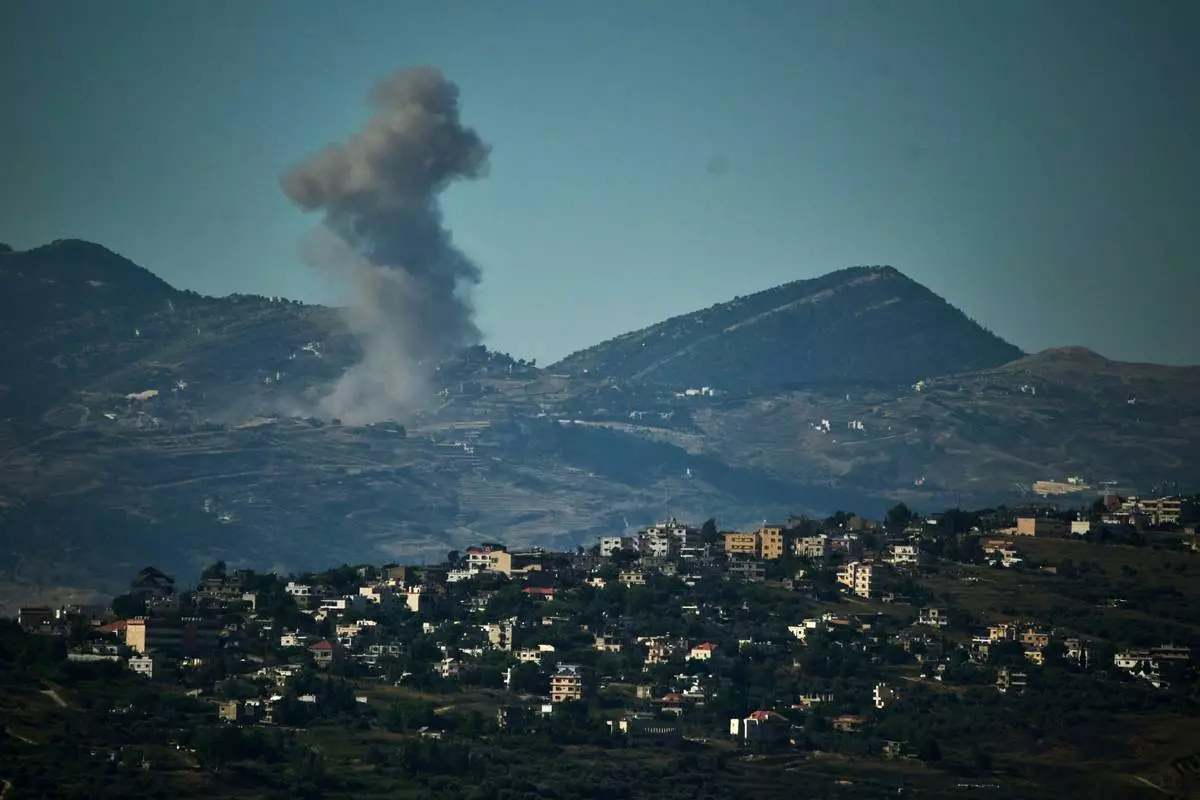
Smoke rises to the sky following an Israeli military strike in southern Lebanon as seen from northern Israel, Friday, June 19, 2026. (AP Photo/Leo Correa)