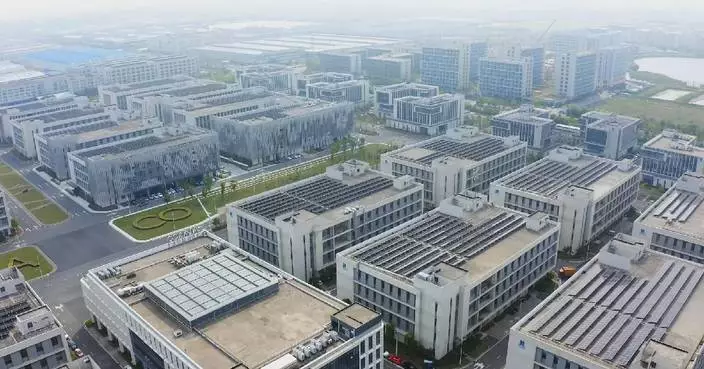
Amid Cuba's prolonged energy crisis, solar photovoltaic systems are emerging as a lifeline for small and medium-sized enterprises struggling with daily power outages.
In Havana, one small cafe stands out on blackout nights. While the surrounding streets are plunged into darkness, the cafe remains brightly lit.
"Right now there is no electricity inside at all. We are running on solar panels and charging our batteries at the same time. These batteries supply all the power for the entire house. It takes about seven or eight hours to fully charge them. Here you can see the batteries charging. It's at 99 percent," said Adrian, cafe manager.
The solar system not only keeps the business operating normally during long outages but also offers customers a place to charge their devices.
"It basically solves all my work-related problems because I work online. Without power at home, I wouldn't be able to work," said Richard, a customer.
Cuba's electricity shortage has worsened significantly due to the impact of the U.S. blockade, with daily blackouts in Havana often lasting more than 10 hours. This has severely disrupted both daily life and commercial activities.
In response, more small businesses are turning to solar energy.
"Sales are growing mainly because of increased demand. Energy supply in Cuba has been very limited for many years and is declining. This need is being met through solar energy," said Alexander, a solar system seller.
As equipment costs continue to fall, solar systems are gradually becoming affordable for small and medium-sized enterprises.
The Cuban government is also supporting the shift toward renewable energy by offering incentives, including tariff exemptions on imported solar equipment for individuals and companies, as well as tax breaks for businesses and individuals investing in renewable energy projects.
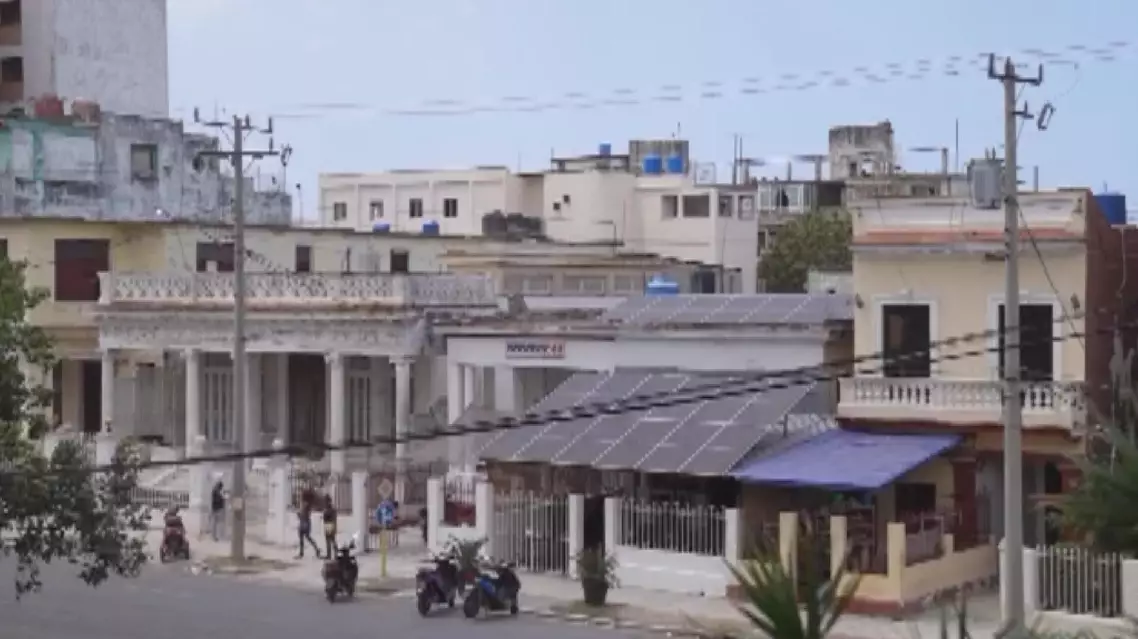
Solar power helps Cuban small businesses survive energy crisis
Iran's President Masoud Pezeshkian and Foreign Minister Seyed Abbas Araghchi met with visiting Armenian Foreign Minister Ararat Mirzoyan in Tehran separately on Monday, each stressing Iran's resolve to defend its national interests and security.
Pezeshkian said in his meeting with Mirzoyan, negotiations "were difficult with an adversary that repeatedly used sanctions, threats, pressure and attacks and had failed to honor agreements," according to a statement published on his office's website.
He said the United States had repeatedly attacked Iran after talks, arguing that the U.S. was seeking to undermine the Islamic Republic rather than pursue genuine dialogue.
The Iranian president criticized the U.S. for offering no answer to the killing of 168 innocent children at a school in Iran's southern city of Minab on Feb. 28.
Pezeshkian said Iran has repeatedly "demonstrated the peaceful nature of its nuclear activities" and had accepted extensive monitoring by the International Atomic Energy Agency. Addressing the United Nations General Assembly in New York in late September, he said Iran was not seeking nuclear weapons and remained ready for verification.
In talks with his Armenian counterpart, Araghchi said Iran will "decisively" defend its national interests and security, but has never hesitated to use diplomacy to prevent an escalation of tensions, according to a statement released by the Iranian Foreign Ministry.
He said the "precarious" consequences of the U.S.-Israeli military "aggression" against Iran are the main cause of the insecurity imposed on commercial shipping in the Strait of Hormuz.
On Feb. 28, Israel and the United States launched joint attacks on Tehran and other Iranian cities. Iran responded with waves of missile and drone attacks targeting Israel and U.S. bases and assets in the region, and tightened its grip on the Strait of Hormuz.
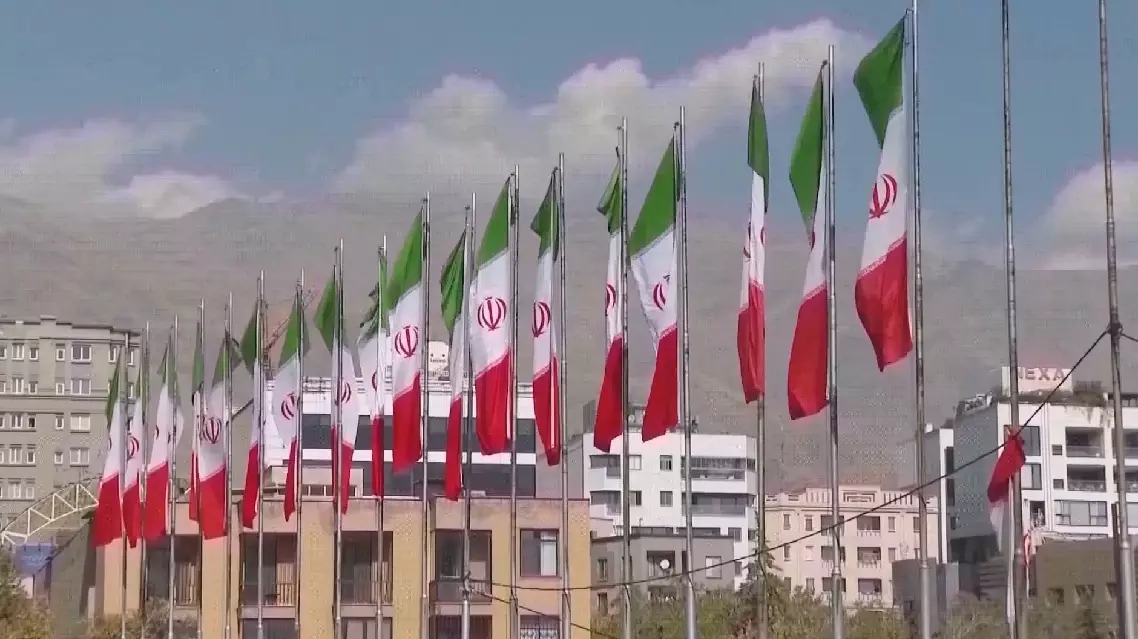
Iran's president, FM vow defense of national interests