Skip to Content Facebook Feature Image

Bolivia’s president declares a state of emergency as road blockades choke supplies

News

Bolivia’s president declares a state of emergency as road blockades choke supplies
News

News

Bolivia’s president declares a state of emergency as road blockades choke supplies

2026-06-21 01:58 Last Updated At:02:01

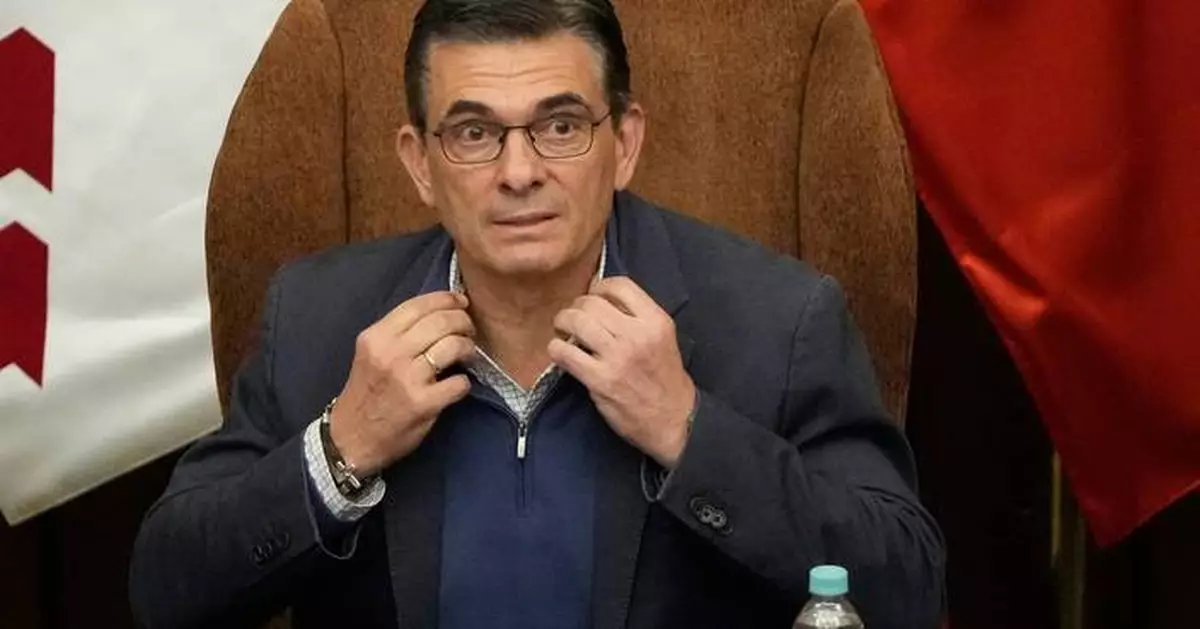
LA PAZ, Bolivia (AP) — President Rodrigo Paz on Saturday declared a state of emergency that gives the military broad power to remove road blockades that have put a stranglehold on fuel and food supplies in Bolivia's seat of government and other major cities.

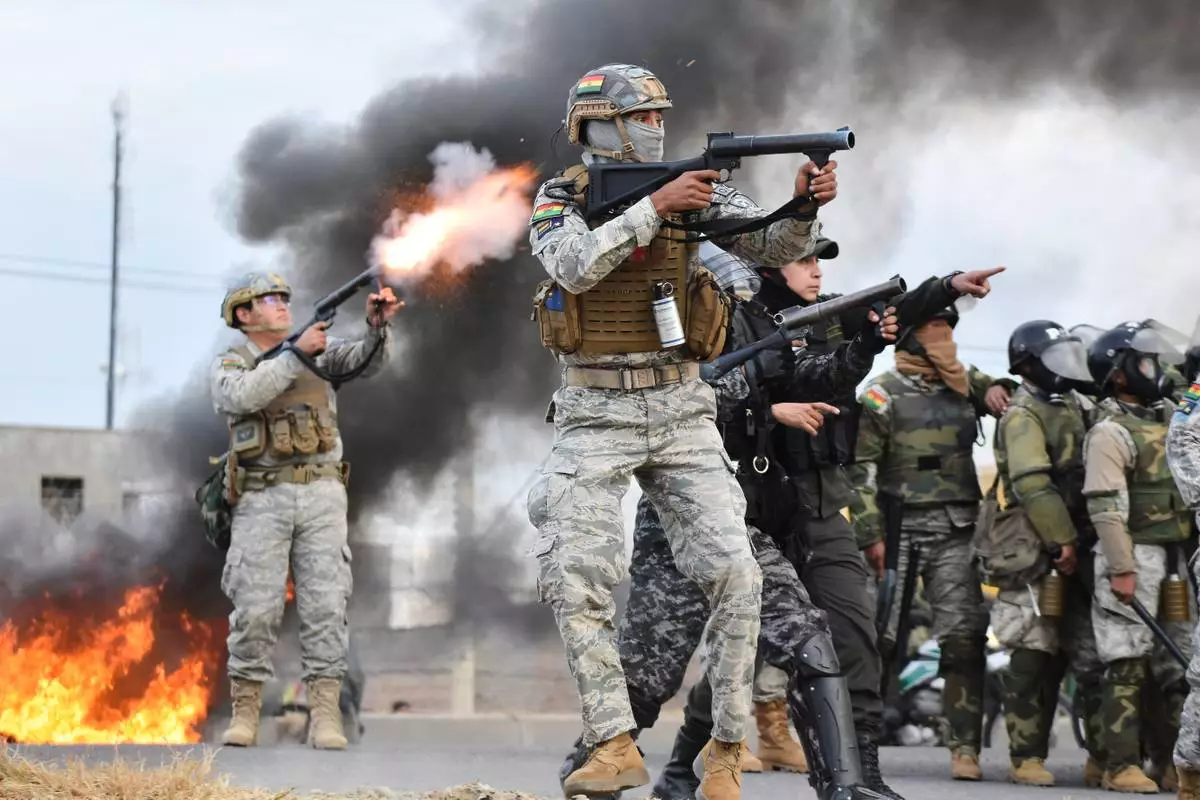
A wave of protests over the last five weeks has called for Paz to step down over austerity measures imposed by the government, including the cancellation of fuel subsidies, and other issues. The demonstrations have unleashed violent confrontations between dynamite-wielding demonstrators and riot police, leading to at least 365 arrests and 37 injuries, according to authorities.

More Images
Residentes take pictures at police clearing a highway blocked by protesters after President Rodrigo Paz declared a state of emergency in El Alto, Bolivia, Saturday, June 20, 2026. (AP Photo/Juan Karita)
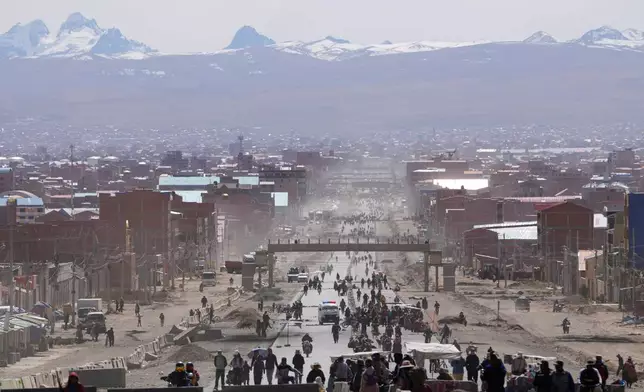
Residentes take pictures at police clearing a highway blocked by protesters after President Rodrigo Paz declared a state of emergency in El Alto, Bolivia, Saturday, June 20, 2026. (AP Photo/Juan Karita)

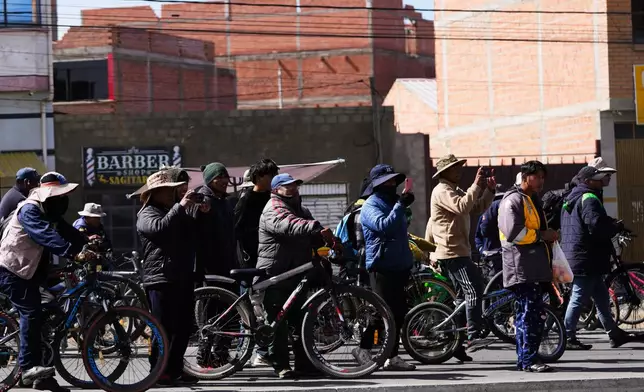
Residents walk on a highway after President Rodrigo Paz declared a state of emergency to empower the military to remove road blockades, in El Alto, Bolivia, Saturday, June 20, 2026. (AP Photo/Juan Karita)
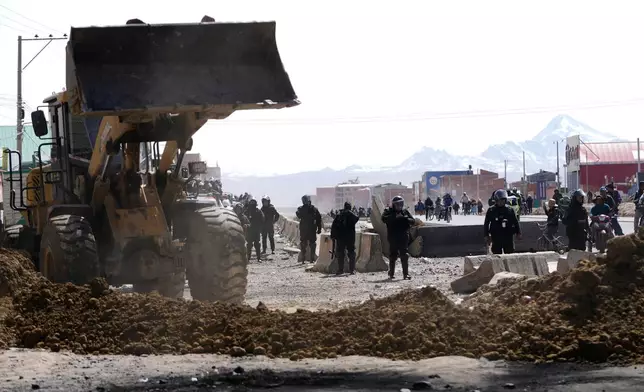
Residents walk on a highway after President Rodrigo Paz declared a state of emergency to empower the military to remove road blockades, in El Alto, Bolivia, Saturday, June 20, 2026. (AP Photo/Juan Karita)

Police clear a highway blocked by protesters after President Rodrigo Paz declared a state of emergency in El Alto, Bolivia, Saturday, June 20, 2026. (AP Photo/Juan Karita)
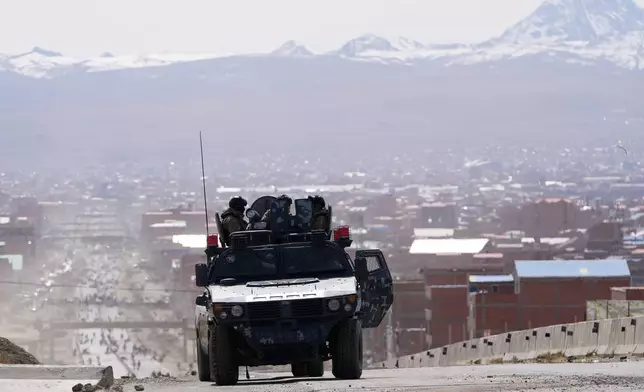
Police clear a highway blocked by protesters after President Rodrigo Paz declared a state of emergency in El Alto, Bolivia, Saturday, June 20, 2026. (AP Photo/Juan Karita)

Police patrol a highway after President Rodrigo Paz declared a state of emergency to empower the military to remove road blockades, in El Alto, Bolivia, Saturday, June 20, 2026. (AP Photo/Juan Karita)
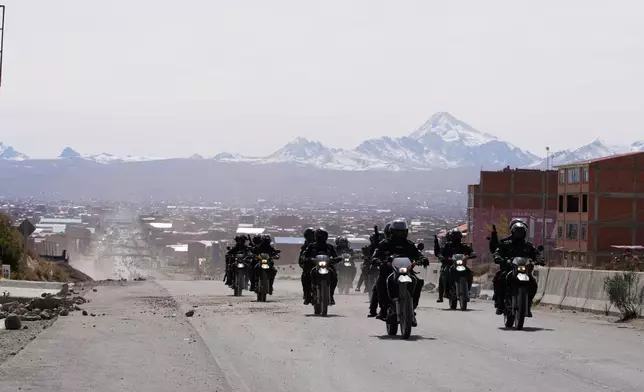
Police patrol a highway after President Rodrigo Paz declared a state of emergency to empower the military to remove road blockades, in El Alto, Bolivia, Saturday, June 20, 2026. (AP Photo/Juan Karita)
Police patrol a highway after President Rodrigo Paz declared a state of emergency to empower the military to remove road blockades, in El Alto, Bolivia, Saturday, June 20, 2026. (AP Photo/Juan Karita)

Police patrol a highway after President Rodrigo Paz declared a state of emergency to empower the military to remove road blockades, in El Alto, Bolivia, Saturday, June 20, 2026. (AP Photo/Juan Karita)

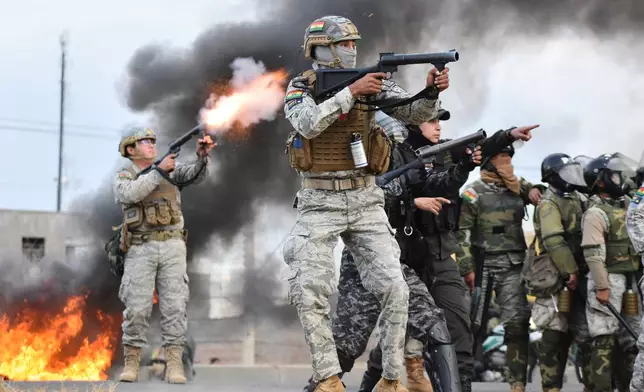
Police fire tear gas at anti-government protesters blocking a highway in Vinto, Bolivia, Monday, June 8, 2026. (AP Photo/Dico Soliz)
Police fire tear gas at anti-government protesters blocking a highway in Vinto, Bolivia, Monday, June 8, 2026. (AP Photo/Dico Soliz)

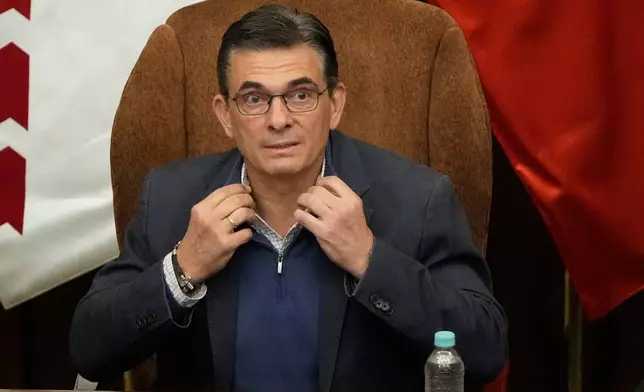
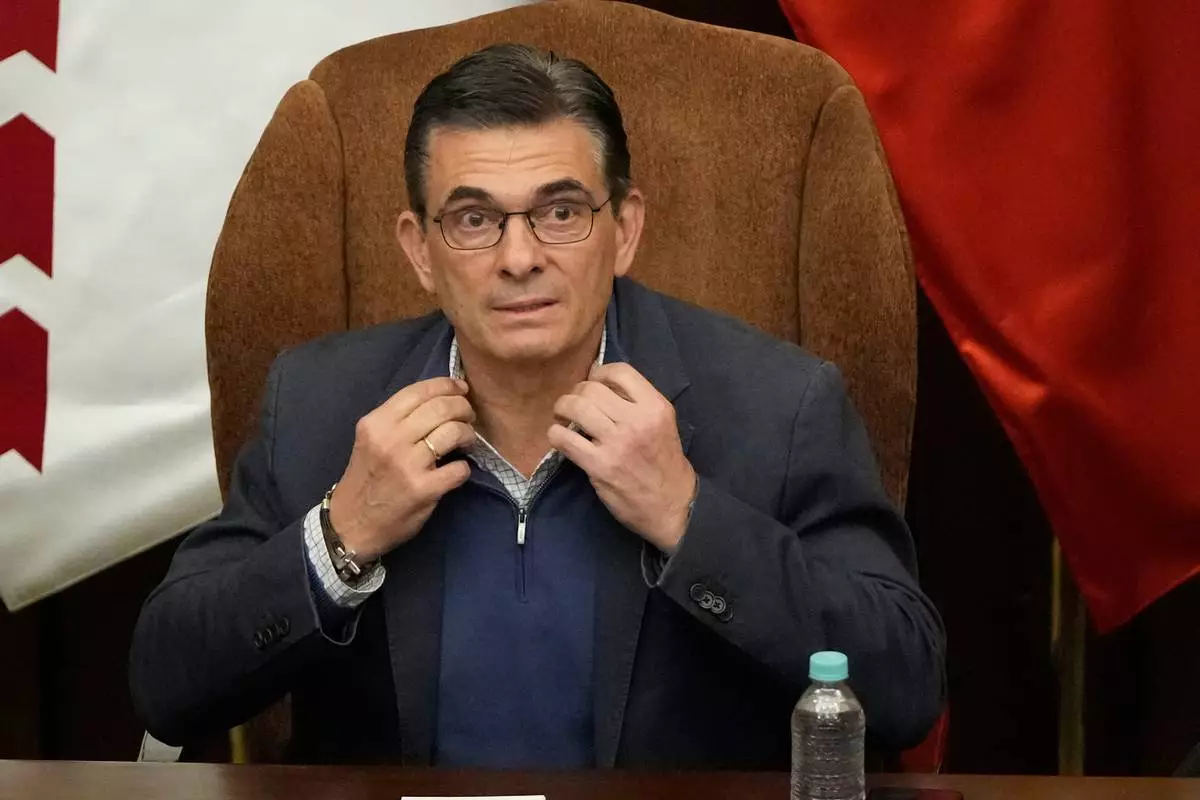
Bolivian President Rodrigo Paz meets with leaders of the Bolivian Workers' Central, or COB, in La Paz, Bolivia, Wednesday, June 17, 2026, after weeks of protests and road blockades across the country.(AP Photo/Juan Karita)

Bolivian President Rodrigo Paz meets with leaders of the Bolivian Workers' Central, or COB, in La Paz, Bolivia, Wednesday, June 17, 2026, after weeks of protests and road blockades across the country.(AP Photo/Juan Karita)

At least 17 people have died, most of them linked to a lack of medical care caused by transportation disruptions, according to Bolivia’s ombudsman’s office and human rights organizations.

Barricades erected on key roads have effectively isolated the city of La Paz, triggering fuel and food shortages, paralyzing transportation and preventing patients from reaching hospitals — causing at least seven deaths for lack of medical attention, the government says.

“This is not a state of emergency to restrict people’s lives. It is a state of emergency to give people back their freedom,” the president said in a televised address to the nation.

As businesses closed over the course of the protests, supermarket shelves emptied and hospitals ran out of oxygen, calls from some sectors of society escalated for Paz to restore order through force.

On Friday night, Paz signed an agreement with one of the labor unions, whose leaders called for the blockades to be lifted. But other protesters have demanded that Paz resign and refused to negotiate.

Paz said that the state of emergency is intended to guarantee fuel supplies, which have become increasingly scarce as roadblocks have left tanker trucks stranded.

The decree prohibits “blocking streets, avenues, roads and highways in ways that affect transportation and supplies,” and orders the armed forces to temporarily support the police “in restoring order, reopening roads and protecting the population.” The state of emergency doesn't limit due process rights or constitutional guarantees and allows people to continue their daily activities, according to the decree.

The state of emergency will last 90 days, but could be lifted earlier if “violence and threats against the population come to an end,” the government said in a statement.

Paz came to power in November, ending almost 20 years of uninterrupted rule by Bolivia’s Movement Toward Socialism party, or MAS, which delivered the country's worst economic crisis in a generation. A centrist who triumphed over more conservative candidates, Paz promised to resolve chronic fuel shortages and replenish the central bank's almost-empty coffers, while protecting the social welfare that represented a pillar of MAS' popularity.

But his austerity measures, most significantly the elimination of long-standing fuel subsidies, have exacerbated biting inflation. His government fixed fuel shortages, but with poor-quality gasoline that damaged thousands of vehicles. Reforms to encourage foreign investment and stimulate economic growth have stalled in Congress.

The highland Indigenous and rural workers' groups — who long supported MAS but helped vault Paz to power last year — have led the protests, accusing his government of neglecting their needs since entering office.

He faces rising pressure from both Bolivia's hard-right, which dominates Congress, and long-ruling left. Former President Evo Morales has supported the protests and demanded a new election from his hideout in the coca-growing tropics, where he is evading an arrest warrant on charges related to statutory rape.

The Trump administration has backed Paz, who repaired relations with the U.S. after years of anti-Western hostility in Bolivia under Morales.

U.S. Secretary of State Marco Rubio called Paz to inform him last week that Washington was “ramping up emergency assistance and logistics operations support” to help alleviate shortages caused by the blockades.

U.S. Secretary of Defense Pete Hegseth denounced the protests as “attempts to overthrow the legitimate government,” and issued a stark warning to those who he said were “profiting on death and destruction in our hemisphere.”

“The United States is watching,” he wrote on X.

Isabel Debre reported from Buenos Aires.

Follow AP’s coverage of Latin America and the Caribbean at https://apnews.com/hub/latin-america
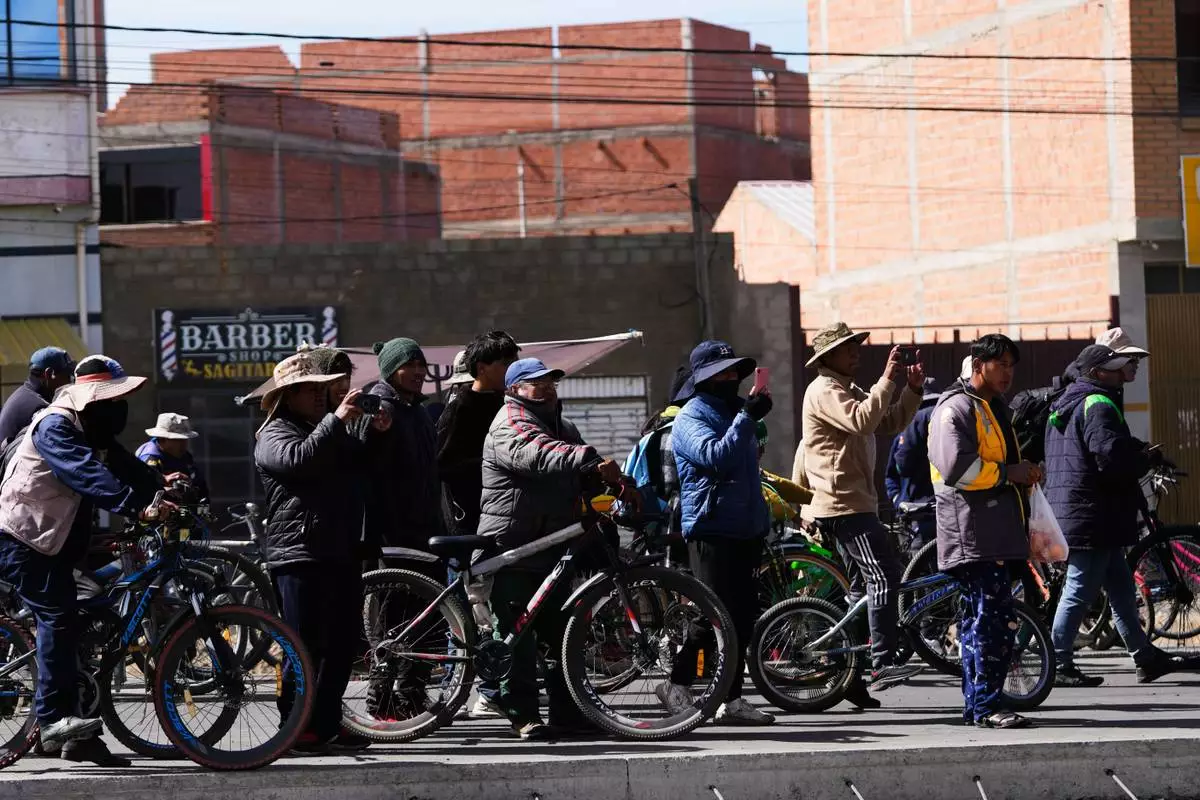
Residentes take pictures at police clearing a highway blocked by protesters after President Rodrigo Paz declared a state of emergency in El Alto, Bolivia, Saturday, June 20, 2026. (AP Photo/Juan Karita)
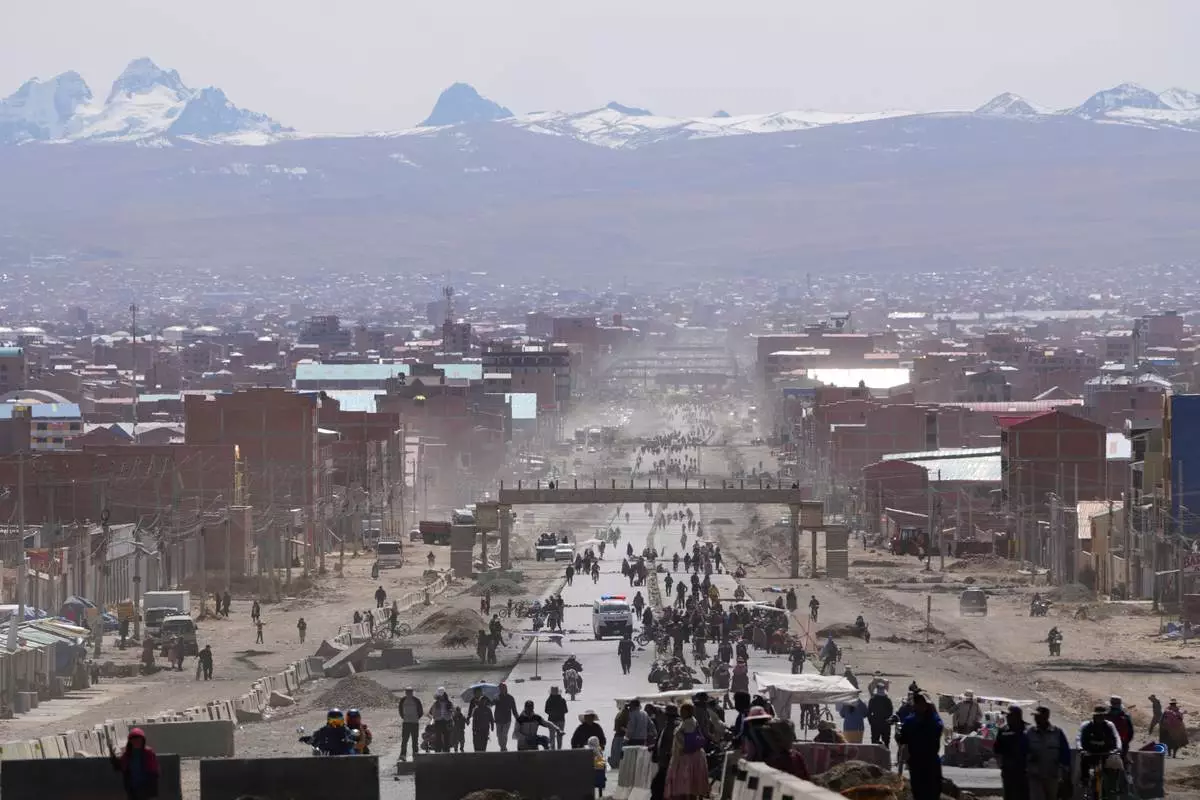
Residentes take pictures at police clearing a highway blocked by protesters after President Rodrigo Paz declared a state of emergency in El Alto, Bolivia, Saturday, June 20, 2026. (AP Photo/Juan Karita)

Residents walk on a highway after President Rodrigo Paz declared a state of emergency to empower the military to remove road blockades, in El Alto, Bolivia, Saturday, June 20, 2026. (AP Photo/Juan Karita)
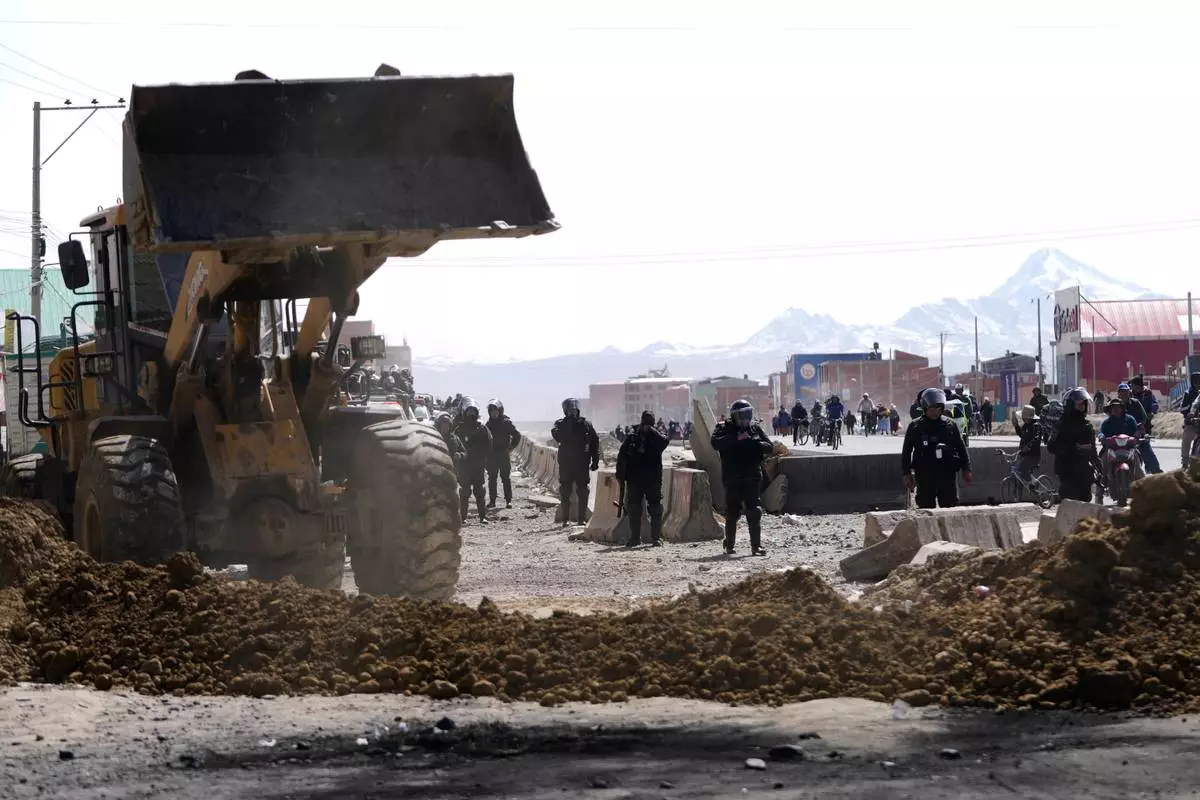
Residents walk on a highway after President Rodrigo Paz declared a state of emergency to empower the military to remove road blockades, in El Alto, Bolivia, Saturday, June 20, 2026. (AP Photo/Juan Karita)

Police clear a highway blocked by protesters after President Rodrigo Paz declared a state of emergency in El Alto, Bolivia, Saturday, June 20, 2026. (AP Photo/Juan Karita)
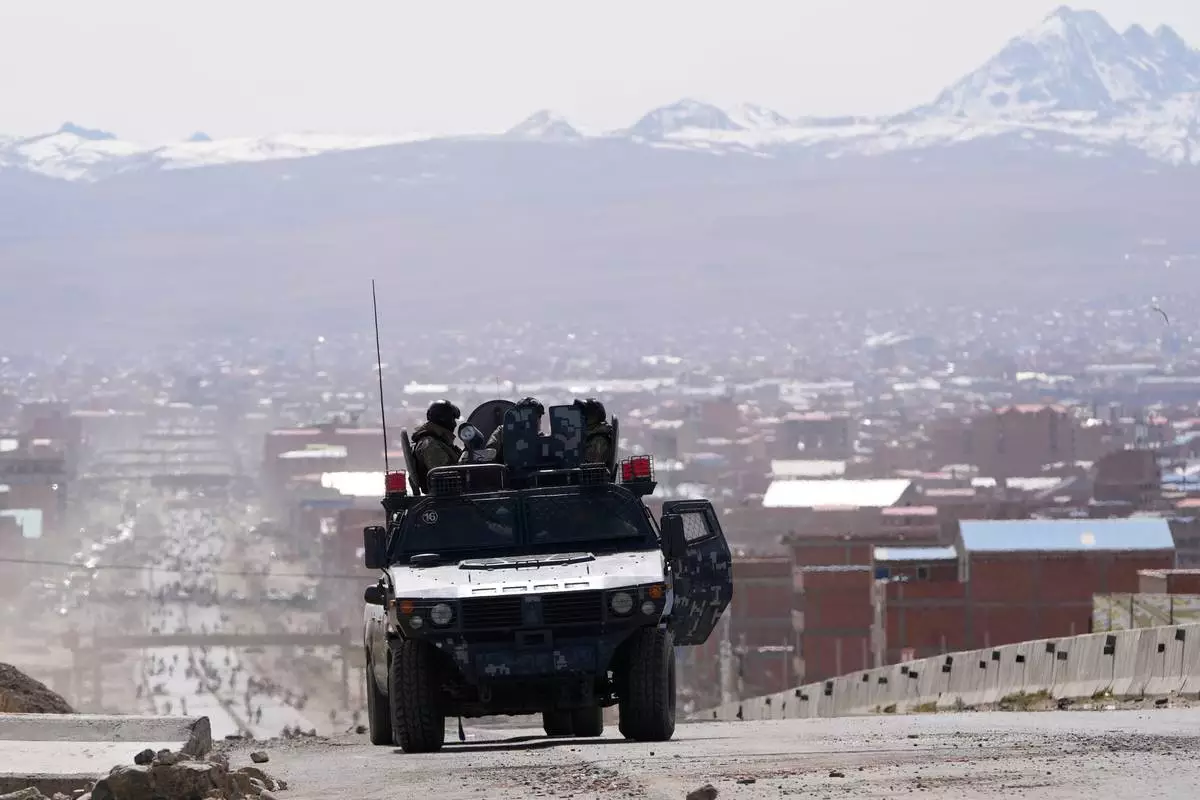
Police clear a highway blocked by protesters after President Rodrigo Paz declared a state of emergency in El Alto, Bolivia, Saturday, June 20, 2026. (AP Photo/Juan Karita)

Police patrol a highway after President Rodrigo Paz declared a state of emergency to empower the military to remove road blockades, in El Alto, Bolivia, Saturday, June 20, 2026. (AP Photo/Juan Karita)
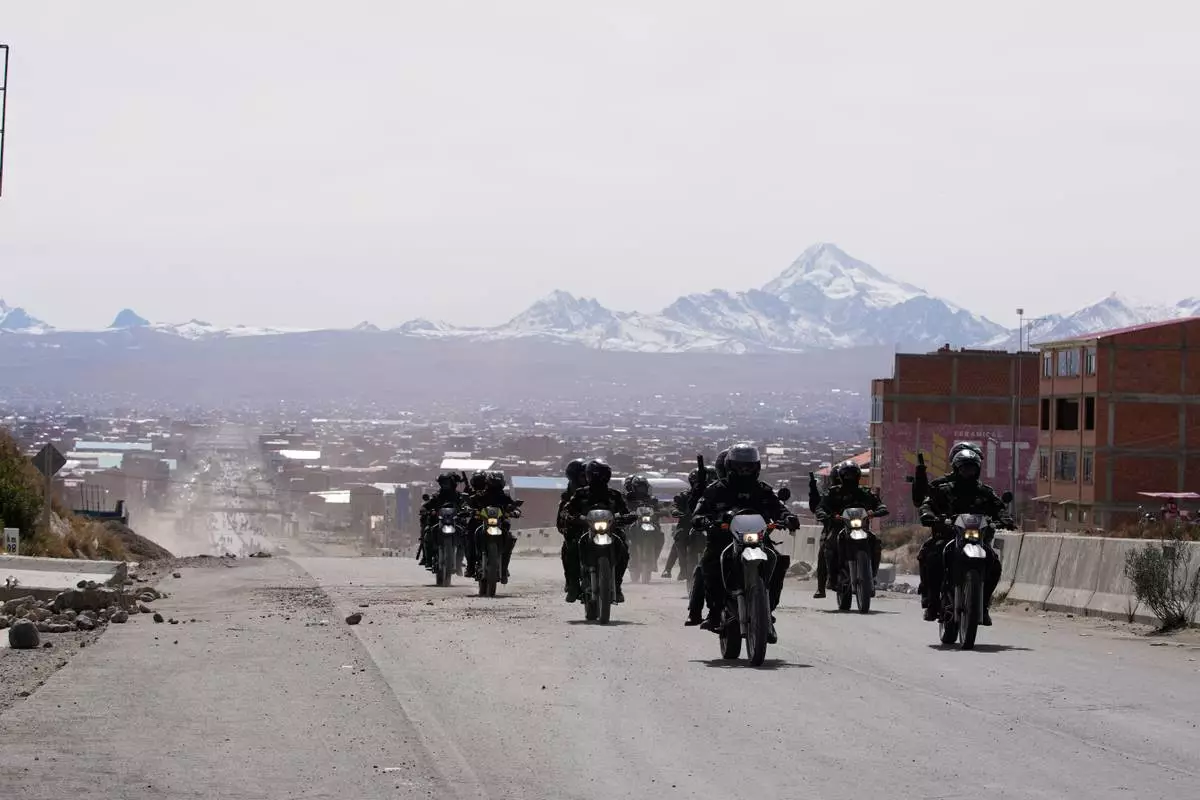
Police patrol a highway after President Rodrigo Paz declared a state of emergency to empower the military to remove road blockades, in El Alto, Bolivia, Saturday, June 20, 2026. (AP Photo/Juan Karita)
Police patrol a highway after President Rodrigo Paz declared a state of emergency to empower the military to remove road blockades, in El Alto, Bolivia, Saturday, June 20, 2026. (AP Photo/Juan Karita)

Police patrol a highway after President Rodrigo Paz declared a state of emergency to empower the military to remove road blockades, in El Alto, Bolivia, Saturday, June 20, 2026. (AP Photo/Juan Karita)

Police fire tear gas at anti-government protesters blocking a highway in Vinto, Bolivia, Monday, June 8, 2026. (AP Photo/Dico Soliz)
Police fire tear gas at anti-government protesters blocking a highway in Vinto, Bolivia, Monday, June 8, 2026. (AP Photo/Dico Soliz)

Bolivian President Rodrigo Paz meets with leaders of the Bolivian Workers' Central, or COB, in La Paz, Bolivia, Wednesday, June 17, 2026, after weeks of protests and road blockades across the country.(AP Photo/Juan Karita)

Bolivian President Rodrigo Paz meets with leaders of the Bolivian Workers' Central, or COB, in La Paz, Bolivia, Wednesday, June 17, 2026, after weeks of protests and road blockades across the country.(AP Photo/Juan Karita)
LONDON (AP) — New Zealand was slowly but surely closing in on winning The Oval test after reducing England to 182-5 on Saturday in a doubtful fourth-innings chase of 463.

England interim captain Joe Root was 75 not out at stumps on day four with debutant Jordan Cox beside him and yet to get off the mark.

But even with Root, test cricket's second highest run-scorer in the middle, few gave England a chance of pulling off a miracle comeback.

England came out after tea, already three wickets down for 54, to a spectator with a trumpet blowing the tune to “The Great Escape,” the 1963 Steve McQueen war epic.

And for a compelling 90 minutes England supporters could dream as Root and Harry Brook decided to go down swinging.

They brought up 50 together off 42 balls. New Zealand got the ball changed but Brook pulled Nathan Smith for six over square leg.

Brook got another Oval ovation after reaching his fastest test fifty, off 33 balls, and the crowd were back on their feet for Root's fifty off 81 balls.

But the batters' bravado was dampened by Matt Henry.

New Zealand's senior seamer, who took five wickets in the first innings including Root and Brook, returned to produce a nagging line and length that got both batters out lbw. But both umpire's decisions were overturned because Root and Brook got subtle inside edges onto their pads.

But Henry ultimately trumped the great escapes and broke the partnership of 97 when he got Brook deflecting a block to first slip on 58 off 54 balls.

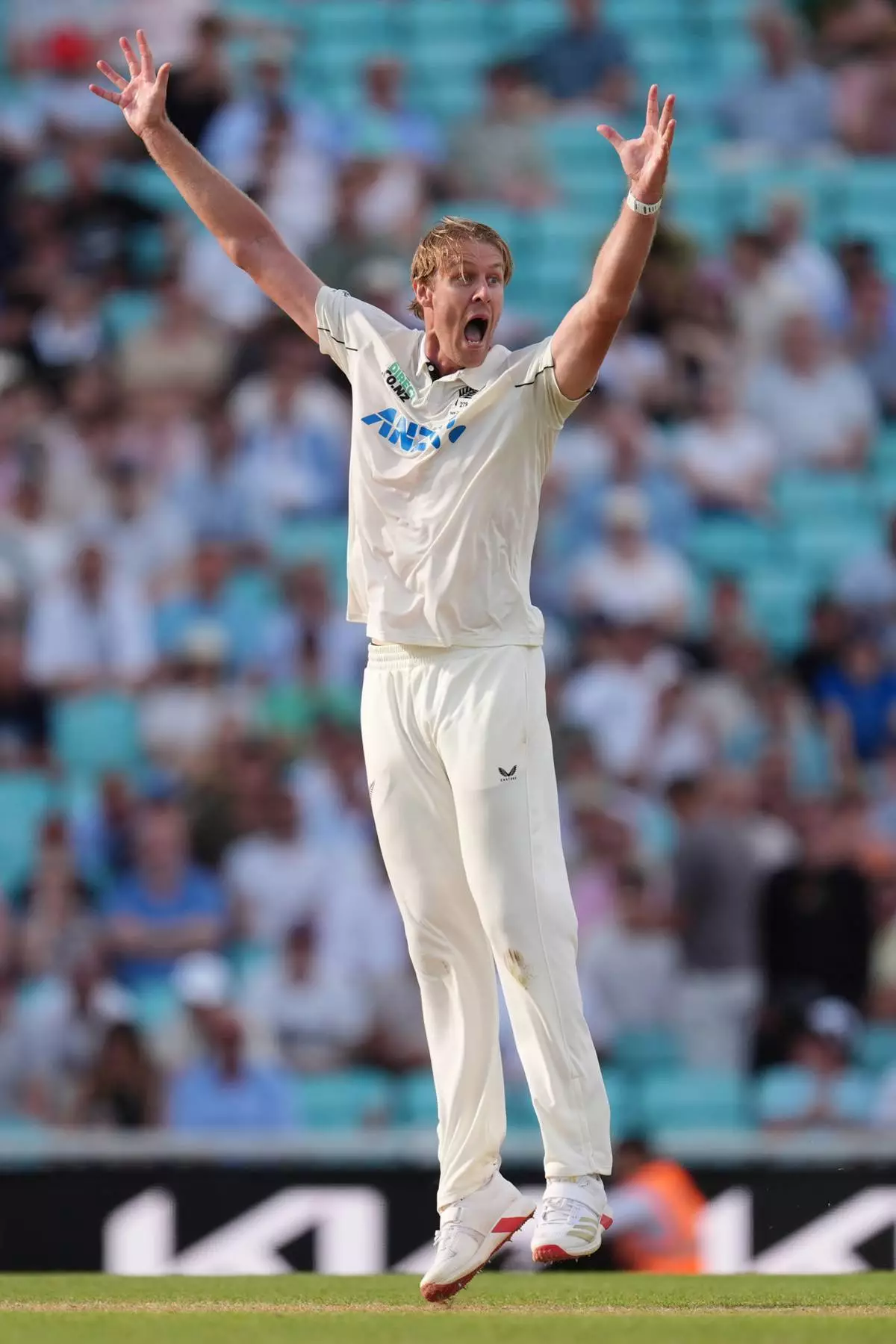
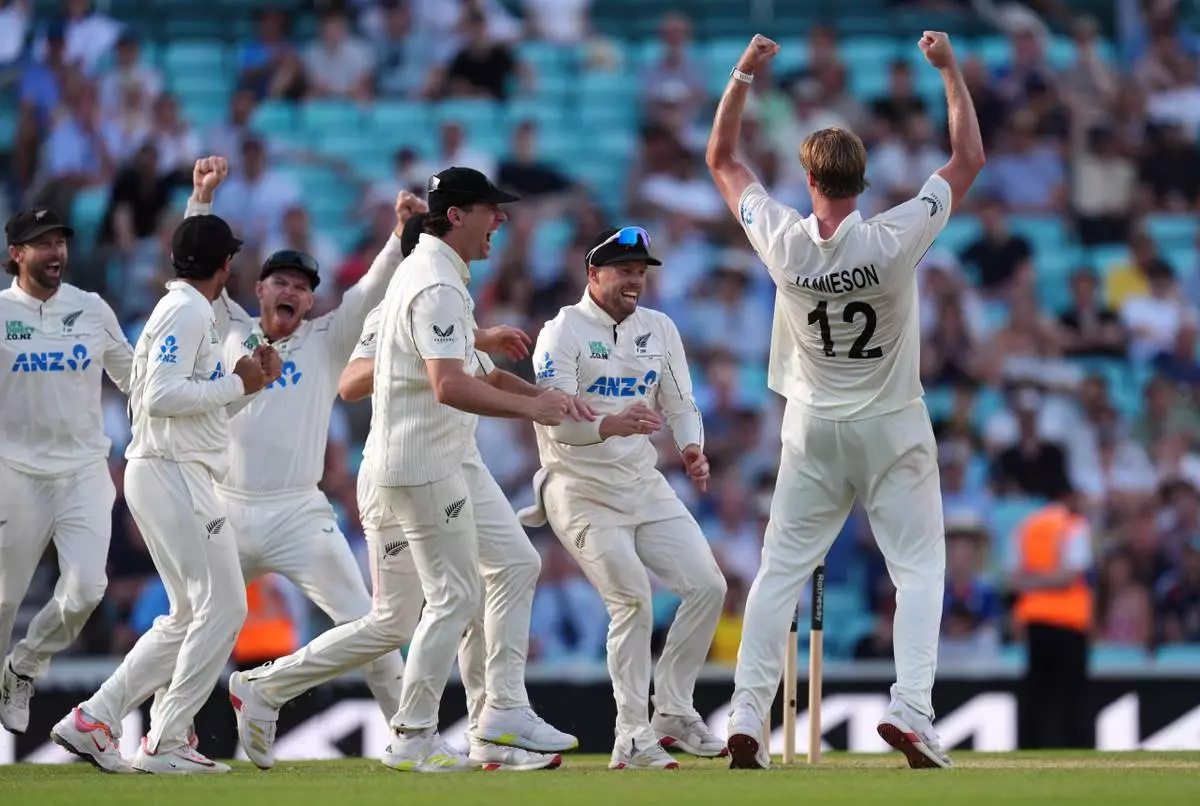
Without his inspiration, Root dug in with debutant James Rew and they looked like reaching stumps together until Kyle Jamieson hit Rew in the groin nine minutes from the day's end. New Zealand's speculative review turned up aces with Rew lbw to a bail trimmer on 15.

AP cricket: https://apnews.com/hub/cricket

New Zealand's Kyle Jamieson appeals successfully before England's James Rew is caught on day four of the Second Rothesay Test cricket match between England and New Zealand in London, England, Saturday, June 20, 2026. (Ben Whitley/PA via AP

New Zealand's Kyle Jamieson appeals successfully before England's James Rew is caught on day four of the Second Rothesay Test cricket match between England and New Zealand in London, England, Saturday, June 20, 2026. (Ben Whitley/PA via AP

New Zealand's Kyle Jamieson celebrates after England's James Rew is caught on day four of the Second Rothesay Test cricket match between England and New Zealand in London, England, Saturday, June 20, 2026. (Ben Whitley/PA via AP)

New Zealand's Kyle Jamieson celebrates after England's James Rew is caught on day four of the Second Rothesay Test cricket match between England and New Zealand in London, England, Saturday, June 20, 2026. (Ben Whitley/PA via AP)

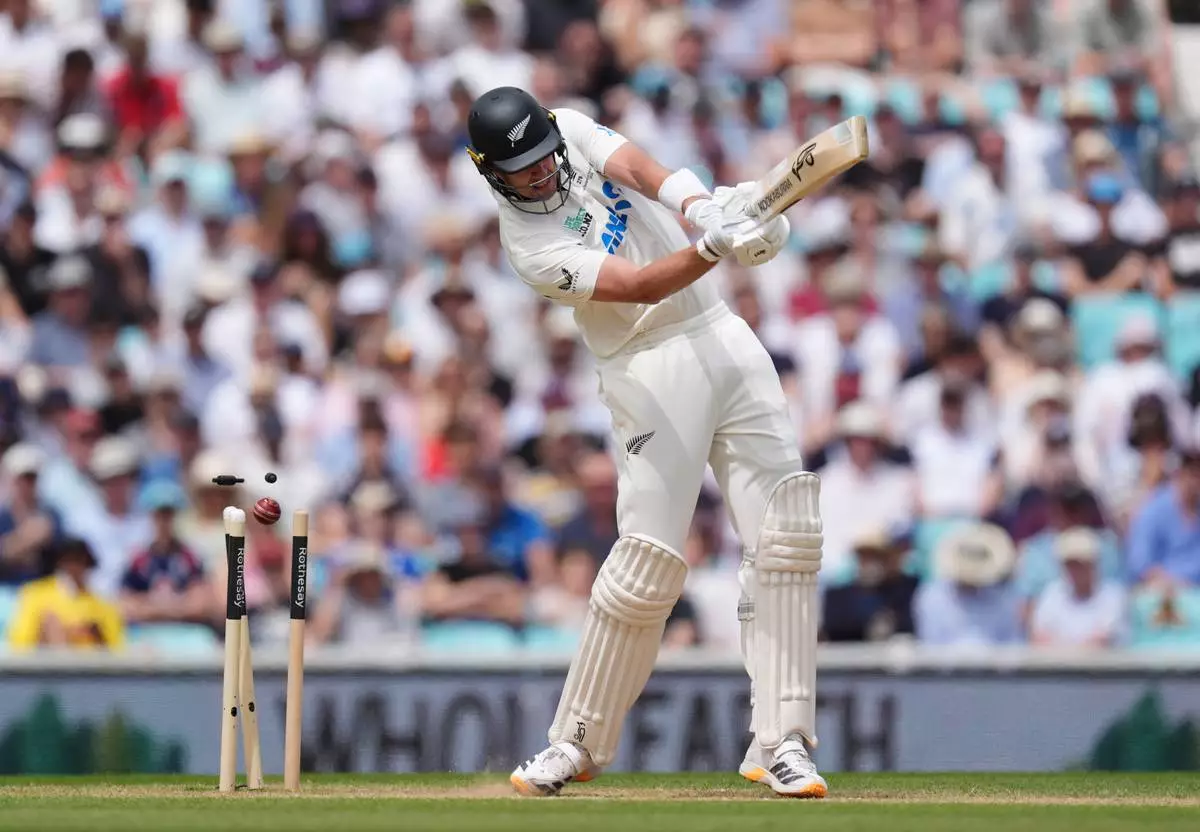
New Zealand's Kyle Jamieson is bowled by England's Matt Fisher on day four of the Second Rothesay Test cricket match between England and New Zealand in London, England, Saturday, June 20, 2026. (Ben Whitley/PA via AP)

New Zealand's Kyle Jamieson is bowled by England's Matt Fisher on day four of the Second Rothesay Test cricket match between England and New Zealand in London, England, Saturday, June 20, 2026. (Ben Whitley/PA via AP)

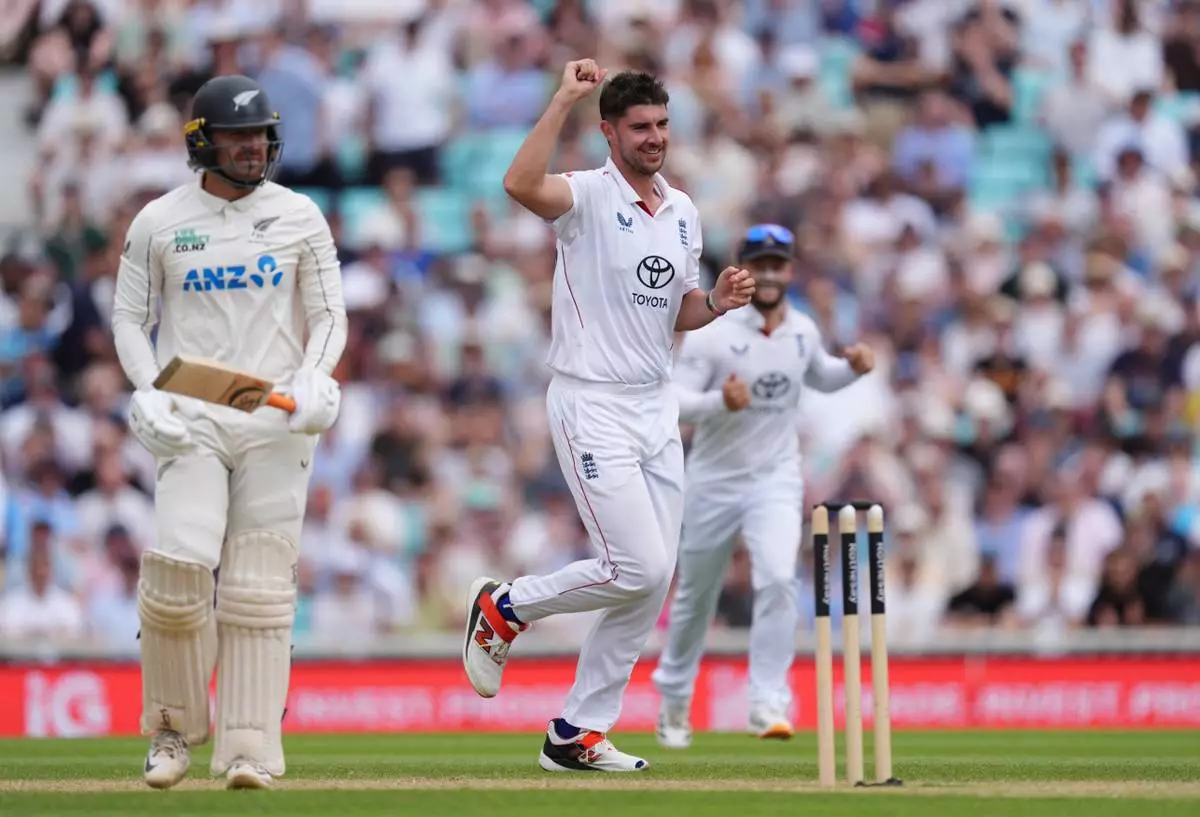
England's Josh Tongue, center, celebrates taking the wicket of New Zealand's Tom Blundell, left, on day four of the Second Rothesay Test cricket match between England and New Zealand in London, England, Saturday, June 20, 2026. (Ben Whitley/PA via AP)

England's Josh Tongue, center, celebrates taking the wicket of New Zealand's Tom Blundell, left, on day four of the Second Rothesay Test cricket match between England and New Zealand in London, England, Saturday, June 20, 2026. (Ben Whitley/PA via AP)

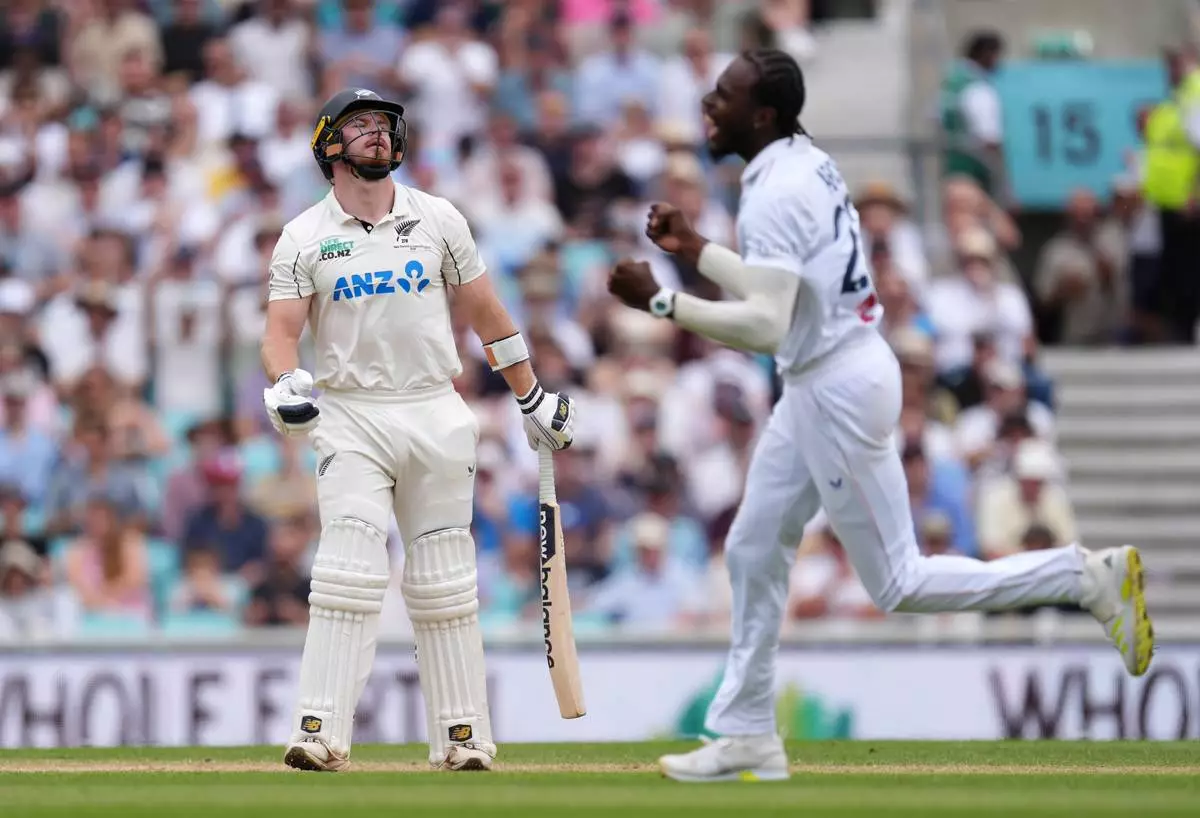
New Zealand's Glenn Phillips, left, reacts after being dismissed by England's Jofra Archer, right, on day four of the Second Rothesay Test cricket match between England and New Zealand in London, England, Saturday, June 20, 2026. (Ben Whitley/PA via AP)

New Zealand's Glenn Phillips, left, reacts after being dismissed by England's Jofra Archer, right, on day four of the Second Rothesay Test cricket match between England and New Zealand in London, England, Saturday, June 20, 2026. (Ben Whitley/PA via AP)

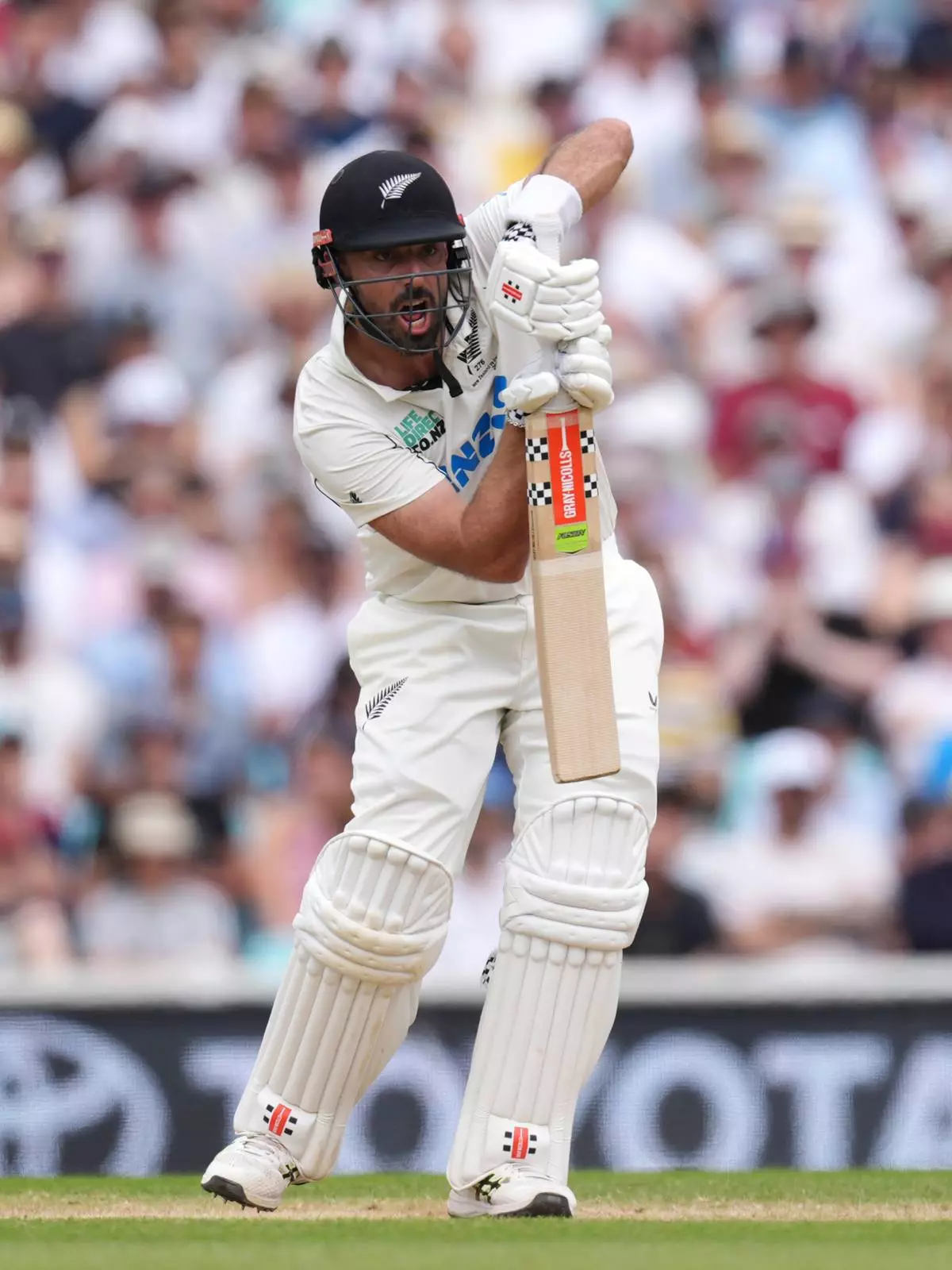
New Zealand's Daryl Mitchell on day four of the Second Rothesay Test cricket match between England and New Zealand in London, England, Saturday, June 20, 2026. (Ben Whitley/PA via AP)

New Zealand's Daryl Mitchell on day four of the Second Rothesay Test cricket match between England and New Zealand in London, England, Saturday, June 20, 2026. (Ben Whitley/PA via AP)

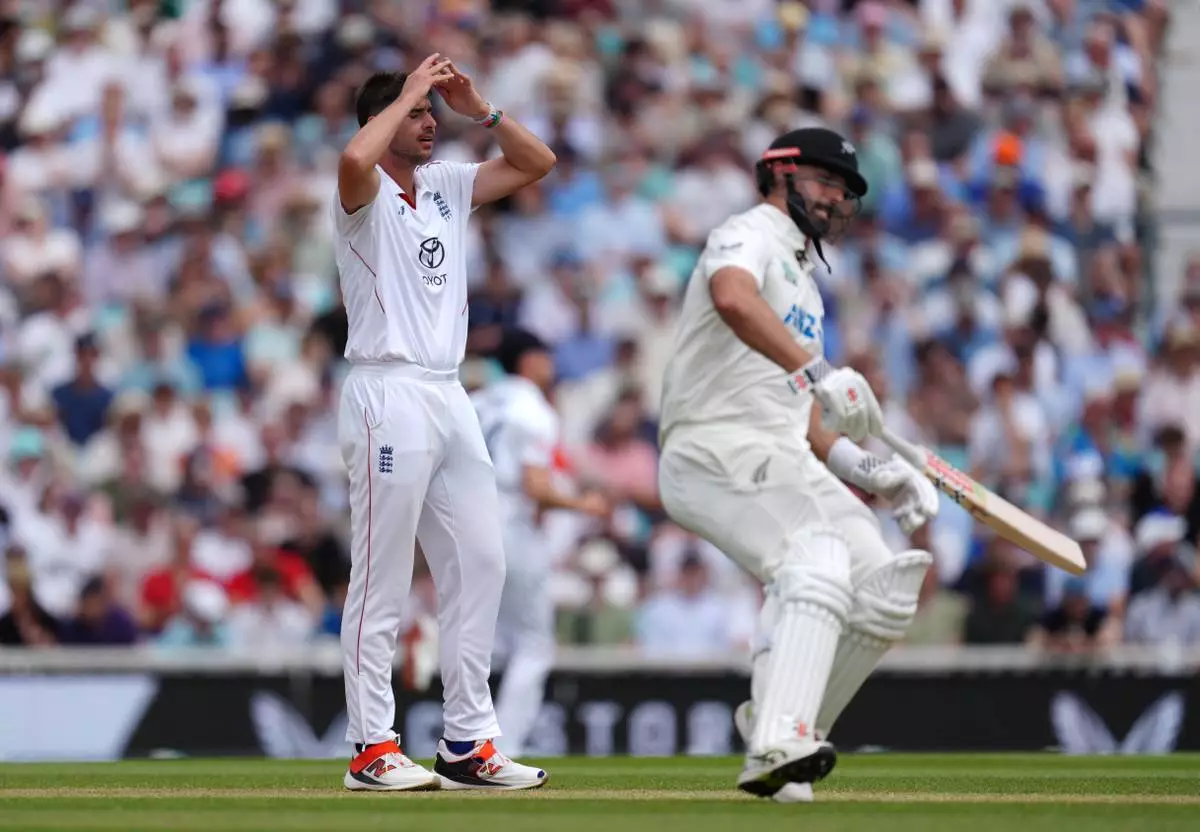
England's Josh Tongue reacts to a missed chance on day four of the Second Rothesay Test cricket match between England and New Zealand in London, England, Saturday, June 20, 2026. (Ben Whitley/PA via AP)

England's Josh Tongue reacts to a missed chance on day four of the Second Rothesay Test cricket match between England and New Zealand in London, England, Saturday, June 20, 2026. (Ben Whitley/PA via AP)

Recommended Articles