Officials in Russia-occupied Crimea suspended civilian gasoline sales Sunday as Ukraine ramped up attacks on fuel supplies on the Black Sea peninsula.
Gov. Sergey Aksyonov, the Kremlin-appointed head o Crimea, said that overnight Ukrainian strikes killed four people and wounded 28 others. He did not specify the target of the attack.
He later wrote on social media that local gas stations would halt all sales to non-state companies and individuals for an undefined period.
“Fuel will be sold only to government agencies that ensure the functioning and security of the Republic of Crimea,” Aksyonov said. “I ask everyone to remain calm and to only trust official sources of information.”
Ukrainian forces have repeatedly targeted fuel supplies to Crimea in recent weeks, triggering the worst energy crisis in the region since it was illegally annexed by Russia in 2014.
Ukrainian President Volodymyr Zelenskyy said in a statement Sunday that a Crimean oil depot, as well as an oil transport facility in Russia’s southern Krasnodar region were among the targets. He described the attacks as part of Ukraine’s “long-range sanctions” against Russia’s energy infrastructure.
“Russia understands only strength, and our long-range strength is certainly working for peace,” he wrote.
Russian officials in Krasnodar reported earlier Sunday that a drone strike sparked a fire at a Black Sea oil terminal in the village of Chushka. They said that Ukrainian attacks struck a ferry, killing one person.
The Crimean peninsula has had periodic fuel shortages from Ukrainian strikes before, but the current crisis is the worst since its 2014 annexation.
At the end of May, authorities restricted the sale of gas to 20 liters (5 1/3 gallons) per vehicle owner per week, using prepaid coupons. Those were snapped up immediately following their release on an official messaging app channel, and motorists lined up for hours, waiting to refuel.
Social networks have been abuzz with requests and advice on where to find fuel, and authorities launched a hotline for tourists in the area who have found themselves trapped.
Some motorists bring their own gas from Krasnodar and elsewhere via the Kerch bridge, but they are restricted to carrying 100 liters (about 26 1/2 gallons) per vehicle. Some speculators are selling gas at double the market price.
In a rare public acknowledgment, the Kremlin has recognized the scope of the problem and promised to address the issue quickly.
However, Ukraine’s successes have highlighted its ability to inflict painful damage on Russia and change the course of the conflict while Moscow’s advances recently have ground to a near halt. On June 11, Russia’s full-scale invasion of Ukraine reached its 1,569th day, surpassing the duration of World War I.
Follow the AP’s coverage of the war in Ukraine at https://apnews.com/hub/russia-ukraine
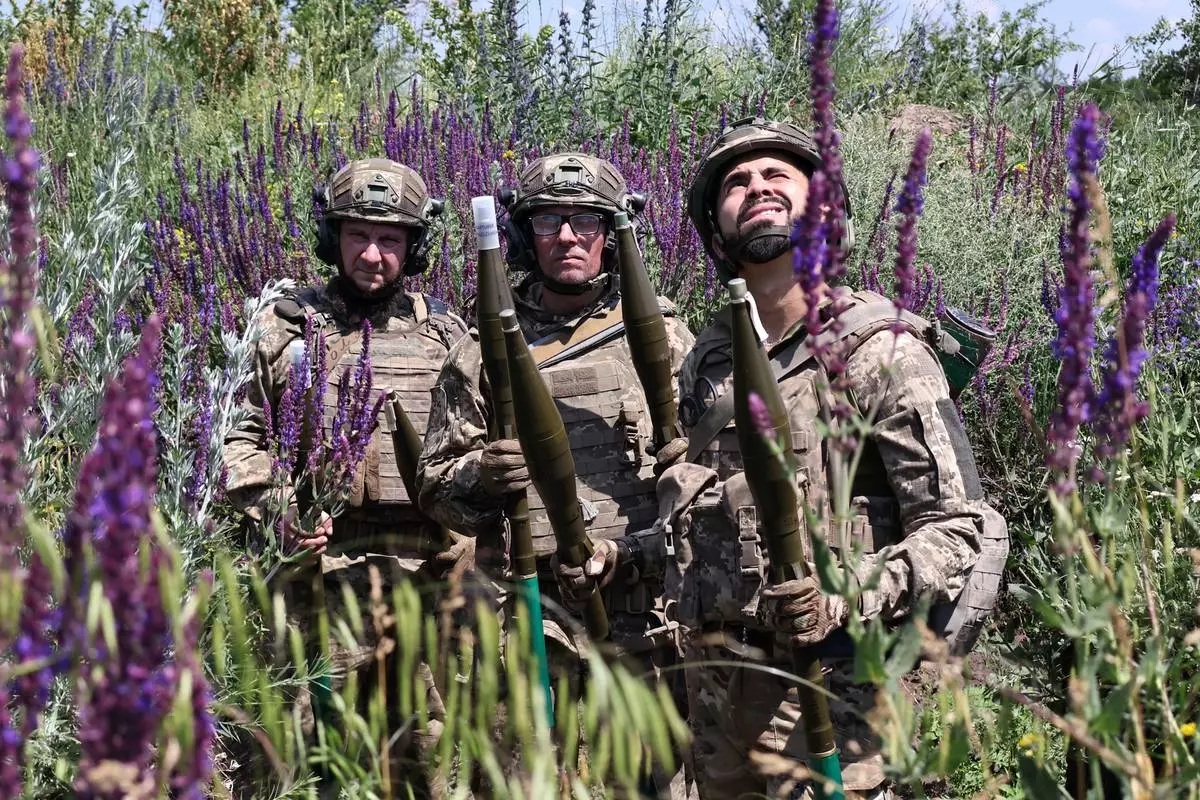
In this photo provided by Ukraine's 65th Mechanized Brigade press service, soldiers practice military skills at a training ground near the frontline in the Zaporizhzhia region, Ukraine, Saturday, June 20, 2026. (Andriy Andriyenko/Ukraine's 65th Mechanized Brigade via AP)

In this photo provided by Ukraine's 65th Mechanized Brigade press service, a soldier practices military skills at a training ground near the frontline in the Zaporizhzhia region, Ukraine, Saturday, June 20, 2026. (Andriy Andriyenko/Ukraine's 65th Mechanized Brigade via AP)
CAPE TOWN, South Africa (AP) — Like millions of others, Natasha Jacka went stir-crazy during a COVID-19 lockdown in 2020, until it dawned on her that there might be great opportunity in having nowhere to go.
Jacka used the pandemic and the suspension of her studies at an agricultural college to plant her own vineyard at her family home in South Africa. It was a way to fast forward her dream of becoming a winemaker by bringing it, literally, within reach.
Nothing in the wine world moves too fast, though, and it was four years before the first harvest and vintage.
Jacka's debut wines from grapevines she planted, cared for and harvested in the yard of her parents' sea-facing home in Cape Town — also stomping the grapes herself — were greeted with high praise by critics.
What a relief, she said.
“It could have been so much work and if it doesn’t deliver, you know, then you just feel ... I can’t imagine how I'd feel,” Jacka said. “I wasn’t looking at it like, oh this is going to make a fortune or anything like that. This is a labor of love.”
Christian Eedes, the editor of South Africa's respected online wine review publication winemag.co.za, said Jacka's project was “a triumph of hope over good sense” given how difficult it is to produce fine wine and turn a profit from such a small vineyard.
Jacka squeezed 1,400 vines into two blocks in her parents' garden, which had at one time been part of a smallholding. One batch to produce a white blend, the other a syrah red wine varietal. That's a tiny number considering regular wine farms usually have more than 50,000 vines.
“There’s plenty of space in the world for craft and handmade,” Eedes said. “It’s the opposite of mass produced. It’s made with thought and care and typically hard to come by.”
COVID struck at the height of Jacka's ambition. She was 27 and, tired of working for grumpy chefs, had left a job in the restaurant business to study viticulture at an agricultural college in the winemaking town of Stellenbosch, just outside Cape Town.
She was following her passion and full of zest, she said, when the pandemic reduced her world to the boundaries of her parents' home in the Cape Town suburb of Noordhoek. Then, one day, she saw potential there.
“I was actually looking out the window and I thought, imagine if there were vines here,” she said. “It was a small spark.”
That was followed by conversations with her family to get their buy-in, and then a large amount of work.
Jacka needed to clear the ground, procure more than 1,000 vines, and plant each one of them with a tall wooden stake to hold them. Her parents helped, though mom Sonia was soon banned from the planting process after putting one vine in upside down.
There were also curious neighbors to reassure and an unexpected challenge to negotiate from a miniature horse called Spirit that the family keeps on the property. Spirit thought the vines were tasty.
“We lost one or two vines,” Jacka said. “It was hard to make it horse proof as well.”
Now 32 years old, Jacka's Noordhoek project has been the inspiration for a larger winemaking career. Her Alinea line of wines currently includes five others she's produced from grapes sourced from other parts of the region around Cape Town, which has a rich winemaking tradition.
She's still looking forward to the next vintage from her vines in Noordhoek, though, as she continues to play the role of picker, stomper, labeller, sales rep, accountant and delivery truck driver there, she said with a laugh.
Eedes, the wine critic who gave Jacka her first positive reviews, said he's still fascinated by the micro-vineyard that grew out of a COVID lockdown.
“She managed to not be bored, like we all were,” Eedes said. “It’s really just an extraordinary undertaking.”
AP video journalist Neil Shaw contributed to this report.
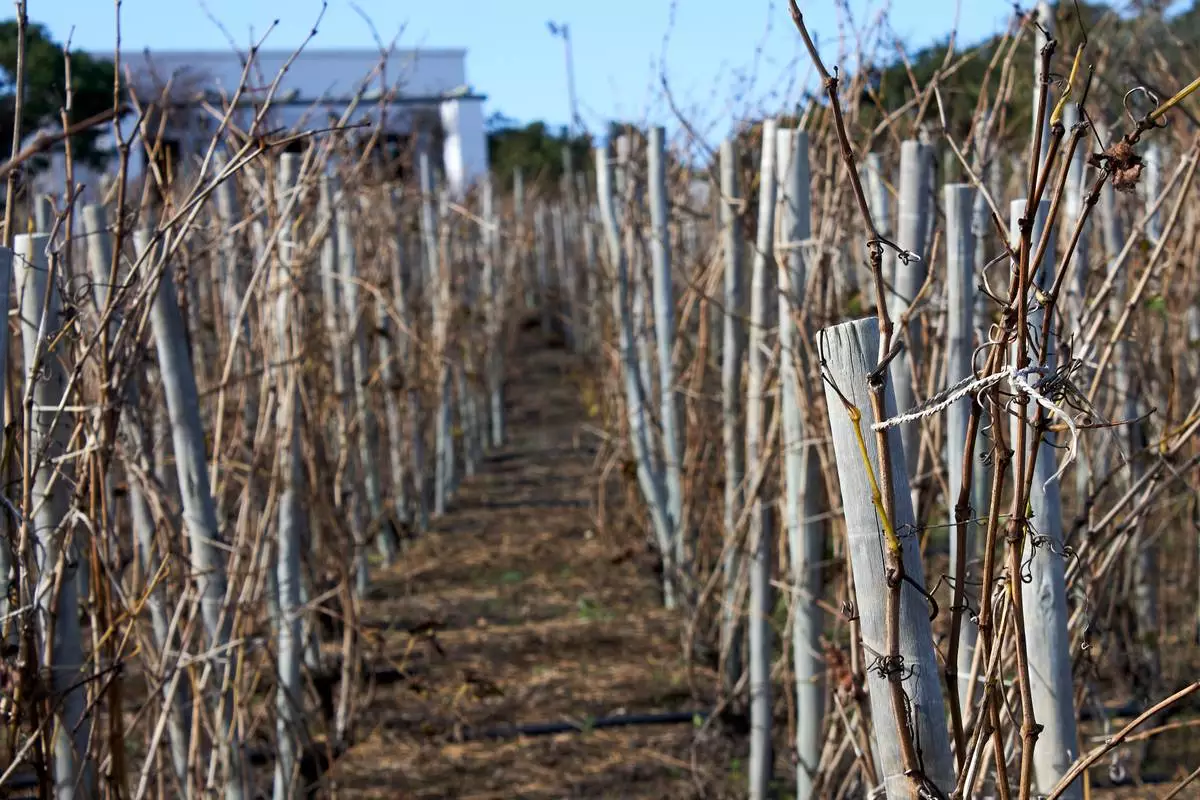
The vineyard Natasha Jacka planted in her parents' garden in Cape Town, South Africa, Thursday, June 4, 2026. (AP Photo/Neil Shaw)
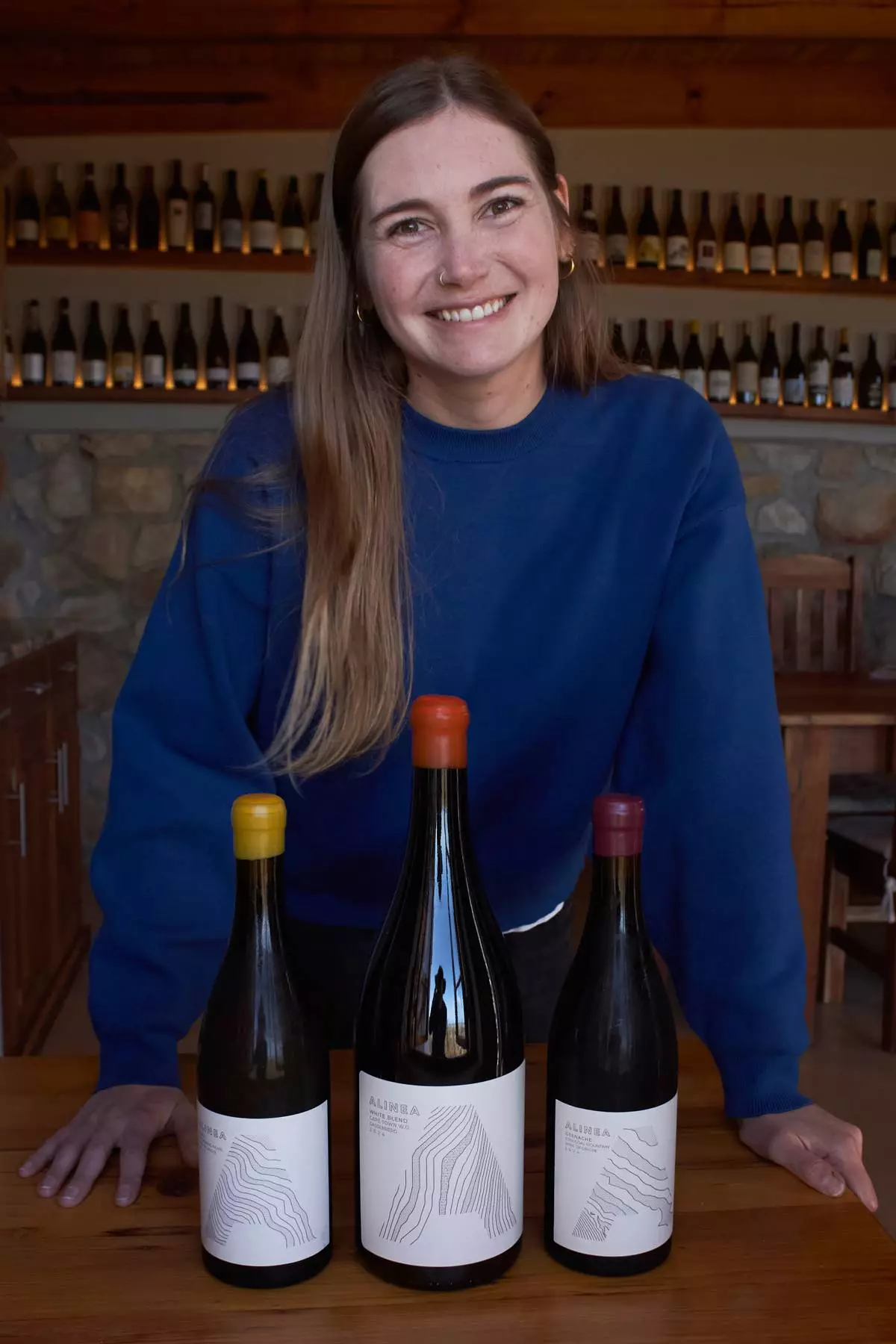
Natasha Jacka stands with some of her wines in Cape Town, South Africa, Thursday, June 4, 2026. (AP Photo/Neil Shaw)
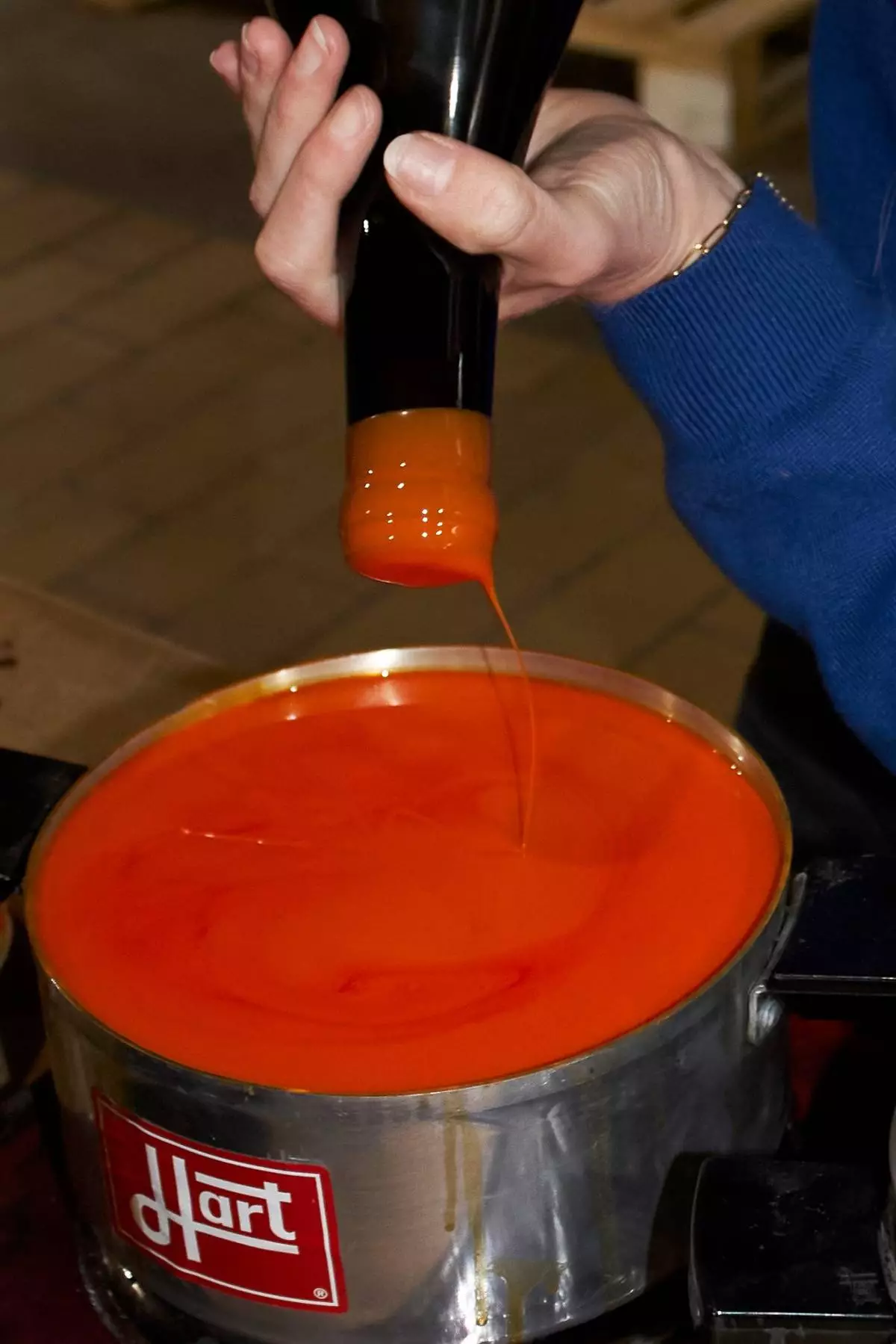
Natasha Jacka applies wax to wine bottles in Cape Town, South Africa, Thursday, June 4, 2026. (AP Photo/Neil Shaw)
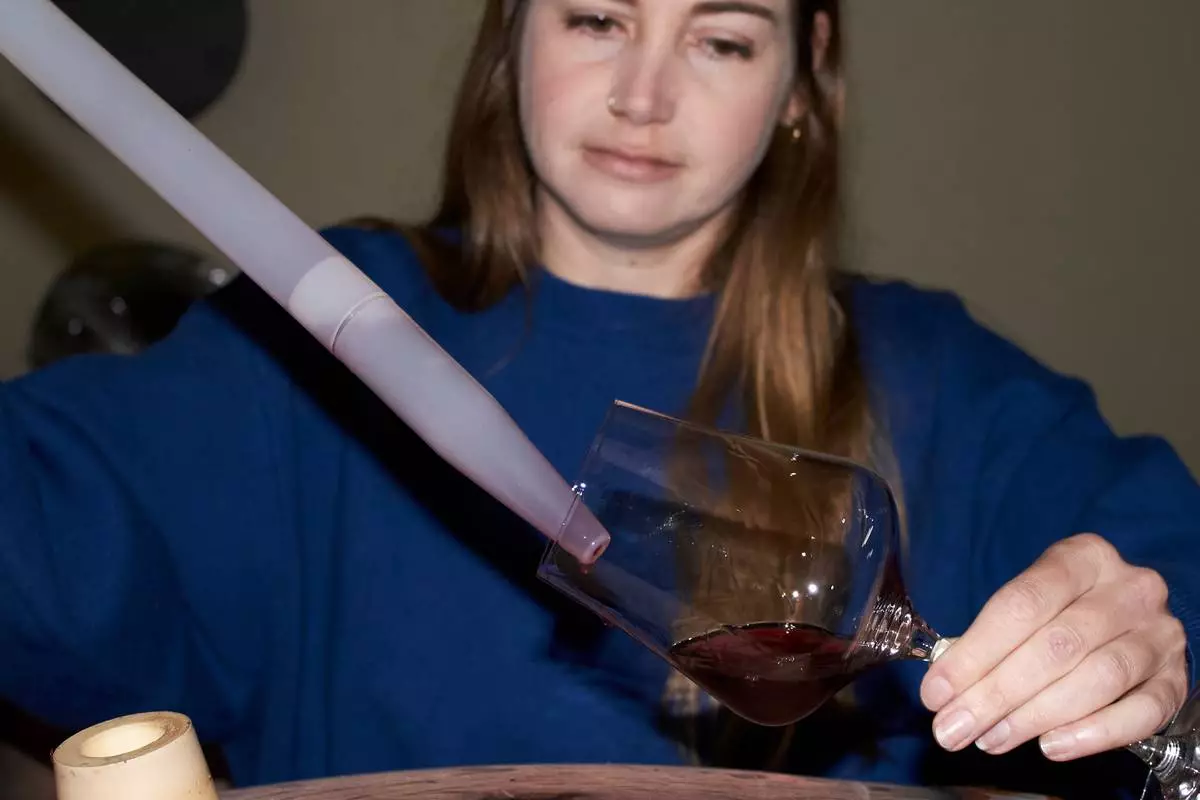
Natasha Jacka pours wine from an oak barrel into a glass using a "wine thief" in Cape Town, South Africa, Thursday, June 4, 2026. (AP Photo/Neil Shaw)
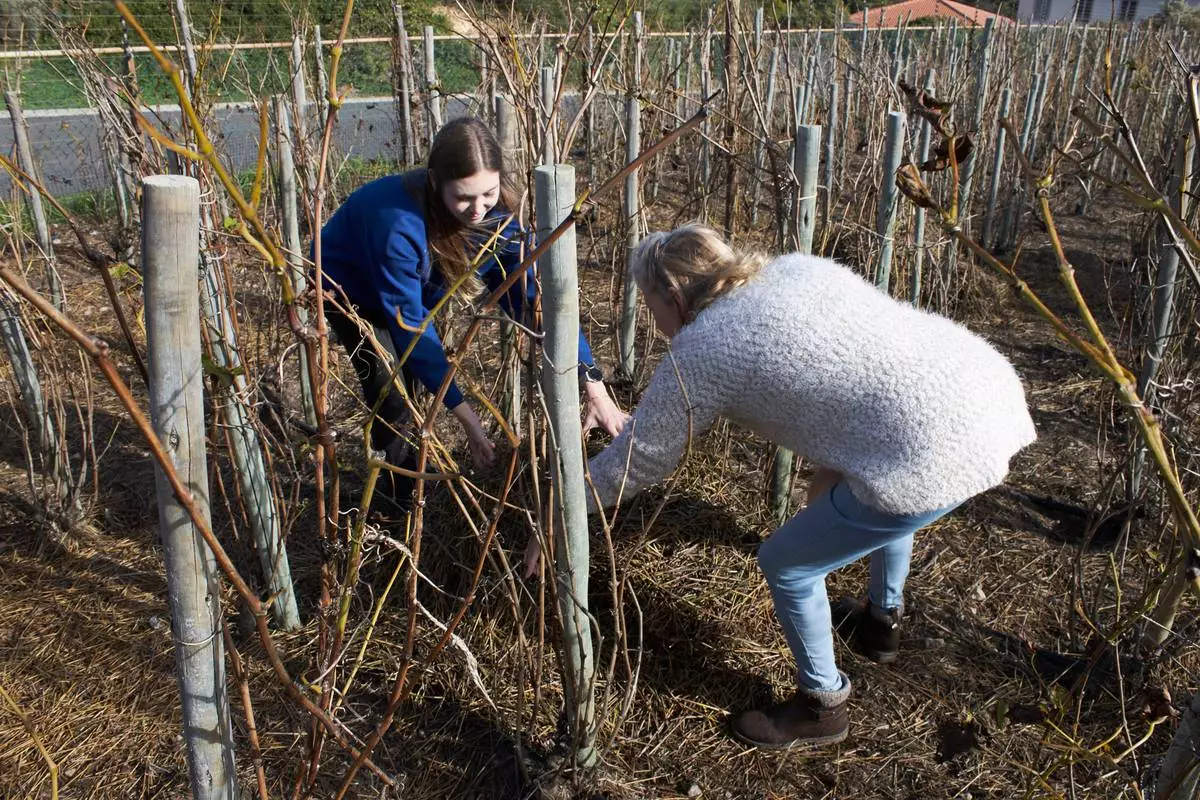
Natasha Jacka, left, and her mother, Sonia Jacka, work in their vineyard in Cape Town, South Africa, Thursday, June 4, 2026. (AP Photo/Neil Shaw)
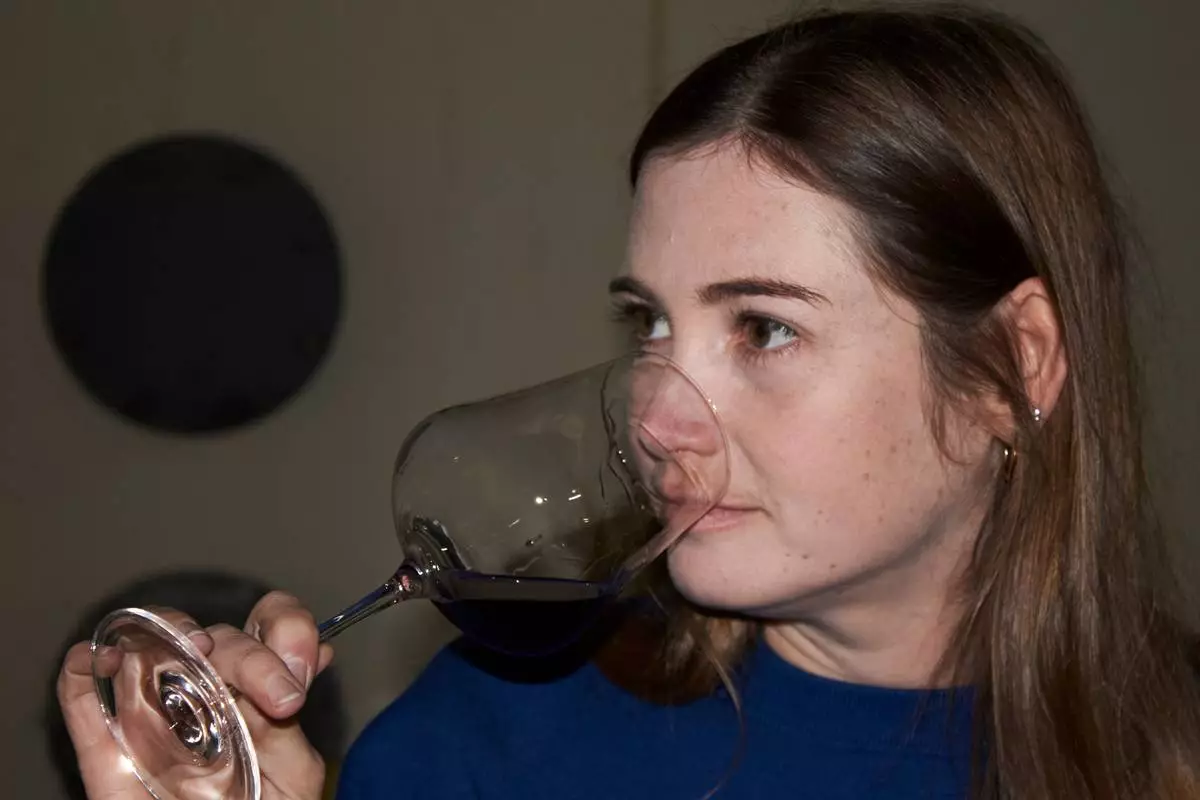
Natasha Jacka evaluates a glass of wine during the period it matures in oak in Cape Town, South Africa, Thursday, June 4, 2026. (AP Photo/Neil Shaw)