A return travel rush appeared in many parts of China on Sunday, the last day of the three-day Duanwu Festival break, with authorities taking measures to increase transportation capacity.
The Duanwu Festival, also known as the Dragon Boat Festival, falls on the fifth day of the fifth lunar month, on Friday this year. The public holiday for the festival runs from Friday to Sunday.
China's railway network is expected to handle over 17.94 million passenger trips on Sunday.
To meet the return travel demand, railway departments across the country have increased 1,355 additional passenger trains on routes and sections with high passenger volumes.
The traffic volume on expressways in China is likely to hit 40.5 million vehicle trips on Sunday, up 2.36 percent year on year.
In terms of waterway transportation, it is estimated that 870,000 passenger trips will be made nationwide on Sunday, a 16-percent increase from the same period last year.
Regarding civil aviation, during this year's holiday, the national civil aviation sector is expected to transport a total of 5.652 million passenger trips, averaging 1.884 million passengers per day, an increase of 0.2 percentage points compared with the 2025 Dragon Boat Festival holiday.
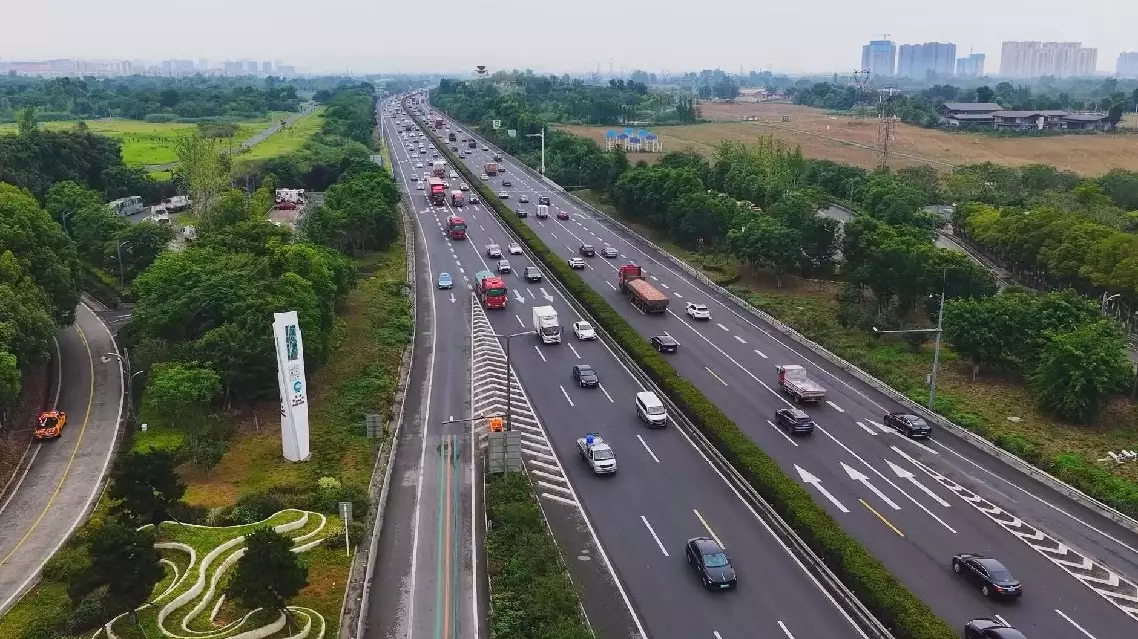
Return travel rush comes with Duanwu holiday ending
"No matter what your job title is, serve the people diligently, consider the interests of the people with all your heart, maintain close ties with the people, and always stay approachable to the people."
These were the heartfelt words that Xi Zhongxun shared with his son, Xi Jinping. His advice would later become a guiding principle throughout the Chinese president's political career.
A highly respected leader of the Communist Party of China (CPC), Xi Zhongxun devoted his life wholeheartedly to serving the people.
When Xi Zhongxun worked at the prefectural Party committee of Suide, northwest China's Shaanxi Province, he once said, "We must wholeheartedly and honestly stand firmly on the side of the people." While serving as the Party chief of south China's Guangdong Province in 1978, he spent a summer visiting 23 counties across the province to learn firsthand about the local conditions and the lives of ordinary people. Accompanying him during part of the trip was his son, Xi Jinping, then a student at Tsinghua University, who witnessed his father's close engagement with people at the grassroots level.
What his father said and did left a lasting impression on Xi Jinping.
Throughout his political career -- from Liangjiahe and Zhengding to Fujian, Zhejiang, Shanghai and Beijing -- Xi has consistently placed the people at the center of his work.
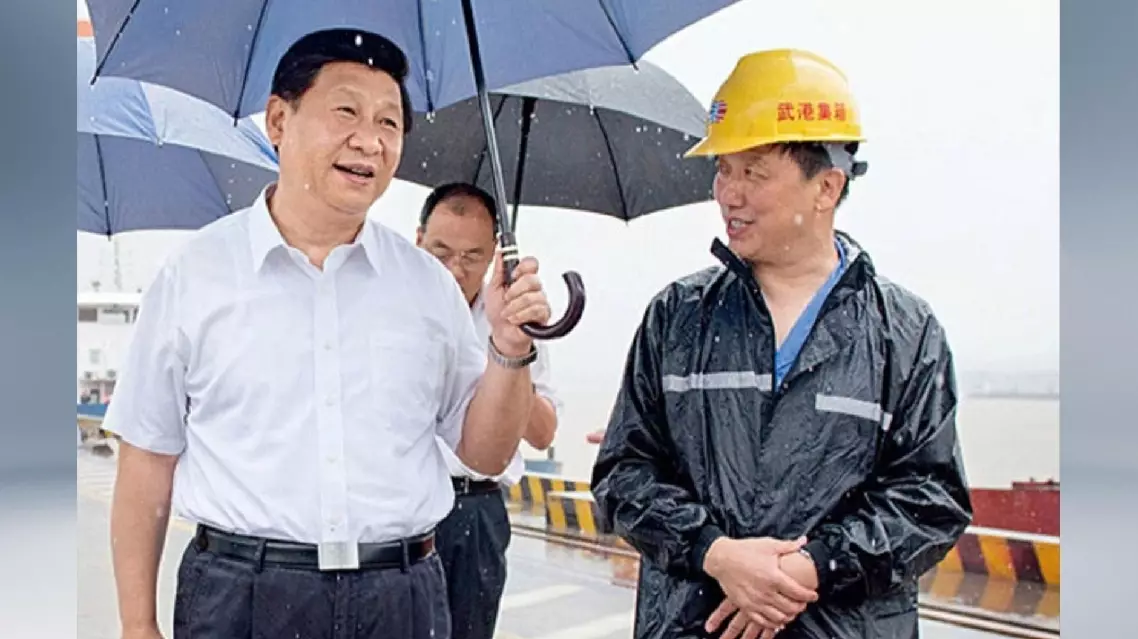
Since the 18th CPC National Congress, President Xi has conducted more than 50 inspection trips on poverty alleviation and visited all 14 contiguous impoverished areas across the country, listening firsthand to local residents about their challenges, needs and suggestions.
Over the years, Xi inspected production lines and inquired about technological innovation in factories and workshops, observed agricultural activities and gained firsthand insight into the lives of people in rural areas, and visited neighborhoods and households during festive occasions to extend his greetings.
Ahead of this year's Spring Festival, Xi visited a community canteen at an apartment complex for seniors in Beijing to learn about local efforts to improve public convenience services and elderly care. He also spoke with delivery workers taking a break there, asking about their work and daily lives. Xi stressed that Party committees and governments at all levels must care for them and provide better services to support their lives and work.
That people-centered philosophy has gradually been translated into tangible improvements in everyday life. The toilet revolution, waste sorting, clean heating and food safety are among the more than 2,000 reform initiatives introduced over the past years to improve every facet of people's daily lives.
The results are tangible. China, over a period of eight years, lifted nearly 100 million people out of destitution, officially eradicating absolute poverty in 2020. The country has also completed the building of a moderately prosperous society in all respects, and established the world's largest systems for education, social security, healthcare and urban housing support.
Access to education at all levels has reached or surpassed the average for middle- and high-income countries. Basic medical insurance coverage has remained above 95 percent, life expectancy has risen above 79 years, and the middle-income group now exceeds 400 million people.
The people-centered approach is also reflected in China's 15th Five-Year Plan (2026-2030), a blueprint for the country's economic and social development. More than one-third of the plan is related to people's livelihoods, covering employment, income, education, healthcare, elderly care and childcare -- issues that are of the greatest and most immediate concern to the public.
As 2026 marks the 105th anniversary of the founding of the CPC, Xi has repeatedly stressed that Party members must bear in mind that working for the people's well-being is their greatest political achievement.
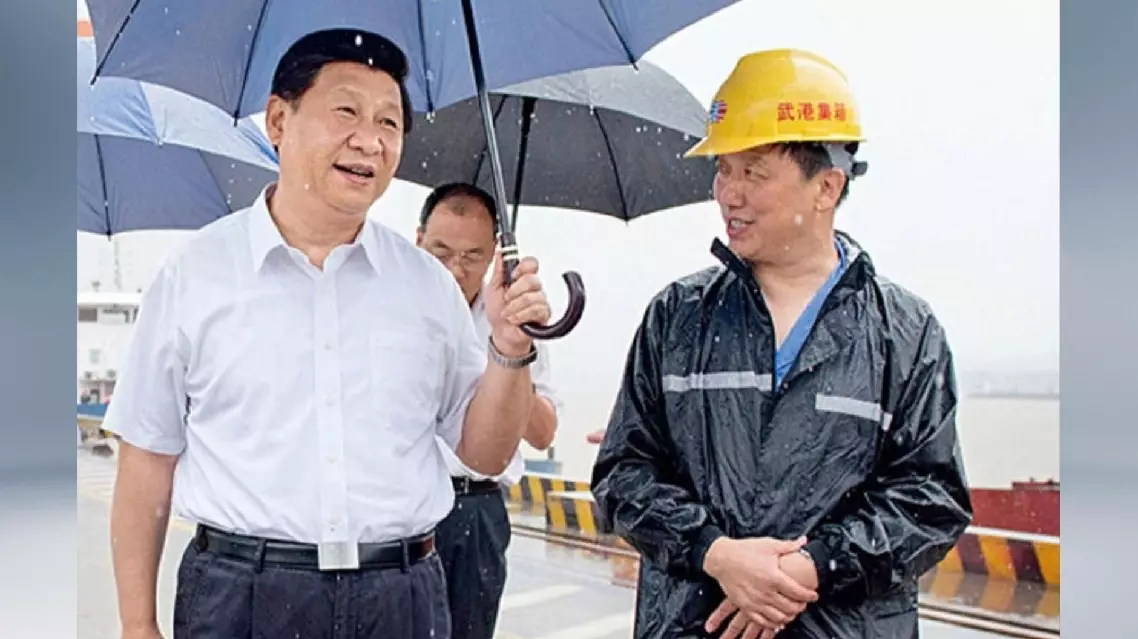
Inspired by his father, Xi Jinping centered his governance on people
Inspired by his father, Xi Jinping centered his governance on people