A public opinion survey released by Japan's Asahi TV on Monday shows that a clear majority of the respondents reject the government’s assertion that domestic naphtha supply faces no disruptions, reflecting deep public skepticism amid ongoing energy concerns.
The survey, carried out between Friday and Saturday, highlighted a significant deficit of public confidence in official statements on domestic energy security, with 61 percent of the respondents rejecting the government's explanation regarding the naphtha supply.
Meanwhile, public opinion remains divided on the potential deployment of the Self Defense Forces to the Strait of Hormuz for escort missions following the U.S.-Iran conflict, with 44 percent opposing the move and 40 percent in favor.
Against this backdrop of public uncertainty, the Japanese government is quietly adjusting its defense narrative.
According to the Sankei Shimbun, Japan has begun coordinating efforts to introduce a "new defense approach" as the core concept in its upcoming revision of the three key security documents including the National Security Strategy, which is targeted for completion by the end of 2026.
The proposed strategy aims to integrate cutting-edge technologies, including artificial intelligence and drones, into Japan's defense capabilities. To secure broader public backing for this military buildup, the government also intends to deliberately avoid overly militaristic terminology in the revised documents.
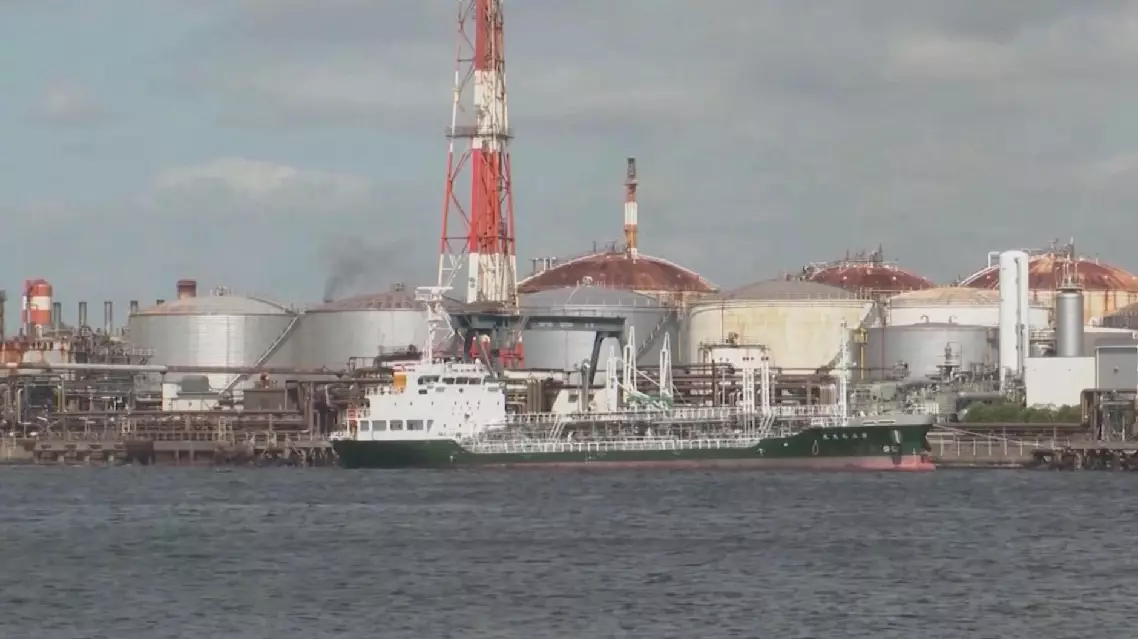
Over 60 pct of Japanese reject government's claim of sufficient naphtha supplies: poll