Residents of south Lebanon are trying to rebuild their lives, despite uncertainty over the state of the ceasefire between Israel and Hezbollah.
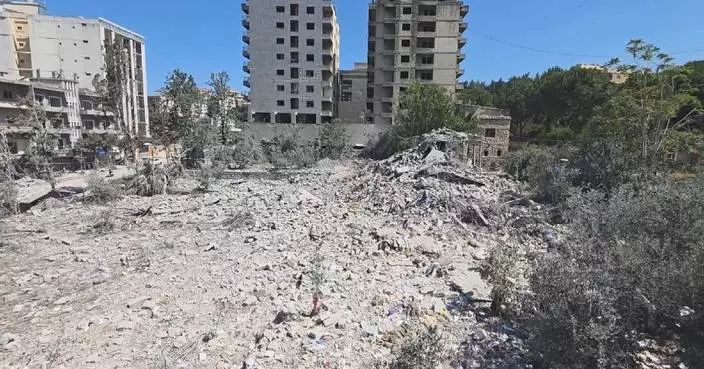
The effects of recent Israeli strikes are particularly severe in the ancient coastal city of Tyre, known as one of the top summer destinations in Lebanon.
Friday's ceasefire announcement came at a good time, right as the vacation season begins.
But as small business owners return, many realize the damage sustained will delay their operations.
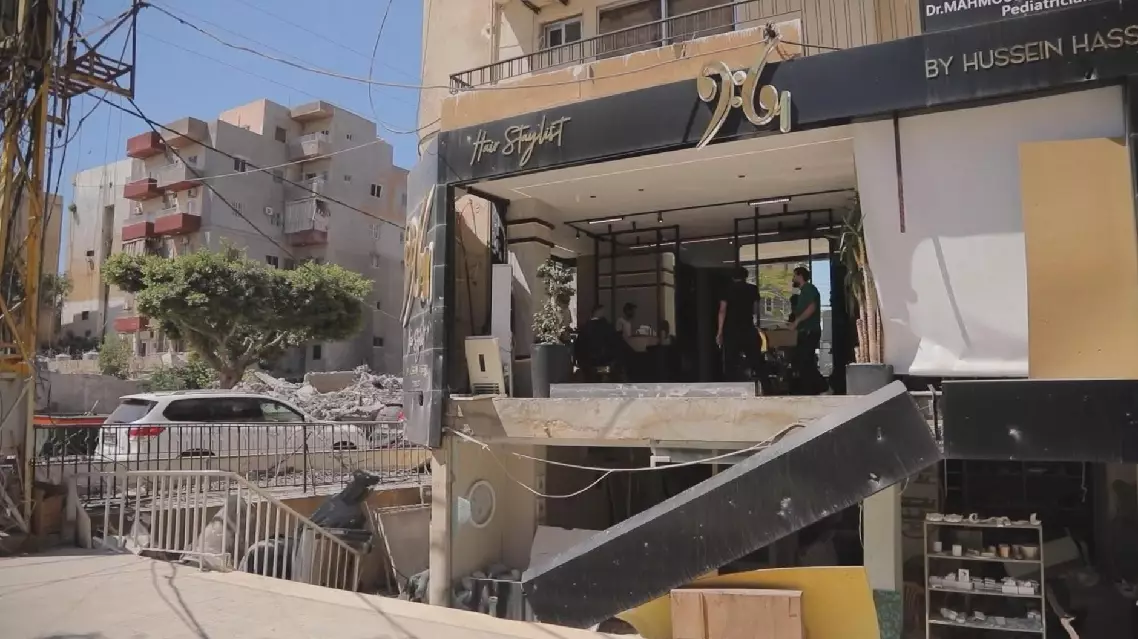
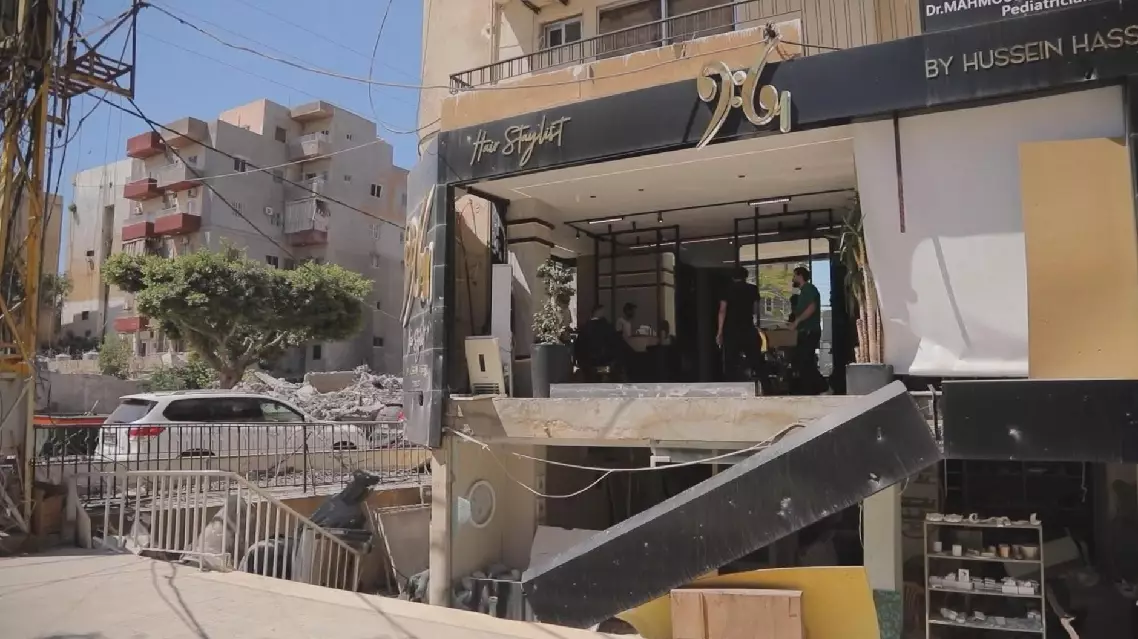
Others, like barber shop owner Hassan Hussein, are determined to get to work. He's started to resume hair-cut service to locals even though his shop needs an entire new facade due to the massive bombardments.
"This is aggression on our sources of income. A strike like that is suffocating. Of course, it's been very difficult for me. But we want to stand tall, we can't wait. We will rebuild, they will destroy, we will rebuild once again, and twice or three times more. As long as our hearts keep pumping, we will keep rebuilding," said Hassan Hussein.
For months, the war forced Hussein to close his shop, depleting his savings to the point where he could not afford repairs.
It was this building strike that blew off Hussein's entire barbershop facade. It's not his first experience, it's the third similar experience he has gone through.
And every time, he tries to resume operations as soon as possible, saying it is an effort to help residents of the city feel that life is returning to normal.
Fully exposed to street noise, his clients did not seem bothered.
"I have mixed feelings. I am happy to be in Tyre, walking in the city. It's one of the beautiful habits of my life. But if you look through my mirror, you can see people's sources of income and their lives have been destroyed. That makes me feel sorrow. Every Saturday I come here. It's an important part of my life. As you see, I don't have much hair on my head, but it gives me a feeling that life continues as normal when I come here," said Tarek Moniem, a Tyre resident.
Haidar Bahr was not as lucky as Hussien.
His bakery was in between two bombed buildings. The destruction to his shop is massive. Yet like most people here, he is resilient.
"I don't mind sacrificing all of that. It's much less valuable than what a shoe [thrown at the enemy] can do for the resistance. I have started reconstruction. I don't care if another war is coming or not. We have begun the work, and I want to finish that task and resume my service," said Haidar Bahr.
Along every street here, similar stories echo.
This city has existed for about 5,000 years. Despite the many wars it has faced, its people are determined to stay.
Small businesses struggle to reopen in south Lebanon despite uncertainty
Small businesses struggle to reopen in south Lebanon despite uncertainty