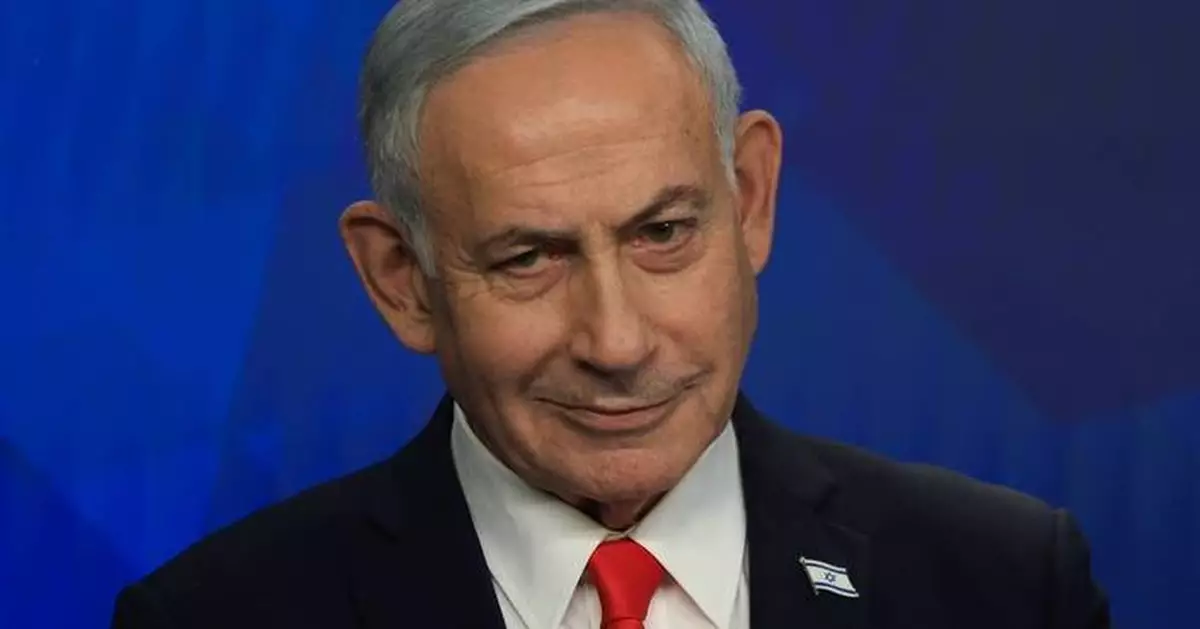
DUBAI, United Arab Emirates (AP) — Israeli Prime Minister Benjamin Netanyahu has claimed that Iran would have developed a nuclear weapon and used it on Israel were it not for the two recent wars. There is no public evidence for that assessment, which runs counter to those of the U.N. nuclear watchdog and U.S. intelligence agencies.
For decades, Netanyahu has made dire predictions about Iran's disputed nuclear program, most famously at the United Nations with visual aids. The rhetoric has escalated since the U.S. and Iran reached an interim peace deal this month, and as Netanyahu faces elections later this year.
Iran has always insisted its nuclear program is peaceful, even as it has enriched uranium to near-weapons-grade levels far higher than those required for civilian use. The United States and others say Iran's nuclear program had a military component until 2003.
Even before the two wars set back its nuclear program, Iran was months or years away from developing a usable atomic weapon, and there's no evidence it had chosen to pursue one. Israel is widely believed to have its own nuclear weapons.
Here's a closer look.
“We have prevented Iran from carrying out a plan to annihilate us, and today they would have had a nuclear weapon, an atomic bomb to do so,” Netanyahu said Sunday at the JNS International Policy Summit, in remarks delivered in English. “Had we not acted in Operation Rising Lion and then in Operation Roaring Lion, Iran would have had atomic bombs. And let me tell you something, they would have used them.”
Iran and Israel have been archenemies since the 1979 Islamic Revolution. Iranian leaders long have called for Israel's destruction. Netanyahu, since the 1990s, has made challenging Iran’s nuclear program his life’s work, repeatedly warning that Tehran was on the cusp of building a bomb.
When U.S. President Donald Trump scrapped the 2015 nuclear deal — an agreement Netanyahu had campaigned against — the U.S. restored and expanded crippling sanctions on Iran that had been lifted under it. Iran responded by ramping up enrichment to 60%, a short, technical step from weapons-grade.
The International Atomic Energy Agency, the U.N.'s nuclear watchdog, has noted that Iran is the only state without nuclear weapons to enrich uranium at that level. Rafael Mariano Grossi, the IAEA's director-general, has said Iran's stockpile of highly enriched uranium would allow it to potentially build as many as 10 nuclear bombs, should it choose to do so.
But there is no public evidence of Iran having an active nuclear weapons program since 2003, when the IAEA, the U.S. and others say Tehran abandoned the effort as the U.S. invaded Iraq. IAEA inspections, though increasingly limited, have not reported any evidence of a weapons program.
To build a usable weapon, Iran would need to enrich uranium up to 90% purity. It would need to build the actual bomb, then likely miniaturize it and mount it on a ballistic missile. That process would take months or years, and would risk exposure by Israeli or U.S. intelligence.
In 2025, a report from the Office of the Director of National Intelligence, which oversees all U.S. intelligence agencies, said: “We continue to assess Iran is not building a nuclear weapon.”
Israel launched a 12-day war on Iran in June 2025, which it called Operation Rising Lion. During that conflict, the U.S. struck Iranian nuclear sites, destroying centrifuges and halting Iran's enrichment of uranium. That enrichment is not known to have resumed, and the bombing is believed to have buried its highly enriched uranium. Iran has blocked the IAEA from visiting the bombed sites.
Following last year's war, Netanyahu boasted that Israel had sent Iran’s nuclear program “to oblivion.” The U.S. and Israel then launched a surprise attack on Feb. 28, which Israel refers to as Operation Roaring Lion.
The opening strikes killed Iran's longtime supreme leader, Ayatollah Ali Khamenei, who had the final say over the nuclear program. Iranian diplomats say he issued a fatwa, or religious ruling, against nuclear weapons.
His son and successor, Ayatollah Mojtaba Khamenei, is believed to have been wounded in those strikes and has not been seen in public since becoming supreme leader. He is seen as a more hard-line figure than his father and has not offered any statements about Iran's nuclear intentions.
Other Iranian officials have suggested Iran should seek nuclear weapons if its existence is threatened.
Find AP Fact Checks here: https://apnews.com/APFactCheck
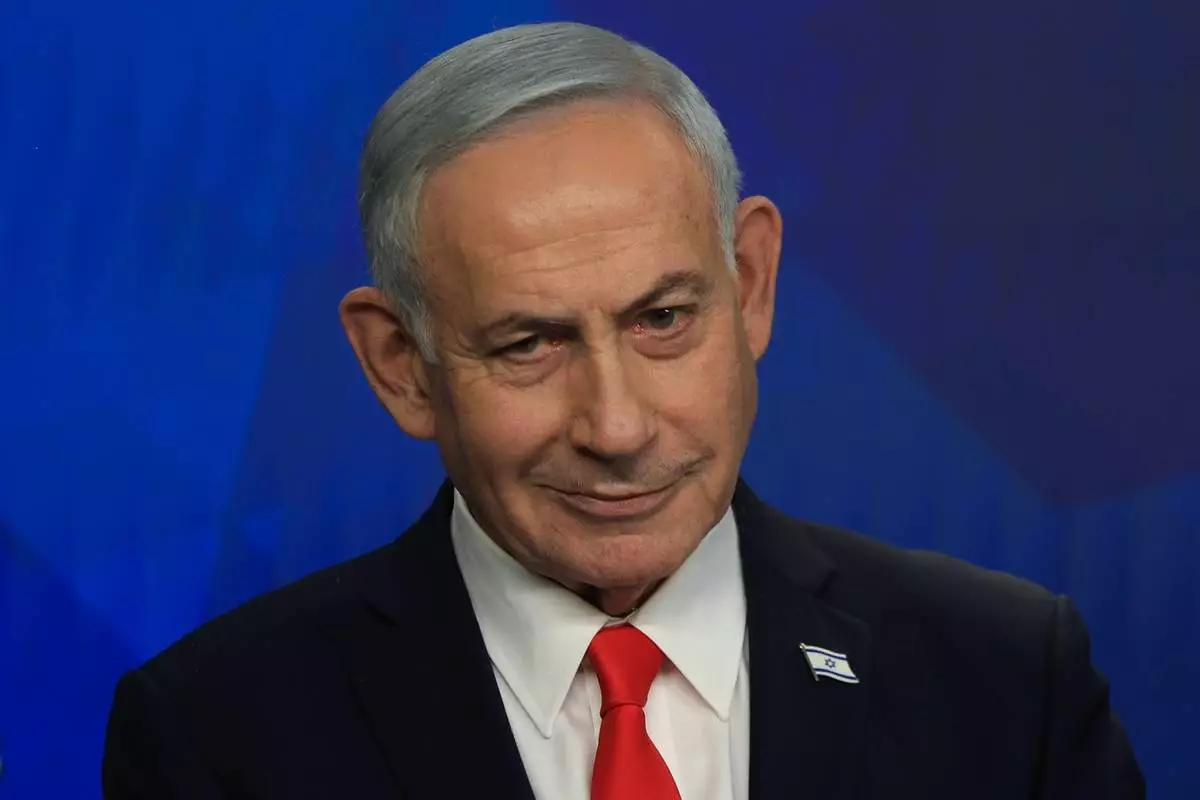
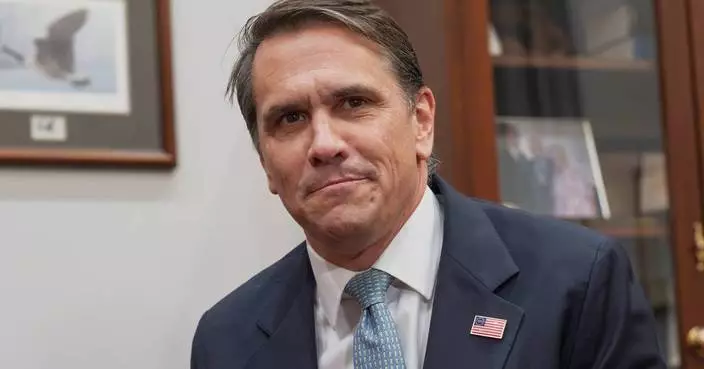
Israeli Prime Minister Benjamin Netanyahu holds a news conference, in Jerusalem, Monday June 15, 2026. (Ronen Zvulun, Pool Photo via AP)