HOUSTON--(BUSINESS WIRE)--Jun 22, 2026--
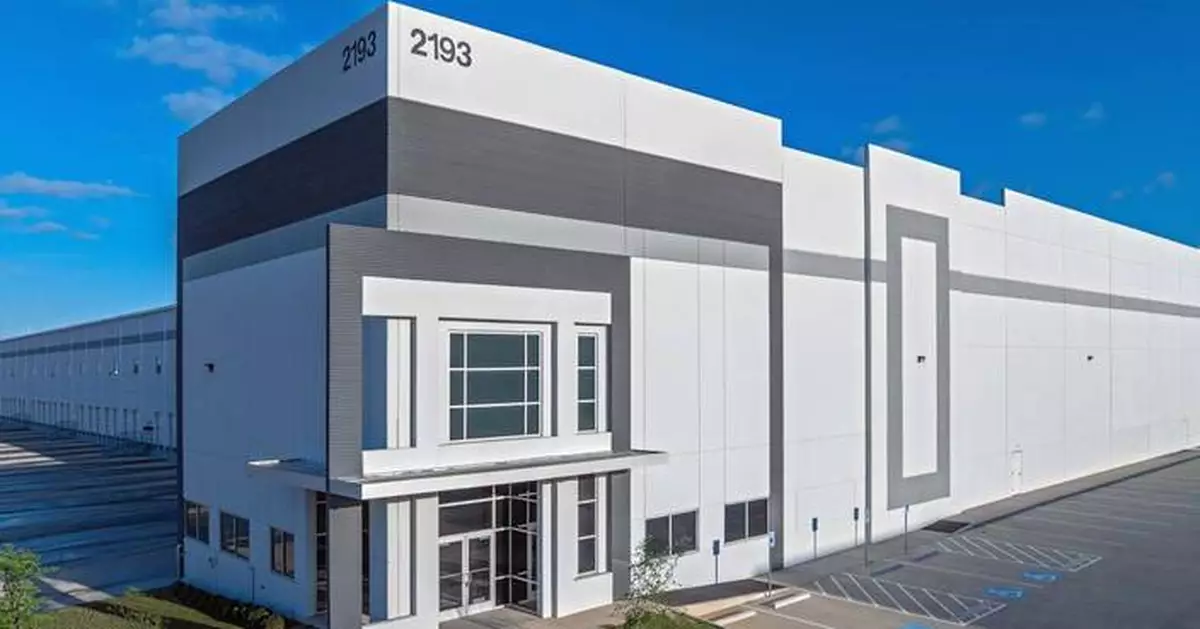
Bridge Logistics Properties (BLP) acquired Twinwood Distribution Center III (Twinwood III), a 767,520-square-foot Class A distribution facility at 2193 Discovery Hills Parkway, in Brookshire, Texas, in the West Houston submarket.
This press release features multimedia. View the full release here: https://www.businesswire.com/news/home/20260622614878/en/
Built in 2024, the asset is well positioned to capitalize on Houston’s nation-leading economic and population growth. The property, located just south of Interstate 10, offers exceptional regional connectivity to the Port of Houston and Interstate 35, making it ideal for inbound freight from both overseas and inter-border trade partners. The asset’s strategic location also allows it to service more than 22 million consumers in the Texas Triangle (an urban megaregion including Dallas-Fort Worth, Houston, San Antonio and Austin) within a four-hour drive.
The facility offers modern, institutional-grade specifications, including:
Twinwood III is fully leased through spring 2028, providing durable cash flow and a clear path to growing the property’s net operating income (NOI) as Houston’s logistics fundamentals remain robust.
"The addition of Twinwood III to our portfolio reflects our continued conviction in acquiring premier bulk distribution facilities in top-tier logistics markets supported by durable long-term fundamentals," said Connor Tamlyn, Managing Director of BLP. "Twinwood III is strategically positioned to serve Houston's expanding role in the supply chain and delivers best-in-class features sought after by modern distribution users,”
“Houston is an important target market for BLP with its world-class port and highway infrastructure, strong economic and population trajectory and growing significance as a hub for advanced manufacturing and the data center supply chain. The strategic acquisition of this high-quality asset to our Houston portfolio demonstrates our ongoing commitment to deepening our presence in the market."
Trent Agnew, Charlie Strauss, Lance Young, and Brooke Petzold of Jones Lang LaSalle facilitated the acquisition.
About BLP
BLP is a vertically-integrated logistics real estate investment manager led by tenured, multi-disciplinary real estate professionals with experience navigating several economic environments over the past three decades. Its founding members and leadership team employ a disciplined investment strategy that is both cycle-tested and innovative. Founded in 2021, BLP is comprised of industrial real estate veterans with prior tenure at Brookfield, Prologis, IDI Logistics, Duke Realty, Hines and KTR Partners.
BLP is highly collaborative with its institutional capital partners. Leveraging its deep local relationships and its global operating experience, BLP uncovers and executes on investment opportunities in targeted coastal and gateway markets in the U.S. BLP executes its acquisition and development strategy in a vertically integrated regional structure across five offices located in New Jersey, Atlanta, Miami, Dallas and Los Angeles. Its steadfast focus on innovation and sustainable development promotes solutions that are both profitable and socially responsible. For more information, visit BridgeBLP.com.
About Bridge Investment Group
Bridge Investment Group is an affiliate of Apollo Global Management, Inc. (NYSE: APO) and a leading alternative investment manager, diversified across specialized asset classes. Powered by Apollo, Bridge combines its nationwide operating platform with dedicated teams of investment professionals focused on select real estate verticals.
Forward-Looking Statements:
This press release has been prepared solely for informational purposes and is not to be construed as investment advice or an offer or a solicitation for the purchase or sale of any financial instrument, property, or investment. It is not intended to provide, and should not be relied upon for, tax, legal, or accounting advice. The opinions, estimates, forecasts, and statements of financial market trends are subject to change without notice due to changes in the market or economic conditions. We believe the information provided here is reliable, but do not warrant its accuracy or completeness.
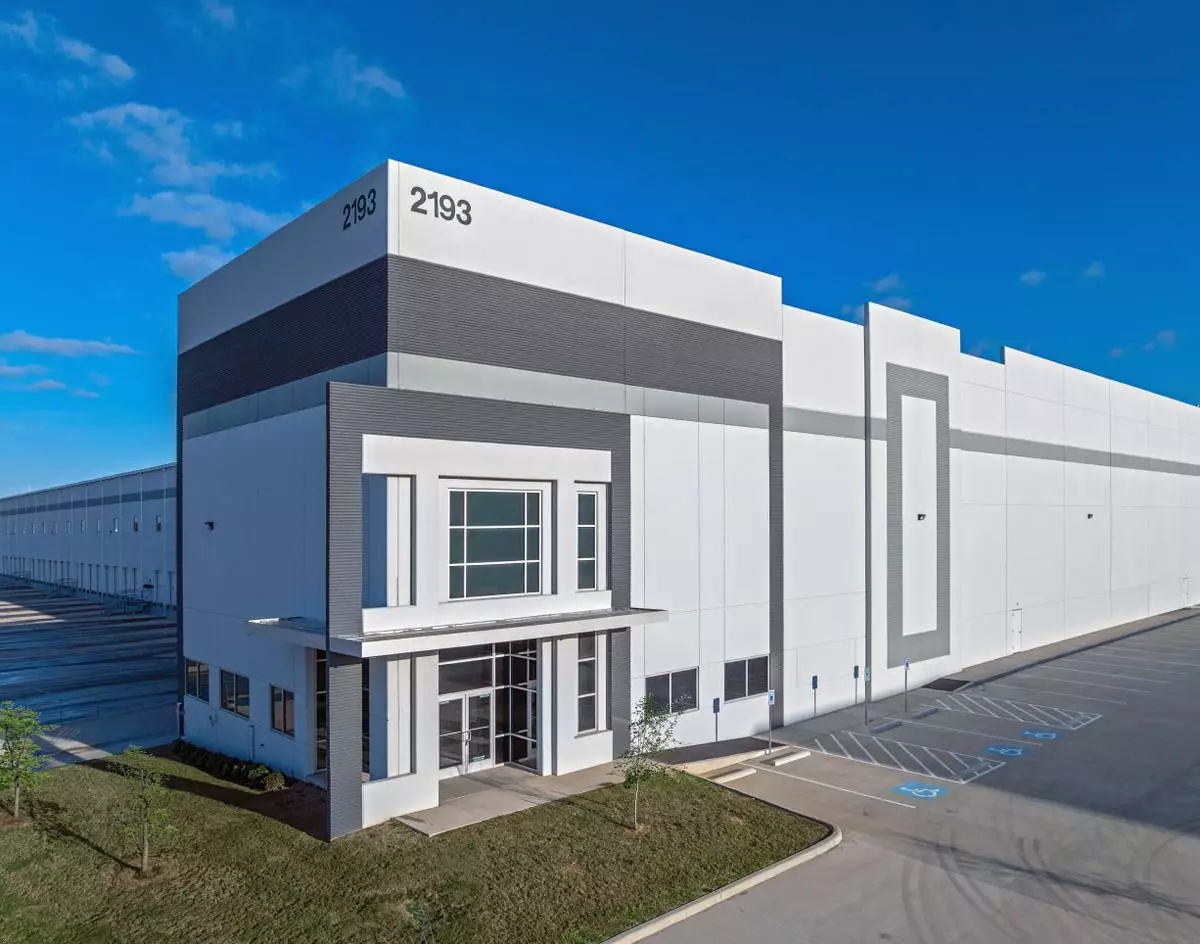
Twinwood Distribution Center III, Photo Courtesy of Bridge Logistics Properties
ALBUQUERQUE, N.M. (AP) — Jim Mustian reported and co-wrote an Associated Press story that revealed the U.S. Drug Enforcement Administration permitted hundreds of thousands of fentanyl pills to be distributed in New Mexico as part of an effort to build bigger federal prosecutions.
Mustian, along with AP journalist Joshua Goodman, reviewed hundreds of internal DEA records and interviewed current and former agents, including a whistleblower who claims his agency gambled with public safety and violated U.S. Justice Department rules about seizing the dangerous synthetic opioid. The White House last year designated fentanyl as a “ weapon of mass destruction.”
This is an interview of Mustian by Del Quentin Wilber, who edited the story.
Goodman, my AP colleague, first spotted the whistleblower complaint accusing the DEA of allowing fentanyl to hit the streets of New Mexico. The report was sent to the White House in September but escaped media attention at the time.
As government records often go, it was heavily redacted to shield not only the whistleblower’s identity but the amount of fentanyl that was not seized.
There was a critical oversight in the government’s redactions. I noticed that the whistleblower’s name ended in an “l” — a single letter that, for some reason, was missed by the black marker.
I sent a flurry of messages on LinkedIn to DEA agents whose named ended in “l” and had worked in Albuquerque. One afternoon in March, I was at my desk when I received a response from an agent who connected me to the whistleblower, David Howell. A couple weeks later I flew to New Mexico and met with Howell.
The simple answer: the sheer potency and lethality of fentanyl. In its “One Pill Can Kill” campaign, the DEA warns that just a couple of milligrams — an amount that would fit on the tip of a pencil — is enough to kill the average adult. Nowadays with fentanyl, we’re usually talking about counterfeit pills designed to mimic name-brand painkillers. The pills are almost always manufactured by cartels in Mexican labs and contain an unknown amount of fentanyl.
Our reporting highlighted the example of a 2023 fentanyl shipment that DEA agents monitored — but did not seize — at an Albuquerque mobile home park. Agents gathered such detailed intelligence that they wrote in their investigative report that 74,000 pills had been delivered. Howell told me that decision, which came as fatal overdoses hit their peak around the country, was akin to “providing one fentanyl pill to each person at a football stadium.”
Federal officials defended the decision to not seize the drugs.
Alex Uballez, the U.S. attorney in Albuquerque at the time, acknowledged that authorities sometimes “walk" drugs in the name of catching an ultimately “bigger fish” — an approach he said saves more lives than attempting to interdict every shipment.
The DEA said in a statement that “public descriptions suggesting that DEA knowingly permitted fentanyl to reach communities are false and fundamentally mischaracterize the facts.” Spokesperson Amanda Wozniak wrote in an email that “the investigative decisions at issue were lawful, reasonable under the circumstances and consistent with Department guidance.”
This story highlights the enormous gulf between what law enforcement does with taxpayer resources and what the public knows — or is supposed to know — about those activities. That’s true even in something as consequential as the drug war. Federal agents enjoy enormous discretion and make decisions every day that affect public safety.
In many instances, the government asks us to simply trust it’s doing the right thing. Indeed, the records we uncovered would not have been released under the Freedom of Information Act. These records and interviews with Howell revealed the complexity of these investigations that we rarely see. Even as Howell’s complaint was raising serious concerns about allowing fentanyl to reach drug users, DOJ rewrote its non-public rules to afford law enforcement more discretion in deciding whether to seize the deadly painkiller.
Howell, a 19-year veteran of DEA, filed a formal whistleblower in late 2023 with the Office of Special Counsel, a government agency that protects whistleblowers. He submitted DEA reports, emails and text messages, including one in which colleagues discussed a 100,000-pill transaction they witnessed but chose not to stop.
The OSC was initially so concerned that it found a “substantial likelihood of wrongdoing” and took the unusual step of asking the Justice Department to investigate.
The Justice Department’s Office of Professional Responsibility, a kind of internal affairs office, found in 2024 that the DEA and U.S. attorney’s office had made reasonable decisions in deciding to allow drugs to go unseized and that their inaction posed no “specific danger to public health.”
Howell and other critics said internal investigators overlooked the question of whether DEA permitted massive amounts of fentanyl to hit the streets.
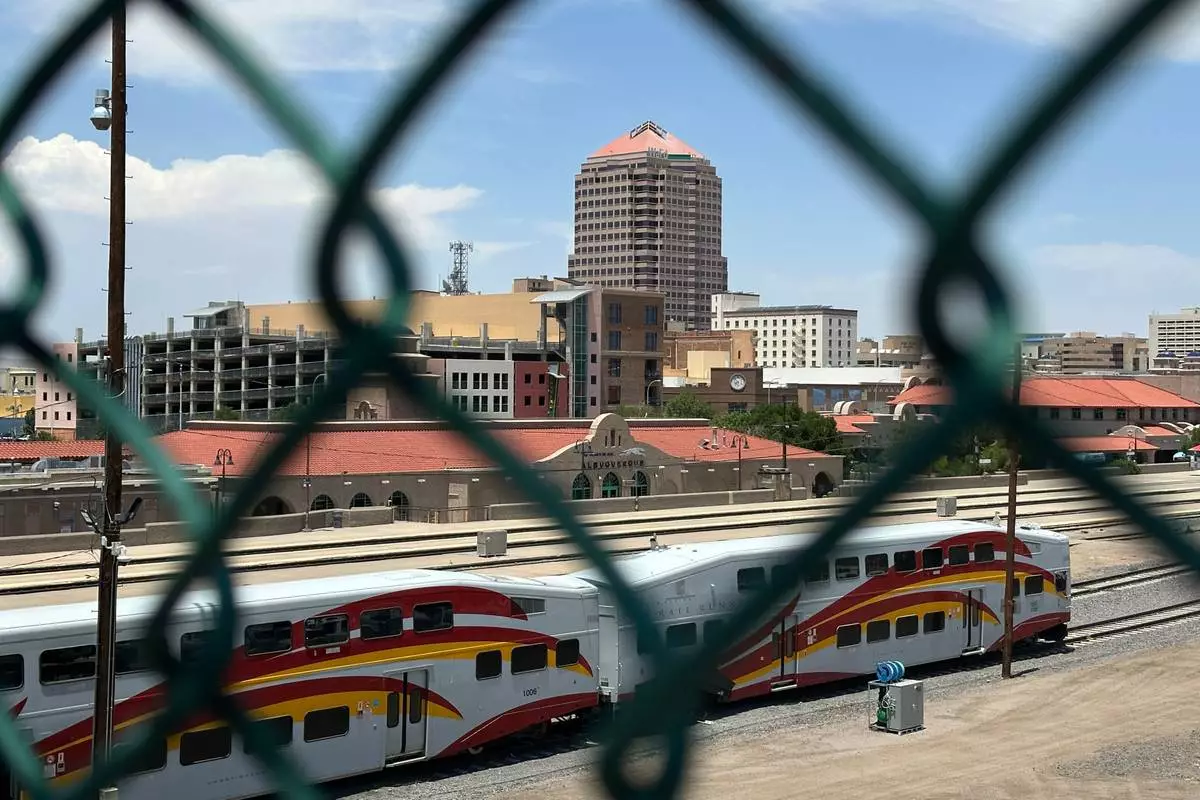
The tallest building in downtown Albuquerque, N.M., which houses the U.S. attorney's office, is seen beyond a chain link fence on Friday, June 12, 2026. (AP Photo/Susan Montoya Bryan)
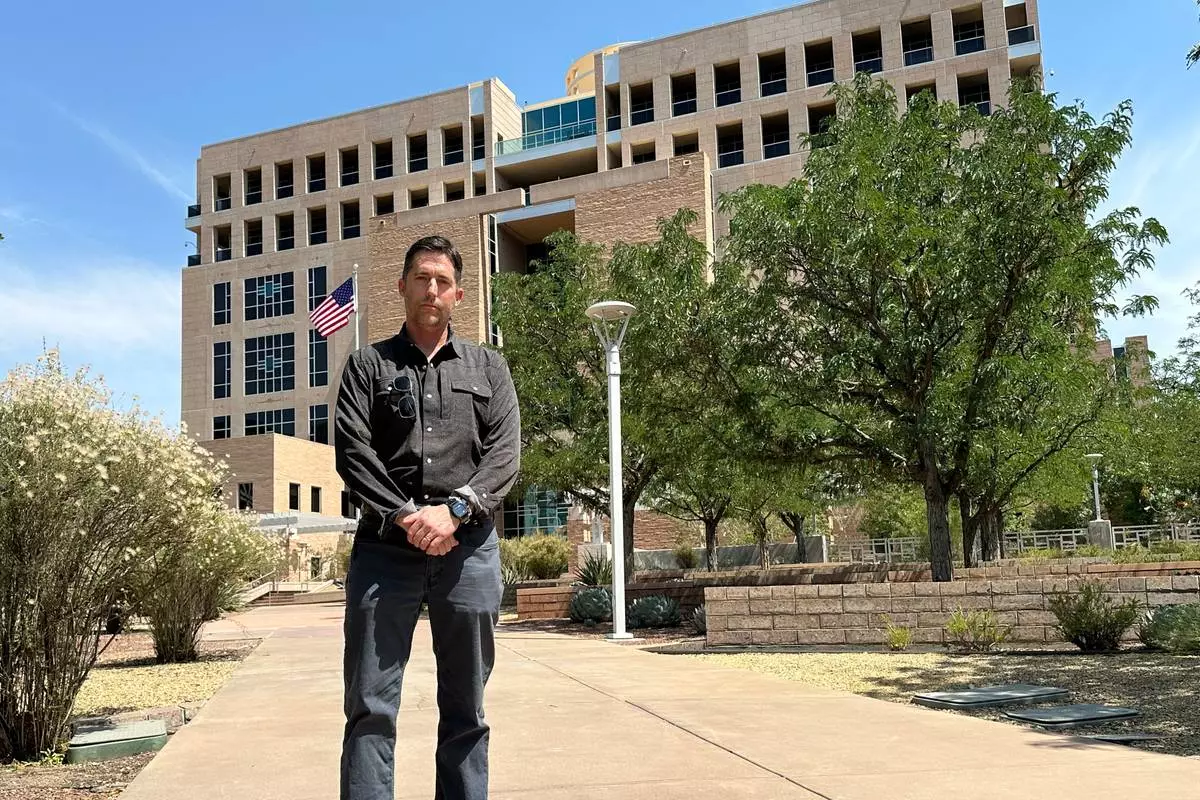
DEA Special Agent David Howell, who filed a whistleblower complaint, stands outside the U.S. district courthouse in Albuquerque, N.M., on Friday, June 12, 2026. (AP Photo/Susan Montoya Bryan)
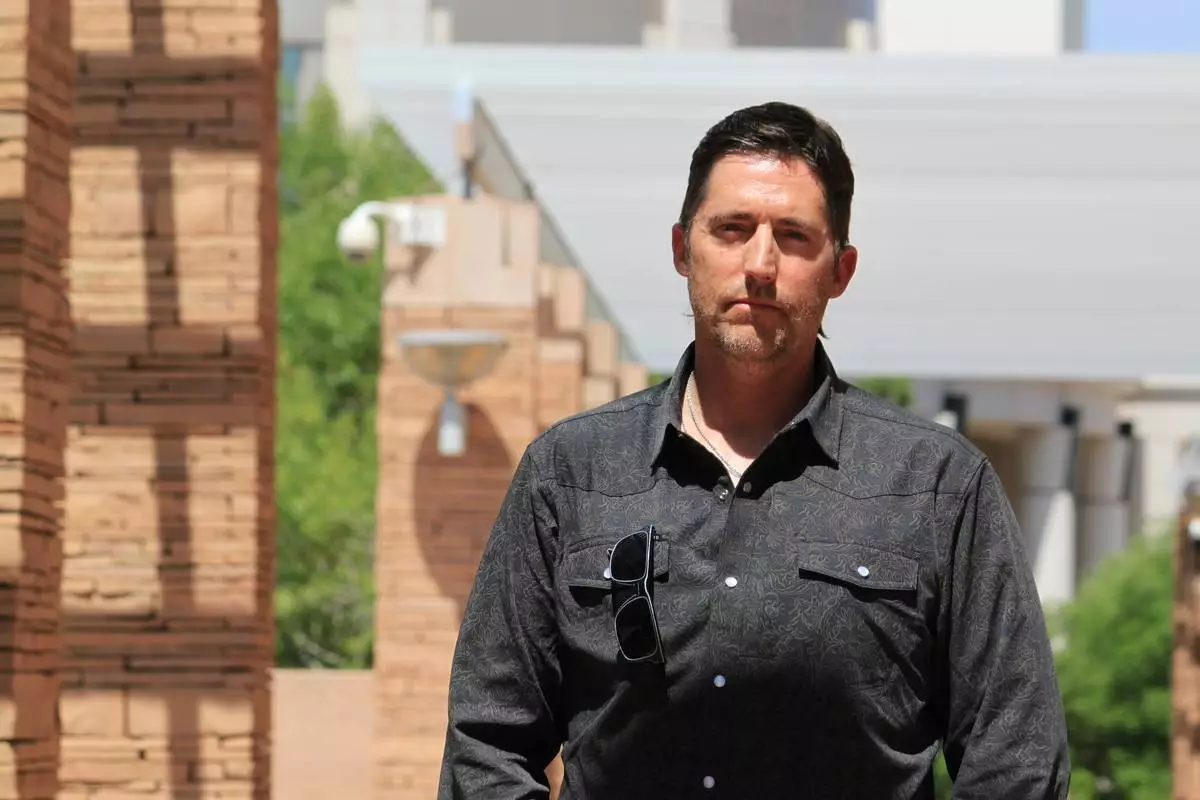
DEA Special Agent David Howell, who filed a whistleblower complaint, poses for a portrait outside the U.S. district courthouse in Albuquerque, N.M., on Friday, June 12, 2026. (AP Photo/Susan Montoya Bryan)
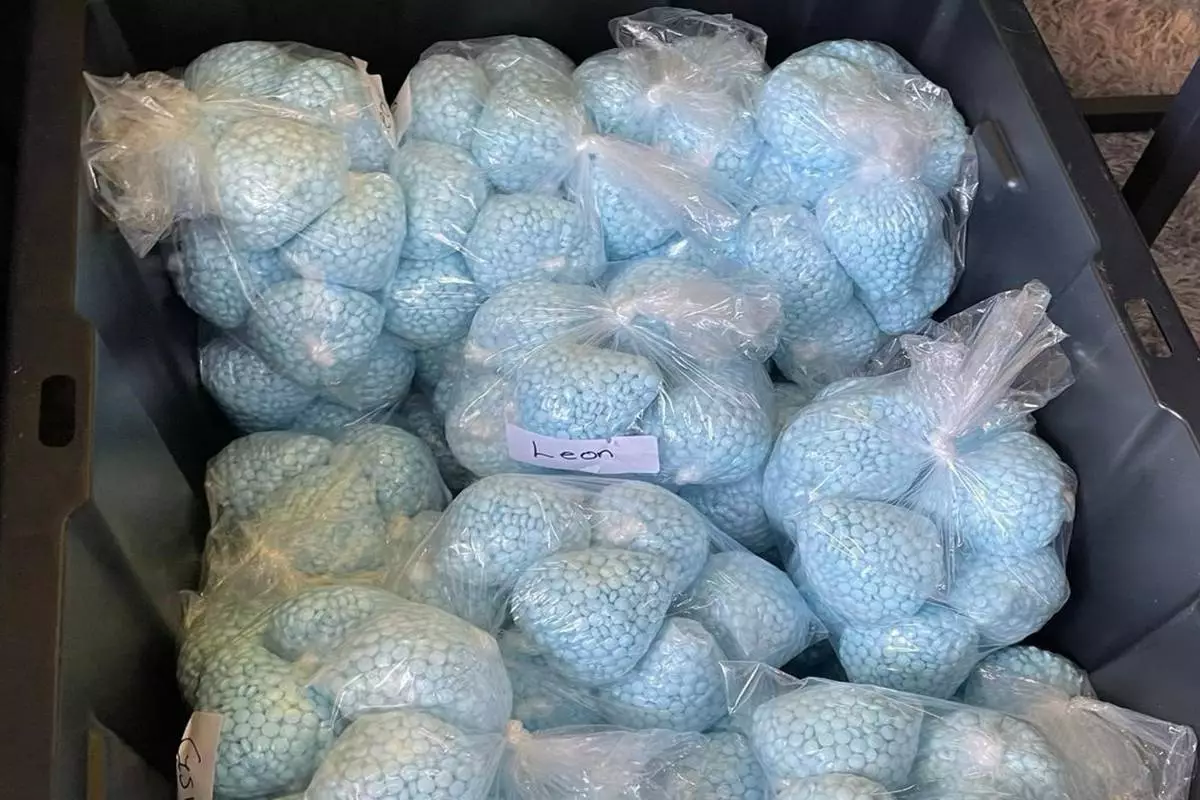
This photo provided by the U.S. Drug Enforcement Administration shows pills containing fentanyl which were seized by the DEA in New Mexico, on April 28, 2025. (DEA via AP)