BALTIMORE & BENTONVILLE, Ark.--(BUSINESS WIRE)--Jun 23, 2026--
Constellation (Nasdaq: CEG) and Walmart (Nasdaq: WMT) today announced a long-term nuclear power purchase agreement (PPA) for emissions-free electricity from Constellation’s Dresden Clean Energy Center in Illinois. The agreement includes approximately 176 MW of wholesale supply, including 30 MW of expanded generating capacity.
This press release features multimedia. View the full release here: https://www.businesswire.com/news/home/20260622721429/en/
Walmart will purchase energy, environmental attributes and capacity through two 15‑year terms beginning in 2029 and 2030. This agreement supports reliable nuclear energy in the region and enables planned uprates — efficiency upgrades that increase output from existing nuclear units without the need to build a new facility. The agreement is expected to help Walmart access cleaner energy and strengthen local energy infrastructure — while continuing to serve customers with everyday low prices.
“This agreement reflects long‑term stewardship of critical infrastructure, the communities it serves, and the energy system that powers American growth,” said Jim McHugh, Senior Executive Vice President and Chief Commercial Officer, Constellation. “Walmart’s commitment enables meaningful investment in the Dresden Clean Energy Center — bolstering reliability, sustaining local jobs and economic activity, and putting more dependable, emissions-free energy onto the Illinois power grid.”
Through uprates at the Dresden Clean Energy Center, this agreement will provide enough new power to the grid to support Walmart’s previously announced high-tech perishable distribution center, currently in development in Belvidere, Ill. Together, these investments strengthen the local community by supporting jobs and enabling continued expansion of Walmart’s supply chain operations and workforce.
“Walmart has a long history of investing in energy solutions that support our business and the communities where we operate, and this agreement builds on that work,” said Shayne Wahlmeier, SVP Energy – Walmart US. “Working with Constellation allows us to support new operations in Illinois while advancing our strategy in a way that prioritizes affordable, reliable, and clean energy for our business and the communities we serve. We’re constantly evaluating new capabilities and energy solutions that help ensure the electricity we rely on is dependable, responsibly produced, and built to support long-term growth.”
This agreement marks Walmart’s first nuclear PPA and is among the first of its kind between a large retailer and a nuclear energy facility in the United States. The agreement follows Constellation’s December 2025 license renewal announcement for Dresden and supports continued investment in Dresden’s long‑term reliability and performance. Licensed to operate through 2049 and 2051, the Dresden Clean Energy Center provides baseload, reliable carbon-free electricity for the region and supports more than 1,100 family-sustaining jobs.
Constellation and Walmart have both maintained a longstanding presence in Illinois. Constellation’s generation footprint produces enough energy to power more than eight million homes, and Walmart’s retail operations total approximately 175 stores and clubs with more than 55,000 associates in the state. Both companies view the PPA as an extension of their shared, long-term commitment to the communities where they operate.
About Constellation
Constellation Energy Corporation (Nasdaq: CEG), a Fortune 200 company headquartered in Baltimore, is the largest private-sector power producer in the world and the nation’s largest producer of clean and reliable energy. With 55 gigawatts of capacity from nuclear, natural gas, geothermal, hydro, wind and solar facilities, our fleet has the generating capacity to power the equivalent of 27 million homes, providing about 10% of the nation’s clean energy and delivering the around-the-clock reliability needed to power America’s growing economy. We are also the largest nuclear energy company in the U.S. and a leading competitive retail supplier, serving approximately 2.5 million customer accounts nationwide, including 80% of the Fortune 100. We are committed to investing in innovation and new technologies to drive the transition to a reliable, sustainable and secure energy future. Follow Constellation on LinkedIn and X.
About Walmart
Walmart Inc. (Nasdaq: WMT) is a people-led, tech-powered omnichannel retailer helping people save money and live better - anytime and anywhere - in stores, online, and through their mobile devices. Each week, approximately 280 million customers and members visit more than 10,900 stores and numerous eCommerce websites in 19 countries. With fiscal year 2026 revenue of $713 billion, Walmart employs approximately 2.1 million associates worldwide. Walmart continues to be a leader in sustainability, corporate philanthropy, and employment opportunity. Additional information about Walmart can be found by visiting corporate.walmart.com, on Facebook at facebook.com/walmart, on X (formerly known as Twitter) at twitter.com/walmart, and on LinkedIn at linkedin.com/company/walmart.
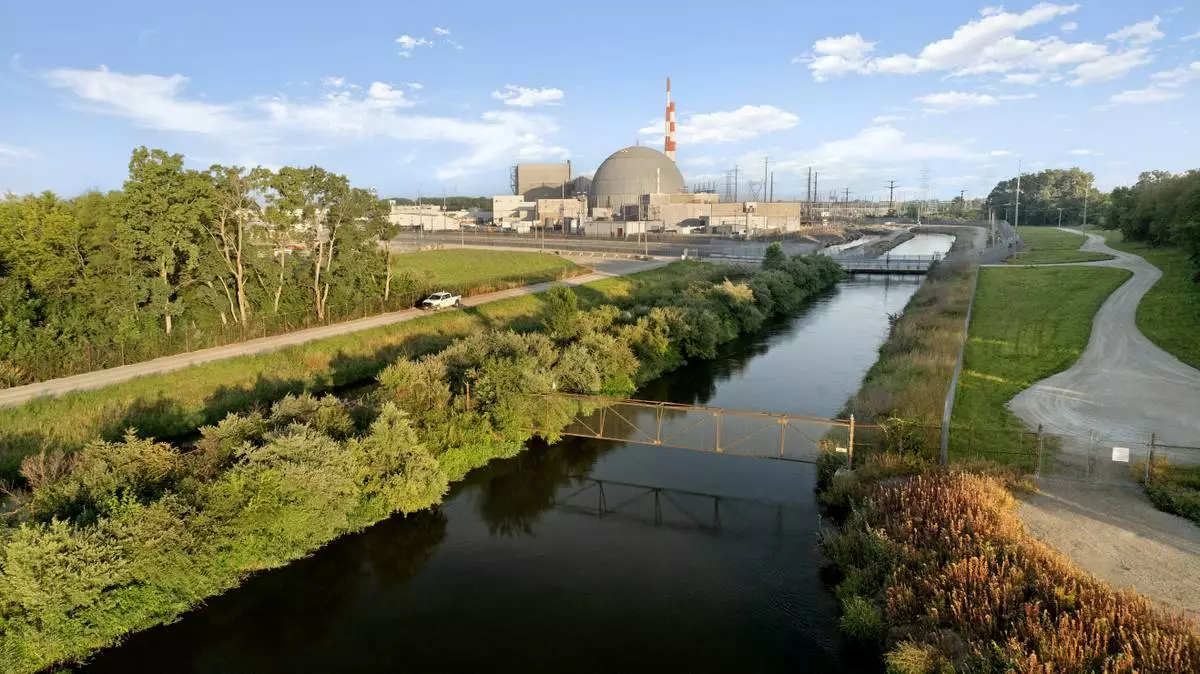
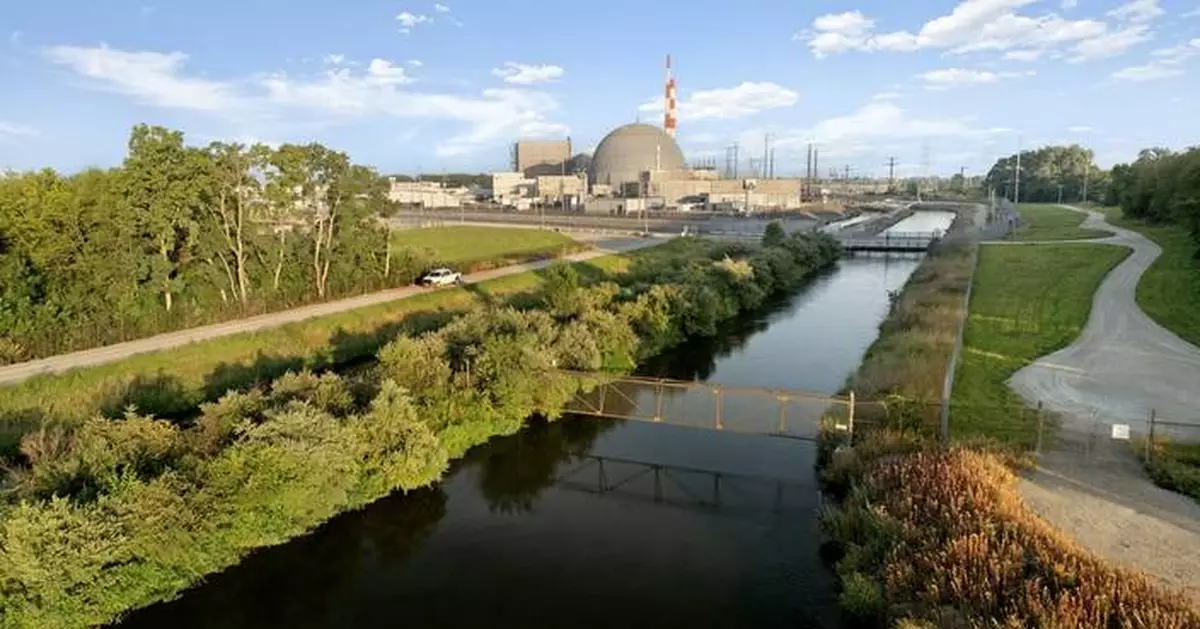
Constellation's Dresden Clean Energy Center located in Morris, Ill.
KYIV, Ukraine (AP) — Ukraine said Tuesday its forces struck a railway bridge, a power plant and other key infrastructure targets in Crimea as Kyiv’s military seeks to isolate the vital Russian-held peninsula in the latest stage of the 4-year-old war.
The drone attacks added to the woes on the Black Sea peninsula, where Russian authorities have had to suspend gasoline sales to civilians as Ukraine has intensified its recent campaign to disrupt supply lines and the electrical grid at the height of the summer tourist season.
The peninsula was seized by force and illegally annexed by Moscow in 2014. Ukraine's increasing use of long-range strikes has highlighted its ability to inflict painful damage on Russia and put added pressure on the Kremlin while Moscow’s advances recently have ground to a near halt, Western analysts and officials say.
Ukrainian Defense Minister Mykhailo Fedorov said last week that his forces are “isolating Crimea with drones.”
“It looks like in the nearest time, Crimea will become an island. This could lead to some very unexpected consequences for Russians,” Fedorov said on a blogger's YouTube channel.
Russian President Vladimir Putin said Moscow had been warned that Ukraine aimed to disrupt energy supplies and Russia’s tourism industry. He didn’t say who gave the warning.
Ukrainian drones “coming in a huge stream” seek to “destabilize” Russian society, Putin said.
Ukraine also has hit targets near to the Kremlin in Moscow and in St. Petersburg, Russia's second-largest city this month.
Ukraine’s Defense Ministry said drones struck an oil storage depot at the Kerch thermal power plant in eastern Crimea, an electrical substation in the west, and a liquefied natural gas distribution station in Simferopol, the peninsula’s second-biggest city.
In addition, Ukraine’s Special Operations Forces said their units, working with what it said was the resistance movement in Crimea, destroyed a rail bridge over the North Crimean Canal near the village of Rozdolne.
The military described the span as a key logistics route used to supply Russian forces in southern Ukraine and said drones began hitting the structure late Sunday to Monday, collapsing part of it. A second strike early Tuesday targeted railway repair equipment deployed at the bridge and its remaining sections, it said on Telegram.
It was not possible to independently verify the Ukrainian claims, and Russian officials made no immediate comment.
Parts of Crimea were without power Tuesday, the area’s energy supplier said. But it attributed the outages to “technical malfunctions” in local electrical grids and said it expected power to be restored within 24 hours.
Both Russia and Ukraine covet the diamond-shaped peninsula for its naval bases and beaches. Crimea's unique location in the Black Sea makes it a strategically important asset, and Russia has spent centuries fighting for it.
Russian-appointed officials in Crimea have appeared reluctant to discuss attacks on the peninsula, but new security measures suggest deepening tension.
Its Ministry of Sport on Tuesday canceled all sporting events, competitions, and training sessions for children through Sept. 1. It described the measures as “aimed solely at ensuring the safety of our children, athletes, and anyone who is involved with sport.”
On Monday, Gov. Sergei Aksyonov said that for security reasons, all summer camps in the region had stopped accepting children and new bookings until Sept. 1.
On the front line in eastern Ukraine, where Russia’s war of attrition has made slow and costly advances since Moscow’s full-scale invasion in February 2022, Ukraine has deployed cutting-edge drone technology to keep the enemy pinned down.
Meanwhile, its medium-range drones have also disrupted Russia’s supply lines to the front, and its long-range strikes have increasingly damaged Russian oil facilities that provide vital revenue for the Kremlin’s war effort.
The Ukrainian Defense Ministry said Monday its forces have hit more than 800,000 enemy targets with drones since the beginning of the year and that 95% of drones used by the armed forces are domestically produced.
The successes have boosted Ukrainian confidence, and President Volodymyr Zelenskyy says sustained foreign support is locked in to help stop Russia.
Officials have shown renewed vigor in talking about the war.
Ukraine’s U.N. Ambassador Andrii Melnyk said Monday that Kyiv remained ready for direct talks with Russia to achieve a “just and lasting peace” based on the U.N. Charter, but warned that Ukraine’s willingness to compromise was not open-ended.
Melnyk said at a U.N. Security Council meeting that a ceasefire along the current front line already represented a major concession and urged Russia to withdraw from occupied Ukrainian territory.
He also said recent Ukrainian strikes had altered the dynamics of the war, adding: “This is just the beginning.”
Meanwhile, the Kremlin is ready to “ensure the security” of its neighbor and ally Belarus, Russian Foreign Minister Sergey Lavrov said Tuesday, days after Zelenskyy demanded that Belarus remove relay equipment on its territory that Kyiv said aided Russian drone attacks.
The relay stations are used for signal transmissions to Russian drones attacking Ukraine, according to Zelenskyy.
Lavrov told the Russian news agency Interfax that Kyiv was trying to drag Belarus into the conflict. Moscow, in fact, had used Belarus territory to launch its invasion of Ukraine.
Follow the AP’s coverage of the war in Ukraine at https://apnews.com/hub/russia-ukraine

Russian President Vladimir Putin toasts with graduates of the country's highest military schools during a meeting at the Kremlin in Moscow, on Tuesday, June 23, 2026. (Gavriil Grigorov, Sputnik, Kremlin Pool Photo via AP)

Russian President Vladimir Putin, left, toasts with graduates of the country's highest military schools during a meeting at the Kremlin in Moscow, on Tuesday, June 23, 2026. (Mikhail Metzel, Sputnik, Kremlin Pool Photo via AP)

People buy food at an improvised outdoor market, burnt cars in the foreground, surrounded by damaged buildings covered with street artists paintings close to a big city marketplace that was ruined recently by Russian missiles in Kyiv, Ukraine, Monday, June 22, 2026. (AP Photo/Efrem Lukatsky)
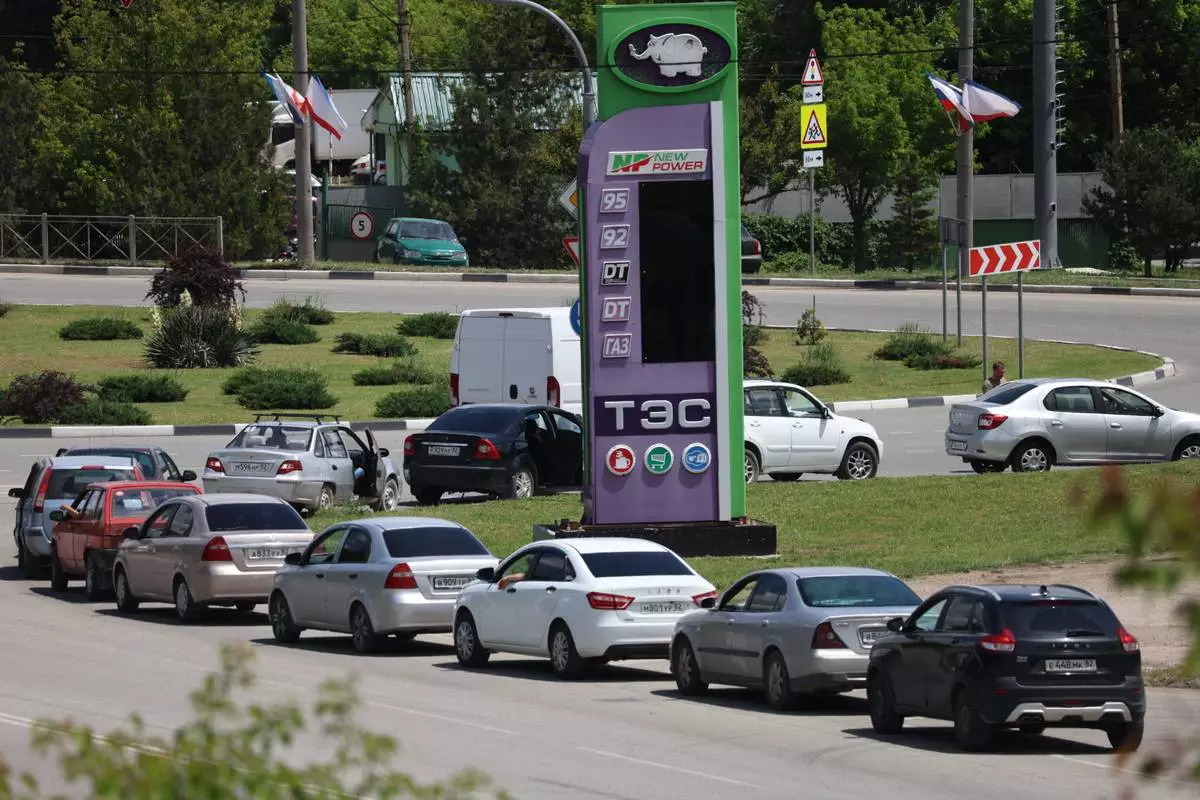
Cars line up at a petrol station in Simferopol, Crimea, Friday, June 12, 2026. (AP Photo)
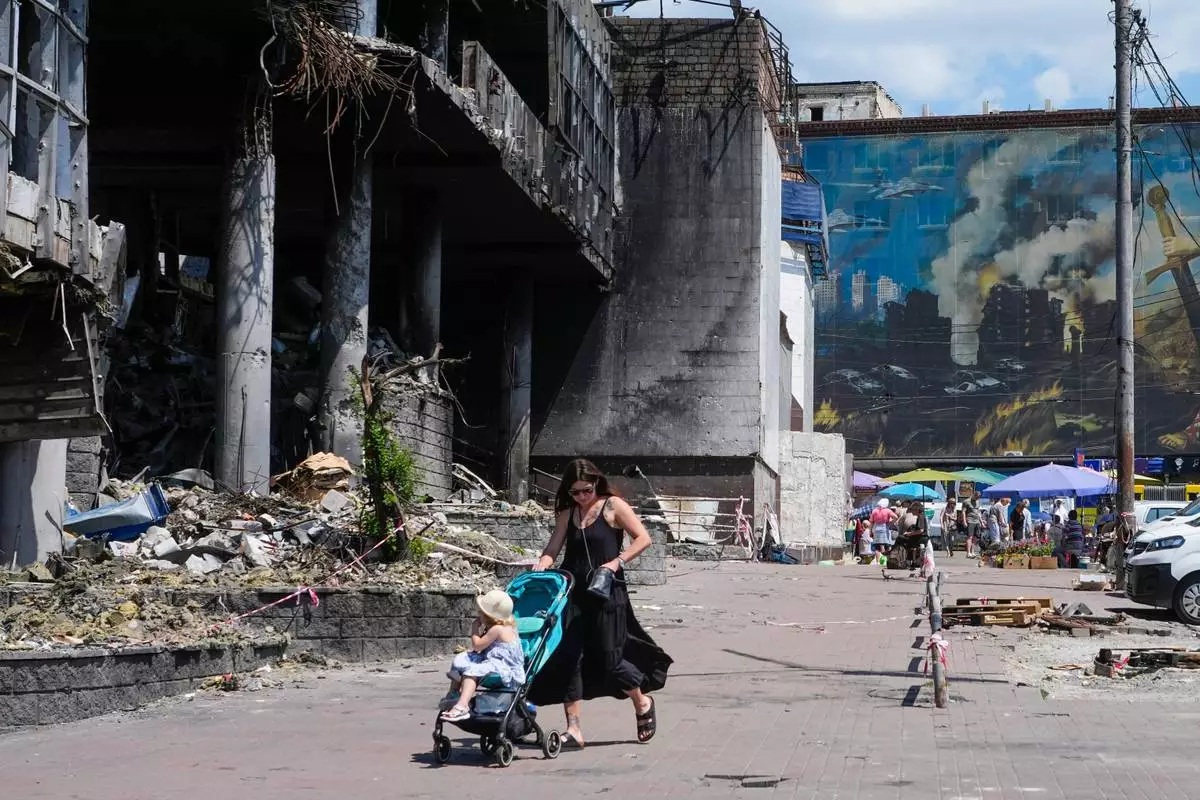
A mother pushes a stroller past a damaged building covered with street artist paintings and a big city marketplace that was destroyed recently by Russian missiles in Kyiv, Ukraine, Monday, June 22, 2026. (AP Photo/Efrem Lukatsky)
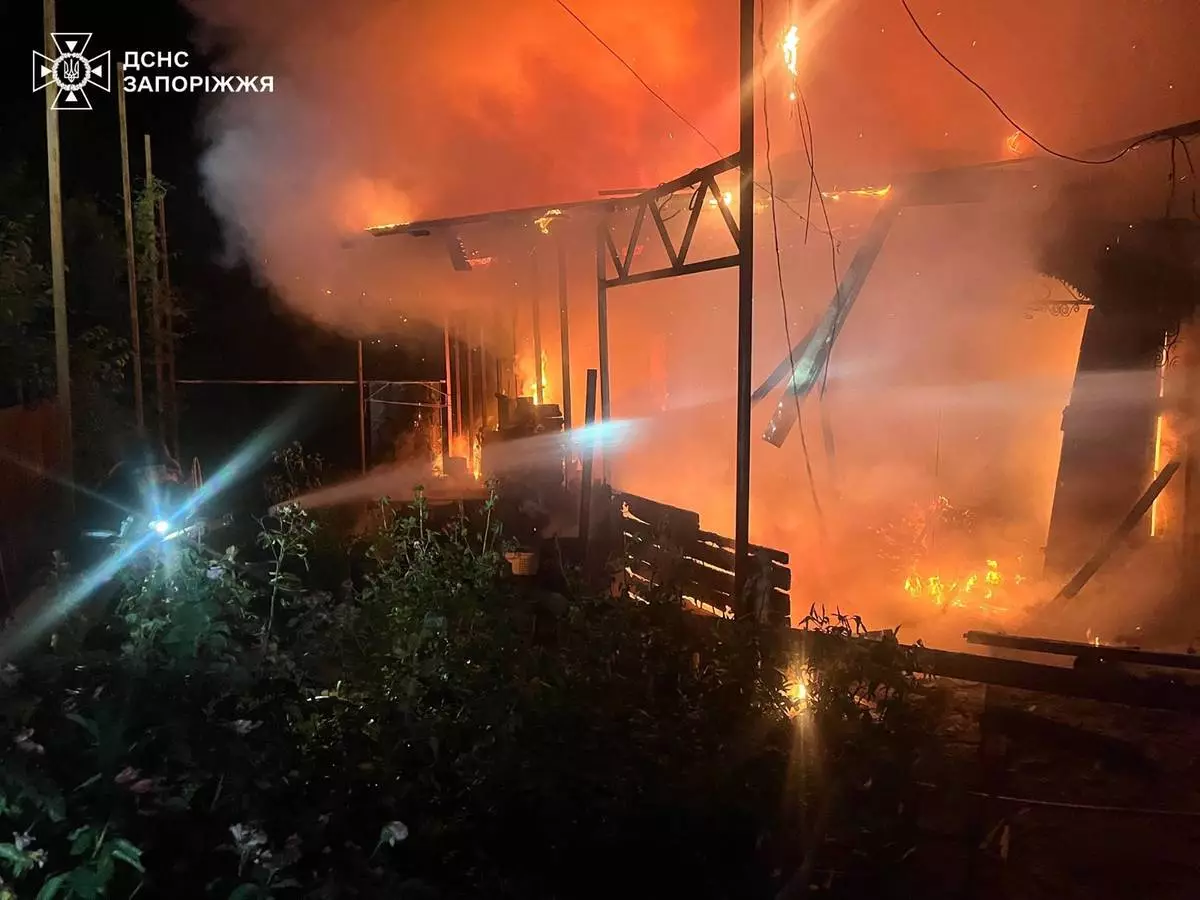
In this photo provided by the Ukrainian Emergency Service, emergency services personnel work to extinguish a fire following a Russian air attack in in Zaporizhzhia region, Ukraine, Monday, June 22, 2026. (Ukrainian Emergency Service via AP)