Skip to Content Facebook Feature Image

Immigrants are leaving South Africa as protests grow over illegal migration. Here's what to know

News

Immigrants are leaving South Africa as protests grow over illegal migration. Here's what to know
News

News

Immigrants are leaving South Africa as protests grow over illegal migration. Here's what to know

2026-06-30 21:16 Last Updated At:21:20

CAPE TOWN, South Africa (AP) — Thousands of people gathered Tuesday in various parts of South Africa to hold the biggest demonstrations against illegal migration since anti-migrant violence broke out in 2008, killing more than 60 people.

Many African immigrants, predominantly from Zimbabwe and Malawi, are leaving South Africa because of a rise in anti-migration anger that sparked attacks against foreigners.

More Images
Malawian migrants stand in a queue for their deportation at a temporary centre, in South Africa, Thursday, June 18, 2026. (AP Photo/Themba Hadebe)
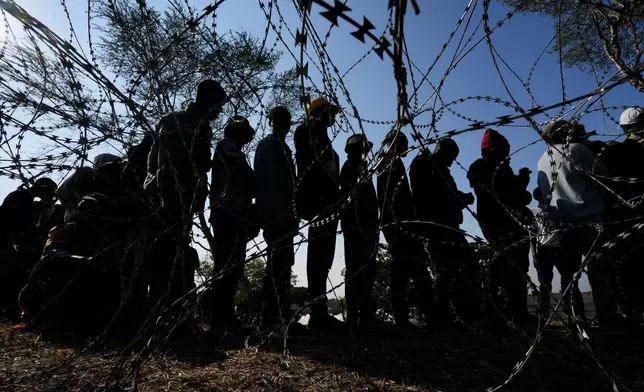
Malawian migrants stand in a queue for their deportation at a temporary centre, in South Africa, Thursday, June 18, 2026. (AP Photo/Themba Hadebe)

Malawian migrants stand in a queue for their deportation at a temporary centre, in Durban, South Africa, Thursday, June 18, 2026. (AP Photo/Themba Hadebe)
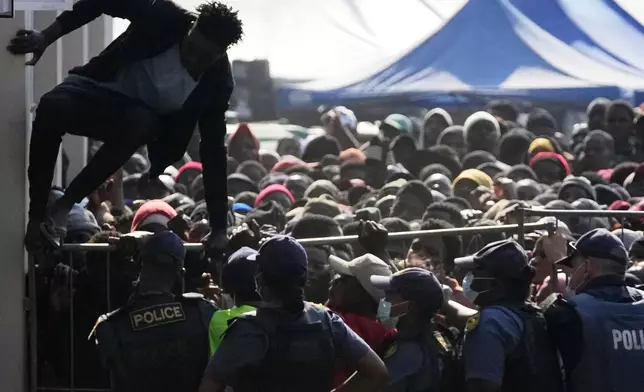
Malawian migrants stand in a queue for their deportation at a temporary centre, in Durban, South Africa, Thursday, June 18, 2026. (AP Photo/Themba Hadebe)
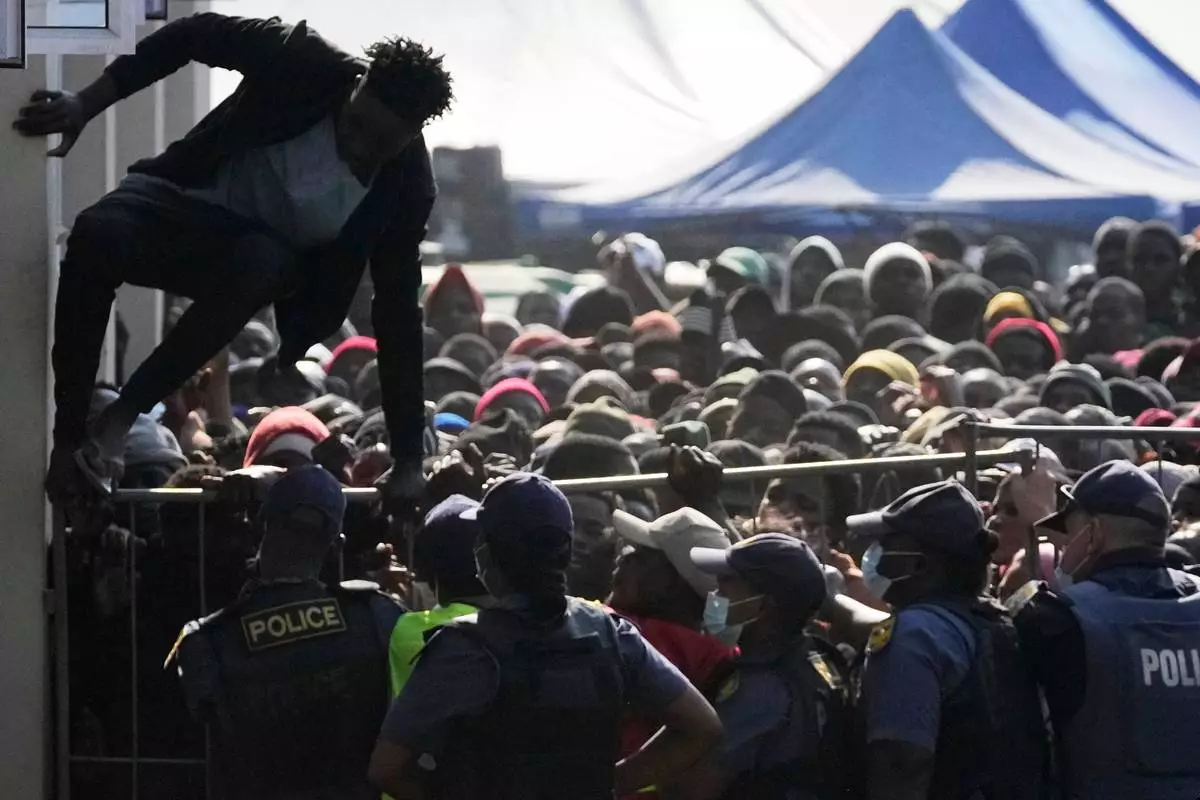
A Malawian migrant jumps over a barricade as the police officer manage the queue for their deportation at a temporary centre, in Durban, South Africa, Thursday, June 18, 2026. (AP Photo/Themba Hadebe)

A Malawian migrant jumps over a barricade as the police officer manage the queue for their deportation at a temporary centre, in Durban, South Africa, Thursday, June 18, 2026. (AP Photo/Themba Hadebe)

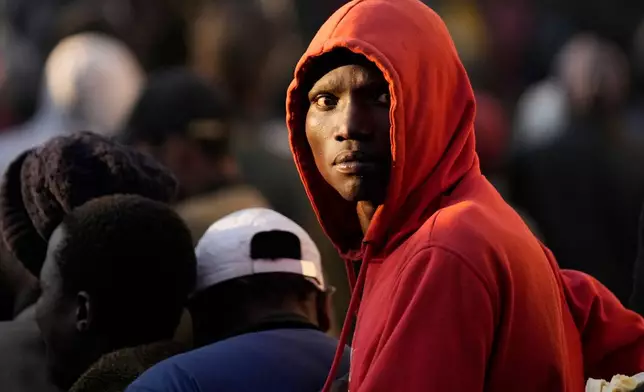
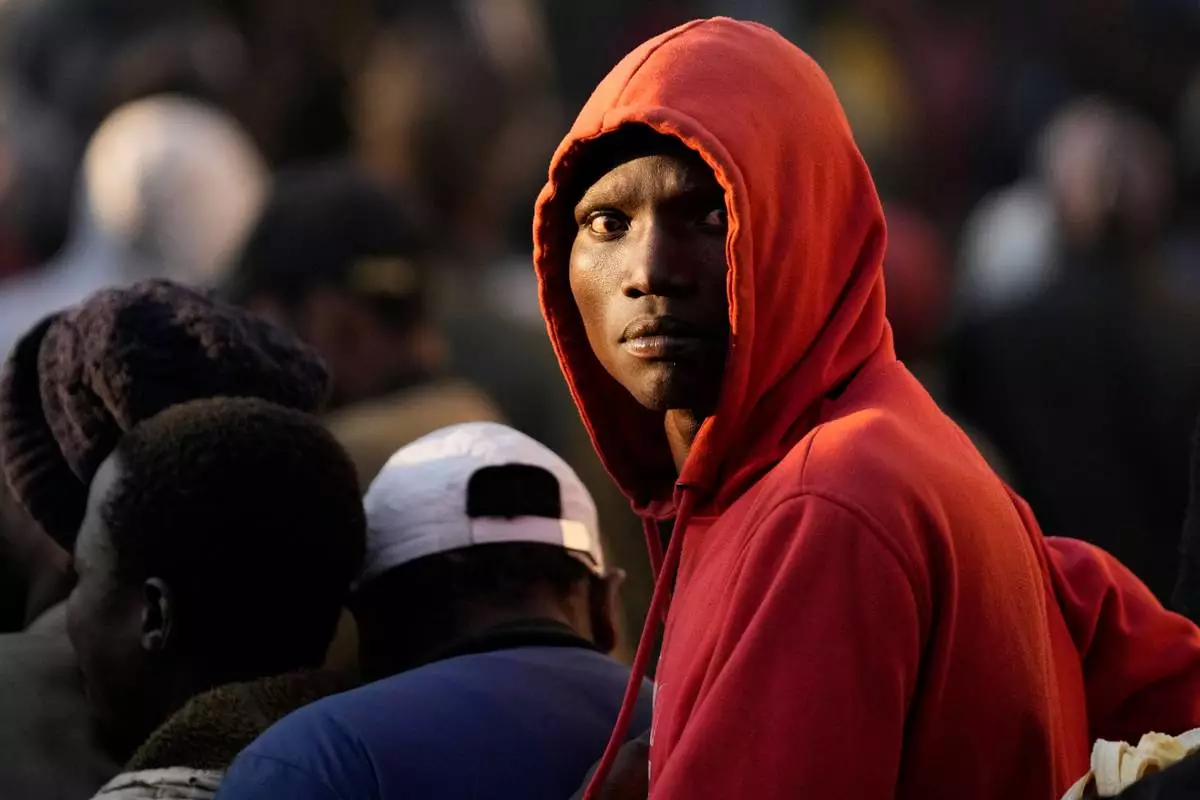
A Malawian migrant stands in a queue ahead deportation at a temporary centre in Durban, South Africa, Friday, June 19, 2026. (AP Photo/Themba Hadebe)

A Malawian migrant stands in a queue ahead deportation at a temporary centre in Durban, South Africa, Friday, June 19, 2026. (AP Photo/Themba Hadebe)

The attacks have coincided with a series of protests and marches in recent months by anti-immigration groups, who set Tuesday as what they called a “deadline” for people in the country illegally to leave, the first time any anti-immigrant group has done so.

They have called on the government to take action against what they say is a growing problem of illegal immigration in Africa's biggest economy.

The groups threatened a “national shutdown” if that doesn't happen.

South African authorities were on high alert Tuesday, with officers deployed to various parts of the country that have been identified as locations for potential violence against people who are in the country illegally.

Thousands of immigrants are moving from South Africa to Zimbabwe through the Beitbridge border post, which is experiencing high traffic volume.

Some countries, including Malawi, Nigeria, Ghana and Zimbabwe, have begun repatriating citizens while criticizing South Africa for what they call a climate of xenophobia.

Here is what to know:

Anti-immigration protests in several major cities have put the issue at the top of national politics since March. The protest groups have blamed immigrants without evidence for South Africa's high unemployment, public service failures and crime.

South African President Cyril Ramaphosa met Monday night with some leaders of the planned rallies, assuring them of their right to protest but insisting on peaceful demonstrations.

He has said some of the protest groups are exploiting the issue to advance their own political agendas and “illegal immigration is not the cause of our social and economic difficulties.”

But Ramaphosa also conceded there had been failures in South Africa's border control.

As one of Africa's richer countries, South Africa has long attracted migrants from elsewhere in Africa seeking a better life. The latest census figures from 2022 show there were 2.4 million foreign nationals who had immigrated, which is less than 4% of South Africa's population of 62 million.

Critics of the government say those figures do not count many others in South Africa without proper documents.

While immigration becomes increasingly polarizing in the United States and Europe, Africa's leading economy is also confronting the issue.

In the past two years, South Africa has deported more than 100,000 people the home affairs ministry says were in the country illegally, while also stopping around 500,000 others at borders trying to enter without documents.

Those figures have strengthened the claims by anti-immigration groups of a larger problem.

South Africa has a history of xenophobic violence as migrants from poor nations like Zimbabwe, Mozambique and Malawi generally end up settling in impoverished communities in South Africa where unemployment and frustrations are high.

A spokesperson for U.N. Secretary-General Antonio Gutteres said the U.N. chief was “deeply concerned by reports of xenophobic attacks and acts of harassment and intimidation against migrants and foreign nationals in parts of South Africa.”

In 2008, more than 60 people — both South Africans and foreign nationals — were killed in a wave of anti-immigrant violence that spread from the biggest city of Johannesburg. There have been intermittent outbursts of violence against immigrants since then.

The latest tensions have led to strong criticism of South Africa by several African countries, including Nigeria, Ghana and Mozambique, who say their citizens are being targeted.

Thousands of migrants have also left South Africa as tensions rise ahead of the June 30 deadline set by protest groups.

Nigeria and Ghana have repatriated nearly 2,000 people on government-sponsored flights, citing concerns over their safety, and say there will be more evacuations. Zimbabwe and Mozambique have also repatriated smaller numbers of people.

More than 8,000 Malawian nationals have left the country on buses provided by the Malawian government or private sponsors and others have gathered in Durban as they attempt to leave the country.

South African authorities said they helped facilitate the repatriation of Malawian citizens, but they also formally deported many of them for not having documents to live in South Africa.

AP Africa news: https://apnews.com/hub/africa
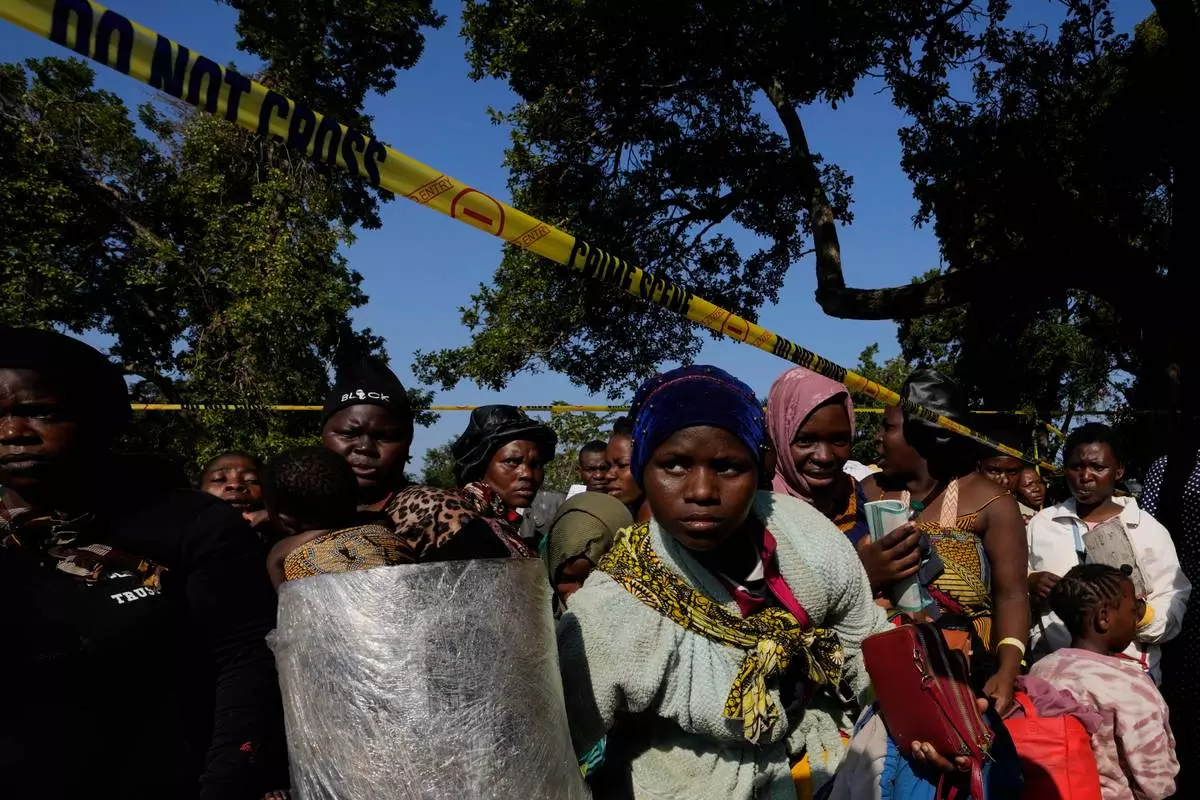
Malawian migrants stand in a queue for their deportation at a temporary centre, in South Africa, Thursday, June 18, 2026. (AP Photo/Themba Hadebe)
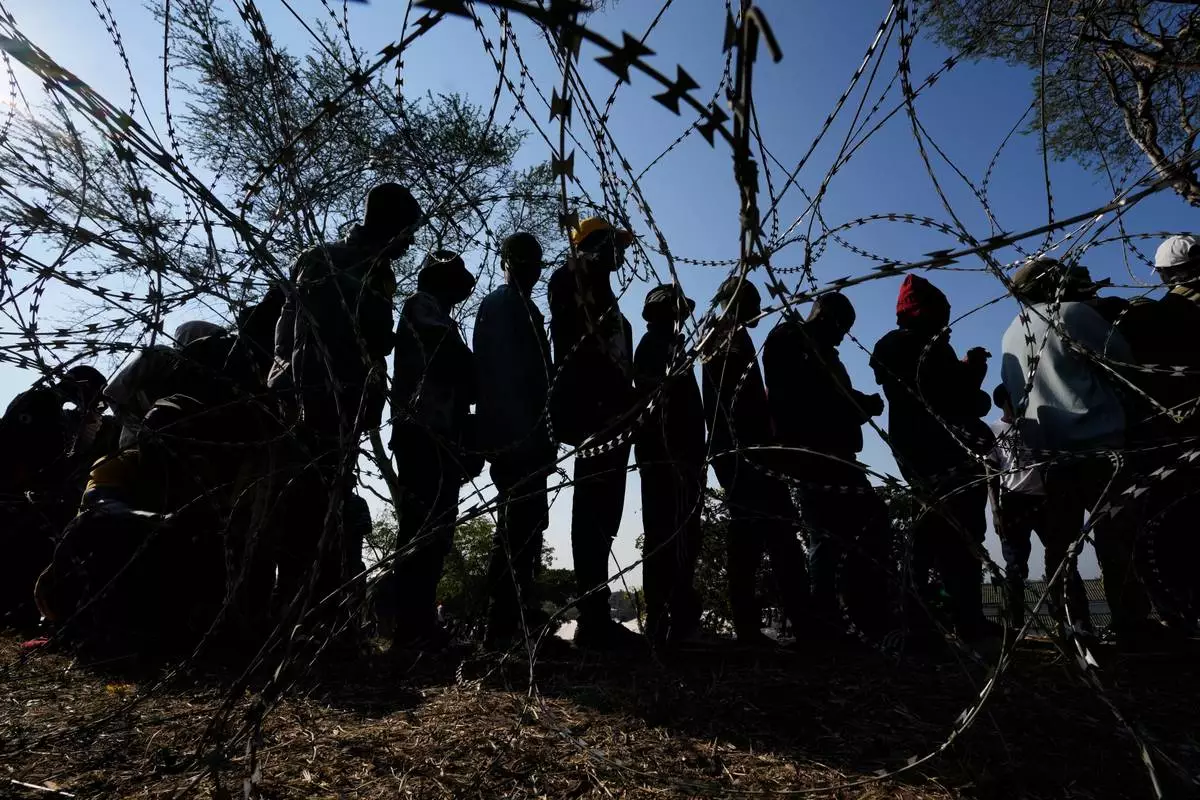
Malawian migrants stand in a queue for their deportation at a temporary centre, in South Africa, Thursday, June 18, 2026. (AP Photo/Themba Hadebe)

Malawian migrants stand in a queue for their deportation at a temporary centre, in Durban, South Africa, Thursday, June 18, 2026. (AP Photo/Themba Hadebe)
Malawian migrants stand in a queue for their deportation at a temporary centre, in Durban, South Africa, Thursday, June 18, 2026. (AP Photo/Themba Hadebe)
A Malawian migrant jumps over a barricade as the police officer manage the queue for their deportation at a temporary centre, in Durban, South Africa, Thursday, June 18, 2026. (AP Photo/Themba Hadebe)

A Malawian migrant jumps over a barricade as the police officer manage the queue for their deportation at a temporary centre, in Durban, South Africa, Thursday, June 18, 2026. (AP Photo/Themba Hadebe)

A Malawian migrant stands in a queue ahead deportation at a temporary centre in Durban, South Africa, Friday, June 19, 2026. (AP Photo/Themba Hadebe)


A Malawian migrant stands in a queue ahead deportation at a temporary centre in Durban, South Africa, Friday, June 19, 2026. (AP Photo/Themba Hadebe)
BELGRADE, Serbia (AP) — Feliks' journey resembles a Hollywood movie script, with kidnappers, smugglers and clandestine border crossings.

The year-old eastern imperial eagle from Serbia, started flying in August and later set off on his first migratory flight toward the Middle East, only to be captured by poachers, sold illegally and retrieved in a daring cross-border mission.

While Feliks returned home safely last week, his ordeal highlighted both the widespread practice of profit-driven, illegal animal trade and an unfaltering struggle by animal protection groups to counter it.

“It’s getting worse year after year, season after season, day after day,” said Michel Sawan, the head of the Lebanese Association for Migratory Birds, who played a key role in Feliks's rescue. "We can actually barely believe ... the mission was done successfully."

The eastern imperial eagle is an imposing bird of prey with a wingspan of up to 2 meters (6 feet). The protected species in Serbia was down to a single breeding pair back in 2017 but has recovered thanks to the tireless work of the Bird Protection and Study Society of Serbia, or BPSSS.

The precious offspring of a new generation of eagles, Feliks was ringed and got a “small backpack” with a transmitter before setting off last August, Uros Stojiljkovic from the BPSSS said.

“Everything seemed normal,” Stojiljkovic added. “We didn't dream all this would happen."

Feliks first circled close to home before heading southeast across North Macedonia, Greece and Turkey. His tracking signal was lost in late October in Syria.

“We hoped this was because there was a problem with the transmitter or something,” Stojiljkovic said.

Weeks passed by before the news came from Sawan: Feliks was put up for sale after he was captured by poachers who catch migratory birds by placing water in the desert, or shoot at them, capture them with nets or even chase them with motorcycles.

“When Felix was caught at first, it was posted on many WhatsApp groups for selling wild birds illegally trapped in Syria,” Sawan said. “I started my phone calls with people I know in Syria and we were able to reach out for Feliks.”

Paying money to smugglers was out of the question but Sawan wasn't ready to give up.

Feliks was sold to a buyer in Lebanon and resold back into Syria before Sawan managed to retrieve him through a network of associates. Getting Feliks over the border into Lebanon was then impeded by fighting in the region and bad weather, he said.

Eventually, a group of refugees carried Feliks in a potato sack over the Nahr al-Kabir river on the northern border between Syria and Lebanon. “It was crazy,” Sawan said.

Now safely in Sawan's bird sanctuary in Beirut, Feliks still needed to get back home, a task that became virtually impossible after the start of the war in Iran in February.

After three failed attempts, the Serbian army came to the rescue through its troops serving in a U.N. peacekeeping mission in Lebanon. Finally, on June 22, Feliks arrived back in Serbia aboard a military transport plane.

Feliks is now in a zoo in northern Serbia where he must be quarantined for 21 days. Experts from the BPSSS say the eagle will get a new transmitter before he is released again.

Over the past decade, the BPSSS has worked hard to plant trees and set up bird platforms across the flat agricultural plain of northern Serbia. Back in 2017, volunteers organized a 24-hour watch of the remaining nesting pair to make sure they were safe. A European Union-backed project later helped beef up the population to the current 29 breeding couples.

Dangers are still many, from accidental poisoning to electrical cables, Stojiljkovic said.

“Feliks went full circle and came back to where he had set off,” Stojiljkovic said. “Let's hope he won't be bored here.”

Feliks, an Eastern imperial eagle which flew from Serbia across North Macedonia, Greece, Turkey and Syria, where he fell victim to traffickers looks out from a cage at Palic Zoo after returning in Serbia, Wednesday, June 24, 2026. (AP Photo/Darko Vojinovic)

Feliks, an Eastern imperial eagle which flew from Serbia across North Macedonia, Greece, Turkey and Syria, where he fell victim to traffickers looks out from a cage at Palic Zoo after returning in Serbia, Wednesday, June 24, 2026. (AP Photo/Darko Vojinovic)

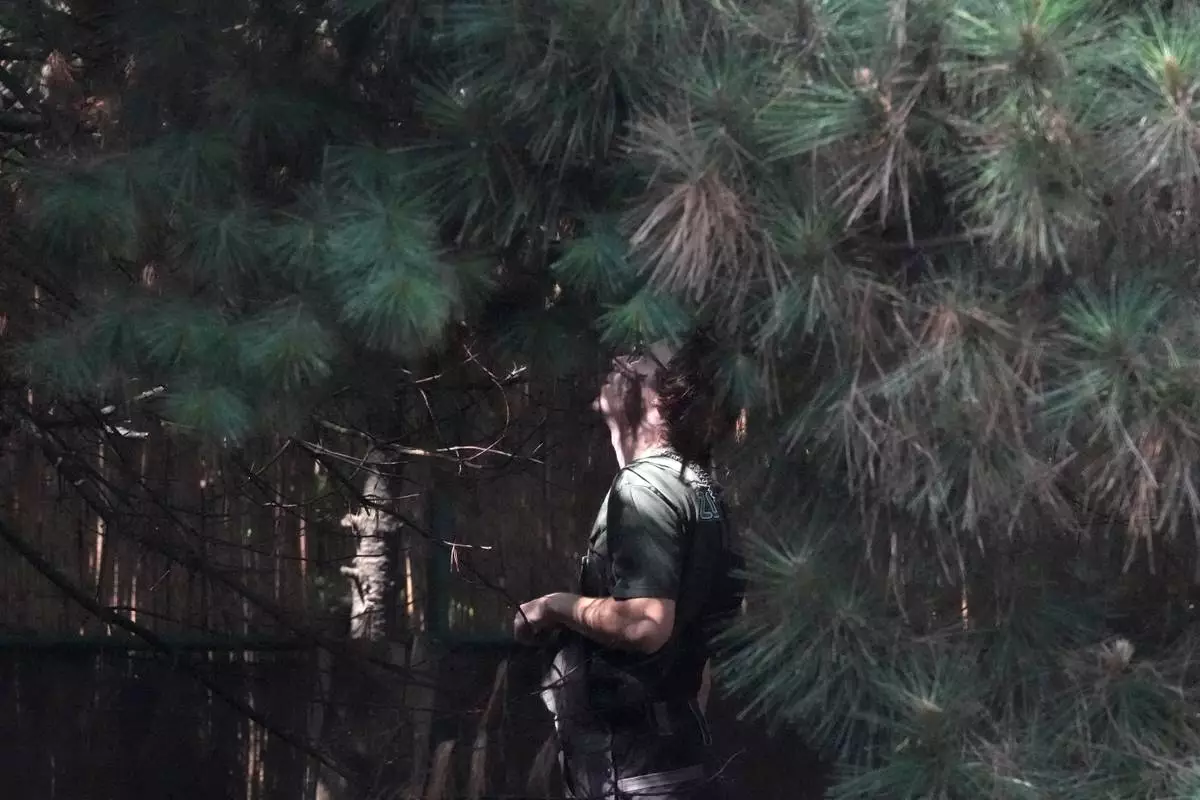
A worker inside the cage at Palic Zoo looks among trees for Feliks, an Eastern imperial eagle which flew from Serbia across North Macedonia, Greece, Turkey and Syria, where he fell victim to traffickers after returning in Serbia, Wednesday, June 24, 2026. (AP Photo/Darko Vojinovic)

A worker inside the cage at Palic Zoo looks among trees for Feliks, an Eastern imperial eagle which flew from Serbia across North Macedonia, Greece, Turkey and Syria, where he fell victim to traffickers after returning in Serbia, Wednesday, June 24, 2026. (AP Photo/Darko Vojinovic)

Feliks, an Eastern imperial eagle which flew from Serbia across North Macedonia, Greece, Turkey and Syria, where he fell victim to traffickers, looks out from a cage at Palic Zoo after returning in Serbia, Wednesday, June 24, 2026. (AP Photo/Darko Vojinovic)

Feliks, an Eastern imperial eagle which flew from Serbia across North Macedonia, Greece, Turkey and Syria, where he fell victim to traffickers, looks out from a cage at Palic Zoo after returning in Serbia, Wednesday, June 24, 2026. (AP Photo/Darko Vojinovic)

Feliks, an Eastern imperial eagle which flew from Serbia across North Macedonia, Greece, Turkey and Syria, where he fell victim to traffickers looks out from a cage at Palic Zoo after returning in Serbia, Wednesday, June 24, 2026. (AP Photo/Darko Vojinovic)

Feliks, an Eastern imperial eagle which flew from Serbia across North Macedonia, Greece, Turkey and Syria, where he fell victim to traffickers looks out from a cage at Palic Zoo after returning in Serbia, Wednesday, June 24, 2026. (AP Photo/Darko Vojinovic)

Recommended Articles