Skip to Content Facebook Feature Image

Bangladesh eyes closer economic collaboration with China: Minister

China

China

China

Bangladesh eyes closer economic collaboration with China: Minister

2026-06-25 01:41 Last Updated At:04:17

Bangladesh looks forward to closer economic cooperation with China, which has played a stabilizing role in international trade, Bangladeshi Minister of Commerce, Industries, Textiles and Jute Khandaker Abdul Muktadir said in a recent interview.

China and Bangladesh have maintained strong economic and trade ties, with China remaining Bangladesh’s largest trading partner for 16 consecutive years.

In an exclusive interview with China Global Television Network, or CGTN, Muktadir shared his expectations for further growth in bilateral cooperation.

"Recently, world trade suddenly has taken a different shape, because some of the trading blocks and some of the countries seem to be taking a step back from global commitment or global trade integration. In this scenario, it is imperative that China comes forward and plays its due role in ensuring that the integration of global trade remains in pace and place," he said.

Highlighting Bangladesh’s investment potential, Muktadir said Chinese investors could play a key role in the country’s economic transformation, especially in sectors such as solar power, jute, leather and pharmaceuticals.

"And for Bangladesh, which is still a least developed country, we need a lot of transformation. We have vast population, almost 110 million working-aged people. Bangladesh is a very mature investment destination at the moment. And we have transformed the environment to a great extent to the benefit of potential investors. They can invest in solar power generation. The government has launched a 10,000 mega solar power generation scheme. Chinese investors can invest in jute sector, in leather sector. And Bangladeshi pharmaceuticals have got good potential in the Chinese market. So these are the items, these are the opportunities. And with collaboration from the Chinese side, from Chinese investors and the Chinese government, we can really see good progress in all these sectors, not only for the Chinese market, for the global market as a whole," the minister said.

Bangladesh eyes closer economic collaboration with China: Minister

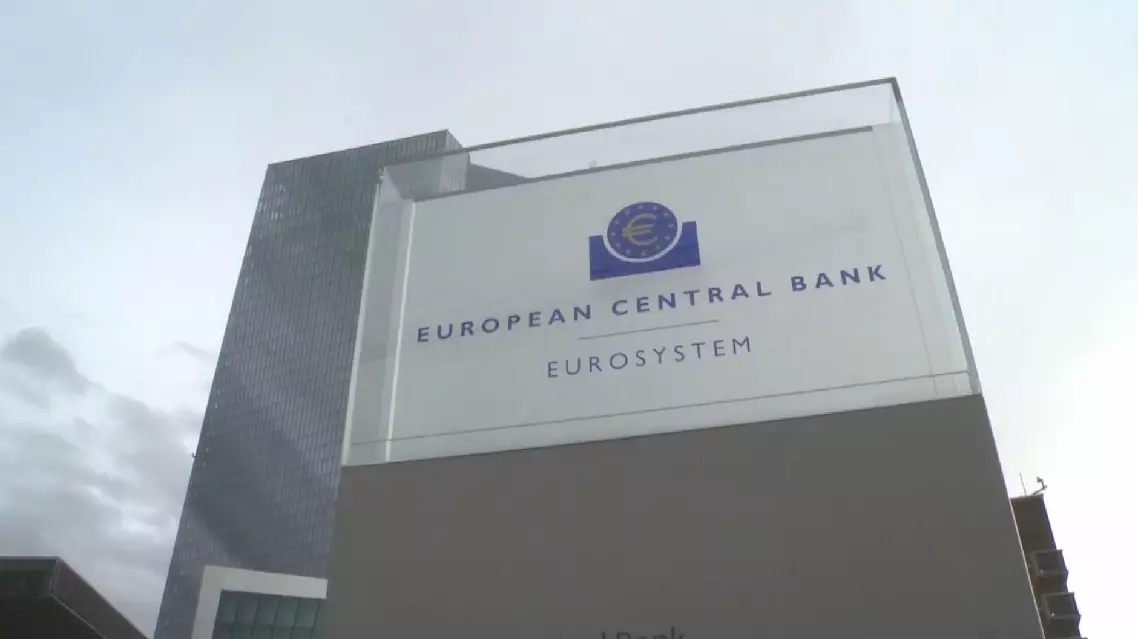
Bangladesh eyes closer economic collaboration with China: Minister
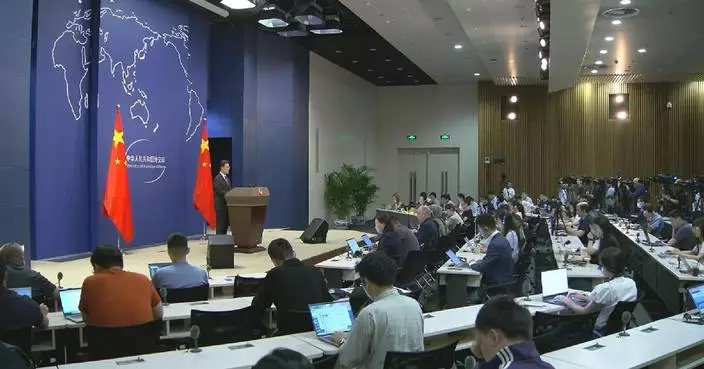
The oil price shock triggered by the war in the Middle East could reduce euro-area GDP growth by around 0.4 percentage points over the first year following the shock, according to a European Central Bank (ECB) study released on Wednesday.

Since the outbreak of the war in late February, disruptions to oil flows through the Strait of Hormuz and reduced oil supply from the Middle East have pushed crude prices sharply higher, said the study.

It added that the increase in oil prices triggered by the current shock has so far been larger than that observed after the Russia-Ukraine conflict in 2022, although it remains smaller than the rise seen during the Gulf War in the early 1990s.

The ECB said higher oil prices are likely to weigh on the euro-area economy through rising production costs, lower household purchasing power, weaker global demand and heightened uncertainty.

Based on historical evidence, the ECB estimated that a geopolitical oil supply shock that raises real oil prices by 10 percent could reduce euro-area GDP growth by around 0.2 to 0.3 percentage points in each of the three years following the shock.

The study found that the impact on investment is likely to be more pronounced than that on private consumption. According to the ECB, heightened geopolitical uncertainty may prompt firms to delay expansion plans, equipment purchases and hiring decisions, dampening investment activity and amplifying the impact on economic growth.

The ECB noted that the euro area's dependence on oil has declined over time, but the response of investment to geopolitical oil supply shocks appears to have remained broadly stable.

The study cautioned that the overall impact of the current shock remains highly uncertain and will depend on the magnitude and persistence of the oil price increase. A prolonged period of elevated oil prices, broader supply-chain disruptions or spillovers into gas markets could further intensify downward pressure on euro-area growth.

Middle East oil shock could cut euro-area growth by 0.4 percentage points in first year: ECB

Middle East oil shock could cut euro-area growth by 0.4 percentage points in first year: ECB

Recommended Articles