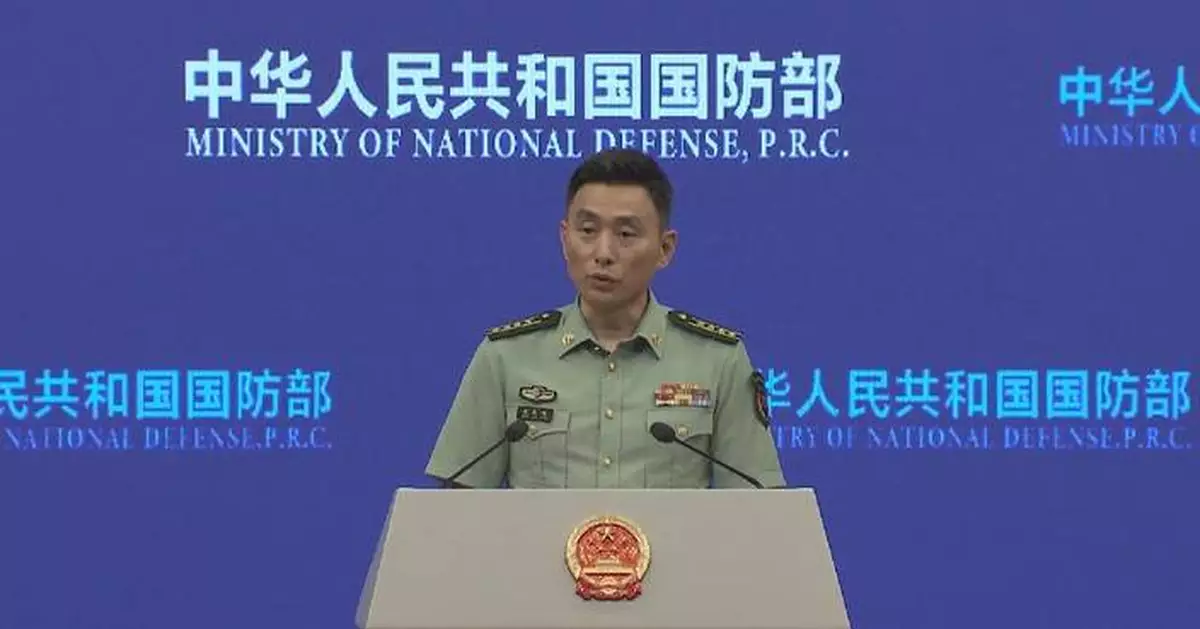
China's development of military power is not directed against any country, said a Chinese defense spokesman.
A recent report by the Lowy Institute, an Australian think tank, specially noted China’s development in hypersonic weapons arsenal.
Answering to a media inquiry on the matter, Senior Colonel Zhang Xiaogang, spokesman for China's Ministry of National Defense, said on Thursday at a regular press briefing that China’s military development will not pose a threat to any country. "China has always pursued a defensive national defense policy. Our military development is aimed at safeguarding national sovereignty, security, and development interests; it is neither directed against any country nor poses a threat to any country. The growth of China's military power is always a growth of forces for world peace. We urge relevant parties not to disregard the facts, put on unnecessary drama, and exaggerate the so-called 'China military threat' to mislead public opinion," Zhang said.
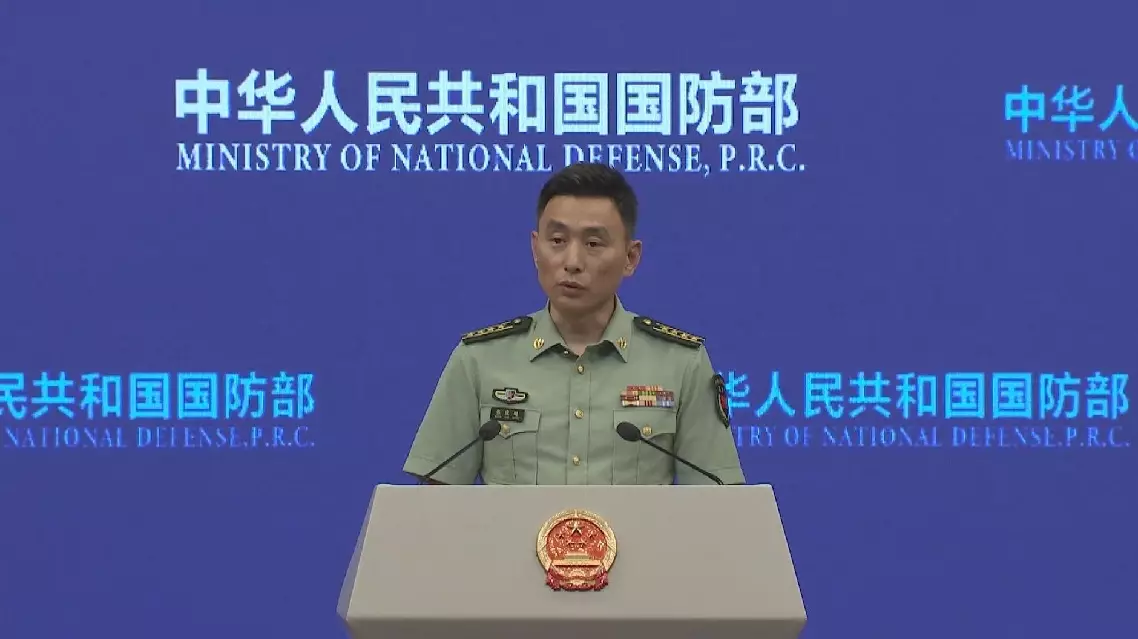
China's military development not directed against any country: spokesman
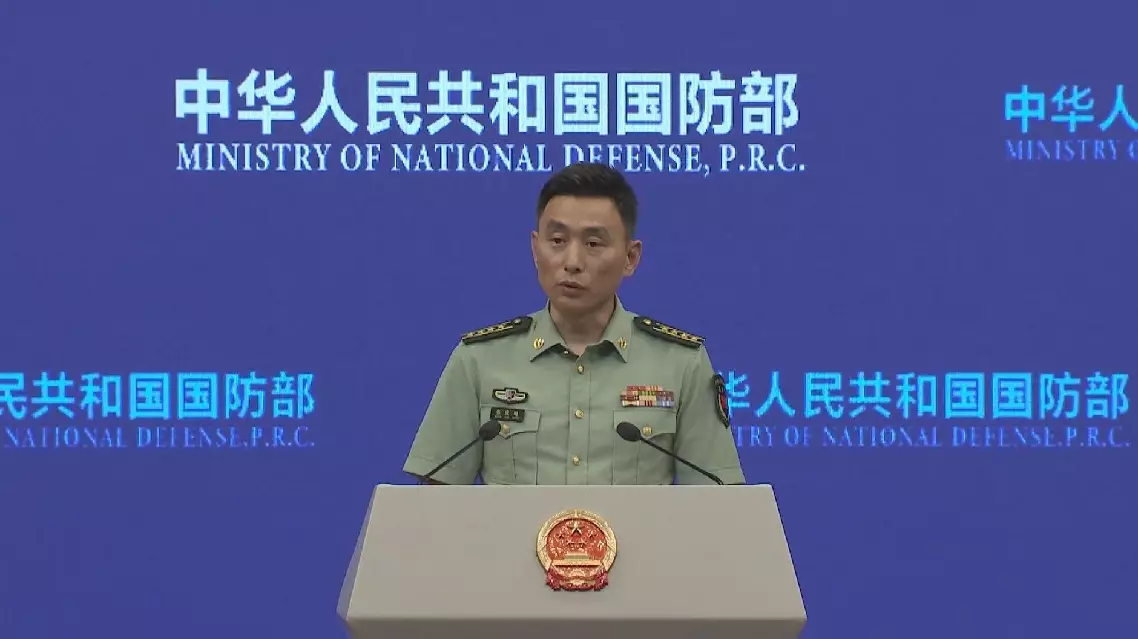
China's military development not directed against any country: spokesman
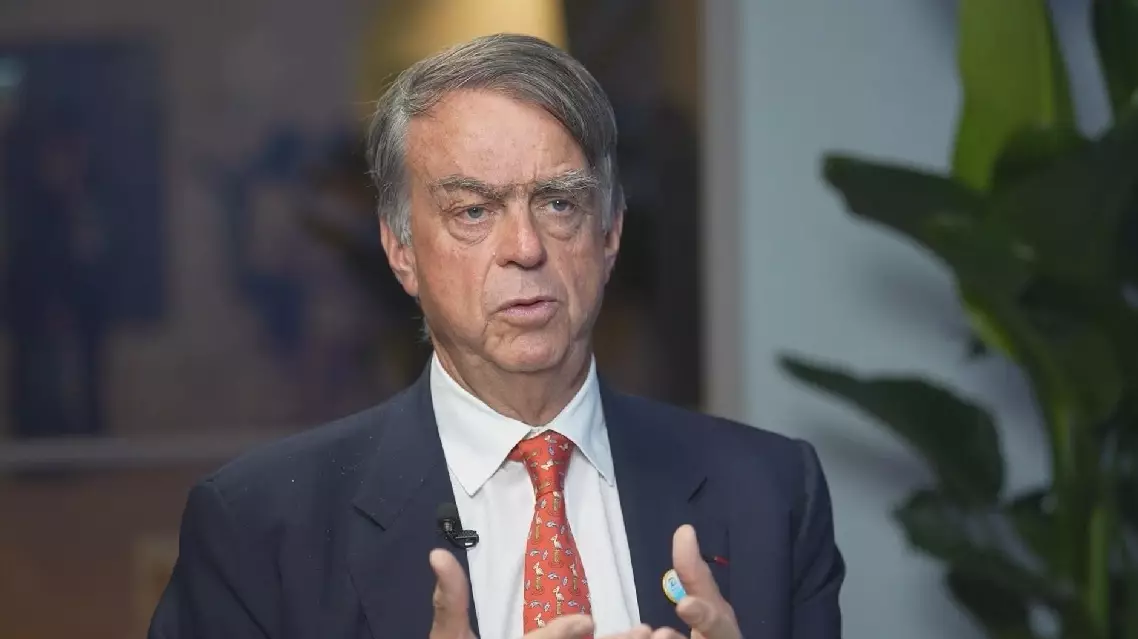
Global economic measurement systems should be redesigned to capture the human and natural capital that sustains all economic activity rather than narrow financial returns, said Andre Hoffmann, co-chair of the Board of Trustees of the World Economic Forum (WEF), on Thursday.
Speaking on the sidelines of WEF's 17th Annual Meeting of the New Champions, or the Summer Davos, in the northeastern Chinese city of Dalian, Hoffmann said that traditional financial metrics are leading governments, investors and business leaders to make decisions that optimize for short-term gains at a long-term cost.
"One thing we fail to do in that process is to understand the consequences of that particular process. And the consequence, that process can be measured on three big capitals that we use to produce value: the social capital, us; the human capital, you and me; and the natural capital, nature. And if we really had a system which would give us a good measurement of what the impact that we're having on these three systems, and even more importantly, the interdependency between the three systems, we would be able to create a more stable value, something that could produce capital of long-term value," he said.
Hoffmann also challenged the conventional understanding of infrastructure. While policymakers typically focus on physical assets, such as roads and ports, he argued that rivers, forests and biodiversity are equally foundational to economic activity.
"The World Economic Forum published four years ago a very important statistic which has been used by a large number of people. The top results of one of our research, where we talked about more than half of the world GDP being dependent a little or a lot on nature. So, 57 percent I think was the number. I disagree with that number. I think all of it depends on it. You know, we, humanity, would not exist without nature. We have an economy based on exploitation rather than on husbanding or regenerating. And so, I think in the long run, if we continue to destroy nature, we will be affected as individuals as well," said the WEF co-chair.
Asked about China's 15th Five-Year Plan (2026-2030), which prioritizes large-scale investments in offshore wind, geothermal, nuclear and solar energy, Hoffmann said there are lessons for the global community, even if China's model may not be easily replicated everywhere.
"If you have some funds to invest, do you go into a setup where you have capital expenditure already done, operating expenditure rather low in order to get your energy? I'm talking about renewable here. Or do you go into a country where the OpEx (operating expense) has been done as well? So you have the choice between the long-term low cost of energy or the short-term increase in energy every year. So, the equipment of this of the Chinese government of so much renewable energy, I think extremely astute because that is lowering the cost of the future, and a lot of companies would favor that," he said.
Taking place from June 23 to 25, the Summer Davos this year brought together over 1,700 participants from more than 90 countries and regions to discuss ways to scale innovation into better jobs, stronger economies and new growth opportunities.
WEF co-chair calls for redefining economic metrics