Shipping traffic through the Strait of Hormuz surged Wednesday as 78 vessels transited the strategic waterway, the highest single‑day volume since the U.S.-Israeli war with Iran, according to a report released Thursday by S and P Global.
S and P Global said the crossings marked a recovery to about 57 percent of pre‑conflict daily levels. Cumulative transits reached 551 vessels as of Wednesday, putting the month on track to be the busiest since the war began.
The firm noted that outbound traffic included both long‑stranded ships and newly arriving vessels, signaling early signs of normalization. But it cautioned that the rebound’s durability remains uncertain, with key agreements still needing consolidation and enforcement.
The improving trends have been corroborated by multiple other sources. Kpler, a market analysis firm, reported on Thursday that 70 ships transited the strait on Wednesday, representing a 105 percent increase in daily traffic compared with the previous day. Separately, Lloyd's List, the London-based shipping journal, said on Thursday that vessel movements through the Strait of Hormuz had seen dramatic changes this week, with figures rising "sharply" from the blockade period.
Analysts attribute the traffic rebound primarily to the recent announcement by Oman and the International Maritime Organization (IMO) to open the southern lane of the Strait of Hormuz. The IMO announced on Tuesday the launch of an evacuation plan for seafarers stranded in the Hormuz region, recommending two designated corridors: the northern lane along the Iranian side and the southern lane along Oman. On Wednesday, 33 vessels used the southern lane.
However, Iran has issued warnings that vessels deviating from designated lanes will face consequences.
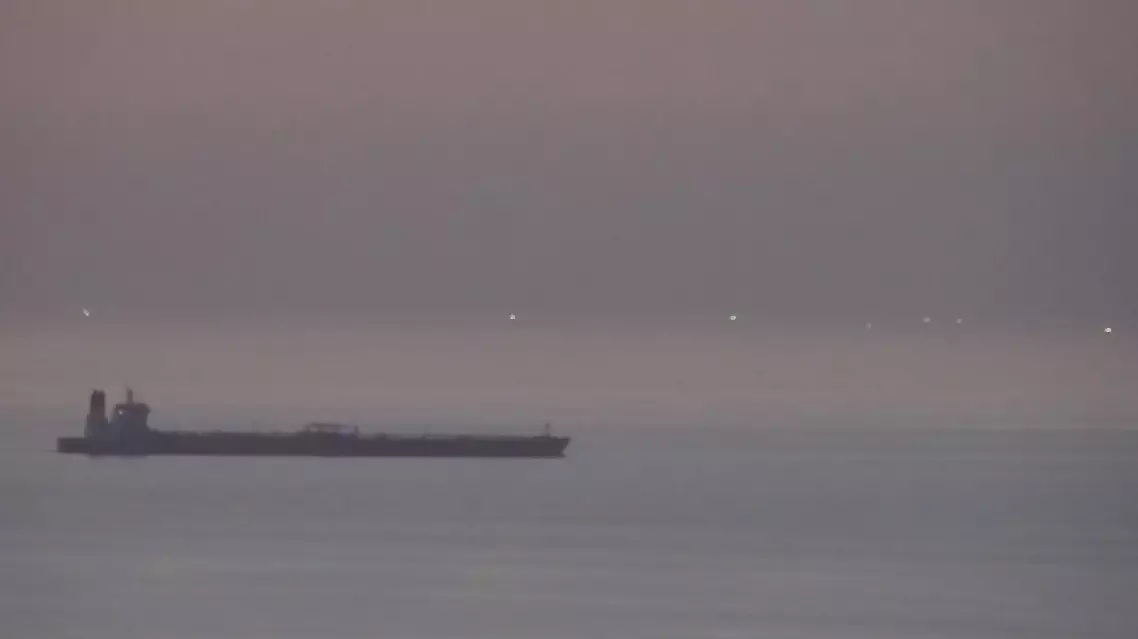
Hormuz shipping rebounds with 78 vessels in single day: S and P Global
Hormuz shipping rebounds with 78 vessels in single day: S&P Global