TAIPEI (AP) — A small aircraft crashed into Beijing’s tallest building on Friday, according to a witness account and media reports, triggering evacuations and drawing a large police and ambulance presence in the city’s business district.
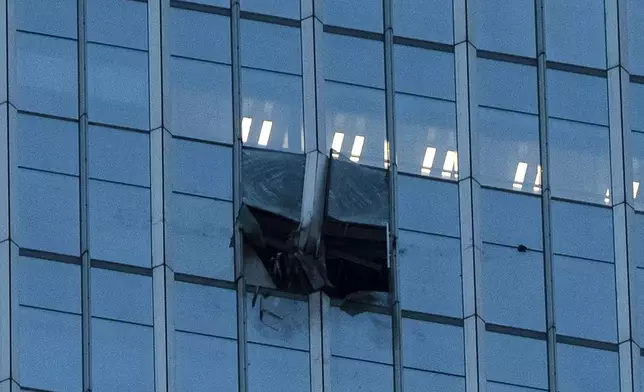
Photos show what appeared to be a hole in the glass facade on one side of the CITIC Tower, also known as China Zun.
Click to Gallery
The surface of the Citic Tower also known as Zun Tower is damaged in Beijing,, Friday, June 26, 2026. (AP Photo/Han Guan Ng)
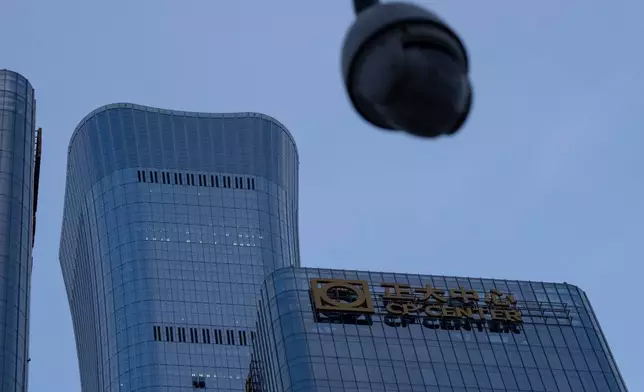
Police close off a road leading to the Citic Tower also known as Zun Tower after its facade was damaged in Beijing, Cina, Friday, June 26, 2026. (AP Photo/Han Guan Ng)
The surface of the Citic Tower also known as Zun Tower is damaged in Beijing, China, Friday, June 26, 2026. (AP Photo/Han Guan Ng)
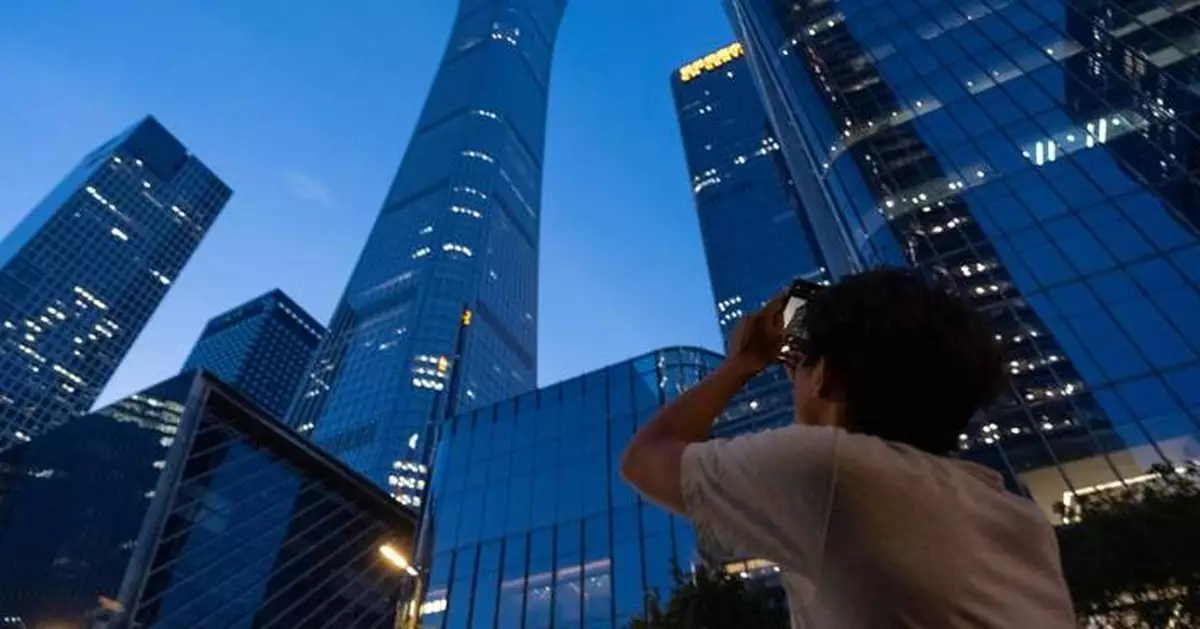
A passerby tries to take photo of the damage on the Citic Tower also known as Zun Tower in Beijing, China, Friday, June 26, 2026. (AP Photo/Han Guan Ng)
A person working in the building told The Associated Press an aircraft crashed into the skyscraper, and a fire alarm was triggered. The person spoke on condition of anonymity out of fear of retaliation. Incidents such as crashes are considered sensitive by Chinese authorities.
Images and videos shared on social media appeared to show debris from a small aircraft near the skyscraper. While the images were consistent with the location, it was not possible to independently confirm their authenticity and they were quickly removed from the internet.
Hong Kong-based newspaper South China Morning Post reported that a small airplane crashed into the tower, which stands at 528 meters (1,732 feet.)
Heavy police presence, as well as fire engines and ambulances were seen outside the building. Onlookers gathered to observe and take pictures, but police asked them to stop photographing and leave the area.
The cause of the crash was not immediately clear, and authorities have not issued a statement.
The 108-story CITIC tower, shaped like an ancient Chinese wine vessel, is one of the most recognizable skyscrapers in Beijing.
Last month Beijing authorities enacted new curbs on its already tightly regulated airspace, effectively banning the sale and operation of consumer drones within the capital.
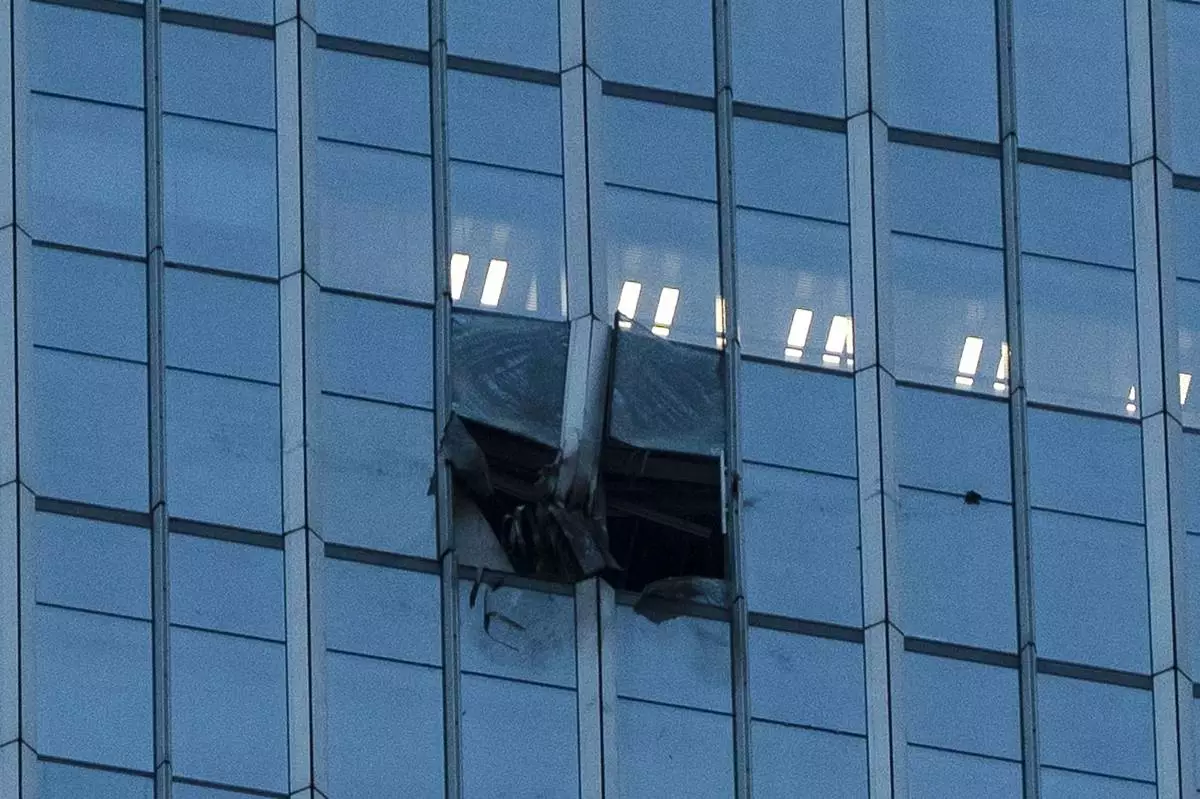
The surface of the Citic Tower also known as Zun Tower is damaged in Beijing,, Friday, June 26, 2026. (AP Photo/Han Guan Ng)

Police close off a road leading to the Citic Tower also known as Zun Tower after its facade was damaged in Beijing, Cina, Friday, June 26, 2026. (AP Photo/Han Guan Ng)
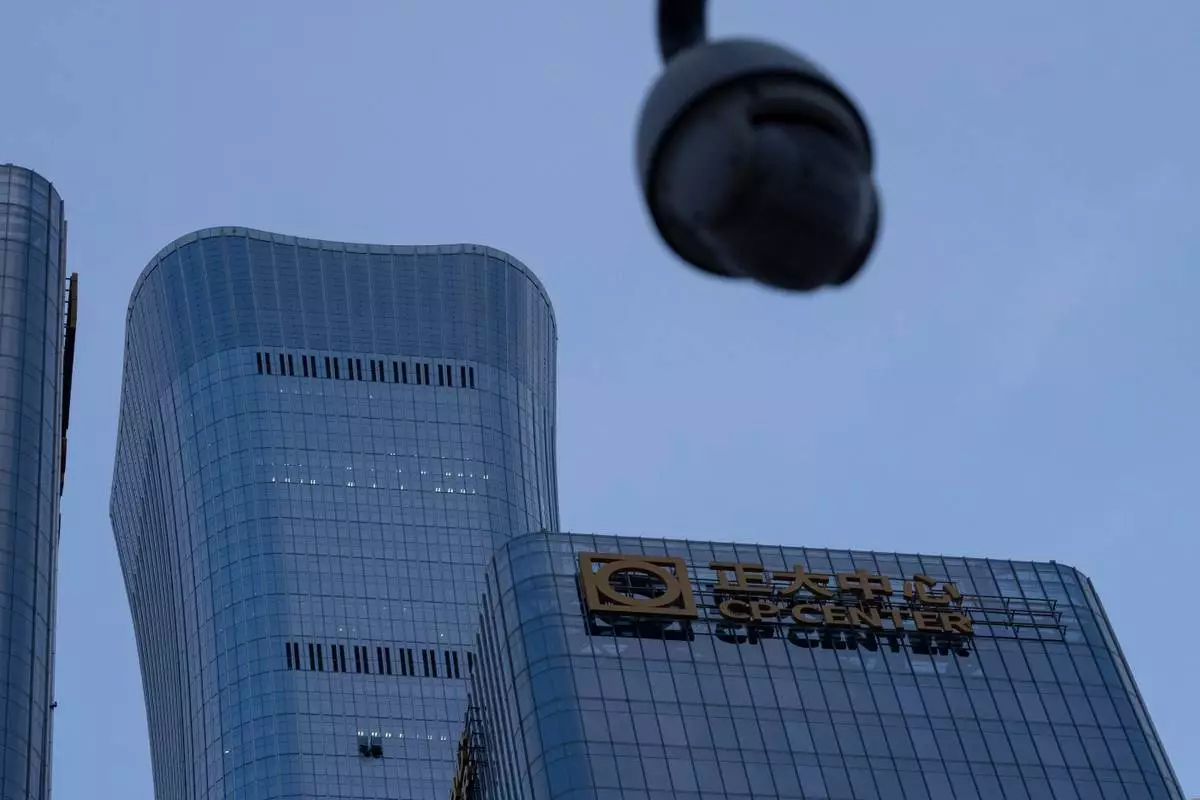
The surface of the Citic Tower also known as Zun Tower is damaged in Beijing, China, Friday, June 26, 2026. (AP Photo/Han Guan Ng)
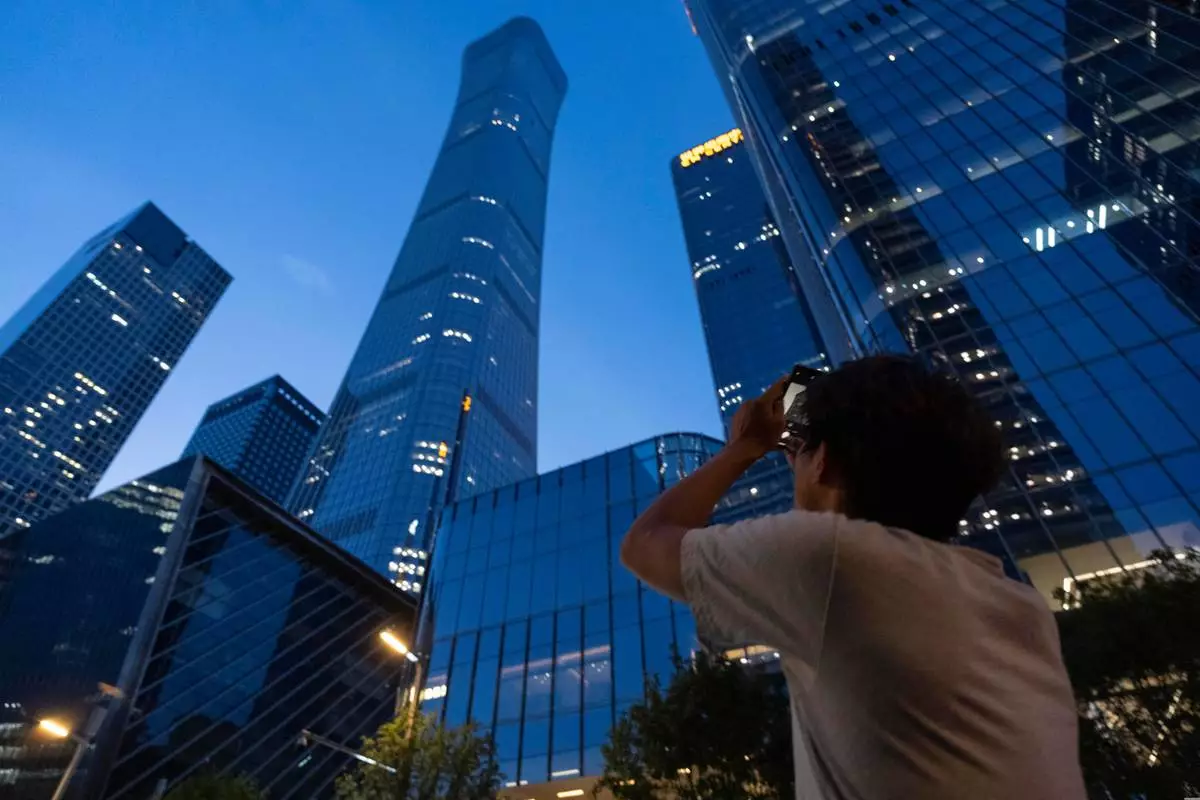
A passerby tries to take photo of the damage on the Citic Tower also known as Zun Tower in Beijing, China, Friday, June 26, 2026. (AP Photo/Han Guan Ng)
NEW YORK (AP) — Most of the U.S. stock market is rising Friday after oil prices fell back to where they were before the war with Iran, but drops for AI stocks are keeping the market in check.
The S&P 500 was virtually unchanged after recovering from an early loss of 0.9%. The index at the heart of many 401(k) accounts is still on track for its second losing week in the last 13, largely because of drops for stocks swept up in the mania around artificial-intelligence technology.
The Dow Jones Industrial Average was up 39 points, or 0.1%, as of 10:45 a.m. Eastern time, and the Nasdaq composite was down 0.2%.
Stocks got a boost as the price of Brent crude oil, the international standard, dropped 3.9% to $72.53. That's basically where it was the day before the United States and Israel attacked Iran, which eventually led to the closure of the Strait of Hormuz and the curtailment of oil shipments worldwide.
The easier oil prices helped stocks of companies with big fuel bills, and United Airlines climbed 1.7%.
Health care stocks, meanwhile, were some of the strongest forces pushing upward on the market after a committee of the European Medicines Agency recommended several medicines for approval and the extension for another dozen of their therapeutic indications. That included one for Eli Lilly, whose stock jumped 6.3%.
Besides Lilly, roughly two out of every three stocks within the S&P 500 were rising. But more drops for AI stocks were overshadowing them.
After soaring to tremendous heights and leading the market for years, AI stocks been under pressure recently because of worries their profits can’t possibly keep pace with the tremendous rallies for their stock prices. And those drops have an outsized effect because AI stocks have grown into Wall Street’s largest and most influential, giving movements for their stock prices more weight on indexes than others.
Micron Technology's drop of 4.1% was one of the heaviest weights on the market, for example. The maker of memory for computers has been a big winner this year, with its stock roughly quadrupling, because the AI boom has created a surge of demand for its products.
But investors saw the downside of that surge Thursday, when Apple said it had to raise prices on many of its products by significant percentages to make up for the increases in memory prices. The worry is that such higher prices could ultimately lead to lower demand.
Highlighting the roller-coaster ride that AI stocks have been on, SpaceX dipped 0.8% below $152 and toward the lowest level since its ballyhooed debut on Wall Street earlier this month.
After initially selling its stock at $135 apiece, SpaceX's stock price briefly soared above $225 within its first few days of trading. Besides rockets, Elon Musk's company also owns the xAI artificial-intelligence business.
The day's largest loss in the S&P 500 was a 21.1% drop for Onsemi, which said it agreed to buy Synaptics in an all-stock deal valued at roughly $7 billion.
In the bond market, Treasury yields eased with oil prices. The yield on the 10-year Treasury fell to 4.37% from 4.40% late Thursday.
High yields in bond markets worldwide caused by worries about inflation have been threatening to slow economies, and they have already sent rates higher for mortgages and other kinds of loans. High yields also hurt prices for investments, particularly those seen as the most expensive. That raises the pressure on AI winners.
Asian stock markets began Friday with sharp drops because of losses for AI winners.
In Japan, a 12.5% plunge for Softbank Group Corp helped pull the Nikkei 225 down by 4.2%. The company is a major investor in OpenAI, the maker of AI chatbot ChatGPT, and a report in The New York Times suggested OpenAI is considering delaying an initial public offering of its stock to next year from the second half of this year.
Such an IPO would give OpenAI the chance to raise more cash to spend on data centers, as well as the opportunity for early investors like Softbank to cash out some of their holdings. But the recent stumbles for SpaceX’s stock and for AI stocks broadly may be a signal of less appetite for big AI stocks among investors.
In South Korea, SK Hynix fell 8.4%, and Samsung Electronics sank 5.3%. That helped pull the Kospi 5.8% lower and trim its gain for the year so far to 99.6%.
AP Business Writers Matt Ott and Elaine Kurtenbach contributed.
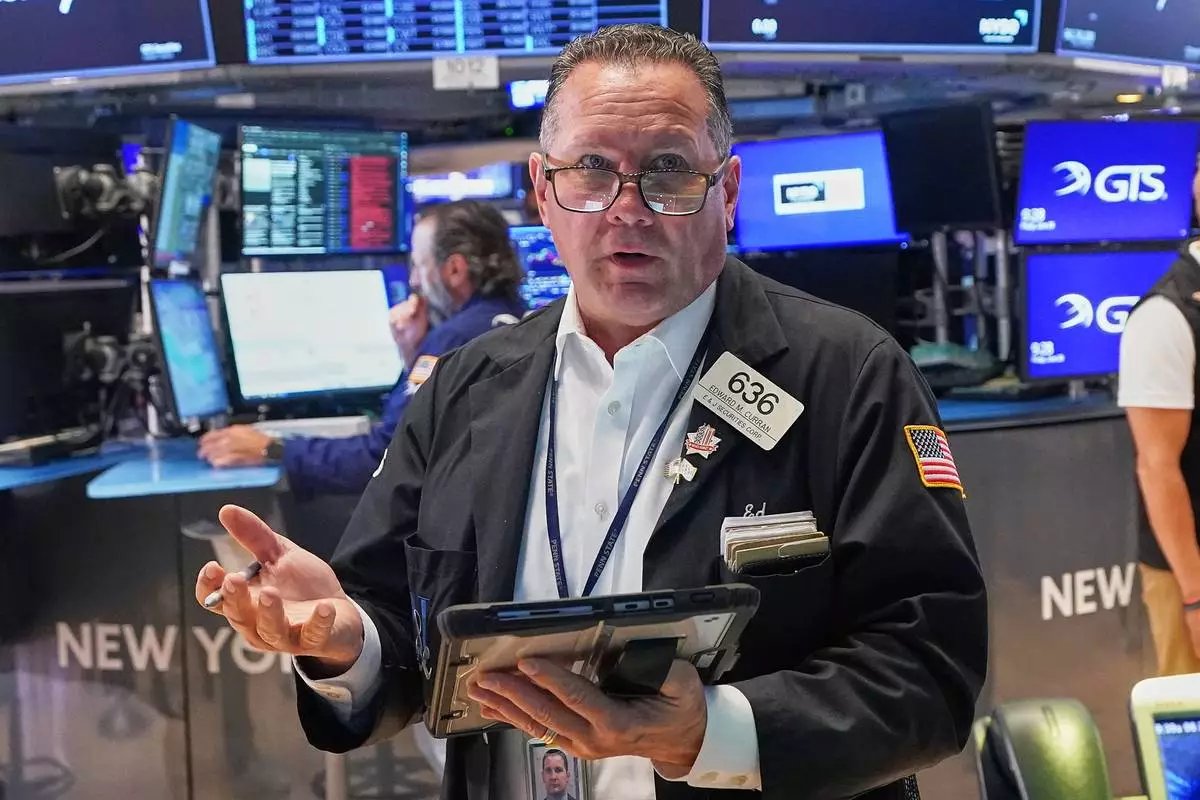
Trader Edward Curran works on the floor of the New York Stock Exchange, Friday, June 26, 2026. (AP Photo/Richard Drew)
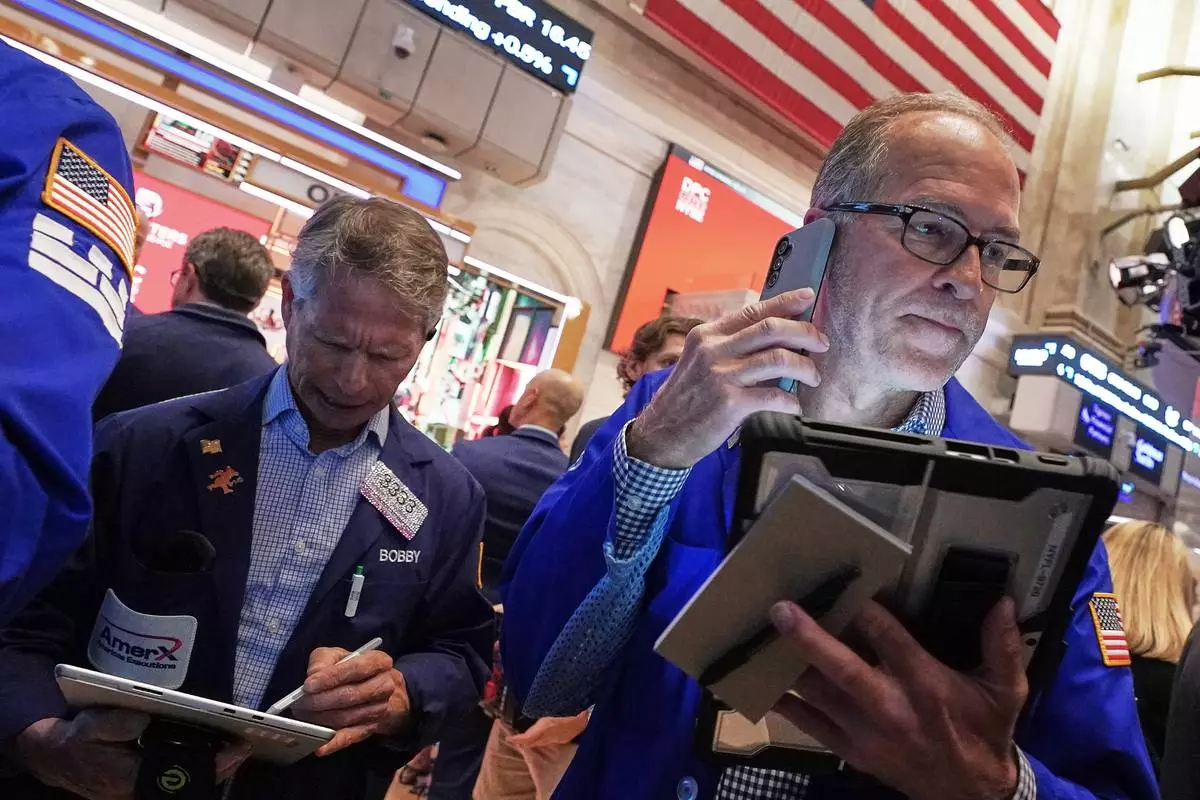
Traders Robert Charmak, left, and Mark Puetzer work on the floor of the New York Stock Exchange, Thursday, June 25, 2026. (AP Photo/Richard Drew)
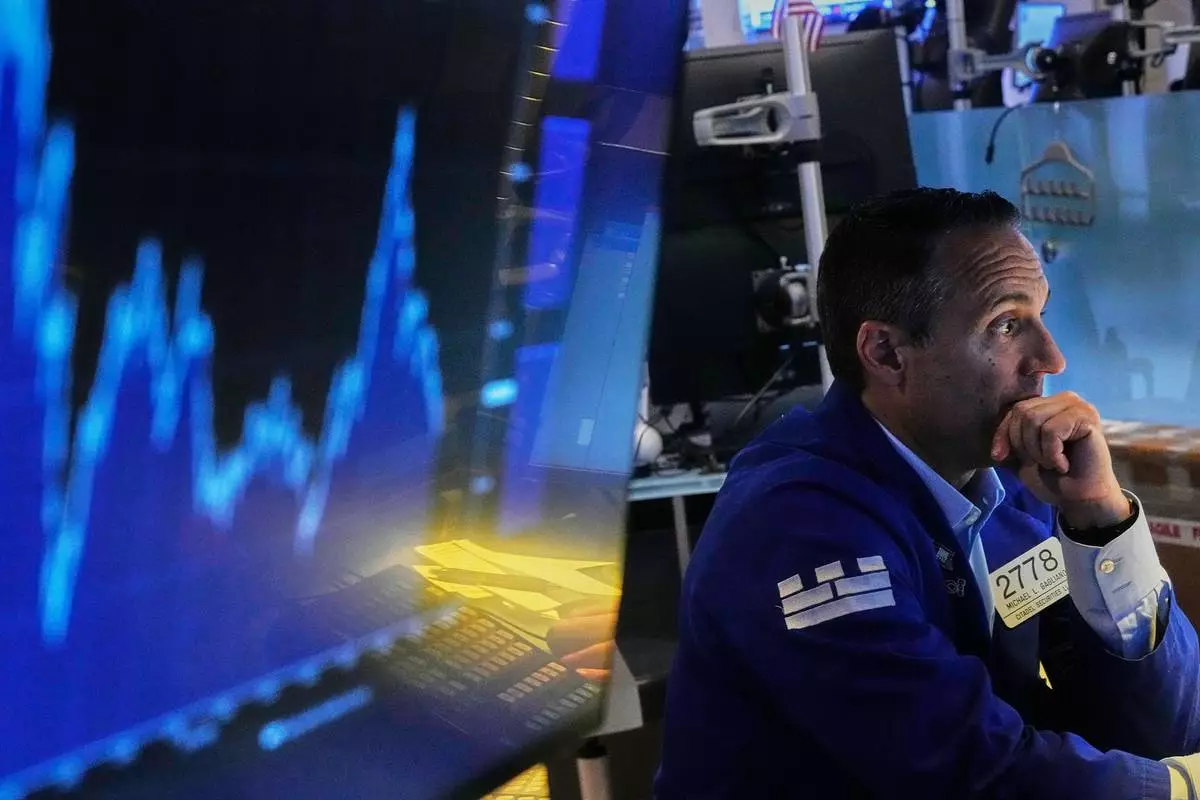
Specialist Michael Gagliano works at his post on the floor of the New York Stock Exchange, Thursday, June 25, 2026. (AP Photo/Richard Drew)
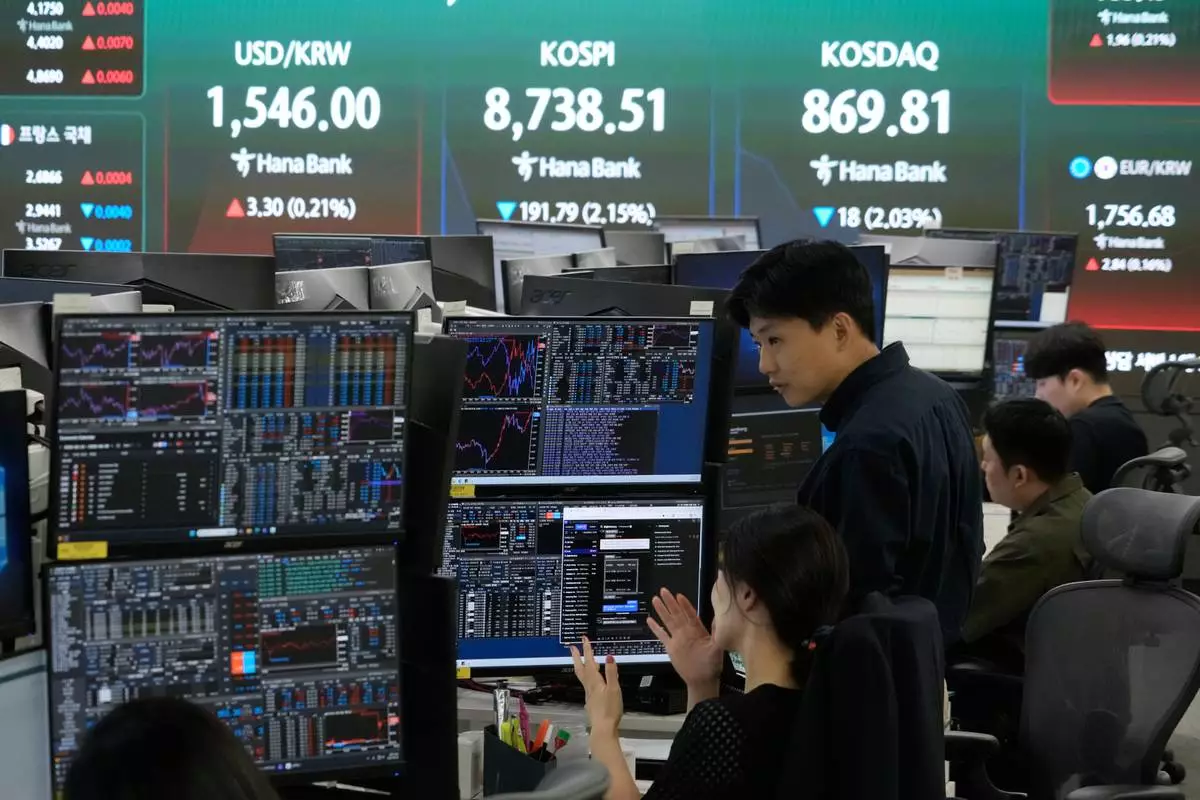
Currency traders work near a screen showing the Korea Composite Stock Price Index (KOSPI) and the foreign exchange rate between U.S. dollar and South Korean won at the foreign exchange dealing room of the Hana Bank headquarters in Seoul, South Korea, Friday, June 26, 2026. (AP Photo/Ahn Young-joon)
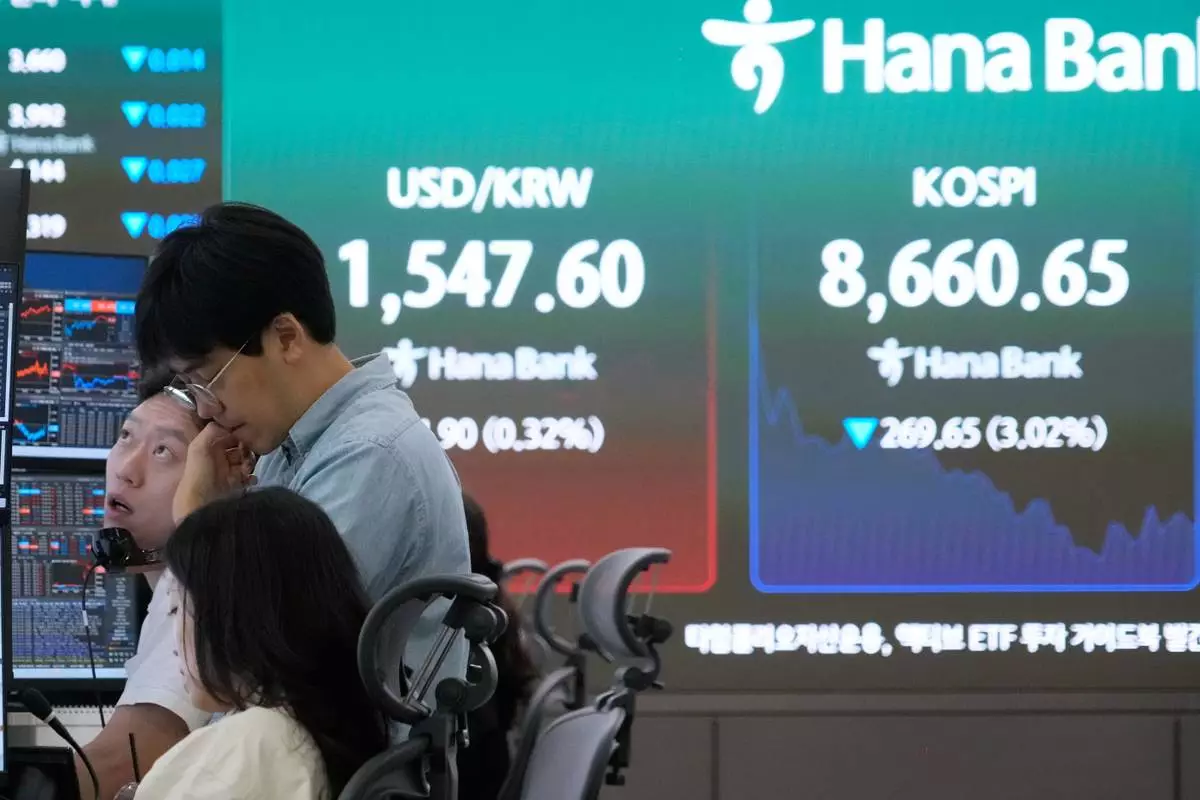
Currency traders work near a screen showing the Korea Composite Stock Price Index (KOSPI) and the foreign exchange rate between U.S. dollar and South Korean won at the foreign exchange dealing room of the Hana Bank headquarters in Seoul, South Korea, Friday, June 26, 2026. (AP Photo/Ahn Young-joon)
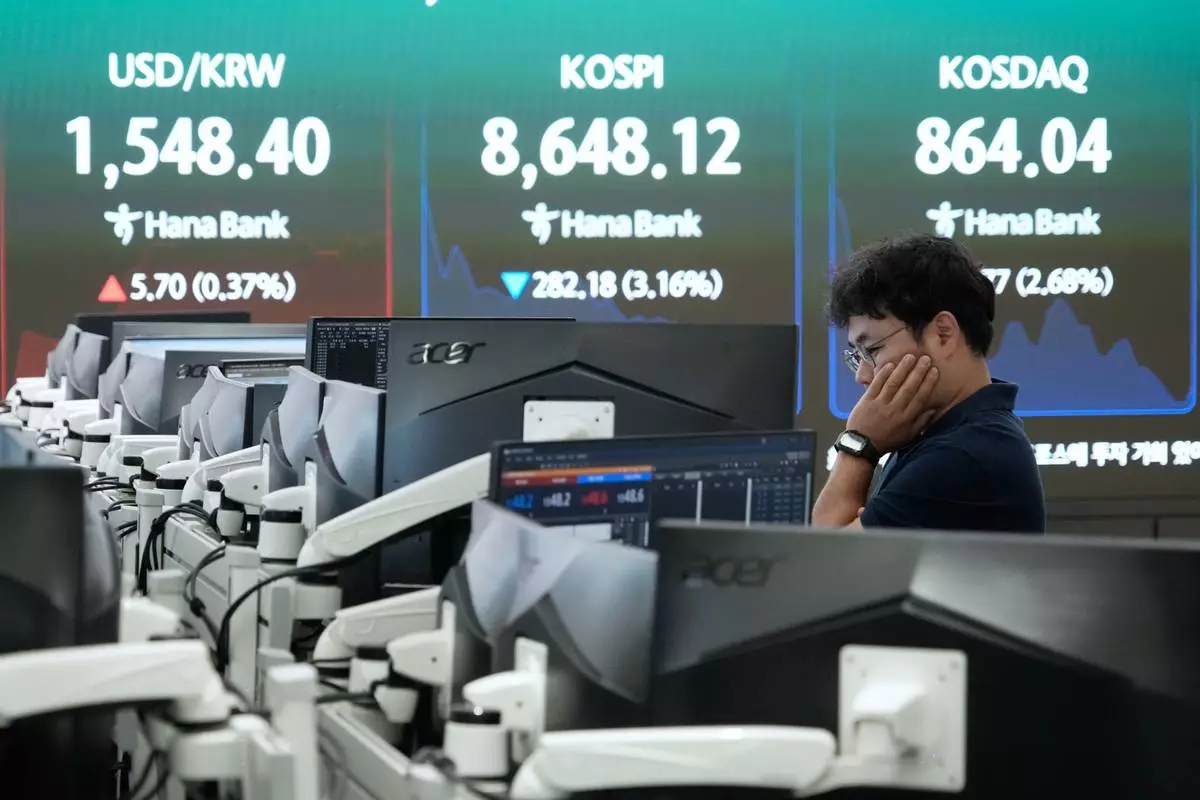
A currency trader watches monitors near a screen showing the Korea Composite Stock Price Index (KOSPI) and the foreign exchange rate between U.S. dollar and South Korean won at the foreign exchange dealing room of the Hana Bank headquarters in Seoul, South Korea, Friday, June 26, 2026. (AP Photo/Ahn Young-joon)
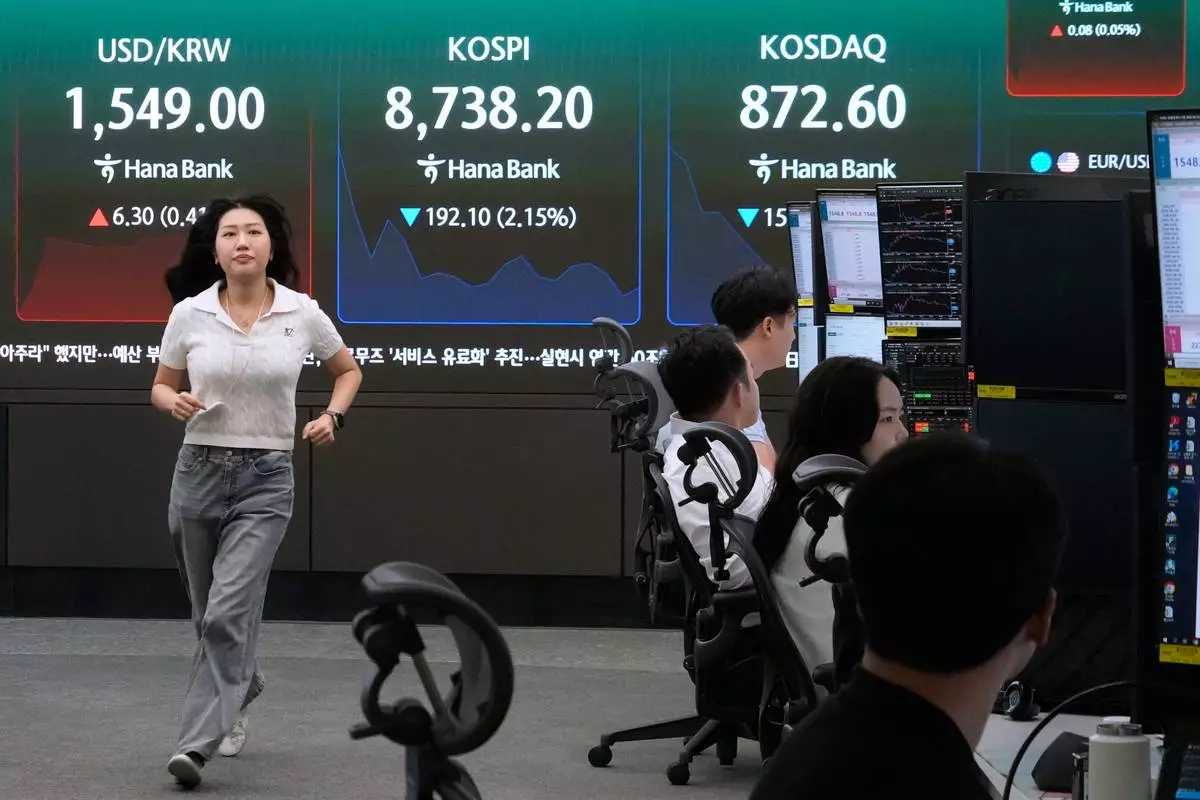
A currency trader passes by a screen showing the Korea Composite Stock Price Index (KOSPI) and the foreign exchange rate between U.S. dollar and South Korean won at the foreign exchange dealing room of the Hana Bank headquarters in Seoul, South Korea, Friday, June 26, 2026. (AP Photo/Ahn Young-joon)