The first comprehensive off-airport cargo terminal in western China, which integrates international inbound and outbound functions with customs and security screening capabilities, started operation in southwest China's Chongqing Municipality on Thursday.
Located in the Xiyong Comprehensive Bonded Zone, the terminal is expected to have an annual cargo and mail handling capacity of 50,000 tons, with functional authority and operational standards equivalent to those of the main cargo terminal of Chongqing Jiangbei Airport.
"With this off-airport cargo terminal, international air cargo including high-end industrial products and cross-border e-commerce goods can complete all air logistics procedures, such as customs clearance, inspection, acceptance, and security checks, in one stop within the park. This truly brings airport cargo terminal functions to the factory gates, creating an efficient logistics channel that seamlessly connects the air port with the industrial park," said Zhao Liang, deputy general manager of the Logistics Management Department of Chongqing Airport Group.
Compared with traditional cargo transportation models, the cargo terminal can help enterprises in the region reduce logistics costs by more than 20 percent and save five to eight hours in customs clearance time.
Its official launch will further expand Jiangbei Airport's air logistics reach and enhance the overall competitiveness of Chongqing's air logistics sector.
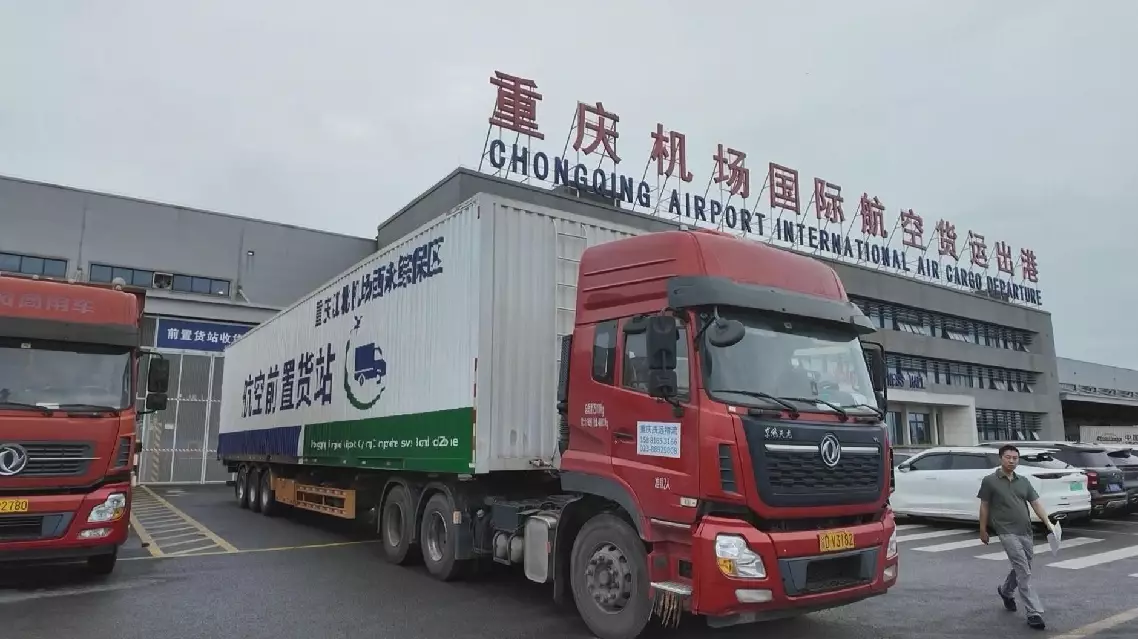
Off-airport cargo terminal put into use in Chongqing
Boosted by advanced medical technologies and improved administrative support, China is emerging as a major global hub for cross-border medical travel, adding a new bright spot to China's service-trade exports.
The trend is clearly evident in Guangzhou, capital of south China's Guangdong Province, which has established itself as a key destination for international cancer treatment, drawing an increasing number of overseas patients seeking advanced, minimally-invasive care.
According to the 2025 report from China's National Health Commission, key foreign-oriented hospitals in China received 1.28 million international patients, marking a 73.6-percent increase over a three-year period.
Peng Xiaochi, a specialist physician, has witnessed a sharp rise in foreign patients over the past decade, mostly from Southeast Asia. Among them is Ronald, a patient from Indonesia seeking treatment for conditions that yielded few viable options at home.
"We combined interventional therapy and cryoablation. Phase-one results were positive," said Peng.
The personalized approach has earned high praise from Ronald, who recounted his healthcare journey.
"Yeah, the treatment is very good and very nice. The doctors are very kindful. And yeah, they helped me very good. And last week I get my first treatment, which was a little bit painful, but yeah, okay, that's normal. It's for a few days and now it's becoming a little bit better. So we will go on for the next week," said Ronald.
A sense of relief was shared by Ronald's family.
"The conditions here are great. I feel reassured seeing him get treatment here," said a family member.
Ronald's story mirrors a broader trend. For overseas patients who find few viable treatment options at home, hospitals in Guangzhou offer reliable, minimally-invasive alternatives, according to local physicians.
"Surgery went perfectly. Lesions are fully addressed," said Yang Zhiguo, an attending physician.
Ronald left the hospital about one month after his procedure, which followed new international medical policies introduced in Guangzhou on April 29 to bolster services for overseas patients.
The city announced 12 supportive measures and launched an international medical tourism service center, providing comprehensive, end-to-end assistance that includes visa support, remote pre-consultations, and streamlined cross-border payments.
Wang Wensheng, president of human resources and travel service provider Sunbright Group, said the city's new policies streamline the medical journey.
"From pre-arrival assessment to post-discharge cross-border follow-up, patients are freed from cumbersome paperwork," said Wang.
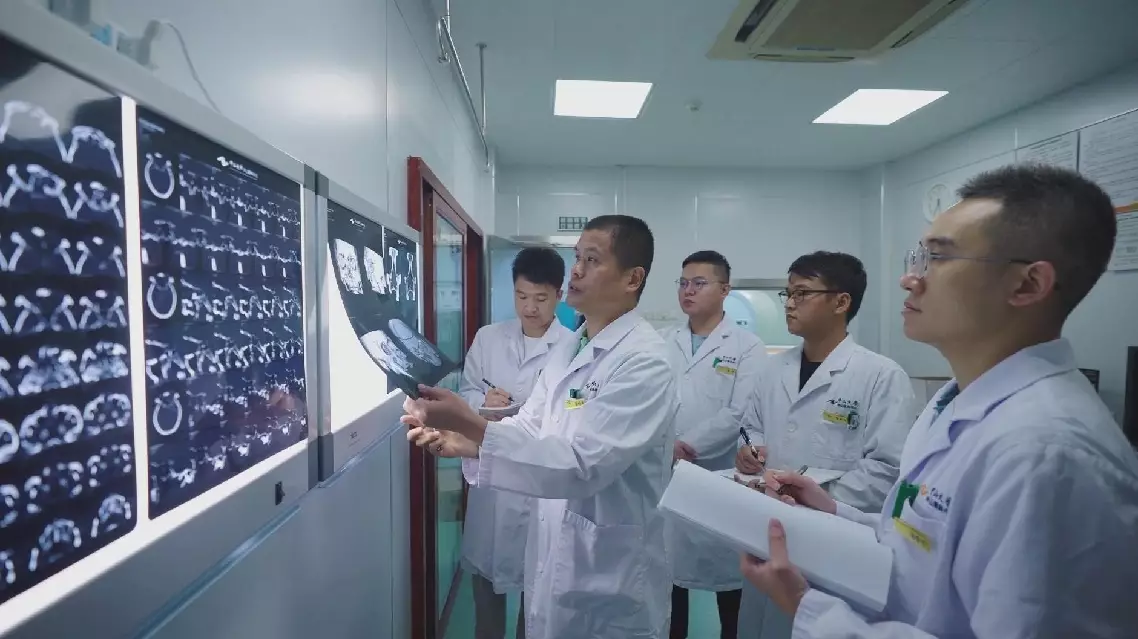
China sees rising influx of overseas patients for medical treatment