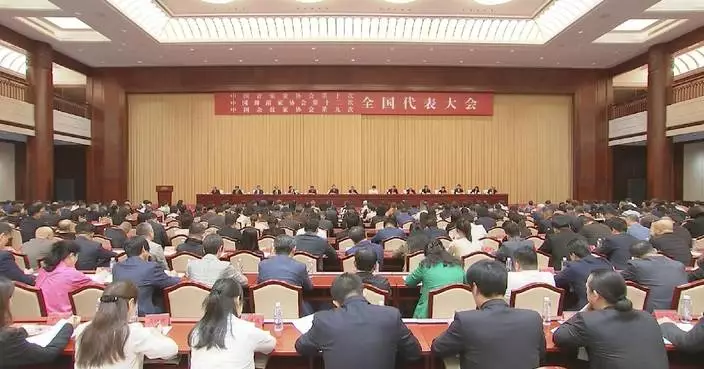
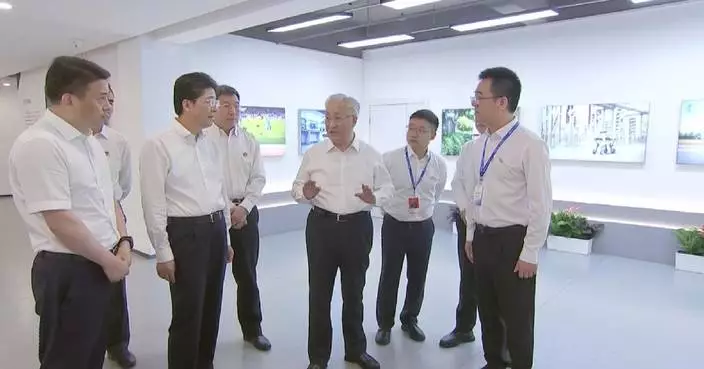
A group of traditional Chinese medicine (TCM) doctors from southwest China's Sichuan Province is preparing to go to Cambodia for an ongoing medical mission in the Southeast Asian country, helping to train local medics and build a TCM system as part of the broader China-Cambodia practical cooperation in public health and traditional medicine.
At the Cambodia-China Friendship Preah Kossamak Hospital in Phnom Penh, Chinese doctors are providing acupuncture, cupping treatment and herbal therapies which have become increasingly popular among Cambodian patients thanks to its efficacy and safety. Their mission have already gone beyond the treatment to include training and cooperating with Cambodian medical staff.
"When I had the chance to lead the new medical team to Cambodia again, I said yes without a second thought. We have been undergoing intensive training in Tianjin and Chengdu, with some sessions already completed and others still ongoing. The program covers medical skills, political education, overseas security protocols, and asset management, all aimed at ensuring that we carry out our mission effectively in Cambodia," said Chen Honglin, head of the third and the upcoming fifth TCM teams to Cambodia.
China sent its first national-level TCM aid team to Cambodia in 2022. Since then, official figures have put the number of patients treated or served in the tens of thousands. Sichuan began sending teams from the third rotation, adding local medical resources to a national cooperation project.
"Under the unified deployment of the State Administration of TCM, Sichuan has undertaken the task of sending a TCM team to Cambodia. This effort represents a specific action to implement President Xi Jinping's vision of building an all-weather China-Cambodia community with a shared future in the new era. The mission of the team is not only to treat patients and save lives, but also to help build a local TCM system and nurture local talent," said Su Xiaochuan, deputy director of the Sichuan Provincial Administration of TCM.
For the doctors already on the ground in Cambodia, that cooperation is put to the test in the daily reality of patient care.
"Local people's acceptance of traditional Chinese medicine has greatly improved in recent years. While providing routine medical services, we also offer hands on technical training and TCM cultural popularization, helping foster sustainable local medical talents," said Zhang Yan, head of the fourth TCM team to Cambodia.
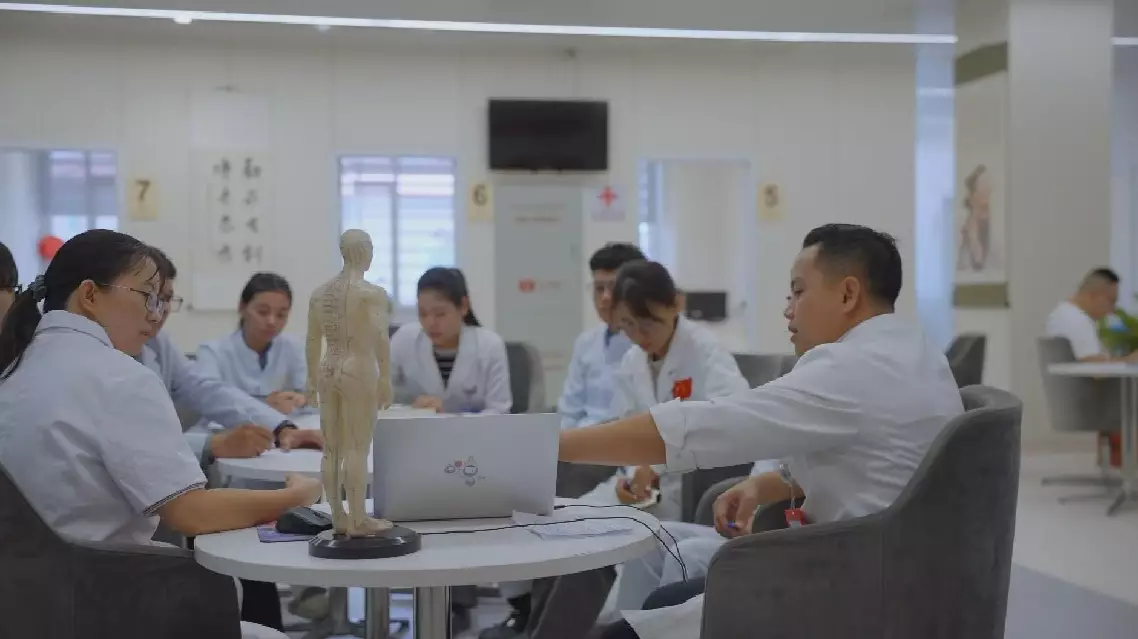
China's Sichuan to send more TCM doctors to Cambodia to boost its health system