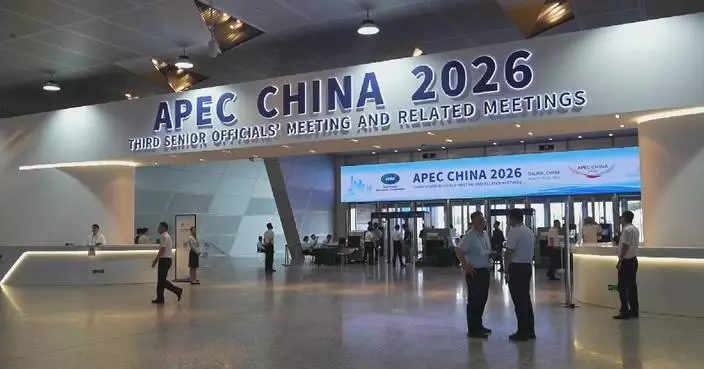
China's zero-tariff policy for Africa presents great opportunities for Guinea, Guinean Prime Minister Amadou Oury Bah said on Wednesday in an interview with China Media Group (CMG) while attending the Summer Davos Forum in Chinese city Dalian of Liaoning Province.
China implemented an expanded zero-tariff treatment on May 1 on imports from all 53 African countries with which it has diplomatic relations.
Amadou Oury Bah explained the significance of the policy for his country, especially against the backdrop of rising unilateralism and trade protectionism, as well as the arbitrary imposition of tariffs by certain countries. "It is an excellent opportunity. Just as people say with yin and yang (terms representing duality in Chinese philosophy), when one door closes, another one opens. These are opportunities that we, as African countries, must explore and capitalize on in order to meet the needs of our economic development. For our agricultural sectors, our local investors must figure out what kind of agriculture should we develop and promote to take advantage of the opening of the Chinese market, which is an extremely important market of over a billion people. In the coming weeks, we will also review all the products flowing in both directions to derive the greatest benefit from them," said the prime minister.
Guinea was the first country in sub-Saharan Africa to establish diplomatic ties with China. Since the establishment of diplomatic relations in October 1959, cooperation between the two sides has progressed steadily, yielding mutually beneficial fruitful results. In 2025, bilateral trade reached 18.23 billion U.S. dollars, up 57.5 percent year on year.
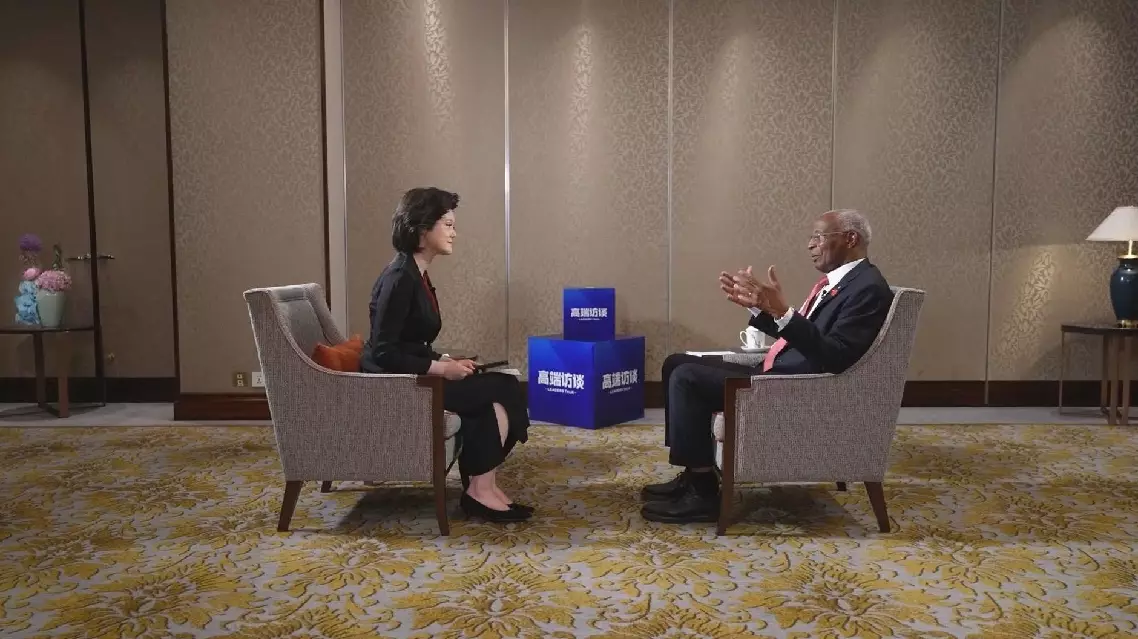
China's zero-tariff policy presents great opportunities for Guinea: PM
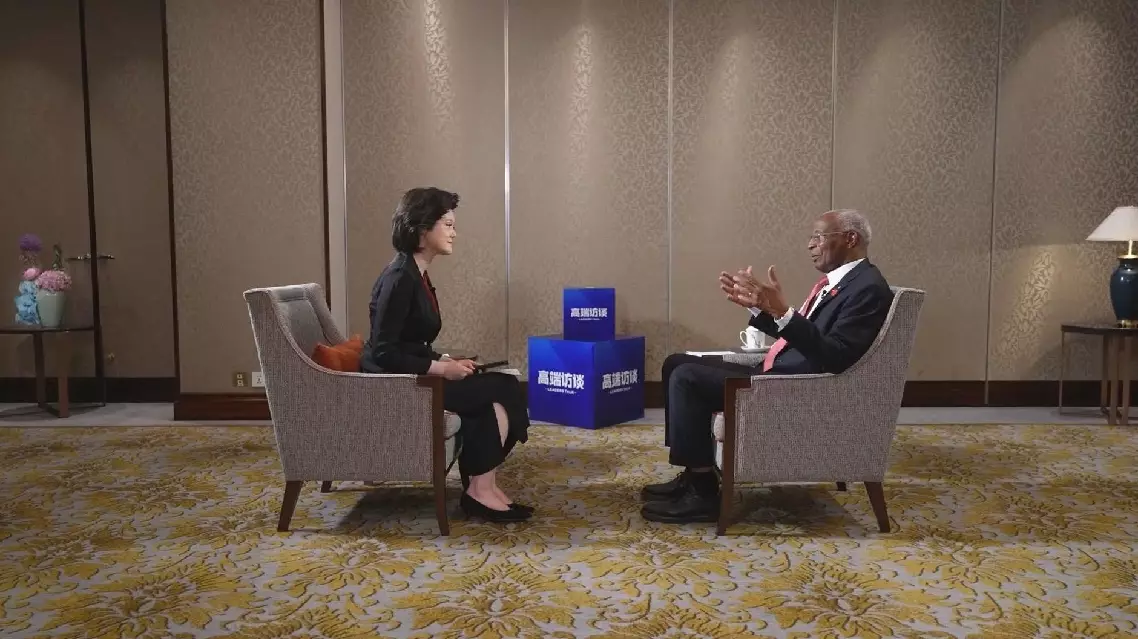
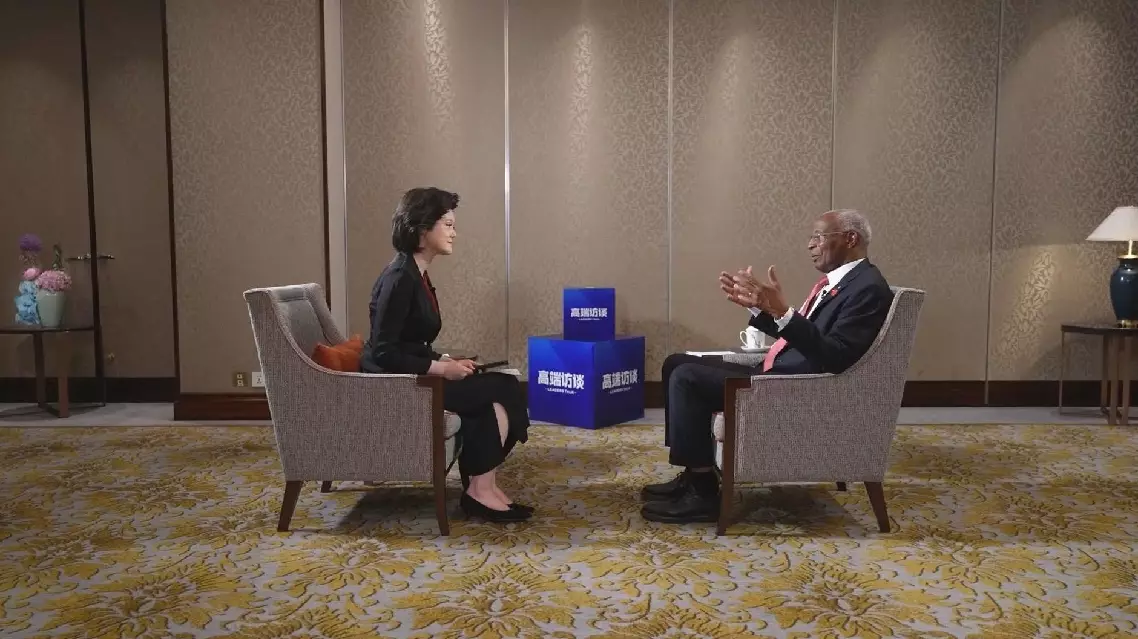
A China-built hydropower station that has remained in operation for six decades in Guinea serves as a vivid illustration of the friendly cooperative relations between China and African countries, said Guinean Prime Minister Amadou Oury Bah in an exclusive interview with China Central Television (CCTV) earlier this week.
He spoke on the sidelines of the World Economic Forum's 17th Annual Meeting of the New Champions, which concluded Thursday in the northeastern Chinese city of Dalian.
On June 9, 1966, the Kinkon Hydropower Station, built by China International Water and Electric Corporation, a subsidiary of China Communications Construction Group Company Limited, was officially handed over to Guinea.
The project was a milestone for both Guinea and China. It was the first hydropower station completed in Guinea after independence and the first hydropower project delivered by China as a complete foreign aid package, with Chinese experts responsible for every stage of its development, from exploration and design to construction.
As a symbol of China-Guinea friendship, the Kinkon Hydropower Station has appeared twice on Guinea's 5,000-franc banknotes.
Located in the Pita Prefecture, where Bah's hometown is, the station has been a vital part of the region's development. And Bah himself has witnessed firsthand how it has transformed local life.
"What I want to say is that I grew up with the Kinkon Hydropower Station. It is located in the province where my hometown is. For the people of the Pita Prefecture, being able to have electricity and to serve as the source of power supply to surrounding cities is something to be proud of. To this day, the station is still in operation. After Guinea's independence, China was among the first countries to demonstrate the significance of China-Africa cooperation through concrete actions by building this hydropower station. This project is a vivid and tangible illustration of the friendly cooperative relations between China and African countries," said Bah.
Over the past six decades, the station, with an installed capacity of 3,400 kilowatts, has remained operational. Generating an average of 16 million kilowatt-hours of electricity annually, it has long supplied power to the prefectures of Pita, Labe, Dalaba and Mamou. Local residents refer to it as Guinea's "Pearl of the Night".
Hydropower station in Guinea stands as symbol of China-Africa friendly cooperation: Guinean PM