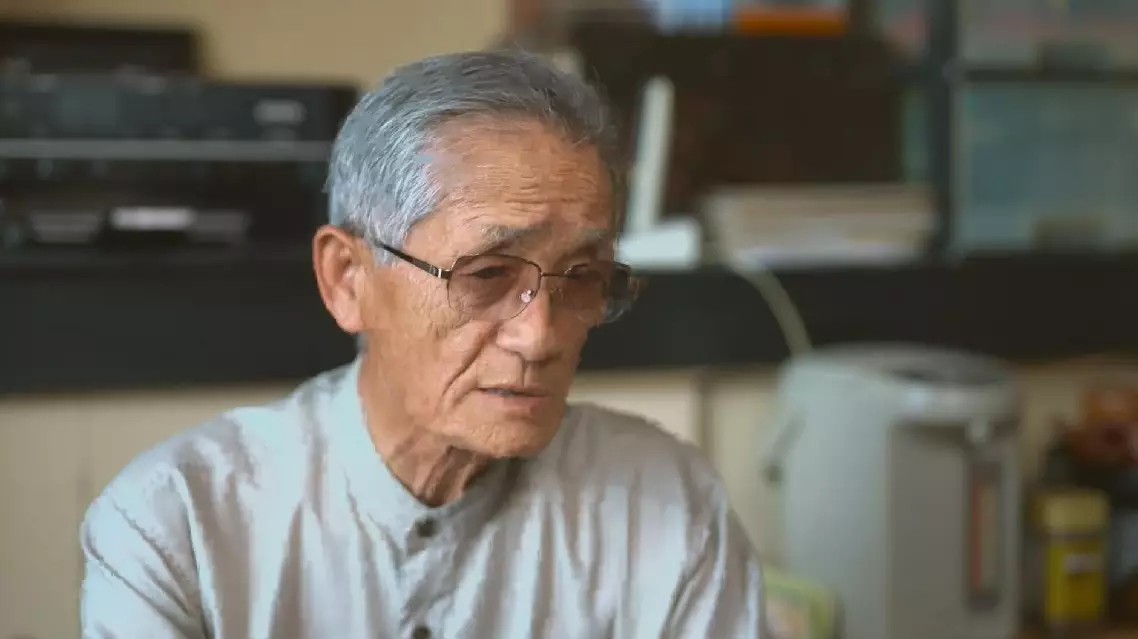
The current Japanese government should be repentant for Japan's aggression against China and other countries in history, Japanese writer Yasushige Hanaika said in an interview with Central China Television (CCTV).
Hanaika has spent years recording confessions of former soldiers of the Japanese army who committed atrocities during the aggression, and he has published a number of books on the subject.
"The current Japanese government hasn't done any soul searching for the war. When the Second World War broke out, Japan was an out and out aggressor. It invaded not only China, but also Southeast Asian nations and the Korean Peninsula. Yet the Japanese government today shows no repentance over that history," he said.
Hanaika said he is worried that young Japanese are ignorant of their own history or the current situation, which is planting seeds of new crises.
"Only when the majority of Japanese nationals recognize the current reality could lasting peace for Japan be truly built. Fortunately, Article 9 of the Pacifist Constitution is still in effect. But the current prime minister of Japan is trying to break that restraint and push for amending that article. Most young Japanese have no sense of crisis about this. As for how to change this state of affairs, frankly, my personal effort alone is far from enough. But I sincerely hope that young people will come to realize that Japan has become a country where no one dares to speak the truth," said Hanaika.
Japanese government should be repentant over history of aggression: writer
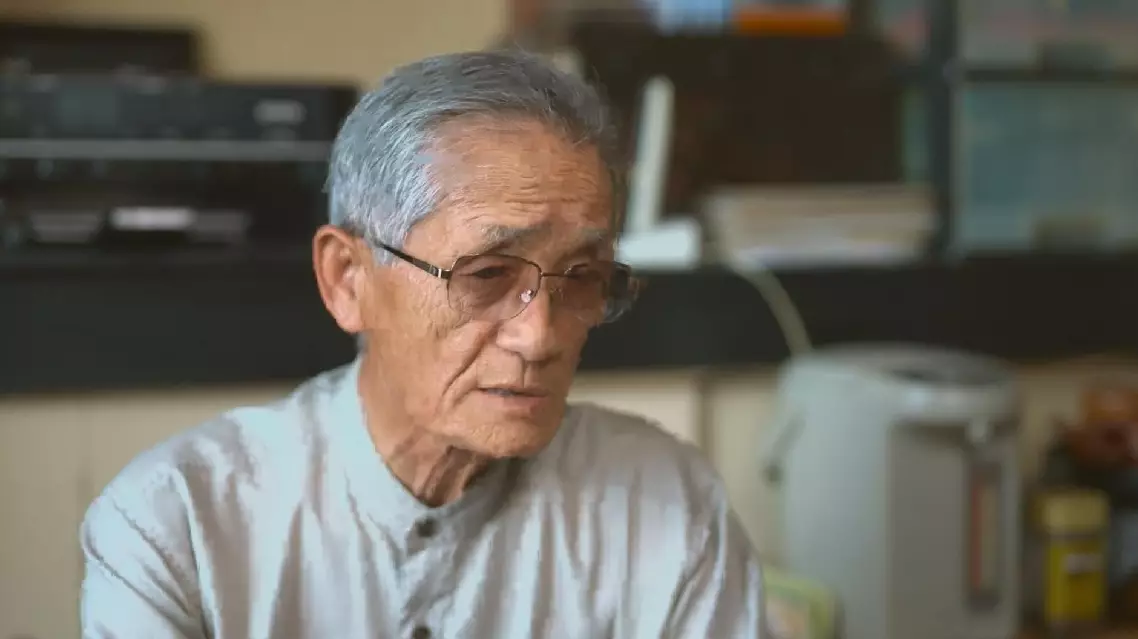
Japanese government should be repentant over history of aggression: writer
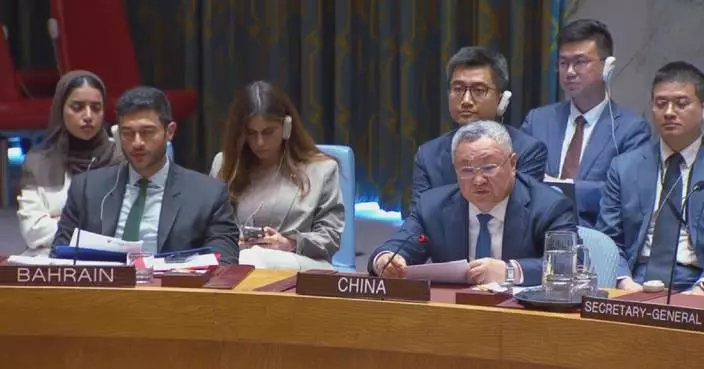
China's United Nations (UN) envoy on Friday stressed the need to jointly safeguard the outcomes of World War II victory and warned against the resurgence of "neo-militarism" during a General Assembly session commemorating UN Charter Day.
Fu Cong, China's permanent representative to the UN, said that commemorating the UN Charter Day is both a review of history and a look to the future.
He said that in today's world of intertwined changes and turmoil, the UN faces crises and challenges, and that all countries must uphold the UN Charter with concrete actions and work together to revitalize, reinvigorate, and strengthen the UN.
Fu also stressed the importance of returning to the founding principles of the UN Charter.
"The UN stands as a pivotal achievement of the World Anti-Fascist War. Its Charter embodies humanity's collective reflection on history, its enduring pursuit of peace, and its aspiration for justice. It is incumbent upon all of us to jointly safeguard the hard-won outcomes of World War II, foster a correct understanding of history, and firmly oppose any erroneous rhetoric or actions that seek to distort the past. We must never allow the tragedies of history to repeat themselves, nor permit 'neo-militarism' to gather strength and pose a real threat," said Fu.
He also urged upholding the spirit of the Charter, noting that the purposes and principles enshrined in the Charter, including sovereign equality and peaceful settlement of disputes, have played an irreplaceable role in maintaining overall world peace over the past eight decades.
"The root cause of today's looming war clouds and the resurgence of the law of the jungle is not that the UN Charter is outdated, but that it has not been effectively implemented. The more complex and turbulent the situation, the more necessary it is to uphold the UN-centered international system and abide by the basic norms of international relations based on the Charter," said Fu.
Fu further called for fulfilling the obligations under the UN Charter, stressing that defending the authority and effectiveness of the UN Charter requires not just rhetoric but concrete actions.
"All countries should practice true multilateralism, support the UN in playing a central role in international affairs, and work for a more just and equitable global governance system. Major countries, in particular, should shoulder their responsibilities, take the lead in upholding the rule of law, follow the right path, and set an example for others," said Fu.
China, as the first country to sign the UN Charter, will continue to honor its solemn commitments under the UN Charter with concrete actions and make unremitting efforts to promote the building of a community with a shared future for mankind, Fu said.
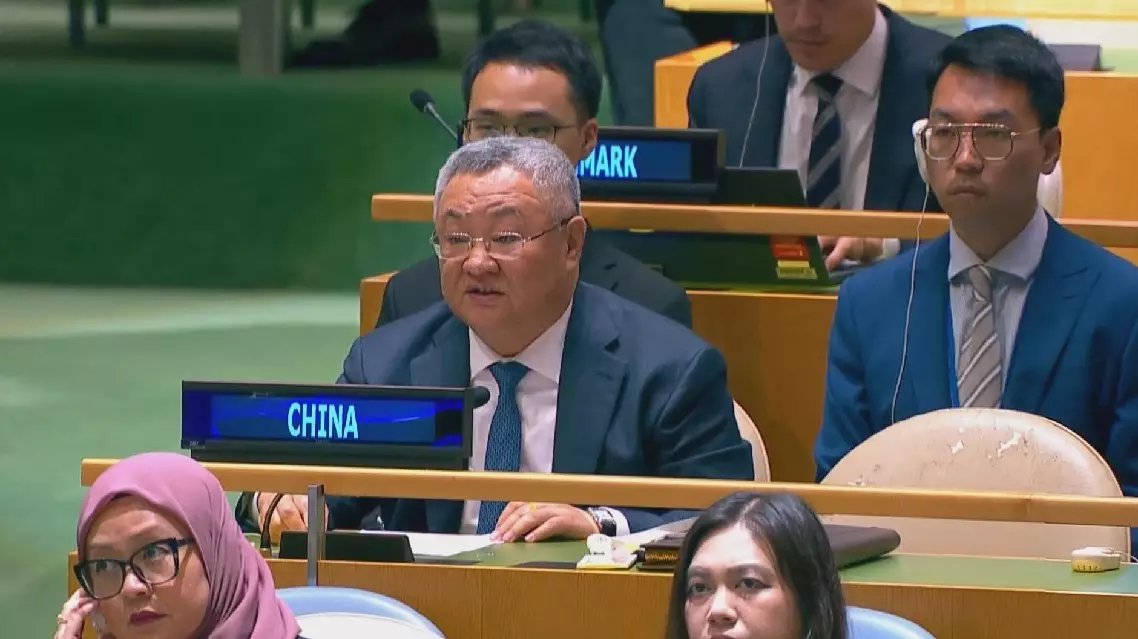
Chinese envoy urges return to UN Charter's founding principles, warns against 'neo-militarism'