NEW YORK (AP) — About 3 million fewer people in the United States had Affordable Care Act health insurance plans in February compared with the same time last year, according to new federal data.
In the report released Friday, the U.S. Department of Health and Human Services suggested the 13% drop in enrollment from 22.1 million people in 2025 to 19.2 million this year could be attributed to a federal crackdown on fraudulent or “phantom” enrollment. But health analysts said it was more likely related to the Jan. 1 expiration of federal subsidies, which caused a surge in plan costs that resulted in many people being unable to pay their premiums.
“We know that real people lost their health insurance coverage,” said Cynthia Cox, a vice president and director of the ACA program at the healthcare research nonprofit KFF, citing survey findings on people who had left their plans. “This coverage loss happened at the same time millions of people faced double or even triple digit increases in their premium payments.”
The new data, compiled in April but showing coverage in February, represents the government's first official look at how people's inability to pay their first bills this year affected total enrollment. That is because the figures capture the marketplace after a nonpayment grace period expired.
A federal estimate in January showed that about 800,000 fewer people had signed up for ACA plans compared with the same time last year, marking the first time in the past four years that enrollment had been down from the previous year at that point in the shopping window.
Cox said KFF expects the total number of people in the government healthcare program to continue to decline throughout the year, potentially to a low of about 17.5 million. That would be a significant drop for the government’s flagship subsidized health insurance program for working-age people who do not qualify for Medicaid. In recent years, ACA plans have become a popular choice for gig workers, farmers, ranchers, hairstylists and others without health coverage through an employer.
The ACA subsidies that expired this year were at the center of a bitter fight in Congress last fall, with Democrats and some Republicans calling for their renewal. Sharp increases in health costs across ACA and other health insurance programs come as voters in the approaching November elections say affordability is among their top concerns.

FILE - The HealthCare.gov website, where people can buy health insurance, is displayed on a laptop screen in Washington, Oct. 6, 2015. (AP Photo/Andrew Harnik, File)
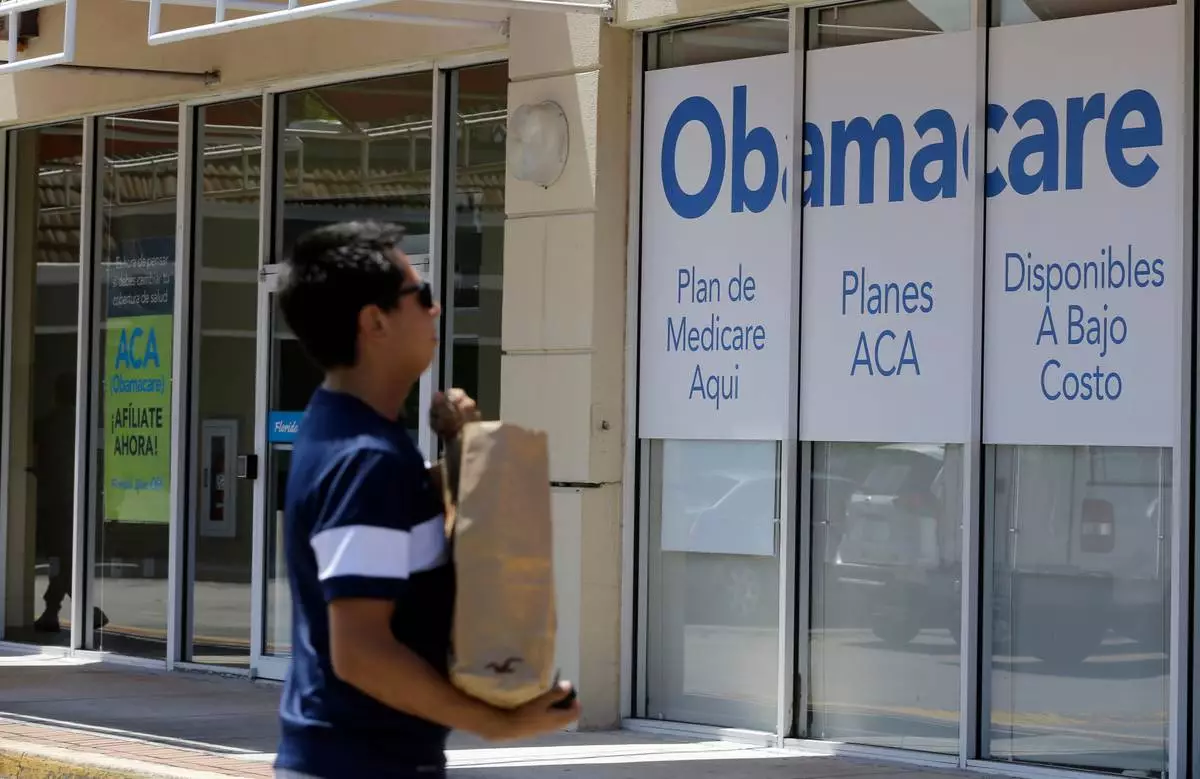
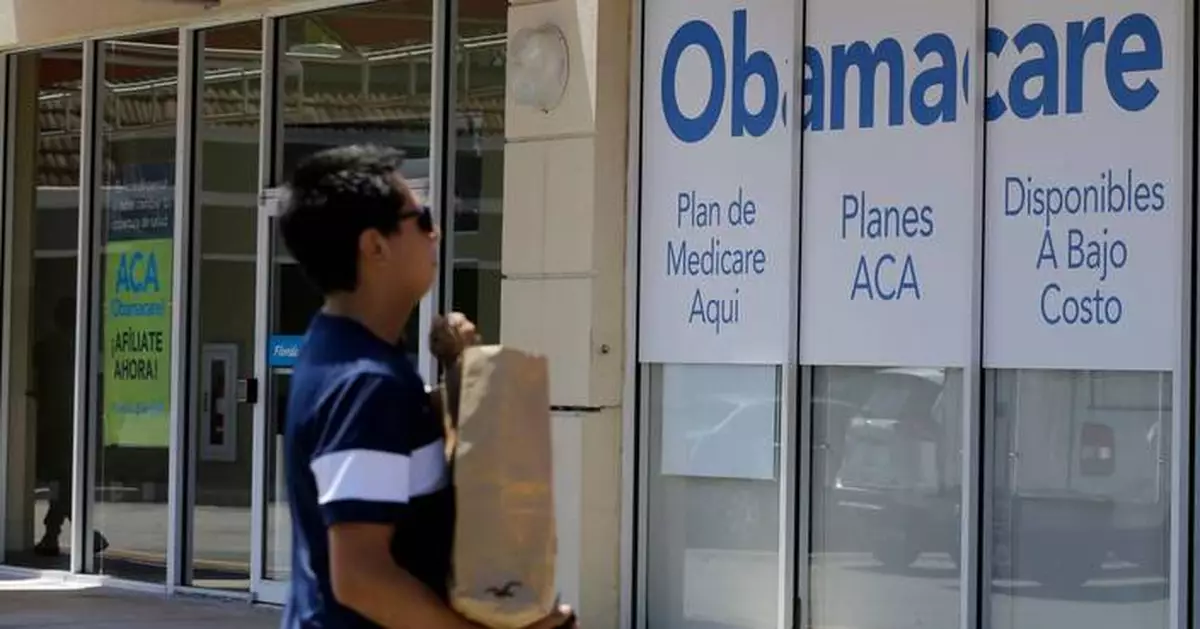
FILE - A man walks by an healthcare insurance office in Hialeah, Fla., July 27, 2017, (AP Photo/Alan Diaz, File)
A fast-moving wildfire in Utah raced across the landscape overnight, fed by heat and dry wind and forcing more communities to evacuate, officials said Saturday.
Air tankers and helicopters were grounded Friday as winds picked up on the Cottonwood Fire, the largest blaze currently burning in the U.S. Gusts were clocked at 45 miles per hour (72 kph) and humidity levels were in the single digits, leaving crews with few options for slowing the flames, especially as they raced through the treetops.
The U.S. Forest Service said in a statement on Facebook that weather conditions are expected to slightly improve, but not by much.
“Weather conditions are slightly better for fire behavior today, but extreme fire behavior may occur in the afternoon as temperatures and wind speeds increase,” the U.S. Forest Service said Saturday in a statement on Facebook.
No injuries or deaths have been reported, said Jaclynn Swope, a spokesperson for the response team.
The National Weather Service in March said Salt Lake City, Utah's capital, had the warmest winter on record with an average temperature of 40.7 degrees Fahrenheit (4.8 Celsius), nearly 8 degrees above normal. Many other parts of Utah had warmer-than-usual winter.
Burning in a sparsely populated area of southern Utah, the Cottonwood Fire ballooned Saturday to more than 144 square miles (373 square kilometers).
One of several large wildfires burning in Utah, it severely damaged the Eagle Point ski resort in Beaver County and forced campground closures in Fishlake National Forest.
In the community of Marysvale, the smoke blocked out the sun Friday as ash rained down. Officials warned of unhealthy air quality there and elsewhere.
“We’re looking at a full 48 hours of critical weather that we have not seen in Utah in the last five years,” meteorologist Jason Straub told a community meeting in Beaver County Friday evening.
Elsewhere in Utah, evacuations were ordered Friday for several small communities southwest of Salt Lake City, including in Eureka, with a population under 1,000, and the Vernon Reservoir area, officials said. Highways running through the area have been closed.
Two wildfires in that area — the Iron and Cherry fires — ran together overnight, and they are about 38% contained, according to fire officials. The two fires combined are covering about 91 square miles (236 square kilometers).
The smoke pushed mostly east, meaning air quality at popular vacation spots like Zion and Bryce Canyon national parks — located far south of the flames — hasn’t been significantly affected beyond some haze in the Bryce area.
Still, the plume was visible from miles away, even as far as Colorado.
It's like nothing seen in recent memory, Utah state forester Jamie Barnes said earlier this week. She acknowledged that fires are spreading farther and faster “under conditions that defy historical expectations.”
Nationally, nearly 3 million acres have burned since the start of the year, pushing the U.S. ahead of the 10-year average.
Conditions including low humidity and strong winds have triggered red flag warnings across a wide swath stretching from California to southern Arizona and New Mexico. Some of the forecasts predicted winds of 25 to 35 miles an hour (40 kph to 56 kph), with the worst conditions expected from northern Arizona into central and southern Utah.
At Grand Canyon National Park in Arizona, officials were preparing for a power outage on Saturday. The utility that serves the area had warned that it would likely initiate a safety outage in hopes of lessening the risk of wildfire in the area.
Visitors will be able to purchase park passes at entrance stations as long as backup power systems remain operational, but park officials said visitors should come prepared. That means downloading maps and other important information before arriving and ensuring that phones and other electronic devices are fully charged.
Power shut-offs have become more common in the West as wildfire risk has expanded. It's usually a last resort after utility forecasters weigh factors like sustained wind and gust speeds, available fuels and topography.
With extreme fire conditions persisting, Rocky Mountain Power has issued a public safety power shut-off watch/warning for areas of central, southern and eastern Utah through the weekend.
Tim Brown, a research professor and director of the Western Regional Climate Center, said the potential for extreme fire behavior will remain as long as it’s hot, dry and windy. He pointed to parts of the West that have been mired by persistent drought, including Utah, Colorado, Arizona and New Mexico.
“I would not be surprised to see a lot of restrictions come out as we get closer to the July Fourth weekend,” he said. “People really need to be aware of their surroundings if they’re going to be out in the forested campground areas and grassland areas.”
Gov. Spencer Cox set the temporary fireworks restrictions through July 5 as the nation prepares to celebrate its 250th anniversary, saying “this year is different.”
While the Cottonwood Fire's cause was unknown, the governor’s order noted that humans have been the cause of most fires in the state so far this year.
Even in Florida, where there have been multiple brush fires, authorities are urging people to skip the personal fireworks and instead leave the pyrotechnics to professionals putting on carefully planned shows.
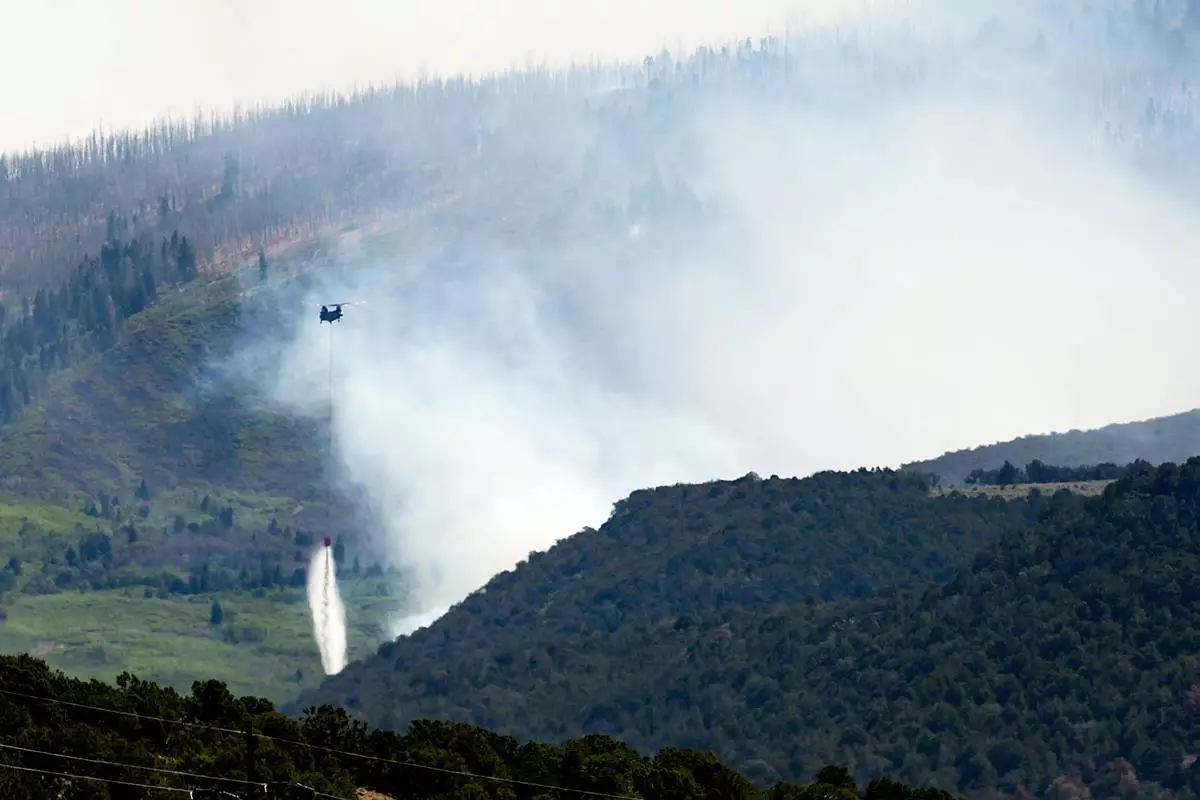
A helicopter drops water on the Cottonwood Fire burning near Beaver, Utah, on Saturday, June 27, 2026. (AP Photo/Noah Berger)
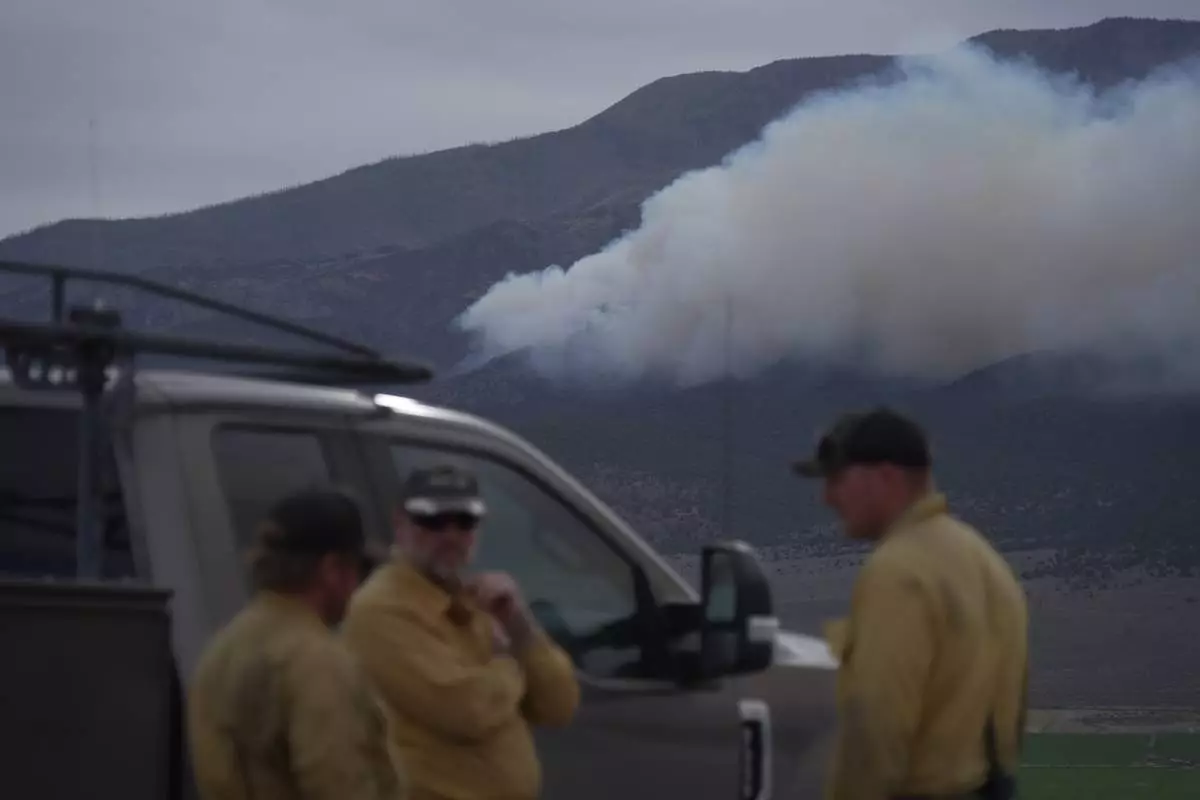
Firefighters gather near the Cottonwood Fire near Junction, Utah, on Friday, June 26, 2026. (AP Photo/Ty ONeil)
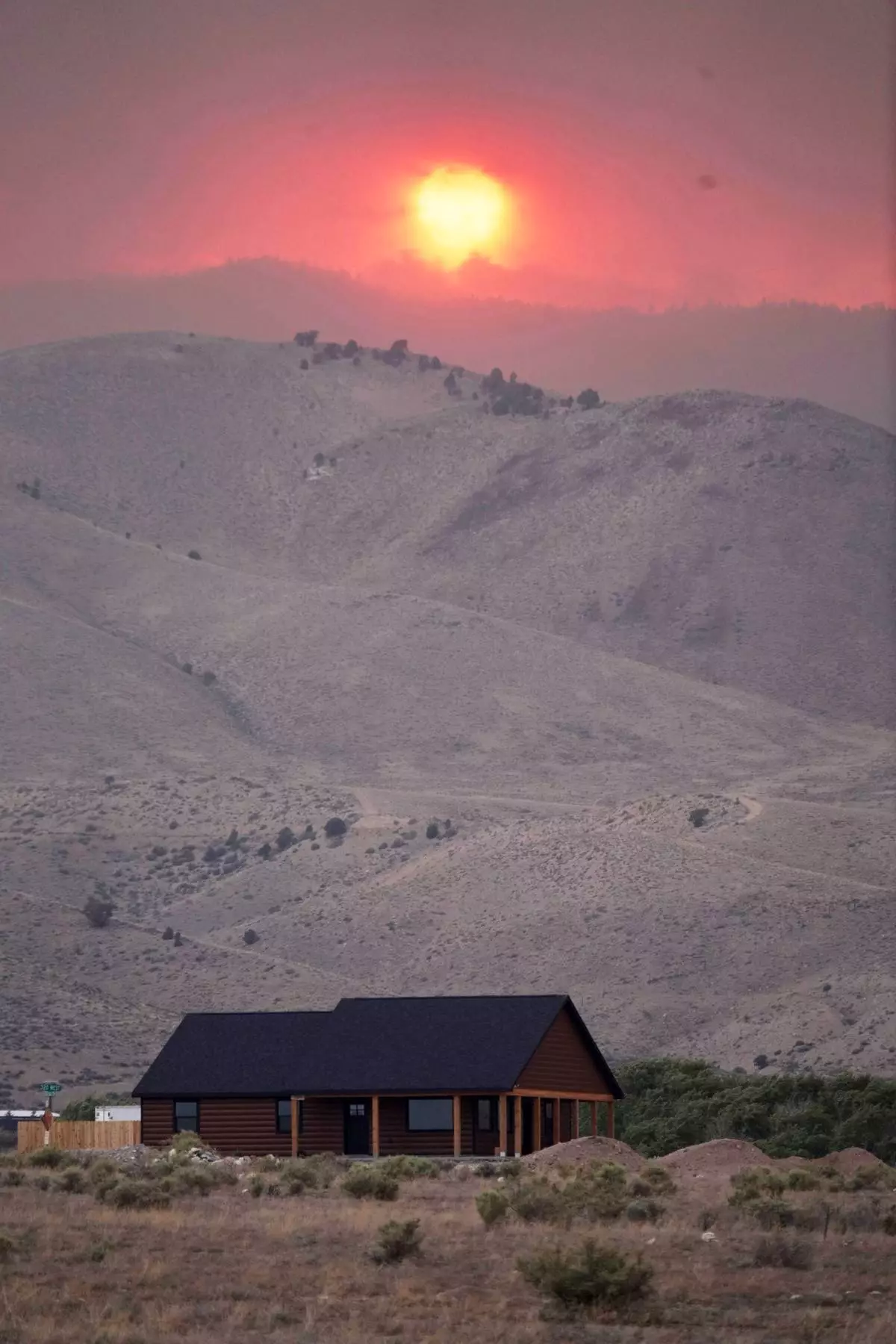
The sun sets over the Cottonwood Fire near Marysvale, Utah, on Friday, June 26, 2026. (AP Photo/Ty ONeil)
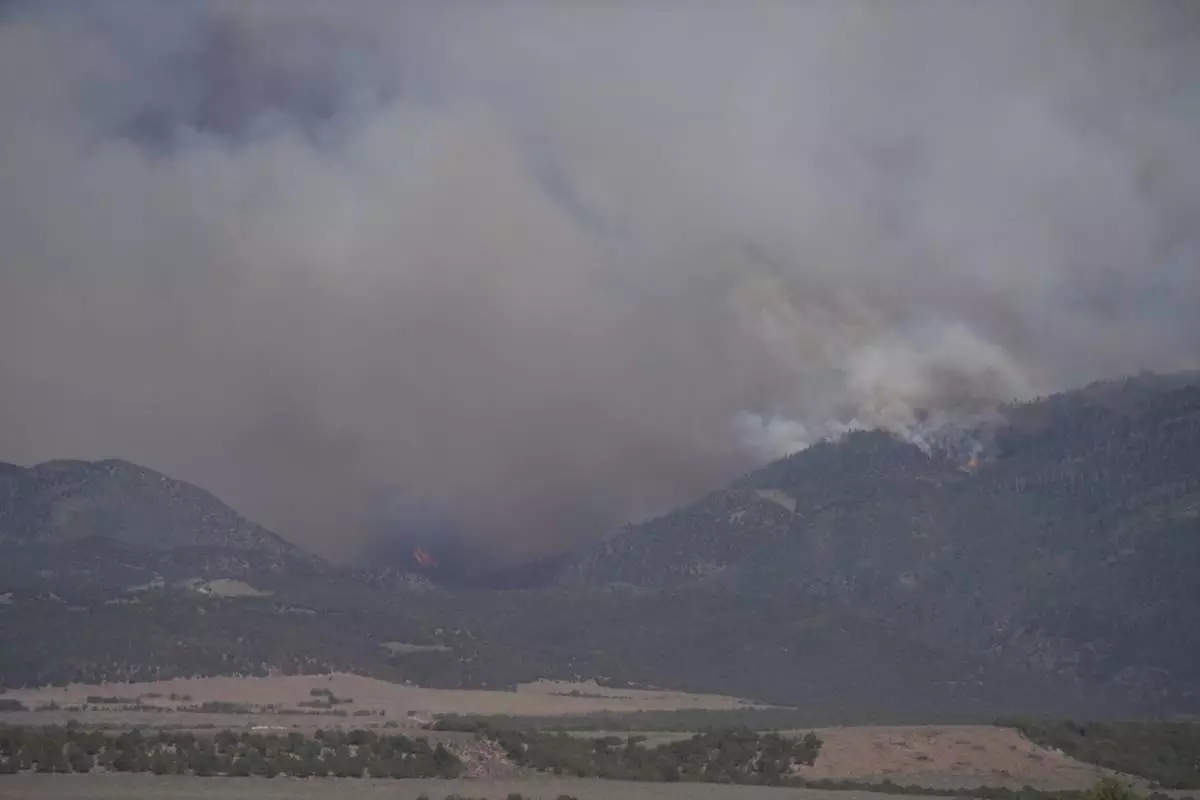
Smoke rises from the Cottonwood Fire near Beaver, Utah, on Friday, June 26, 2026. (AP Photo/Ty ONeil)
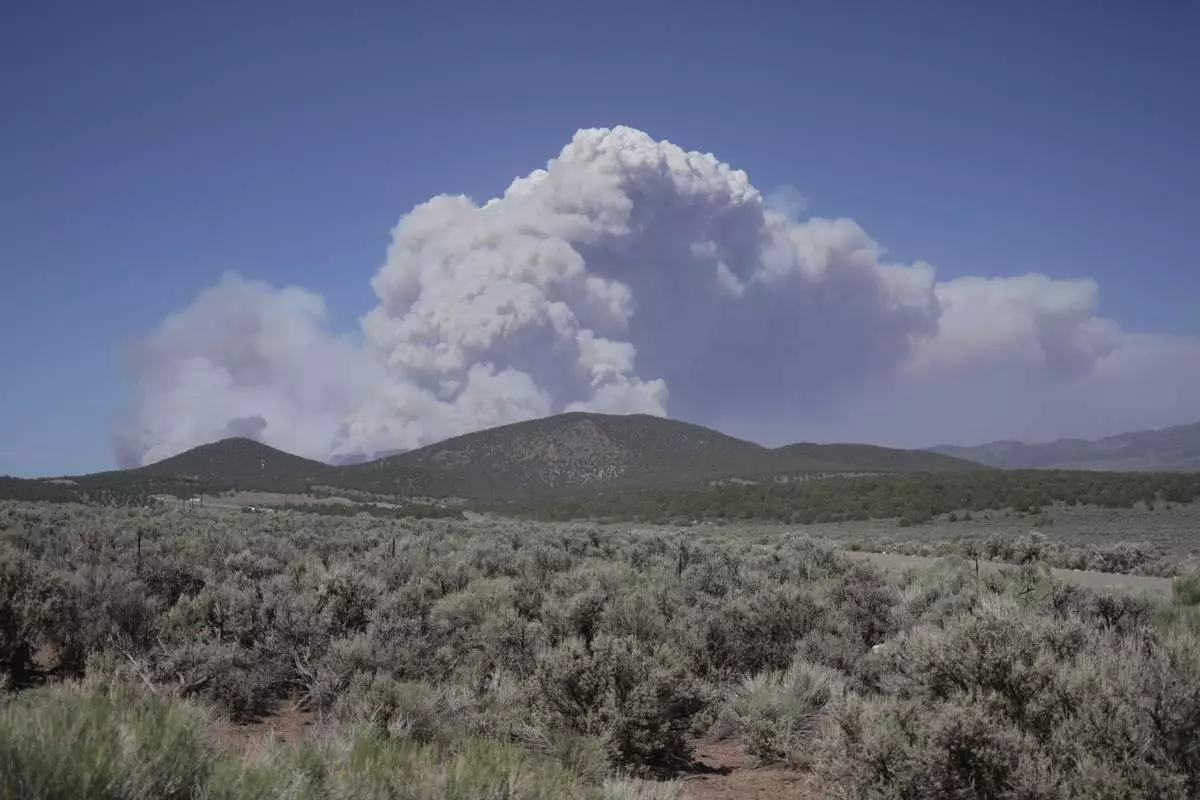
A plume of smoke rises from the Cottonwood Fire, Friday, June 26, 2026, near Beaver, Utah. (AP Photo/Ty ONeil)
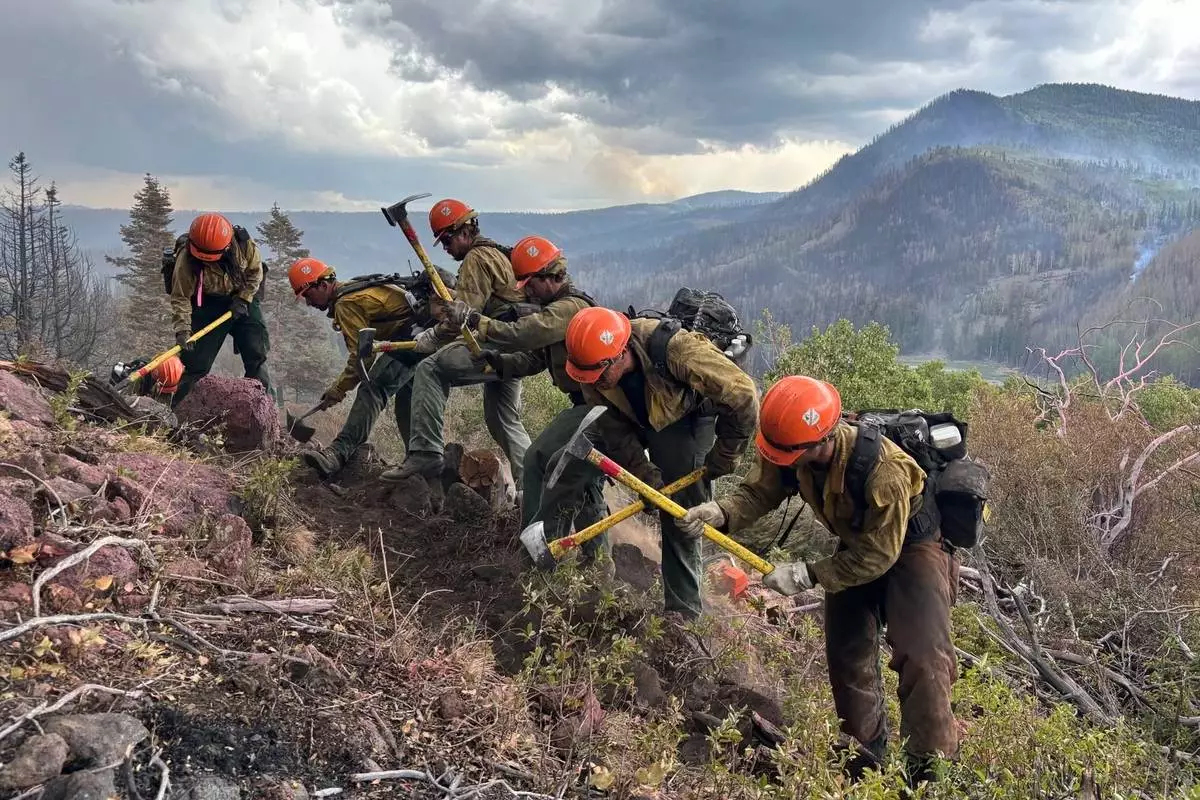
This undated image provided by the U.S. Forest Service Friday, June 26, 2026, shows firefighters responding to the Cottonwood Fire on Wednesday, June 24, 2026, above Birch Lake, near Beaver, Utah. (Mike McMillan/U.S. Forest Service via AP)
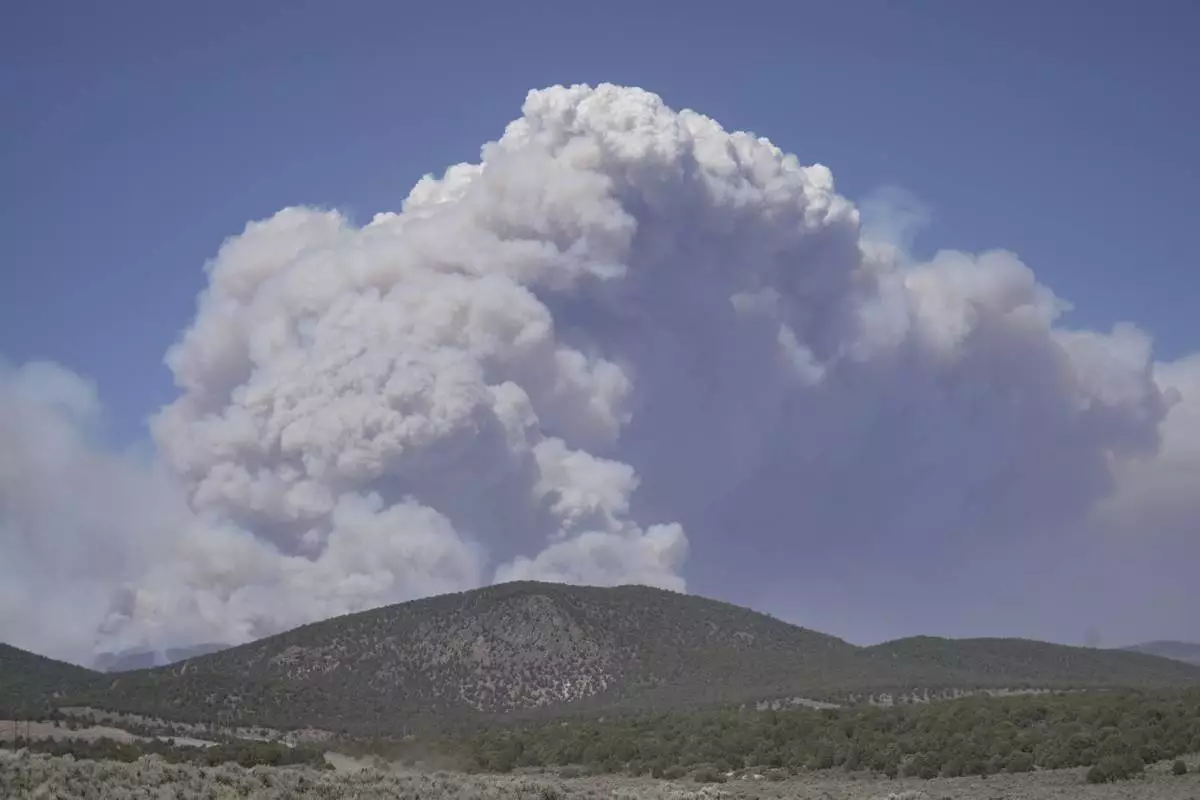
A plume of smoke rises from the Cottonwood Fire, Friday, June 26, 2026, near Beaver, Utah. (AP Photo/Ty ONeil)