WASHINGTON (AP) — After democratic socialist Claire Valdez defeated an establishment-backed candidate in New York's congressional primary last week, her elated supporters quickly turned their attention to a new target.
“You're next!” they chanted when an image of House Democratic leader Hakeem Jeffries of New York flashed on the television screens at Valdez's victory party in a renovated Brooklyn warehouse.
Click to Gallery
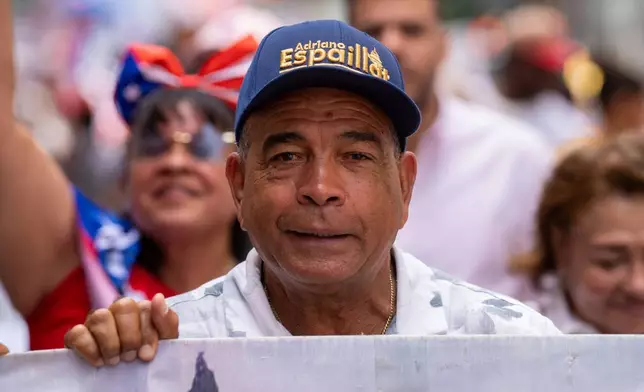
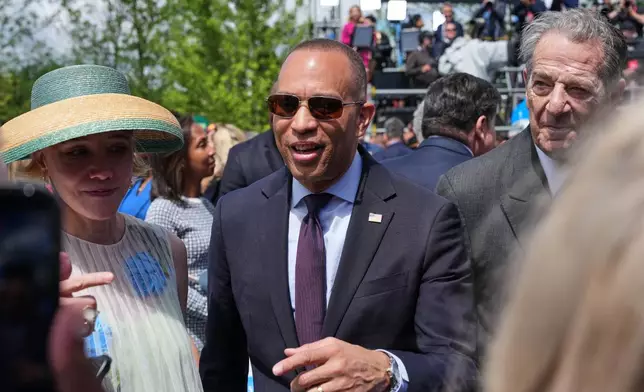
Rep. Adriano Espaillat, D-N.Y., takes part in the National Puerto Rican Day Parade, Sunday, June 14, 2026 in New York. (AP Photo/Adam Gray)
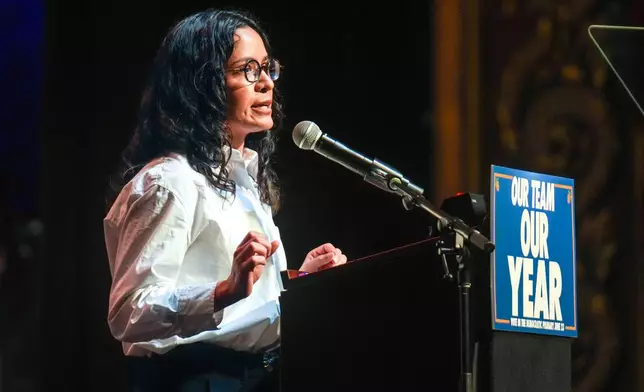
Democratic congressional candidate Claire Valdez speaks during a Get Out The Vote rally ahead of New York's primary election, Thursday, June 18, 2026, in the Brooklyn borough of New York. (AP Photo/Ryan Murphy)
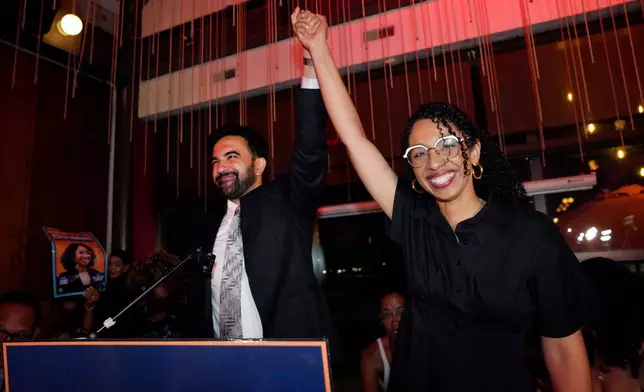
New York City Mayor Zohran Mamdani, celebrates with Democratic congressional candidate Darializa Avila Chevalier during an election night watch party Tuesday, June 23, 2026, in New York. (AP Photo/Seth Wenig)
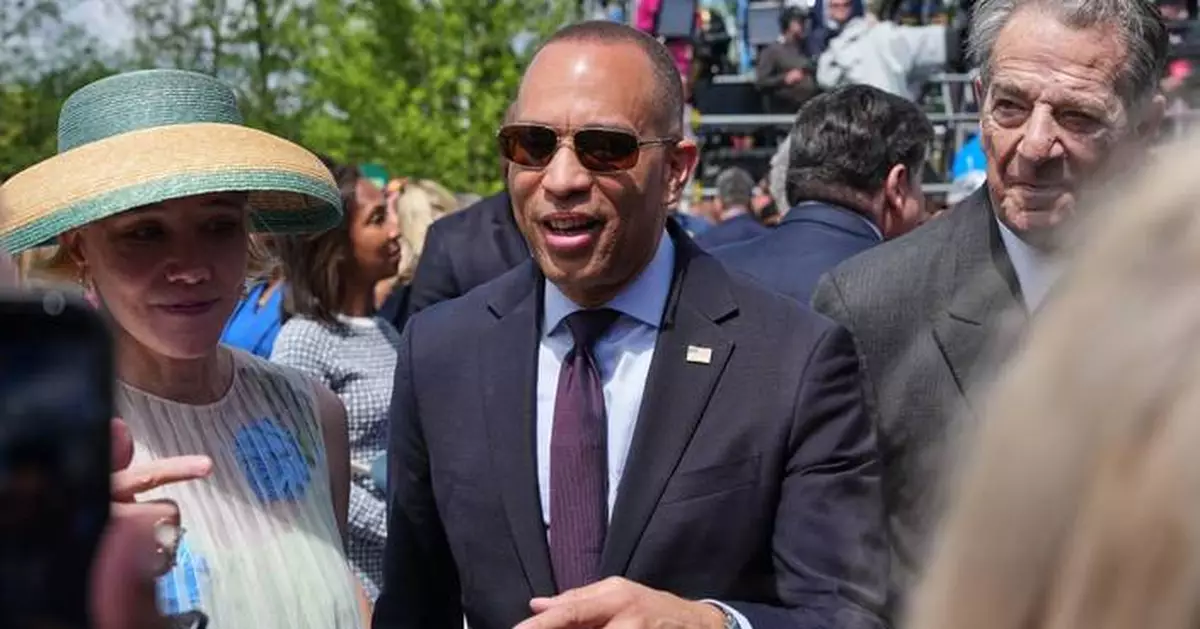
House Minority Leader Hakeem Jeffries, D-N.Y., arrives ahead of the Obama Presidential Center dedication ceremony Thursday, June 18, 2026, in Chicago. (AP Photo/Alex Brandon)
The message alarmed Democratic Rep. Gregory Meeks, whose district borders the one that Valdez is poised to represent. Jeffries would likely be the first Black speaker of the House if Democrats regain the majority, Meeks said, and “people died to see something like that opportunity.”
The episode reflects the party's dilemma in a populist age.
As left-wing insurgents make inroads in New York and elsewhere, their campaigns are confronting legacy institutions led by people of color. For a party that prides itself on diversity, the clashes have exacerbated fierce debates over identity politics and long-standing rifts between progressives and moderates.
The outcome will determine who holds power within the Democratic coalition as it battles for control of Congress and prepares for what is expected to be a sprawling and searing presidential primary in 2028.
Although minority-led organizations have historically been viewed as more radical and antiestablishment, some Democratic leaders now view the left-wing surge as driven by white college graduates. Progressives argue that their agenda remains popular within communities of color.
“It’s complicated," said Juan Proaño, CEO of the League of United Latin American Citizens. “But these changes are a real opportunity for our communities, and maybe a passing of the baton to a younger generation of leaders.”
Jeffries brushed off a question about whether he could face his own primary challenge.
“When you ask me a serious question, I’ll give you a serious answer," he told a reporter from Fox Business.
Once the distant dreams of Black and Latino activists, the political machines in many communities of color have become a central part of the Democratic establishment. They were a key driver of the party’s embrace of civil rights and diversity as core values.
Some of the party’s most tenured members and influential dynasties now come from communities of color, and politicians such as Jeffries rose through the ranks of such systems to serve as party leaders.
But such organizations were built in a different era.
“A lot of our communities are anchored in older, more traditional voters, and those older, more traditional voters carry older, more traditional values,” said Dallas Jones, the former Texas political director for Democrat Joe Biden's presidential campaign in 2020. In Democrats' current debates of “people versus elites," Jones said, “you cannot help but find that the Black community is caught up in the middle of it.”
Jones said that yearning for generational change helped topple Texas Rep. Al Green, a progressive seeking his 12th term in Congress, in May. A longtime civil rights activist, Green, 78, was defeated by Christian Menefee, a 38-year-old first-term congressman who is also Black, to represent a majority-Black district anchored by Houston.
The Democratic electorate grew slightly whiter in 2024 as Donald Trump made some gains among Black and Hispanic voters. In addition, white Democrats have become more likely to describe themselves as liberal than are Black and Hispanic Democrats, according to Gallup research from 2022.
Progressives argue that they are challenging longtime lawmakers based on their establishment ties rather than any shift in the party's demographics. They point to progressives recently winning House Democratic primaries for majority-minority districts in Pennsylvania and New Jersey as signs of deeper appeal.
“The point of being a senior Democrat is you’re supposed to be able to deliver more and impact the agenda,” said Regina Monge, a strategist who led a political action committee that backed democratic socialist Zohran Mamdani in last year's race for New York mayor. “People are supposed to feel the benefits of their leadership in the district.”
Senior lawmakers are skeptical that much can be extrapolated nationally from last week's results, where Mamdani successfully pushed a slate of three insurgent candidates.
“Our path to 218” — the number of seats necessary for a House majority — “wasn’t affected by those races that are getting a lot of news,” said Democratic Rep. Pete Aguilar of California, the highest-ranking Latino in Congress. “The mayor made some endorsements, and those individuals won, and I presume that they’re going to come and vote with the Democratic caucus when they get here.”
The new style of challenger often rises from outside the traditional civil rights and organizing structures that characterized some communities for decades.
Valdez, who is Latina and Native American, won the primary to replace retiring Rep. Nydia Velázquez, a former chair of the Congressional Hispanic Caucus who was born in Puerto Rico.
The current caucus leader, Rep. Adriano Espaillat of New York, lost his primary to Darializa Avila Chevalier, another democratic socialist, in a district that includes parts of Manhattan and the Bronx. Espaillat was born in the Dominican Republic; Chevalier’s parents are Dominican immigrants.
“We’re really looking at a moment in time where people are anxious about the future of our country," said Katharine Pichardo, who leads Latino Victory.
Pichardo was a senior adviser to Espaillat's first successful run for Congress, in 2016. She said Espaillat's message “needed to focus more on kitchen table issues” and be “forward looking” if he were to ward off Chevalier.
For incumbents to defeat populist and more ideological challengers, she said, they must “give people a sense of security against the very real anxiety over what’s going on in Washington, D.C.”
Basil Smikle, a former executive director of the New York State Democratic Party who now teaches at Columbia University, said insurgent candidates and their voters see institutions as “inherently flawed.” He said party leaders "would do well to turn with the momentum and not against it.”
“This is an opportunity for Hakeem to turn around and say, ‘Look, I’m with you, I’m not going to stand in your way, let's iron out our differences and make me speaker, get us back to power,'" Smikle said. "That would be the best way to bridge this divide.”
On Saturday, Jeffries took a step in that direction by congratulating New York City's Democratic nominees, including Valdez and Chevalier. He did not mention his ideological disagreements with them or his support for their opponents, instead stressing that they would help "crush far-right extremism."
“The path is different but the work is the same," Jeffries said.
Associated Press writer Anthony Izaguirre in New York contributed to this report.
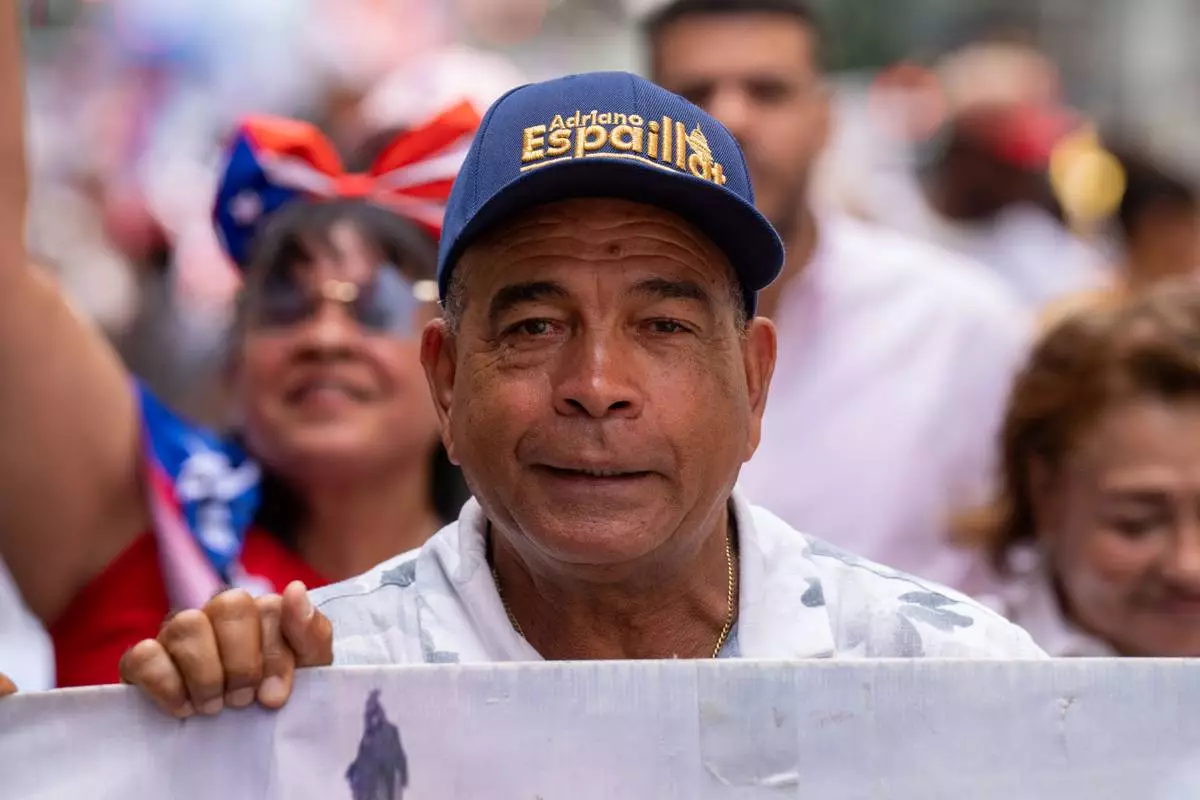
Rep. Adriano Espaillat, D-N.Y., takes part in the National Puerto Rican Day Parade, Sunday, June 14, 2026 in New York. (AP Photo/Adam Gray)
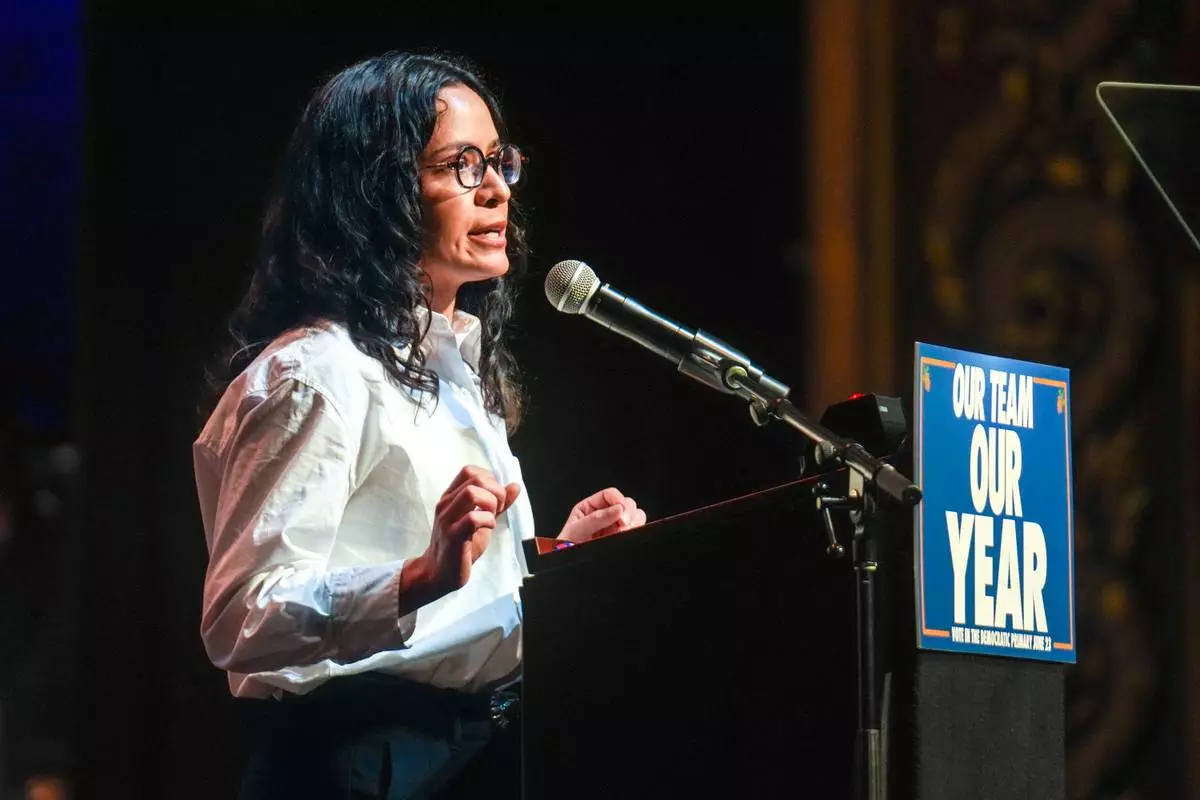
Democratic congressional candidate Claire Valdez speaks during a Get Out The Vote rally ahead of New York's primary election, Thursday, June 18, 2026, in the Brooklyn borough of New York. (AP Photo/Ryan Murphy)
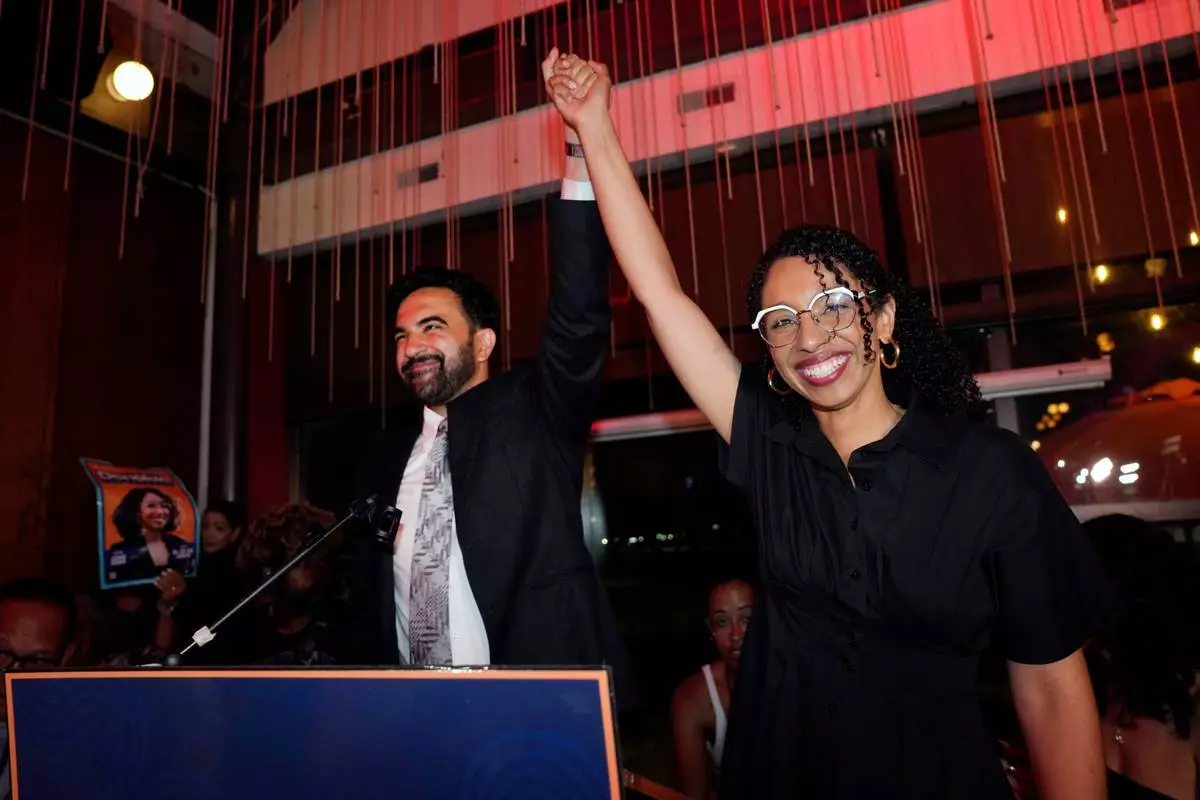
New York City Mayor Zohran Mamdani, celebrates with Democratic congressional candidate Darializa Avila Chevalier during an election night watch party Tuesday, June 23, 2026, in New York. (AP Photo/Seth Wenig)
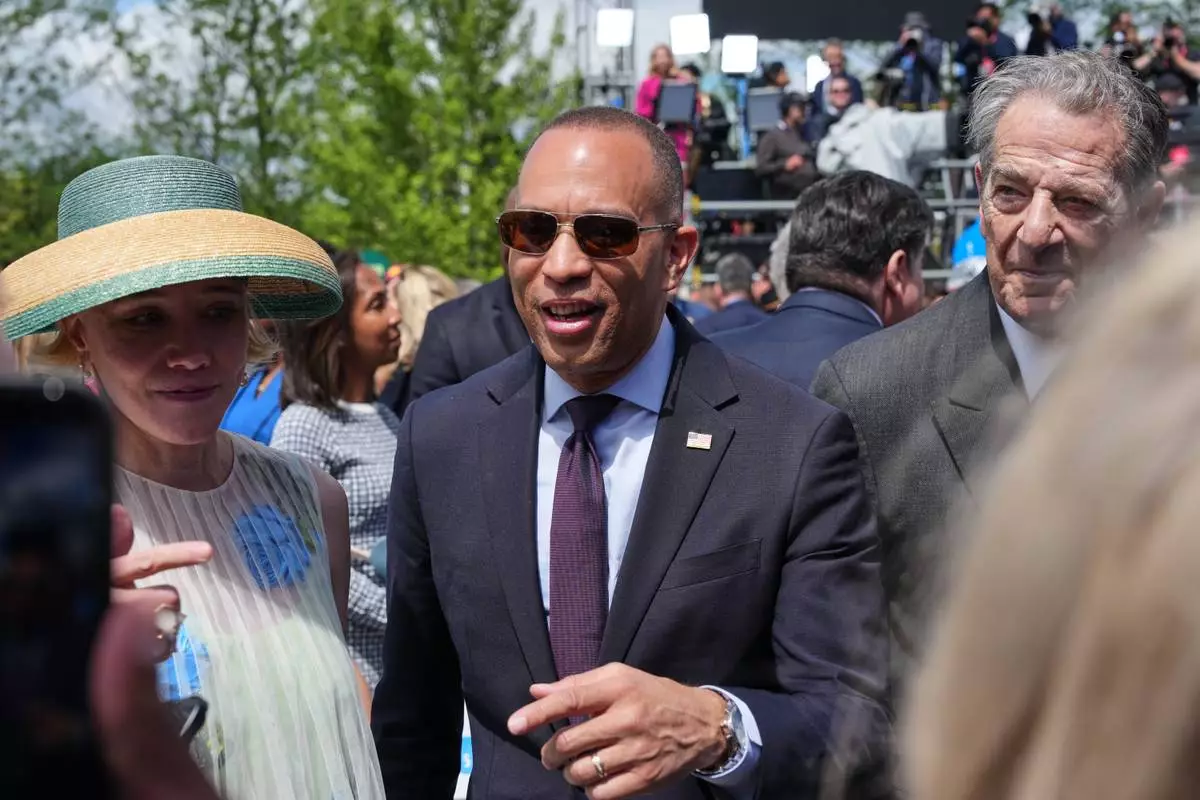
House Minority Leader Hakeem Jeffries, D-N.Y., arrives ahead of the Obama Presidential Center dedication ceremony Thursday, June 18, 2026, in Chicago. (AP Photo/Alex Brandon)
Amy Neville describes Kristin Bride as her “soulmate.” But the day that forged their bond — June 23, 2020 — was the worst of each of their lives.
Both Bride and Neville lost their teen sons that day. Their kids lived a thousand miles apart and never met, but they both died from harms related to their social media use.
When the two mothers met, early in their advocacy work to protect other kids, Bride said she had felt “totally alone.” But they have since seen the online child safety movement blossom, with scores of other parents who lost kids pursuing stronger social media safeguards and legislation to protect children online.
With that momentum, advocates say the tide seems to be turning. A pair of landmark jury verdicts this year showed a way forward for holding tech companies accountable. And while the U.S. is nowhere near embracing social media bans for children like those seen from Australia to Indonesia, a push for regulation is simmering again in Congress.
“Moving forward for me, it’s this groundswell. We now have the court of public opinion on our side, and that is powerful. That has brought things to the next level,” Neville said in an interview.
Her son Alexander Neville was “brilliant and intense,” Neville said, with an entrepreneurial spirit and “the best laugh in the world.” When he was 14, a drug dealer connected with him on Snapchat and sold him the pill that killed him. Carson Bride was the “bright light” of his family, a funny and caring kid who loved connecting with people, his mother said. He died by suicide at age 16 after severe cyberbullying.
The teenagers were honored in Washington, D.C., on Tuesday alongside 270 other children and young people who died because of online harms. It was the sixth anniversary of the boys' deaths, a date their families have worked to establish as Social Media Victims Remembrance Day.
Growing awareness of the dangers social media poses for young, developing brains has shown up in a wave of new restrictions globally. Australia, the U.K., Turkey, Indonesia and others have passed bans on kids under 16 or 15 from using platforms like TikTok, YouTube and Instagram.
In the U.S., the movement turned a corner with two jury verdicts against Meta and one against Google that galvanized proponents for kids' online safety. Evidence in the court cases revealed some of the tech companies' inner workings, including communications of employees who likened their products to drugs and casinos.
That the Los Angeles trial accusing social media platforms of causing deliberate harm to children was allowed to move forward was itself a watershed movement, said Matthew Bergman, head of the Social Media Victims Law Center, which represents more than 1,000 plaintiffs in lawsuits against social media companies.
Section 230 of the 1996 Communications Decency Act shields tech companies from legal responsibility for posted content. It has been a barrier to accountability but lawsuits are side-stepping its protections by focusing on the companies' deliberate design choices rather than content.
"It is still a hurdle, but it is no longer a barrier,” Bergman said.
In the U.S., federal legislation of social media has moved at a glacial pace. The Children’s Online Privacy Protection Act, which took effect in 2000, requires kid-oriented apps and websites to get parents’ consent before collecting personal information of children under 13.
This week, lawmakers in the House unveiled a bipartisan deal called the Kids Internet and Digital Safety Act. It includes portions of the the Kids Online Safety Act, or KOSA, which passed the Senate in 2024, but critics say it’s been stripped of its most important part — a provision called “duty of care,” a legal term that requires companies to take reasonable steps to prevent harm.
“Without a duty of care, Big Tech companies will maintain the status quo of putting profit before the safety of our children,” Sen. Marsha Blackburn, R-Tenn., said in a statement.
Bride said advocates have to employ a three-prong approach, utilizing legislation, litigation and education. That way, “when one stalls, like legislation,” Bride said, “then we have the trials and we have litigation. So we keep pressing forward. We’re not going to give up.”
Representatives from Meta, YouTube and TikTok did not immediately respond to messages for comment. Snap said in a written statement that it works continuously to strengthen safety protections across its platform.
Over the years, social media platforms have introduced some safety features including separating minors into teen accounts and providing even tighter restrictions for younger teenagers. Instagram, for instance, now restricts teen accounts to viewing content that aligns with “PG-13” ratings and accounts are set to private and can’t be messaged by strangers. YouTube has a separate kids app and parental controls on its regular platform that allow for “supervised kid accounts” for preteens who have aged out of YouTube kids.
But child advocates say there’s still a long way to go.
“Their fundamental incentive to design products that maximize engagement has not changed," Bergman said. "Yes, there have been some improvements. A 13-year-old child is not by default provided with an open account for adult predators to prey upon. So, you know, there are baby steps, but there are steps in the right direction. We just need more of them.”
Since 2024, the Senate has passed a resolution annually to recognize June 23 as Social Media Harms Victim Remembrance Day, which honors the lives of those who died because of online harms including suicide, drug poisoning, cyberbullying and dangerous social media challenges.
Alongside several parents and advocates who spoke at the event Tuesday evening — including Bride and Neville — senators called for urgent action.
Sen. Amy Klobuchar, D-Minn., advocated for the repeal of Section 230. Sen. Richard Blumenthal, D-Conn., said advocates and lawmakers need to “fight like hell for the living.” Sen. Josh Hawley, R-Mo., assailed his fellow Congress members for not doing more, saying “we all know why” they haven't acted.
“It’s the same reason that the companies want the kids online, want their privacy destroyed, want all their information — it’s money,” Hawley said, noting the technology industry provides campaign contributions to lawmakers and spends millions on lobbying annually.
The Senate Judiciary Committee has invited the CEOs of Meta, Alphabet, TikTok and Snap to testify at an upcoming hearing about children's safety on their platforms. The committee has suggested the U.S. is reaching a tipping point for awareness of the risks of social media, asking in the hearing title, "Is This Social Media’s Big Tobacco Moment?”
Bride and Neville will attentively listen to what the tech CEOs say under oath — as they did during a similar hearing in 2024 and many other events related to kids online safety — and they remain optimistic.
Neville said she feels that “every morning I wake up, lives are on the line. If we’re not talking about these things, if we’re not doing something about it, lives are on line,” she said. “And that’s probably not good for my nervous system, but that’s the state that I’ll live in until I’ll probably die on this hill.”
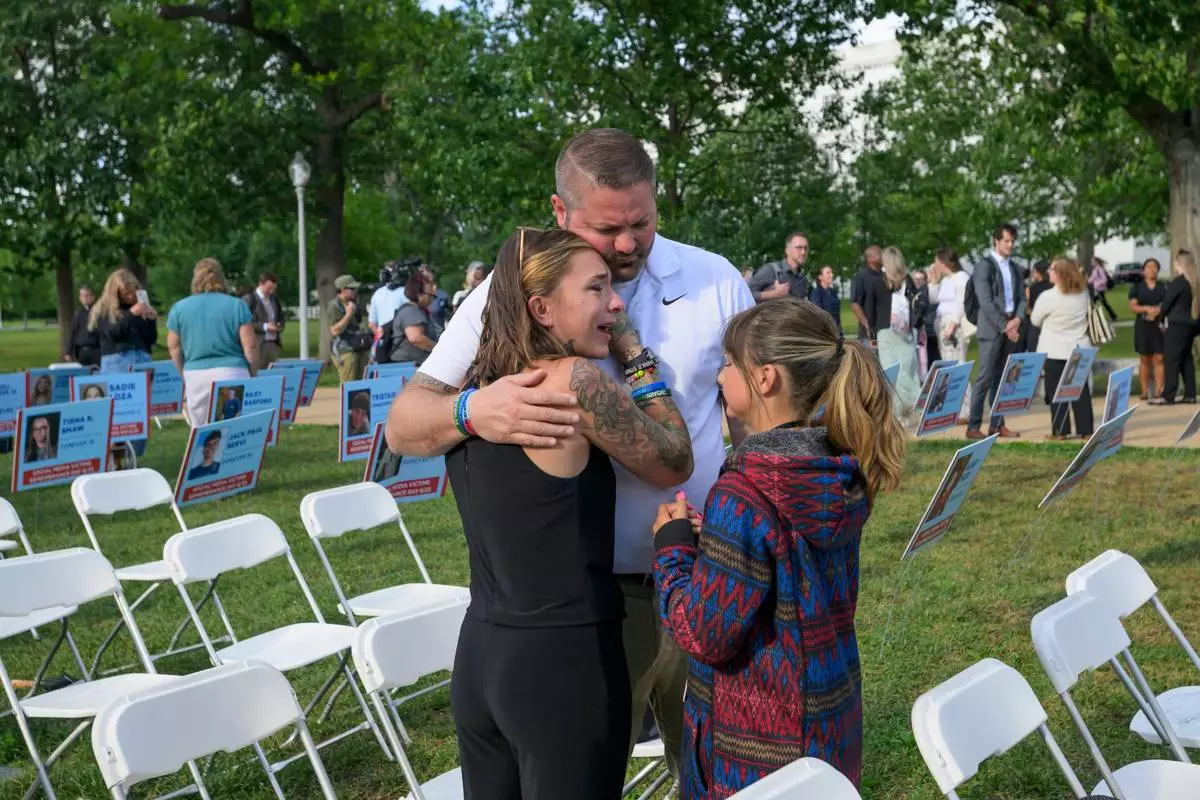
Brittney Bird, from left, is comforted by her husband Luke Bird and daughter Aurora Bird as they remember her son Bradyn Bohn, 15, during a Social Media Victims Remembrance Day memorial on Capitol Hill, Tuesday, June 23, 2026, in Washington. (AP Photo/Rod Lamkey, Jr.)
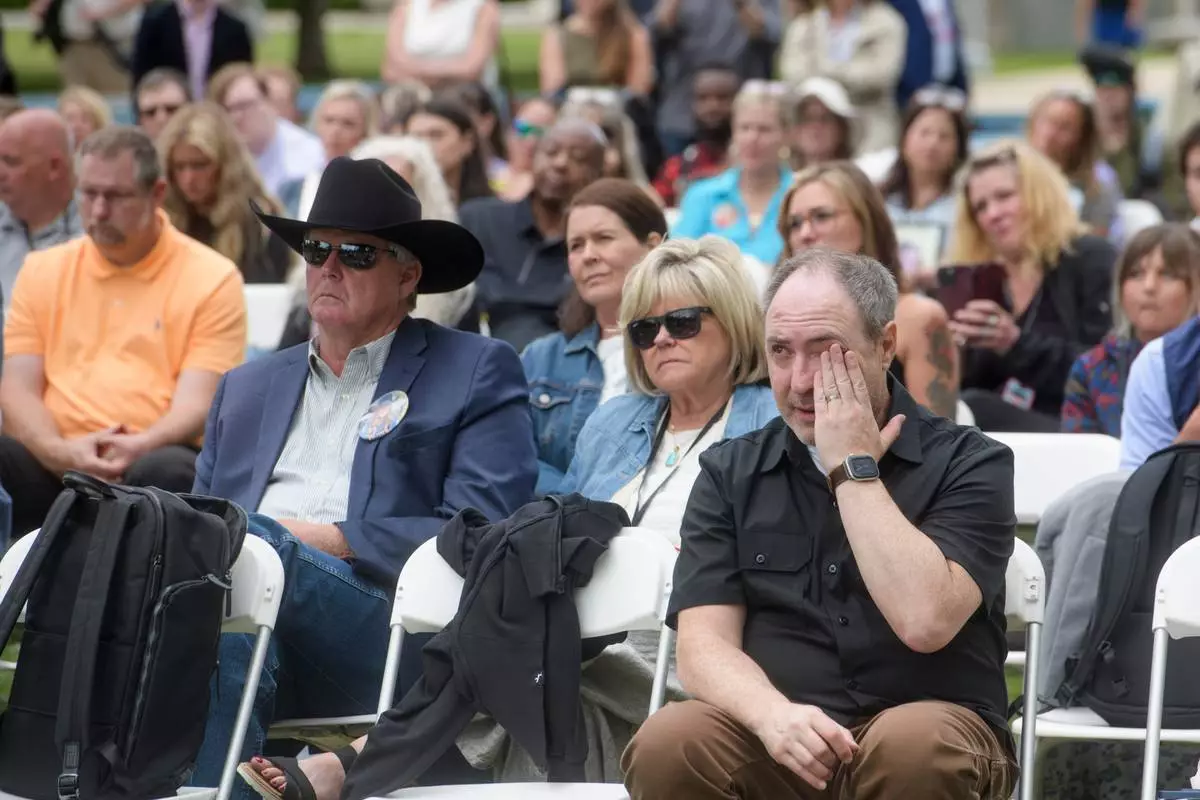
Aaron Neville, father of 14-year-old Alexander Neville, who died from fentanyl poisoning after being deceived by a drug dealer operating on Snapchat, wipes tears from his eyes during a Social Media Victims Remembrance Day memorial on Capitol Hill, Tuesday, June 23, 2026, in Washington. (AP Photo/Rod Lamkey, Jr.)
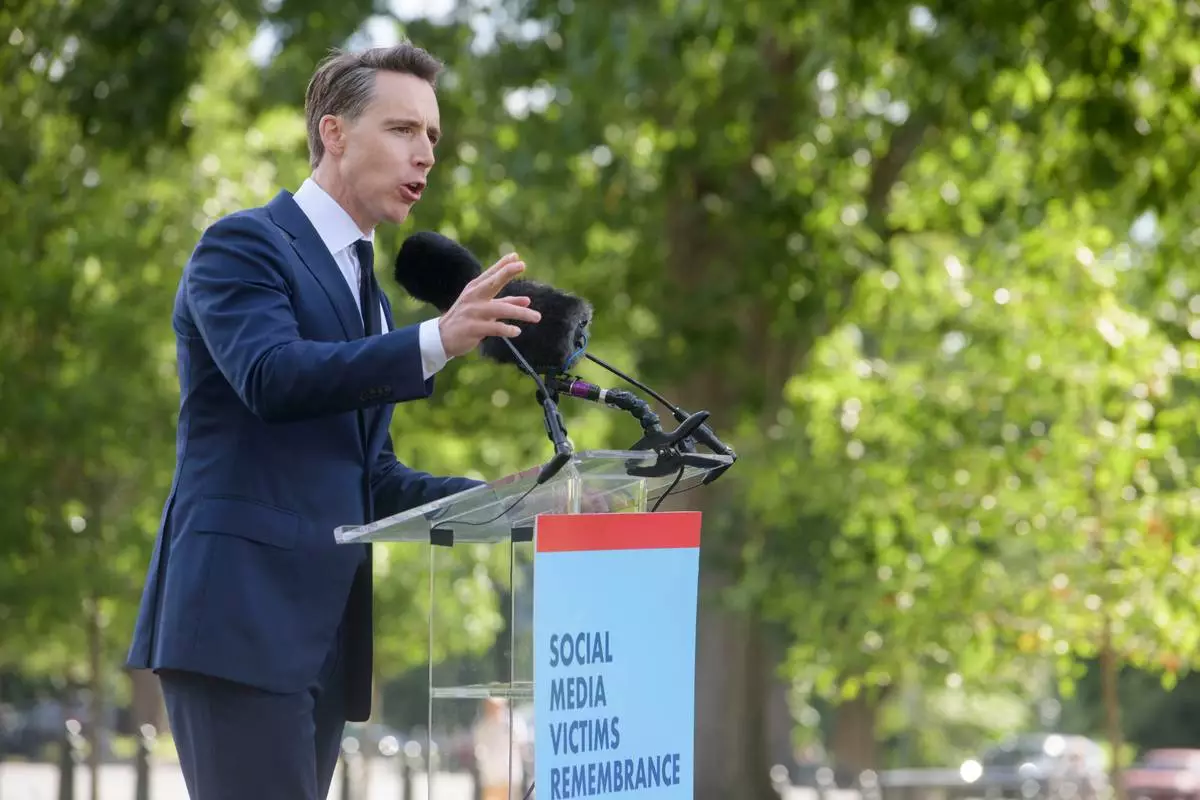
Sen. Josh Hawley, R-Mo. speaks during a Social Media Victims Remembrance Day memorial on Capitol Hill, Tuesday, June 23, 2026, in Washington. (AP Photo/Rod Lamkey, Jr.)
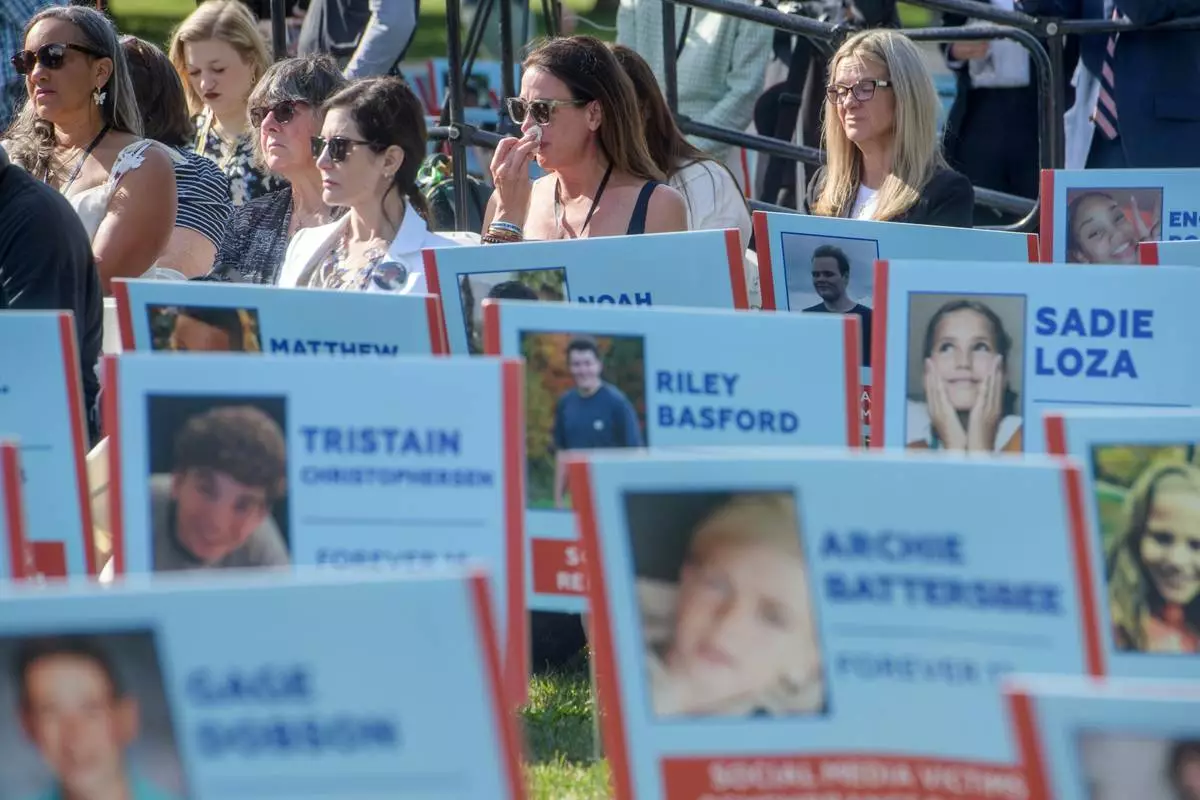
Carrie Baeten, second from right, remembers her 18-year-old son Jack McDonough, during a Social Media Victims Remembrance Day memorial on Capitol Hill, Tuesday, June 23, 2026, in Washington. (AP Photo/Rod Lamkey, Jr.)
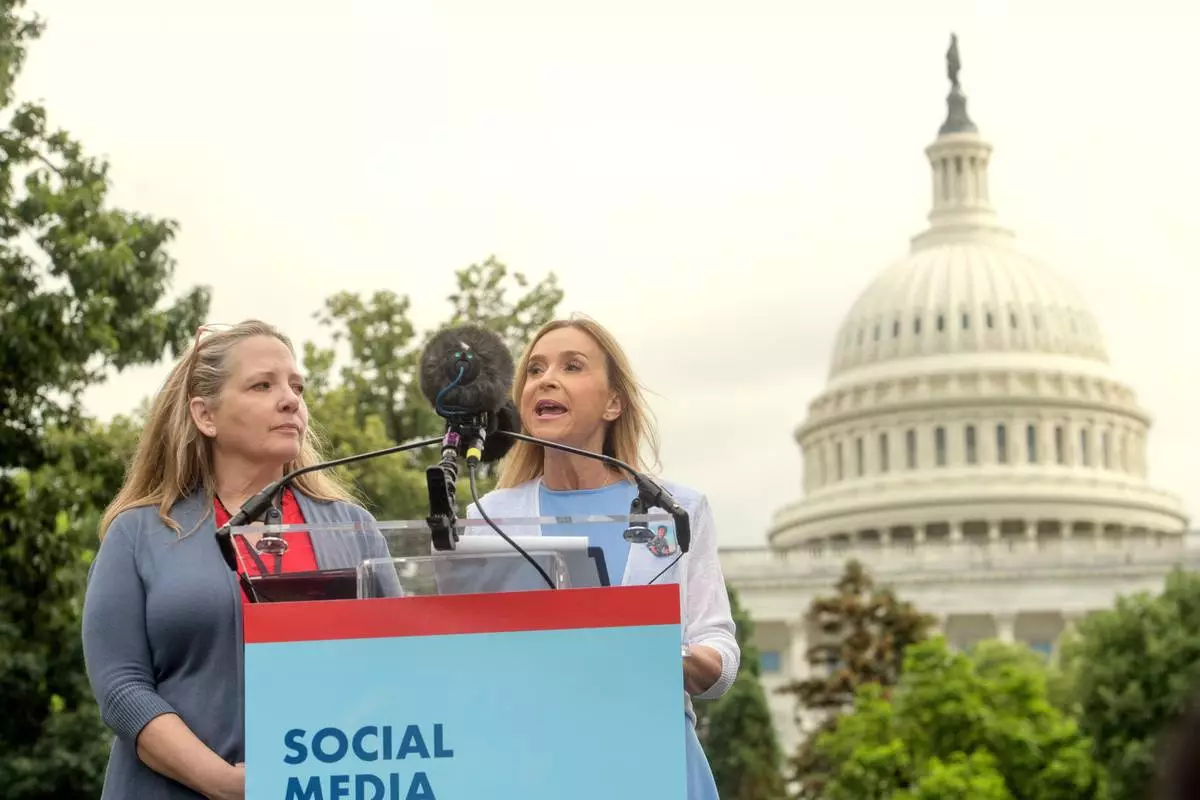
Kristin Bride, right, mother of 16-year-old Carson Bride, who died by suicide after being cyber-bullied on an anonymous app on Snapchat, is joined by Amy Neville, left, mother of 14-year-old Alexander Neville, who died from fentanyl poisoning after being deceived by a drug dealer operating on Snapchat, during a Social Media Victims Remembrance Day memorial on Capitol Hill, Tuesday, June 23, 2026, in Washington. (AP Photo/Rod Lamkey, Jr.)