MIAMI GARDENS, Fla. (AP) — If the World Cup was the NCAA basketball tournament, then teams like Morocco and the Netherlands would have some serious anger toward the selection and seeding committee right now. England, Mexico, Portugal and Spain might not be all that happy, either.
Lionel Messi and Argentina, on the other hand, probably wouldn't complain much about their potential path to the World Cup final four.
Click to Gallery
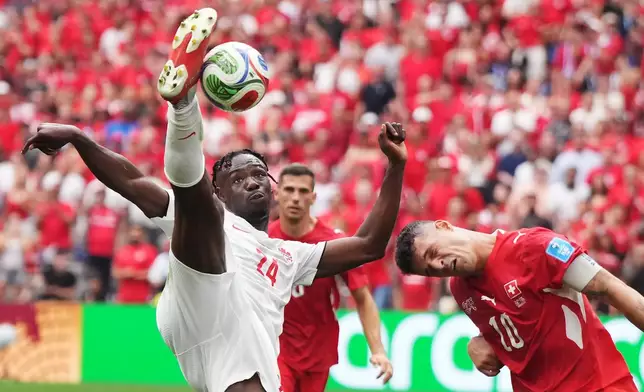
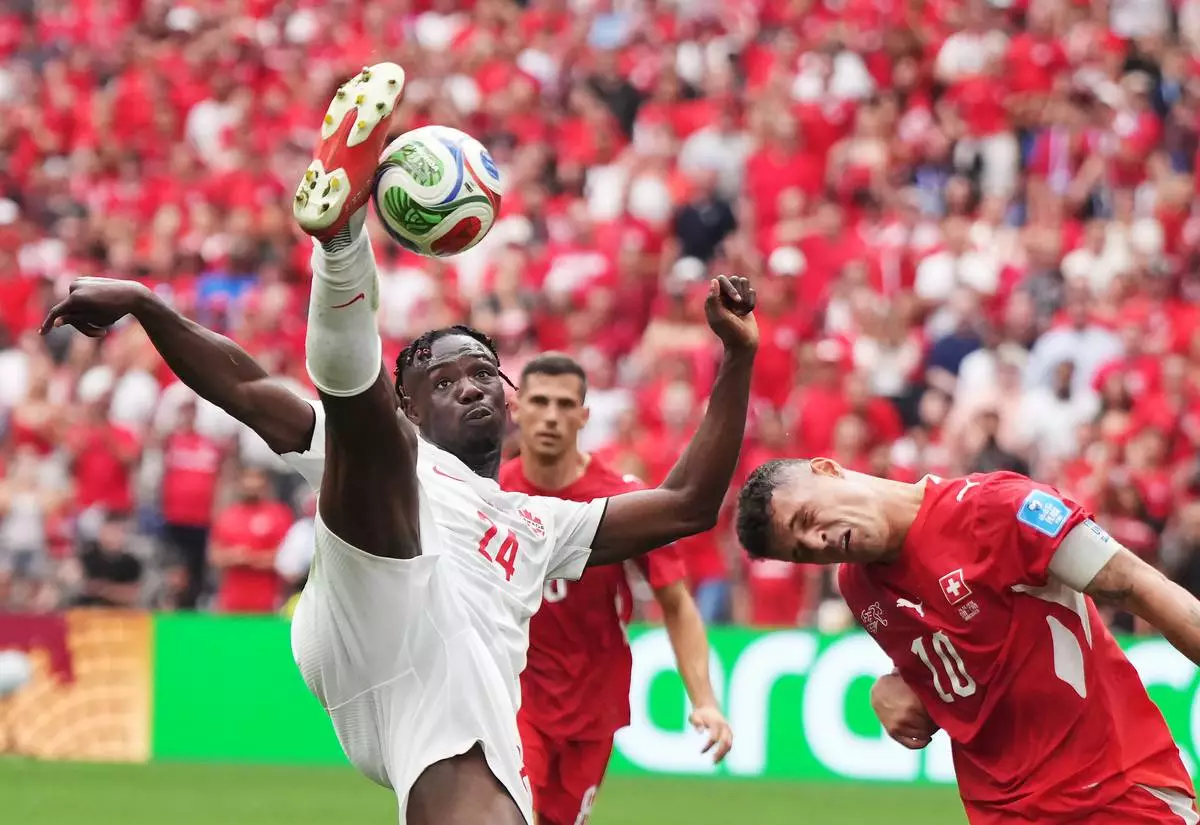
Canada's Promise David (24) takes a shot on goal as Switzerland's Granit Xhaka (10) defends during the World Cup Group B soccer match between Switzerland and Canada in Vancouver, British Columbia, Wednesday, June 24, 2026. (Darryl Dyck/The Canadian Press via AP)

American singer Dan Reynolds of Imagine Dragons performs at the World Cup Fan Zone in Monterrey, Mexico, Sunday, June 21, 2026. (AP Photo/Matias Delacroix)
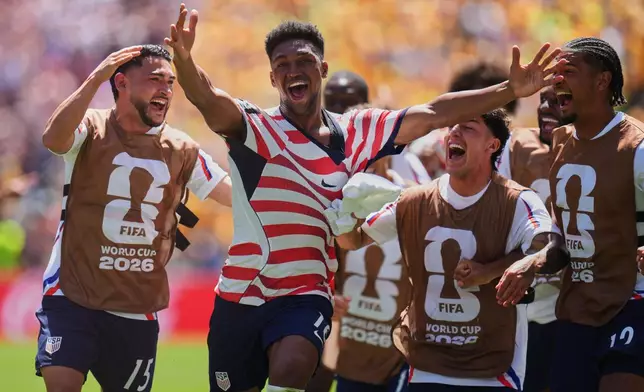
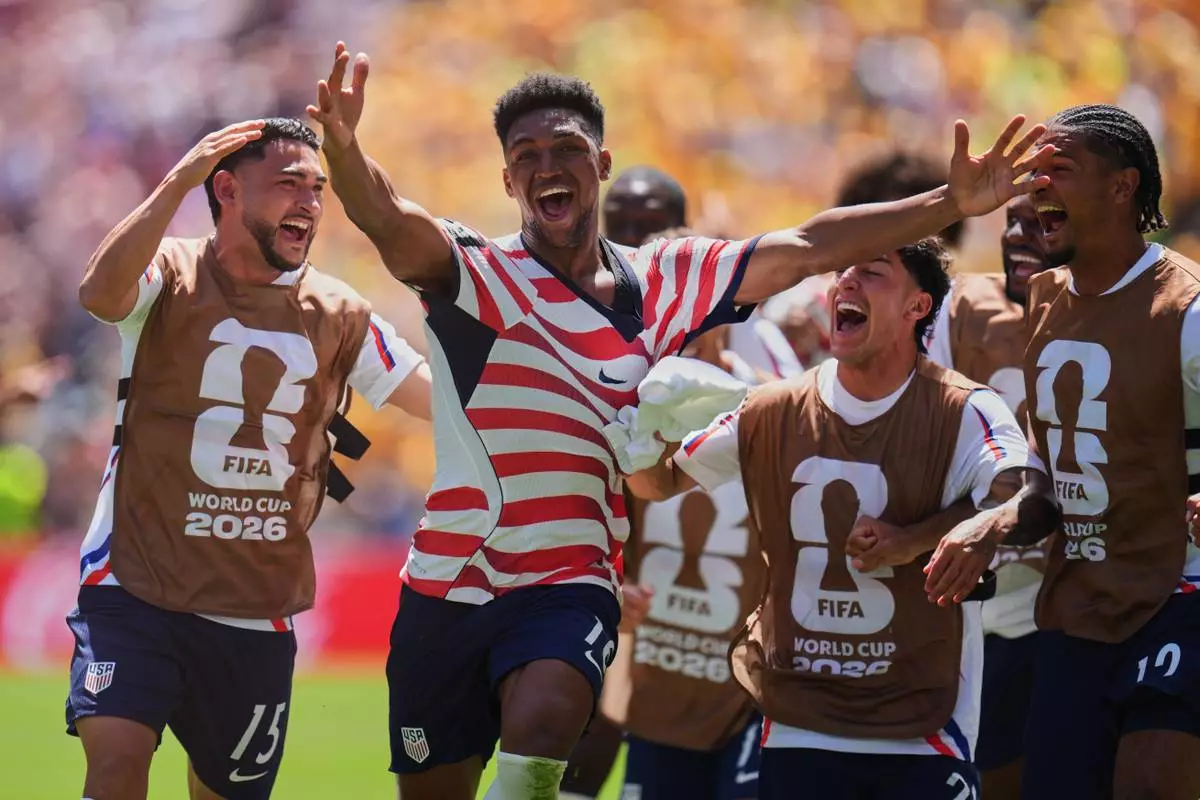
United States' Alex Freeman (16), second left, celebrates after scoring his side's second goal during the World Cup Group D soccer match between the United States and Australia in Seattle, Friday, June 19, 2026. (AP Photo/Manu Fernandez)
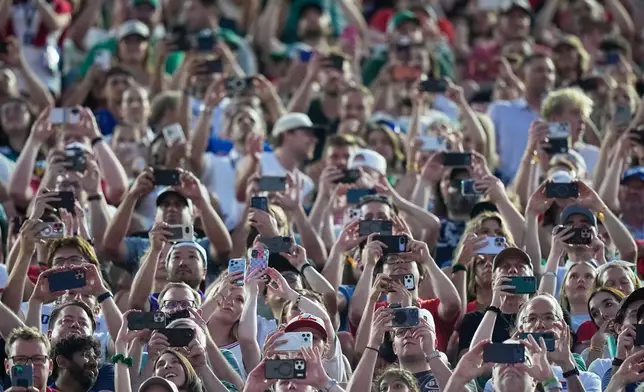
Fans hold their cell phones during the World Cup Group J soccer match between Algeria and Austria in Kansas City, Mo., Saturday, June 27, 2026. (AP Photo/Charlie Riedel)
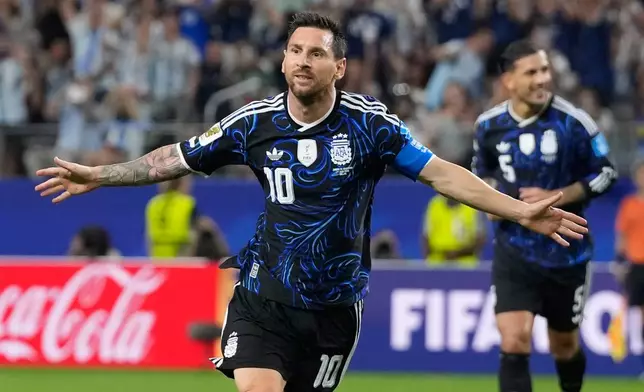
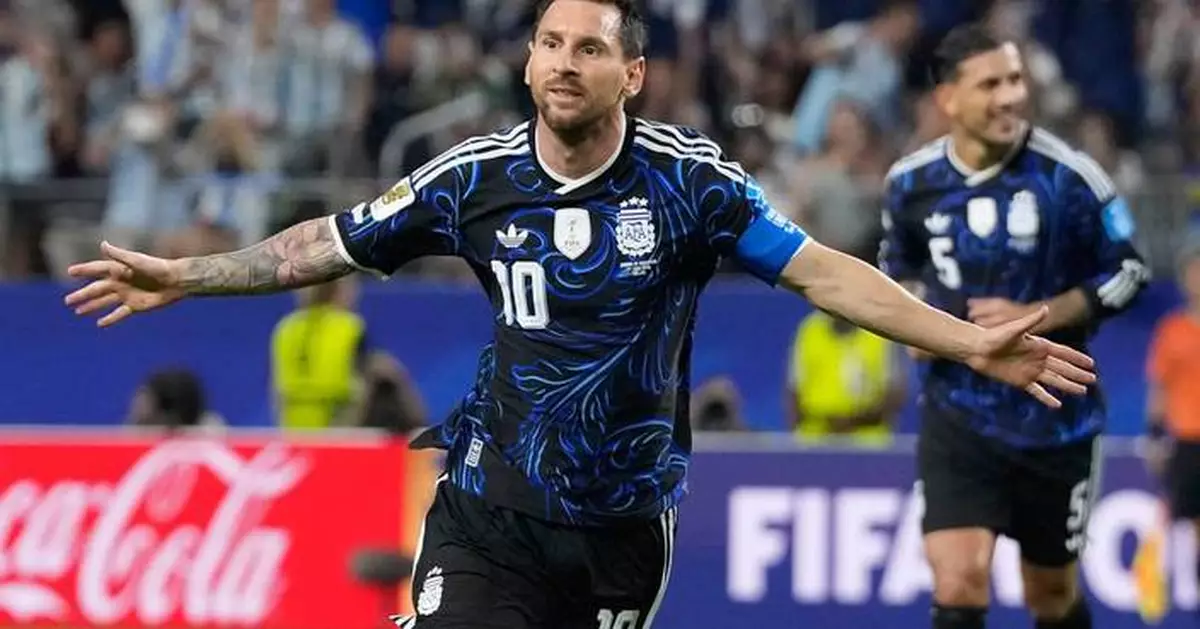
Argentina's Lionel Messi (10) celebrates scoring his side's 3rd goal during the World Cup Group J soccer match between Jordan and Argentina in Arlington, Texas, near Dallas, Saturday, June 27, 2026. (AP Photo/Tony Gutierrez)
The bracket is set for the knockout stage of the World Cup. There was no selection committee; slots were predetermined — Group A winner on this line, Group D runner-up on this line, etc. — so it wasn't exactly like how the NCAA tournaments go. And FIFA doesn't reseed like some sports, so a couple lower seeds are certain to get into at least the Round of 16.
So, when taking the 32 qualifiers for the knockout stage and ranking them like it's an NCAA tournament — essentially seeding the field 1 to 32 based on the FIFA live rankings entering Sunday — it's easy to see why some “regions” might be tougher to navigate than others.
A breakdown of the World Cup bracket:
— Quarterfinal: July 9 at Foxborough, Massachusetts.
— Round of 32 matchups: No. 12 Germany vs. No. 27 Paraguay, No. 2 France vs. No. 26 Sweden, No. 29 South Africa vs. No. 25 Canada, No. 7 Netherlands vs. No. 6 Morocco.
— Outlook: Netherlands vs. Morocco in the Round of 32 means that at least one of the seven highest-ranked teams left in the tournament won't even get to the Round of 16. France and Germany — perennial European powers — could meet in the Round of 16. And the South Africa-Canada winner might have to change time zones twice on its way to the quarterfinals, while Germany, Paraguay, France and Sweden will all be in either Massachusetts, New Jersey or Pennsylvania in the Rounds of 32 and 16.
— If the seeds hold: France would play Morocco in the quarterfinal.
— Quarterfinal: July 10 at Inglewood, California.
— Round of 32 matchups: No. 8 Portugal vs. No. 13 Croatia, No. 3 Spain vs. No. 18 Austria, No. 14 United States vs. No. 30 Bosnia and Herzegovina, No. 10 Belgium vs. No. 17 Senegal.
— Outlook: The U.S. gets one of the lowest-ranked teams left in the tournament to open the Round of 32 and would remain in the Pacific time zone until the semifinals. Cristiano Ronaldo and Portugal did not get an easy draw at all, with Croatia right off the bat and then potentially Spain in the Round of 16. (Can't imagine Spain is too thrilled with this, either.) Belgium vs. Senegal is in Seattle, and the winner will stay there to play the U.S. match winner; that's a big break for weary legs.
— If the seeds hold: Spain would play Belgium in the quarterfinal.
— Quarterfinal: July 11 at Miami Gardens, Florida.
— Round of 32 matchups: No. 5 Brazil vs. No. 16 Japan, No. 24 Ivory Coast vs. No. 19 Norway, No. 9 Mexico vs. No. 20 Ecuador, No. 4 England vs. No. 28 Congo.
— Outlook: Mexico and England will be heavily favored in their Round of 32 matches, then would be in line to go head-to-head in the Round of 16 — in what would be a road game at Mexico City for England. And Mexico is one of only two teams not to surrender a goal in the group stage, with Spain being the other. Brazil gets a bit of an easier path to the quarterfinals, opening with Japan and then — if it wins — drawing the Ivory Coast-Norway winner.
— If the seeds hold: Brazil would play England in the quarterfinal.
— Quarterfinal: July 11 at Kansas City, Missouri.
— Round of 32 matchups: No. 1 Argentina vs. No. 31 Cape Verde, No. 22 Australia vs. No. 21 Egypt, No. 15 Switzerland vs. No. 23 Algeria, No. 11 Colombia vs. No. 32 Ghana.
— Outlook: Again, there is no “selection committee,” but if there was it would have gotten this one right by putting the best goalscorer in Argentina's Lionel Messi against the tournament's best story in Cape Verde in the Round of 32. And Messi gets to be at home in Miami Gardens, a few miles from Inter Miami's stadium for that matchup. Australia or Egypt awaits the Argentina match winner, Switzerland-Algeria has potential for a lot of goals, and Colombia faces a Ghana team with nothing to lose.
— If the seeds hold: Argentina would play Colombia in the quarterfinal.
News and notes about the Round of 32 matchups:
— France, Mexico and Argentina were the only teams to escape group play with 3-0-0 records.
— There are four Round of 32 matchups between unbeaten teams: Netherlands (2-0-1) vs. Morocco (2-0-1), Belgium (1-0-2) vs. Senegal (1-0-2), Brazil (2-0-1) vs. Japan (1-0-2) and Argentina (3-0-0) vs. Cape Verde (0-0-3).
— Expect some goals in France vs. Sweden (combined 17 goals in the group stage), Netherlands-Morocco (16), Belgium-Senegal (14), Brazil-Japan (14) and U.S.-Bosnia and Herzegovina (13).
— On the flip side, the first goal of Mexico-Ecuador might be that match's decider. Mexico wasn't scored on in group play and Ecuador surrendered only two goals in those three matches.
— The semifinal matchups are the winner of the Foxborough quarterfinal against the winner of the Inglewood quarterfinal (at Arlington, Texas on July 14) and the winner of the Miami Gardens quarterfinal against the winner of the Kansas City quarterfinal (at Atlanta on July 15). The final is at East Rutherford, New Jersey on July 19.
See more of AP’s World Cup coverage here.
Canada's Promise David (24) takes a shot on goal as Switzerland's Granit Xhaka (10) defends during the World Cup Group B soccer match between Switzerland and Canada in Vancouver, British Columbia, Wednesday, June 24, 2026. (Darryl Dyck/The Canadian Press via AP)

American singer Dan Reynolds of Imagine Dragons performs at the World Cup Fan Zone in Monterrey, Mexico, Sunday, June 21, 2026. (AP Photo/Matias Delacroix)
United States' Alex Freeman (16), second left, celebrates after scoring his side's second goal during the World Cup Group D soccer match between the United States and Australia in Seattle, Friday, June 19, 2026. (AP Photo/Manu Fernandez)
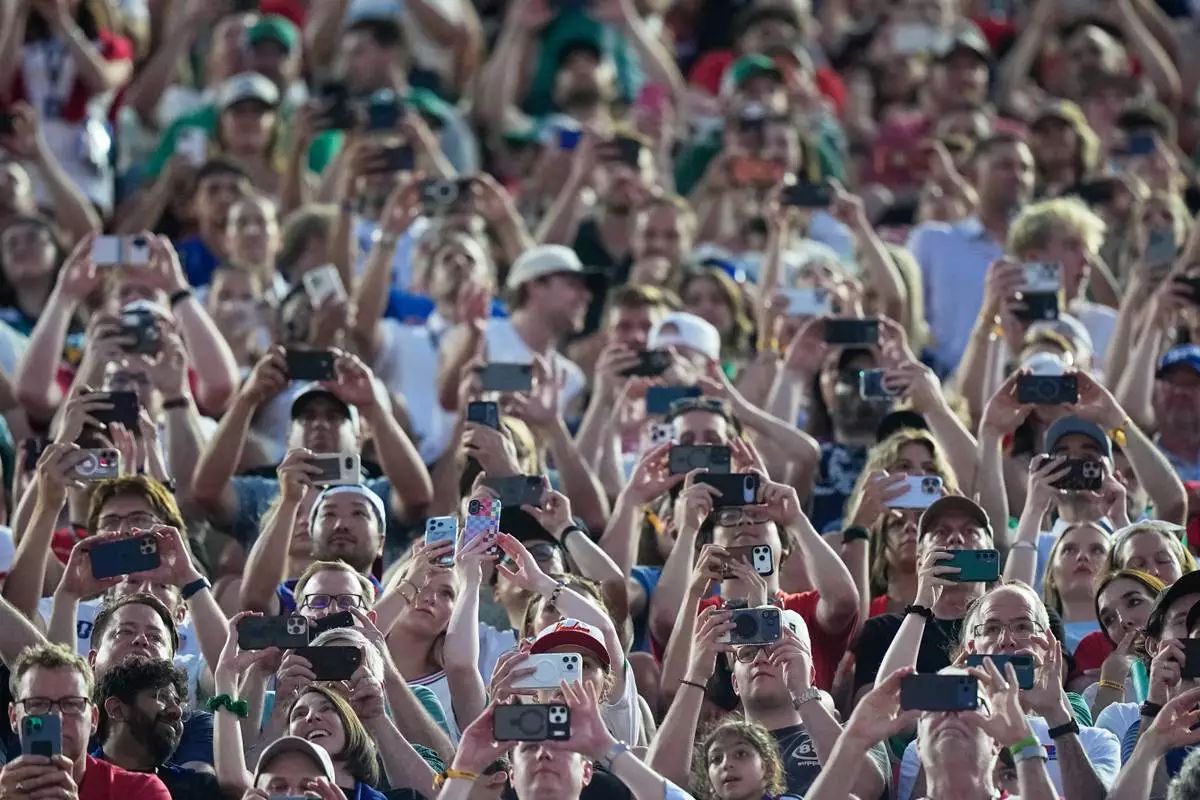
Fans hold their cell phones during the World Cup Group J soccer match between Algeria and Austria in Kansas City, Mo., Saturday, June 27, 2026. (AP Photo/Charlie Riedel)
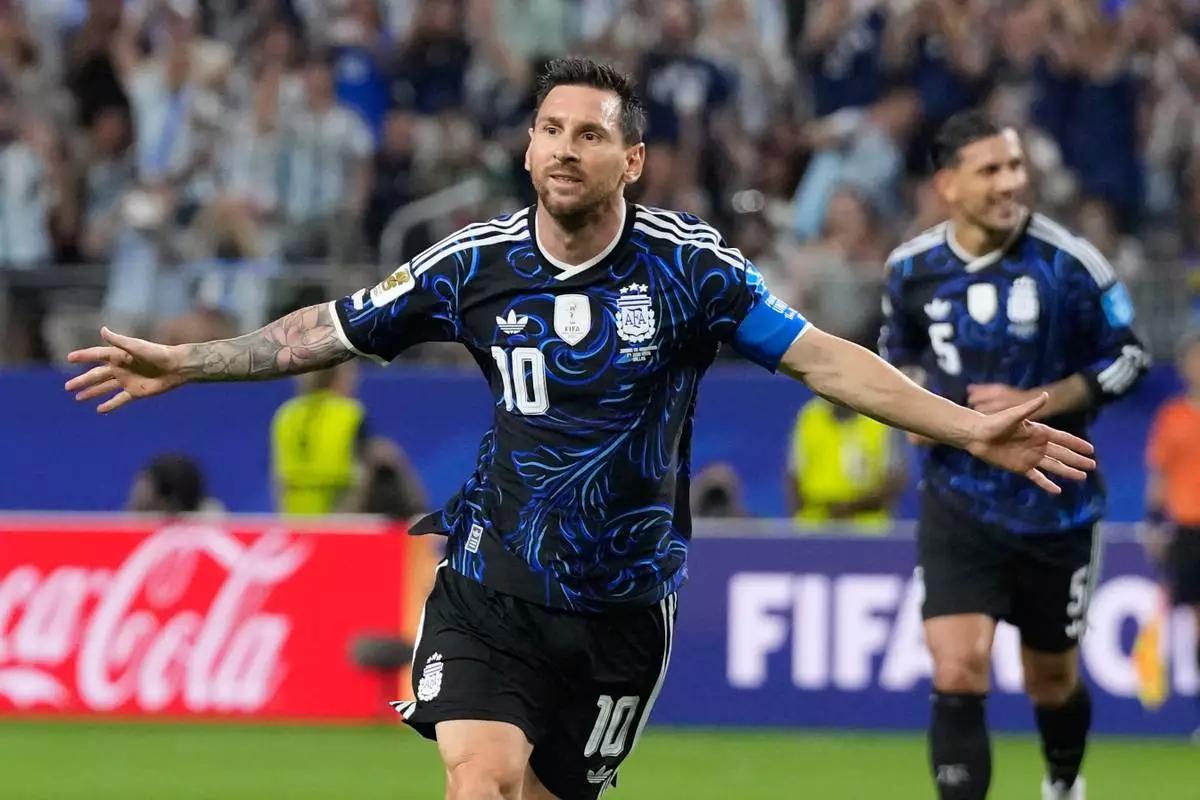
Argentina's Lionel Messi (10) celebrates scoring his side's 3rd goal during the World Cup Group J soccer match between Jordan and Argentina in Arlington, Texas, near Dallas, Saturday, June 27, 2026. (AP Photo/Tony Gutierrez)