PARIS (AP) — Every few minutes, the mortuary owner's phone rings. Since a record-smashing heat wave started taking lives and storage space for bodies in Paris and beyond, the funeral directors and mourning families calling him mostly have the same question: Do you have room for one more?
With all 32 places in his cold room taken, Zouhaeir Hertelli reluctantly has to gently say “Non,” over and over and over again.
Click to Gallery
FILE - Parisians bath in the Canal Saint-Martin in Paris, as the national weather service, Meteo France, placed 54 departments, about half the country, under a red heat wave alert, on June 23, 2026. (AP Photo/Christophe Ena, File)
FILE - A person cools off at Trocadero fountain near the Eiffel Tower during a heat wave in Paris, on June 24, 2026. (AP Photo/Christophe Ena, File)
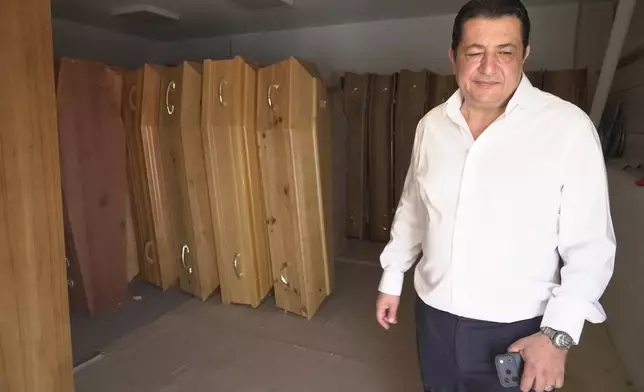
Zouhaeir Hertelli, a mortuary and funeral service director, walks out of his coffin storeroom near Paris’ Orly airport on Sunday, June 28, 2026. (AP Photo/John Leicester)
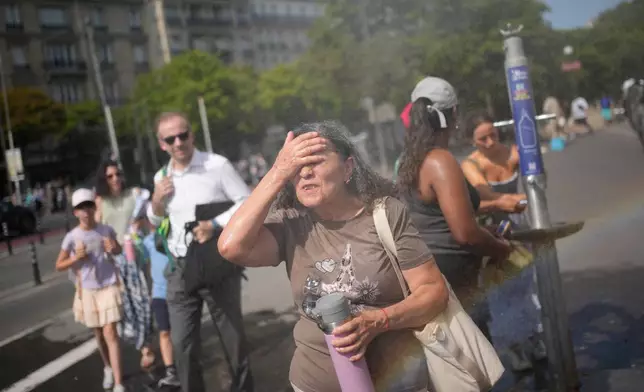
FILE - Tourists enjoy cooling off at a public water fountain In Paris, on June 26, 2026. (AP Photo/Christophe Ena, File)
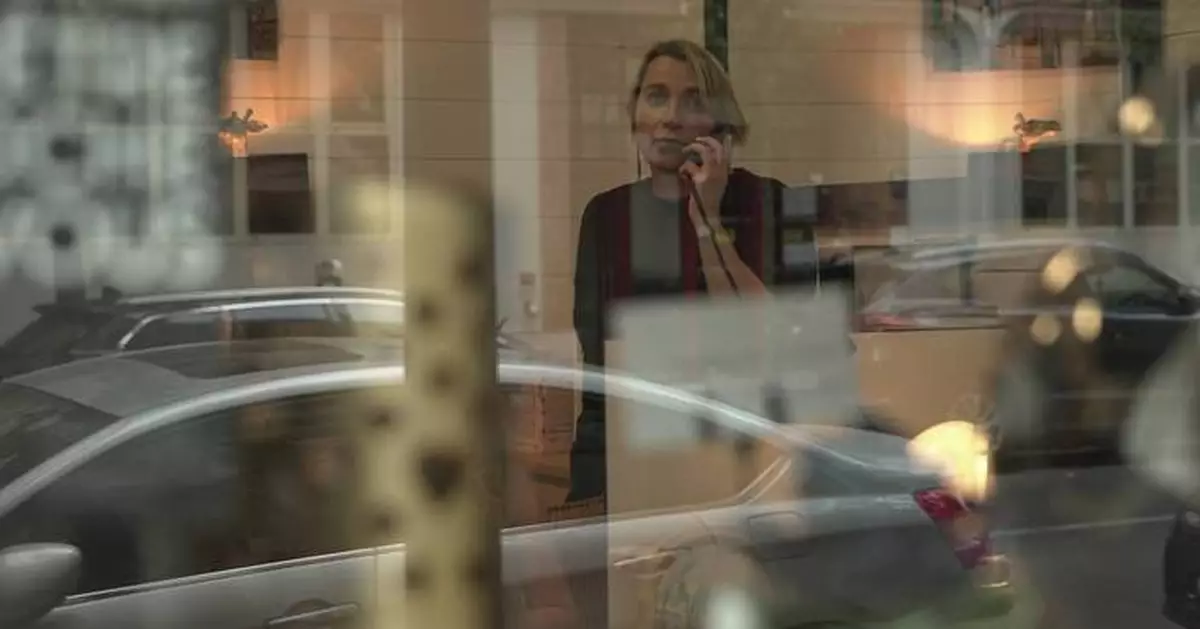
Véronique Bertrand, a funeral director, works the phones Sunday, June 28, 2026, at her office in Paris. (AP Photo/John Leicester)
“We're facing a really catastrophic situation," he said. “I'm getting hundreds of calls."
As the historic heat wave shifted its deadly temperatures eastward this weekend to other parts of Europe, France began counting the human cost it left in its wake.
The statistical and public health work of tallying heat-related deaths could take weeks or months. But it's already apparent that the toll exacted by the intense, unrelenting extreme temperatures was terrible in France, the first country hit from mid-June, particularly among older people who died at home.
“We're dealing with an enormous spike of deaths because of the heat wave and we're really full, full, full,” Hertelli said.
In its first preliminary estimate, the national public health agency said deaths surged during the heat wave's peak in France last week, which roasted most of Europe's largest country with temperatures that soared in many places above 40C (104 F) and also broke records for nighttime highs — an exhausting one-two punch for fatigued bodies.
Public Health France said there were more than 1,200 deaths last Wednesday, when France registered its hottest-ever day, breaking a record that had been set just the previous day.
Deaths then increased to more than 1,400 on Thursday and another 1,400 on Friday, it said. By way of comparison, the pre-heat wave death rate in April and May was around 900 to 1,000 per day, it said.
The agency cautioned that its estimate of at least 1,000 additional deaths during those three sizzling days alone is expected to increase as more death certificates come in for people who died at home and in care facilities for older people, where most deaths are still not registered electronically.
"Mortality will as a consequence be higher than these first figures,” the agency said.
It said that 85% of the deaths registered so far during the three days it studied involved people aged 65 and above and that there was a sharp increase in deaths at home — up by about 40% — particularly in the Paris region.
Hertelli and others in the funeral industry said Paris mortuaries quickly ran out of storage space. City Hall said two temporary storage units, with 20 places each, were installed for municipal mortuaries and that city hospitals provided another 50 additional places.
Still, Hertelli said funeral directors he spoke to told him they were having to store bodies as far away as Chartres — 80 kilometers (50 miles) from Paris — and in other regions around the capital. To open more space, he said he has asked authorities for permission to temporarily install refrigerated containers outside his mortuary, which is next to Paris' Orly airport, but is still waiting for a green light.
“Families are suffering,” he said. “We have no solution to offer them, because the funeral homes are full. So we are deeply affected, we have empathy for them, but there’s nothing we can offer. We are really facing a problem, a big problem," he said.
Historic high temperatures in 2003, surpassed this time, were blamed for 15,000 deaths, provoking a national reckoning about care of older people, who were particularly hard-hit. More than 5,700 deaths were also attributed to heat during an exceptionally hot summer last year.
Véronique Bertrand, a Paris funeral director, said she fears that lessons have been forgotten.
“Most of the deaths that we are dealing with at the moment were people who were living alone at home, isolated. Given the circumstances in which they were found, there can be no other conclusion than that these were deaths caused by the heat," Bertrand said.
“I think people absolutely need to wake up, that solidarity needs to come back, that what happened in 2003 led to a movement in that direction, with people thinking about their neighbors, of those around them who live alone and perhaps checking from time to time that they're drinking water and are being looked after," she said.
"With the passing years, we’ve perhaps forgotten that it could happen again and that things would even perhaps be worse.”

FILE - Parisians bath in the Canal Saint-Martin in Paris, as the national weather service, Meteo France, placed 54 departments, about half the country, under a red heat wave alert, on June 23, 2026. (AP Photo/Christophe Ena, File)

FILE - A person cools off at Trocadero fountain near the Eiffel Tower during a heat wave in Paris, on June 24, 2026. (AP Photo/Christophe Ena, File)
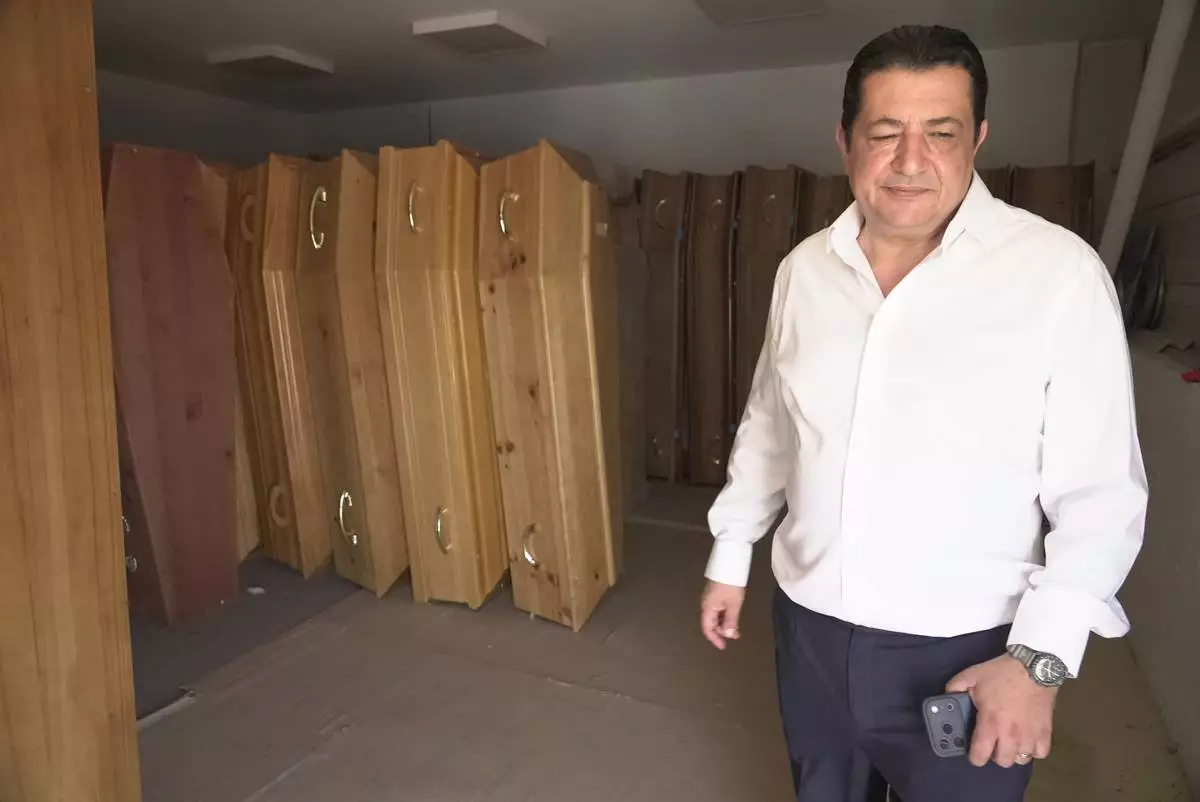
Zouhaeir Hertelli, a mortuary and funeral service director, walks out of his coffin storeroom near Paris’ Orly airport on Sunday, June 28, 2026. (AP Photo/John Leicester)
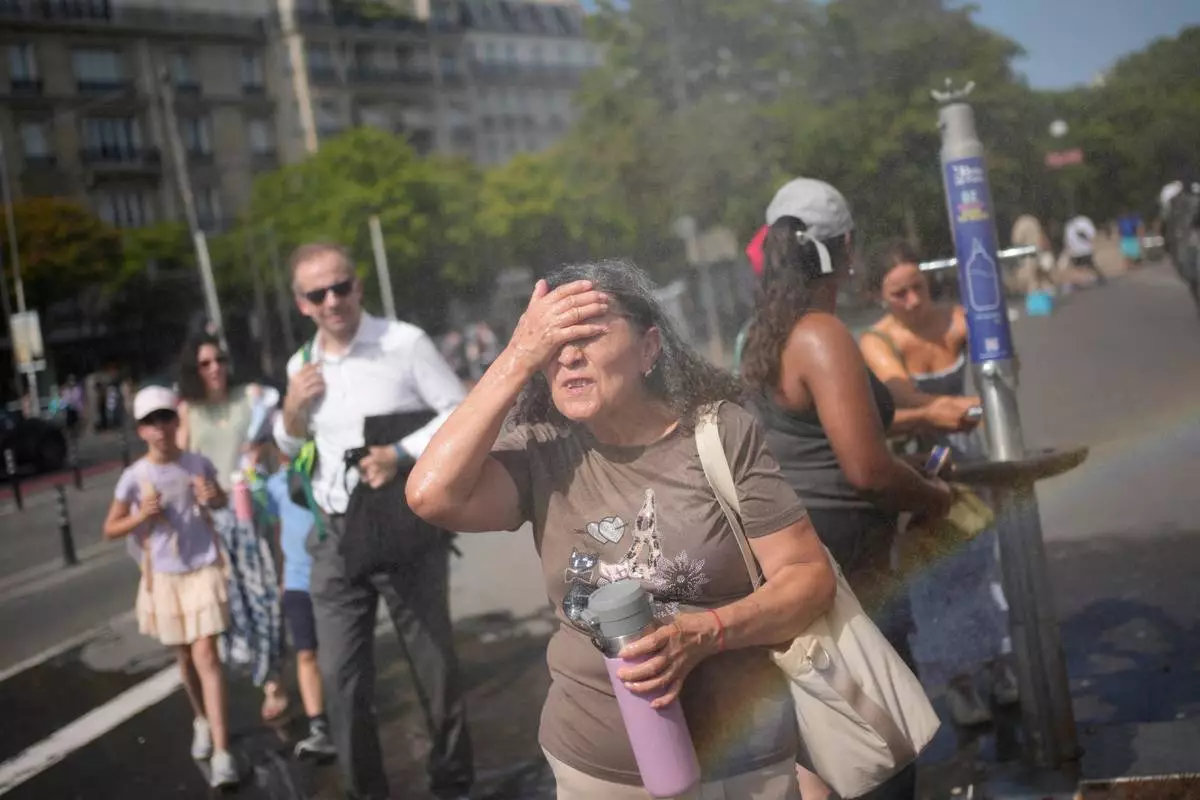
FILE - Tourists enjoy cooling off at a public water fountain In Paris, on June 26, 2026. (AP Photo/Christophe Ena, File)

Véronique Bertrand, a funeral director, works the phones Sunday, June 28, 2026, at her office in Paris. (AP Photo/John Leicester)
Associated Press (AP) — An attorney in Washington state promised “miracles” to tens of thousands of immigrants seeking legal status in the United States.
Instead, Alexandra Lozano created fake stories of domestic abuse and human trafficking to apply for humanitarian visas without her clients' knowledge, according to several lawsuits and a legal ethics investigation. They say she preyed on immigrants’ desperation to drain their bank accounts while leaving them at risk of deportation.
She is accused hiring workers who didn’t have proper legal credentials and building an assembly-line system to rush through applications, even copying clients’ signatures onto documents they never saw.
“I put the trust of my family with her,” 30-year-old Gabriel Martinez Garcia said. After they paid $30,000, he said Lozano duped his family and got his mother placed in removal proceedings despite her marriage to a naturalized U.S. citizen. “We believed in her and then she just let us down.”
Lozano's firm, Luz del Camino Legal, closed this month amid a barrage of allegations. She permanently surrendered her law license rather than face discipline from the bar association, and denies wrongdoing.
While federal data shows immigration service scams are rising sharply, Lozano’s alleged scheme stands out for its scale. The bar says her signature is on more than 53,000 pending cases.
It's unclear how many cases were fraudulent or to what extent her clients were complicit. The ones suing her say they had no idea.
The consequences of her downfall are hitting the immigration system “like a tidal wave,” said Erika Gonzalez, an attorney with the Coalition to Abolish Slavery and Trafficking.
The Trump administration last year started overhauling the humanitarian programs Lozano allegedly exploited, claiming a surge in applications since 2020 was a sign of widespread fraud. The administration tightened the programs' restrictions and slowed processing rates, which advocacy groups say will hurt legitimate victims.
Lozano specialized in getting visas through the Victims of Trafficking and Violence Protection Act of 2000 and the Violence Against Women Act of 1994, which covers all genders.
These programs seek to protect victims from having their immigration status weaponized by abusers. Evidence standards are more flexible, making the system more accessible to victims. But it's also easier for an unscrupulous firm to exploit, immigration attorneys say.
Lozano's firm probed clients for issues at home or work, then spun them as abuse cases that didn't meet the threshold for these humanitarian programs, according to attorneys representing dozens of her old clients.
Although clients quickly secured work permits, they often faced trouble years later when seeking permanent residency and their claims faced greater scrutiny.
Angelo Calfo, an attorney representing Lozano, said clients were expected to review their applications before signing and blamed them for any false statements.
“Alexandra’s practice has always been to fight for her clients, zealously pursue every lawful option available to them, and support their efforts to build lives in this country,” his statement said.
The bar accused Lozano of fraud in May and her firm shut down June 10. She’s being investigated by the fraud unit of U.S. Citizenship and Immigration Services, according to emails obtained by The Associated Press. The Department of Homeland Security, which runs the immigration agency, declined to comment.
At least 920 immigration service scams were reported in 2025, which is more than the first three years of the Biden administration combined, according to Federal Trade Commission data analyzed by the AP. Experts say that's probably an undercount, given immigrants’ reluctance to come forward.
Lozano is accused of enlisting hundreds of employees in Colombia, Mexico and Argentina to provide legal advice to clients and handle visa applications. That would mean clients never got consultations from a U.S.-licensed attorney.
“Alexandra was telling us to please invent more information about the abuse because it is not real abuse,” said Rafael Alvarez, who worked for Lozano from 2022 to 2024 in Colombia. “There were a lot of cases that were not true.”
Lozano's former chief operating officer, Amy Rios, testified in 2024 that the firm earned $1.7 million teaching other law firms its legal strategies for humanitarian visas and “changed the way many attorneys now approach immigration law.”
Recent lawsuits accuse at least two other firms in Texas and Ohio of replicating Lozano’s tactics, which they deny.
Erika Sanchez and her husband entered the U.S. unlawfully. Multiple lawyers told them there was no way to adjust their status from within the country.
But Lozano promised a successful outcome after just one consultation in 2020, according to a lawsuit the couple filed in May alongside seven other former clients.
The couple trusted the firm when it asked for their signatures on blank paper, Sanchez said, and lived on a tight budget to pay Lozano more than $32,000.
“We truly did believe that she was doing the right thing,” Sanchez said.
She added that they never saw the application submitted by the firm for her husband, which they later learned contained false claims that his teenage daughter abused him. He is now in removal proceedings.
Some former clients say they didn't discover the alleged fraud for years. Nora Murillo Moreno said the firm told her about the fake abuse claims on the day before her green card interview. She panicked.
“Should I say what really happened, or what is written?” Murillo Moreno said. “I knew things didn’t match.”
Attorneys suing Lozano say her rise parallels an exponential increase in visa applications for trafficking and domestic abuse cases.
Domestic abuse claims more than tripled between the 2020 and 2025 fiscal years, from nearly 15,000 applications to upward of 53,000 per year, according to immigration agency data. There were also nearly twelve times as many applications from parents alleging their child abused them.
During that same period, human trafficking claims jumped from around 1,000 applications to more than 37,000.
In December, the immigration agency said it would overhaul its domestic violence visa program due to “rampant fraud" based on the increase in filings, without offering other evidence. The changes include narrowing definitions of abuse and giving greater weight to evidence supplied by alleged abusers.
Cecelia Levin, an attorney with the nonprofit Alliance for Immigrant Survivors, said making these visas harder for actual abuse victims isn't the answer. Instead, the Trump administration should focus on enforcing the law against attorneys running scams, she said.
Immigration attorneys say Lozano’s social media was filled with red flags, like claiming the Virgin Mary blessed all her cases.
In 2023, the Washington bar said it had concerns about Lozano’s law practice but dismissed an ethics complaint against her on the grounds that she was protected by disclaimers, according to a document obtained by the AP. The complaint alleged deceptive advertising and other misconduct.
Sara Niegowski, a spokesperson for the bar, said it blocked Lozano from practicing law “as quickly as possible.”
Former clients are now scrambling to get their case files from the defunct firm. Hundreds showed up for recent consultations with volunteer attorneys in Washington and Oregon.
Many applied to join a lawsuit seeking financial compensation for legal malpractice. Another class action lawsuit aims to recoup their attorney fees.
Vicente Omar Barraza, an attorney behind the malpractice lawsuit, said hundreds of former clients told him they still don't know what Lozano's firm wrote in their applications. He’s worried many people lost viable pathways to legal status.
Garcia Martinez, who says his mother is in removal proceedings because Lozano mishandled her case, lives every day in fear that she will be deported.
“I’m just praying really, really, really hard for her,” Garcia Martinez said. “None of this should have happened.”
Associated Press writer Jesse Bedayn in Austin, Texas, and data journalist Aaron Kessler in Washington contributed to this report.
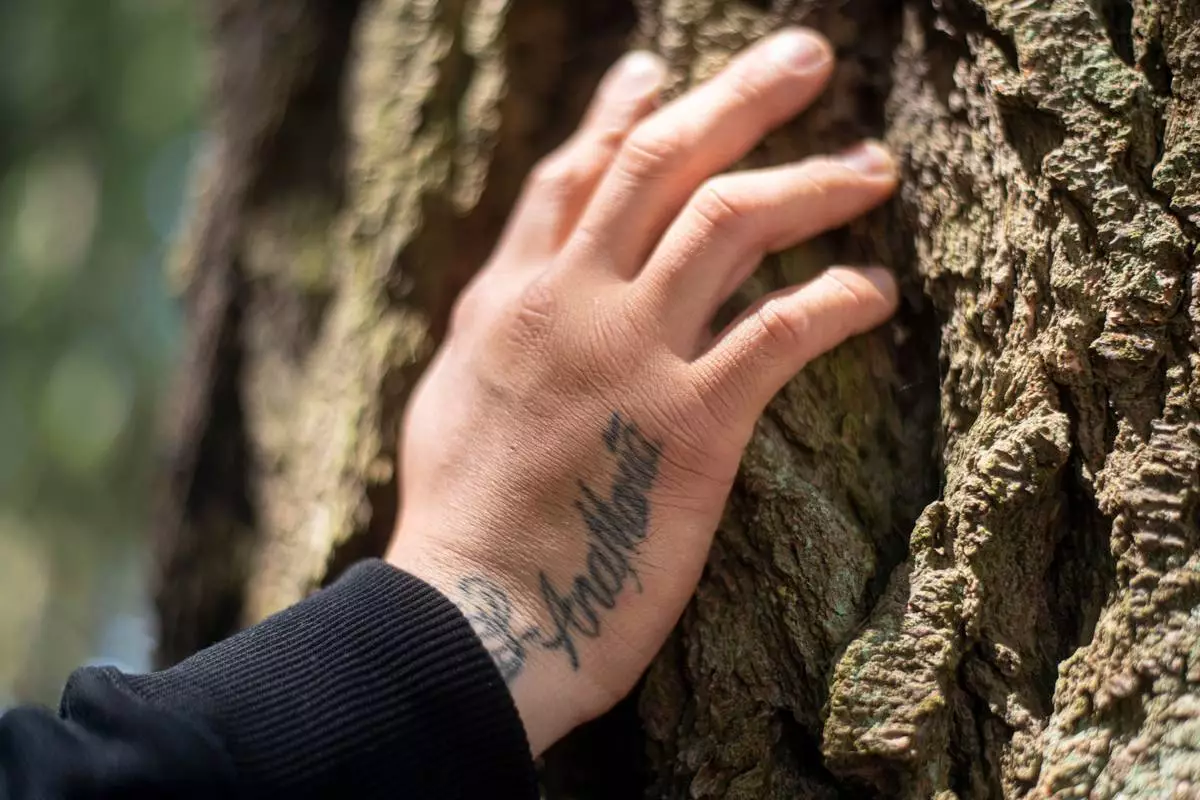
Gabriel Martinez Garcia rests his hand on a tree as his mother's name tattoo is visible on his wrist, in Tenino, Wash., on Sunday, June 14, 2026. (AP Photo/Akash Pamarthy)

The former office of Alexandra Lozano Immigration Law, now operating as La Luz del Camino Legal, on Sunday, June 14, 2026, in Tukwila, Wash. (AP Photo/Akash Pamarthy)

Gabriel Martinez Garcia, 30, holds a Hail Mary necklace given to him by his mother, which he wears every day, in Tenino, Wash., on Sunday, June 14, 2026. (AP Photo/Akash Pamarthy)
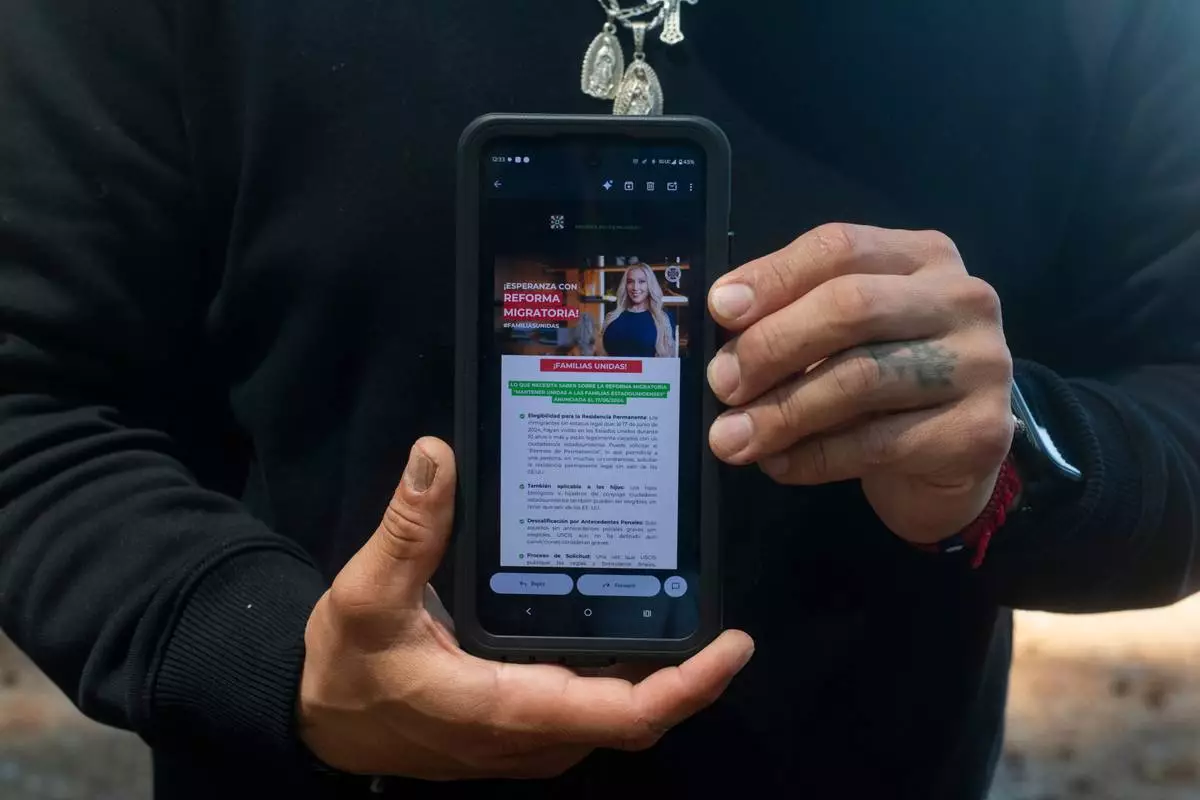
Gabriel Martinez Garcia, 30, poses with an email advertisement from attorney Lozano displayed on his phone in Tenino, Wash., on Sunday, June 14, 2026. . (AP Photo/Akash Pamarthy)
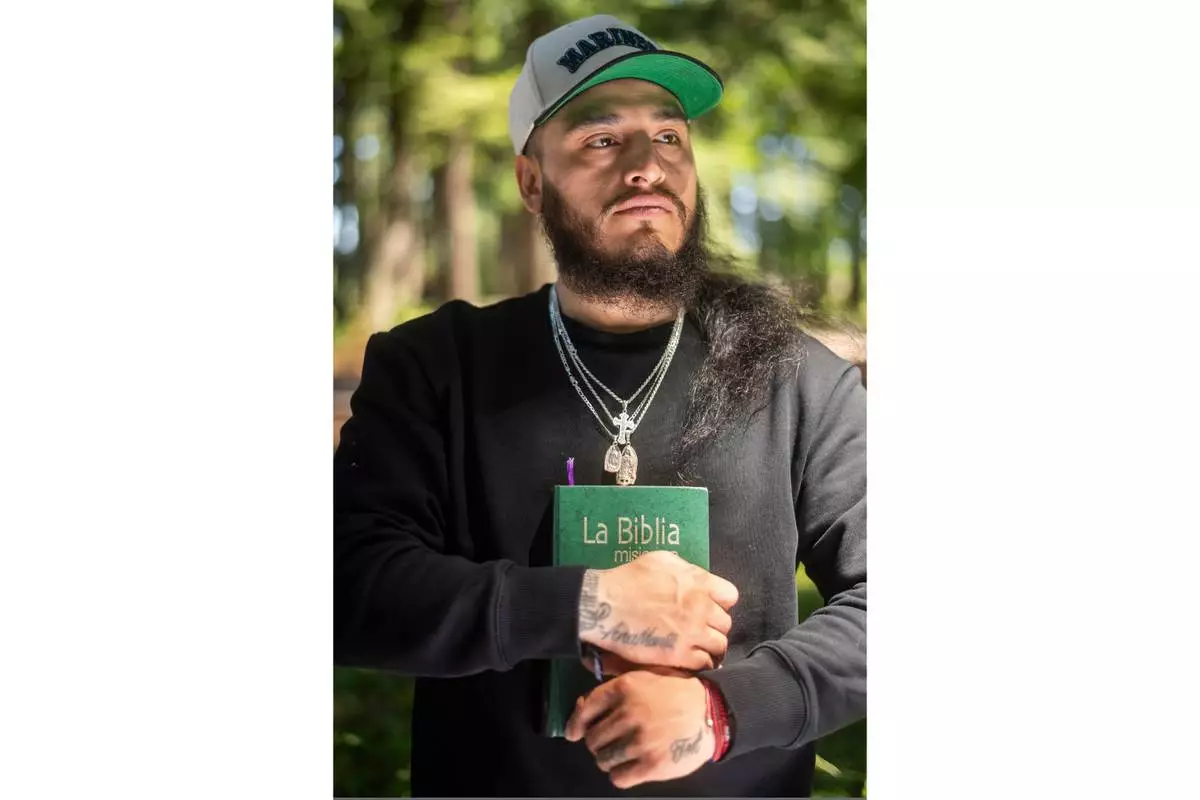
Gabriel Martinez Garcia, 30, holds a Bible close to his chest as tattoos of his parents are visible on his wrists, in Tenino, Wash., on Sunday, June 14, 2026. (AP Photo/Akash Pamarthy)