LONDON (AP) — WhatsApp users will soon get the option of going by usernames instead of phone numbers, the company said Monday, announcing plans to address a privacy blind spot.
The app said it has started allowing users to reserve unique usernames, which can be used to contact WhatsApp users when the feature is launched later this year.
WhatsApp, which says it has more than 3 billion users globally, has until now allowed users to be contacted by anyone who has their phone number.
The app, owned by Meta Platforms, said in a blog post that over the “coming months” users will get the option to be found and contacted only by their username, and not their number. It wasn't more specific about the timeline.
“We have designed this as a core privacy feature,” Alice Newton-Rex, WhatsApp's vice president of product, told reporters.
There won't be a directory of usernames on the app, and the app won't suggest names as you type.
“People will need to know your exact username to contact you for the first time,” she said.
WhatsApp's current privacy settings are limited to blocking individual users and silencing unknown callers. The app also allows users to add a profile name, but that's only displayed in chat groups for other people who don't have the user's contact info saved.
While Americans still prefer text messaging to WhatsApp, the app is widely used in Europe, Asia and much of the rest of the world.
Catchy online handles are highly coveted and users will likely scramble to claim a desirable one.
“I think a lot of people will go and get usernames and that’s why we decided to open reservations early,” Newton-Rex said.
Companies, organizations and creators with existing accounts on Meta's social media platforms, Instagram and Facebook, will get the chance to claim their usernames on WhatsApp.
Usernames need to be between three and 35 characters. To prevent impersonation, WhatsApp will hold back usernames for high-profile people or groups such as celebrities, public figures and government entities.

FILE - A WhatsApp icon is displayed on an iPhone, Nov. 15, 2018, in Gelsenkirchen, Germany. (AP Photo/Martin Meissner, File)
Cristiano Ronaldo walked out on Portugal’s training camp on Wednesday, hours after coach Jorge Jesus said the star forward would not start the game against Denmark in the Nations League on Thursday.
Ronaldo said that “in time” he would “tell the Portuguese people the truth about the reasons” behind his departure.
“Following the national team coach’s news conference, and after a conversation with the president of the Portuguese football federation, I decided to leave the national team’s training camp,” he said on Instagram, adding that he has always “dedicated” himself to the side.
“Now is the time to wish good luck to Portugal and to all my teammates, without exception.”
The Portuguese federation said only that Ronaldo left the training camp and that the team's preparations would continue with the remaining 24 squad members.
“The entire delegation remains fully focused on the national team’s upcoming fixtures and on achieving our goals,” the federation said.
Jesus had said in the pre-game news conference he was not planning to start Ronaldo, but dismissed the notion there was a feud between the pair.
Jesus said every player knows the coach makes the decisions, and that Ronaldo told him he would abide by whatever choices he makes.
The coach added the “rules are the same for everyone” and that Gonçalo Ramos would start up front against Denmark if everything went to plan.
“I don’t know what’s going to happen in the game,” Jesus said. “If we need him (Ronaldo) to play (at some point), he’ll play. If not, he won’t.”
Ronaldo, the all-time leading scorer in men’s international soccer with 146 goals and pursuing the milestone of 1,000 career goals, didn’t play on Sunday in Portugal’s 2-1 win over Norway. He has not trained with the rest of the group since, sparking widespread rumors about a possible feud with Jesus.
Jesus had said Al-Nassr forward Ronaldo would practice normally with the rest of the squad on Wednesday, but the player ended by leaving the training camp after the coach's words during the news conference.
The 41-year-old Ronaldo, who has 979 career goals, had said recently that this Saudi Pro League season is likely to be the last of his professional career.
Jesus, who worked with Ronaldo for about a year in Saudi Arabia, said the player did not refuse to practice after having been left on the bench.
“It seems like there was an issue between us, but there was no issue,” Jesus said. “I’m the one who makes the decisions and everybody knows that.”
Jesus acknowledged he had told Ronaldo he would likely play against Norway, but changed his mind because of the circumstances of the match.
He said it was a mistake to send Ronaldo to warm up for as long as he did and then not use him. Jesus added “any player” would be upset about that.
But Jesus did not apologize for telling Ronaldo that he was likely to play.
“I can promise whatever I want, I’m the coach,” Jesus said. “No player will ever make a decision for me.”
Jesus said, though, that someone with the stature of Ronaldo deserved a different type of attention from coaches “because of his career and history in soccer.”
Jesus, who took over the squad from Roberto Martínez after the World Cup, said he ended up being “obligated” to have a meeting with Ronaldo because of the noise created in Portugal over the situation.
But he maintained there was no “Ronaldo case” to talk about and there was nothing to solve between him and the player because nothing was wrong.
Jesus said it was normal that the federation president, Pedro Proença, also met with the pair.
“We had to talk the three of us, but I had already talked with Chris and the president didn’t have to solve anything because there was nothing to solve,” Jesus said.
Ronaldo started Portugal’s 1-0 win over Wales last Thursday but was substituted in the 67th minute. On Tuesday, he posted on Instagram a photo of him wearing the kit accompanied by the country’s flag and a heart emoji.
Portugal leads Group A4 of the Nations League with six points from two matches, three points more than Denmark and Norway. Wales is last with no points.
Portugal also hosts Norway on Sunday.
It was not immediately clear whether Ronaldo’s departure would extend beyond the current international break.
Wednesday's news comes just as Ronaldo's long-time rival, Lionel Messi, is set for his farewell match with Argentina next week.
See AP’s full soccer coverage here
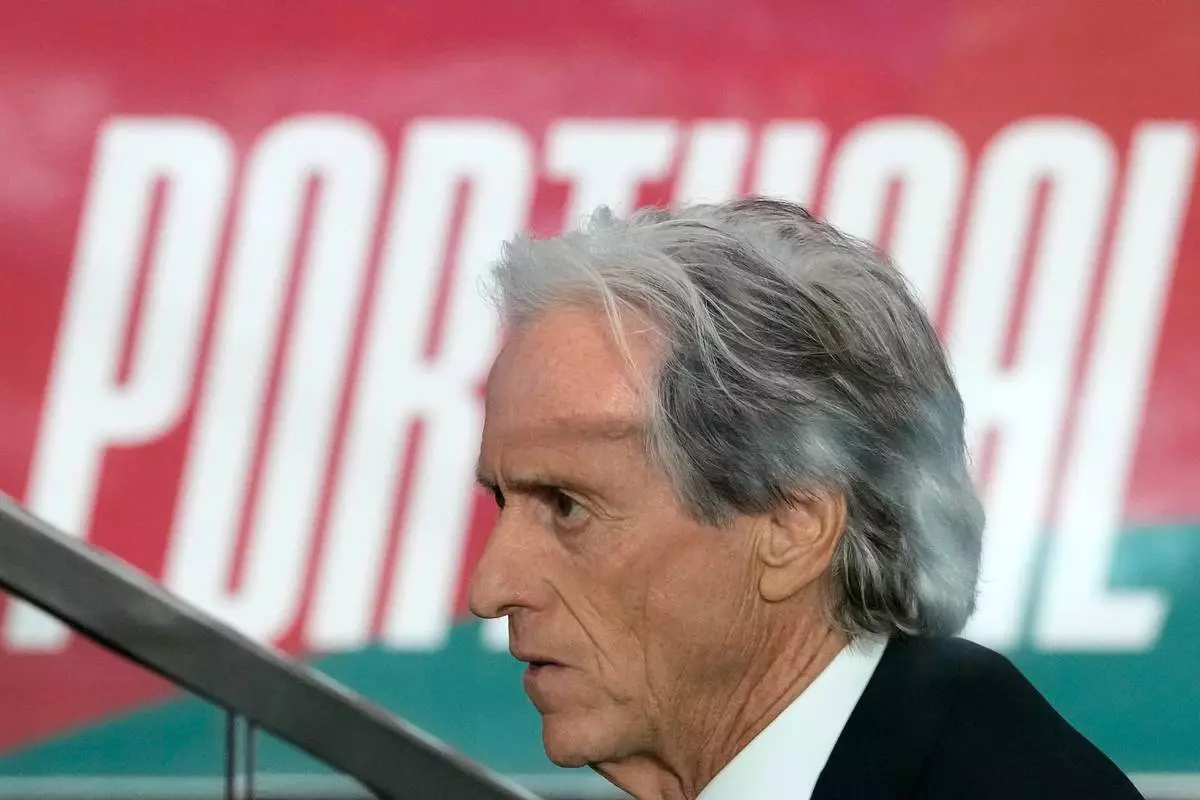
Portugal head coach Jorge Jesus enters the field for the Nations League soccer match between Portugal and Wales in Lisbon, Thursday, Sept. 24, 2026. (AP Photo/Armando Franca)
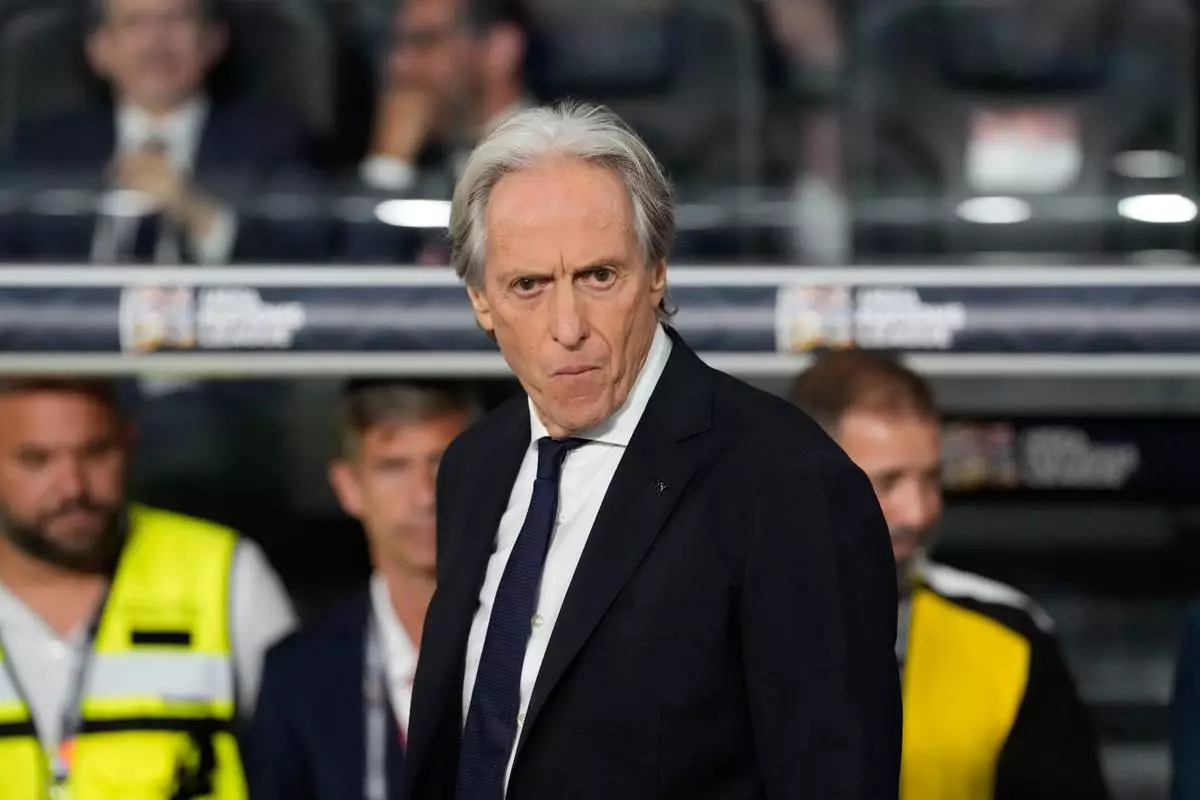
Portugal head coach Jorge Jesus enters the field for the Nations League soccer match between Portugal and Wales in Lisbon, Thursday, Sept. 24, 2026. (AP Photo/Armando Franca)
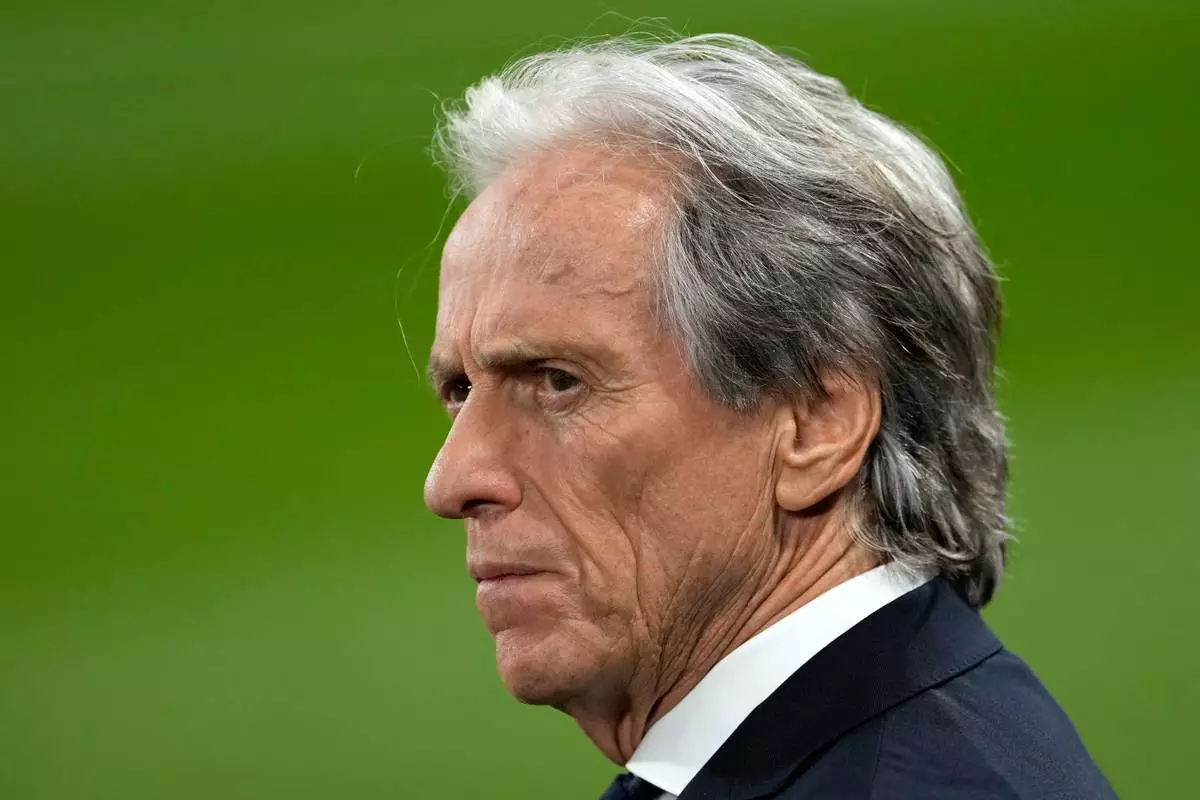
Portugal head coach Jorge Jesus stands by the pitch before the Nations League soccer match between Portugal and Wales in Lisbon, Thursday, Sept. 24, 2026. (AP Photo/Armando Franca)

Portugal's Cristiano Ronaldo starts on the bench during a Nations League soccer match between between Norway and Portugal, in Oslo, Sunday, Sept. 27, 2026. (Cornelius Poppe/NTB Scanpix via AP)