Skip to Content Facebook Feature Image

Avocado pickers in Mexico welcome restart of exports to US, but security fears remain

News

Avocado pickers in Mexico welcome restart of exports to US, but security fears remain
News

News

Avocado pickers in Mexico welcome restart of exports to US, but security fears remain

2026-08-16 14:13 Last Updated At:14:20

SANTA ANA ZIROSTO, Mexico (AP) — It didn't take long for Mexican avocado picker Francisco Isidro to get back to work after authorities announced the lifting of a U.S. security alert that temporarily halted avocado exports.

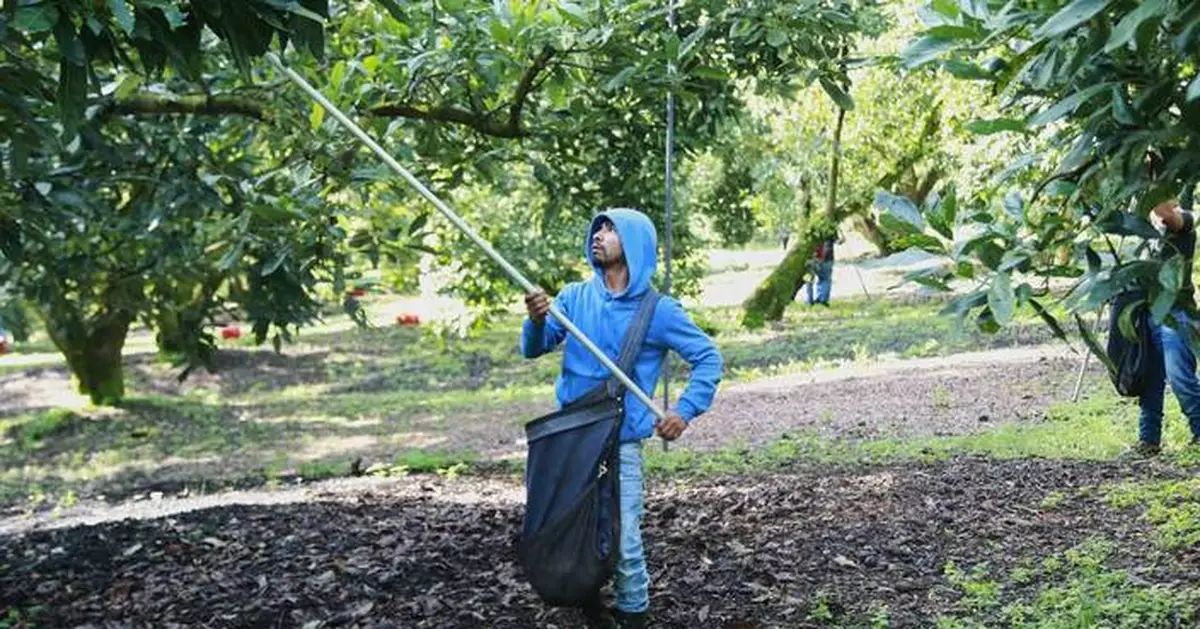
Back on the job the morning after the alert was lifted, Isidro threw a rope over an avocado tree about 20 feet (6 meters) high and climbed up. Fifteen minutes later, he had filled a box with avocados bound for the United States.

“Thank God ... and now we’re getting paid!” he shouted happily after several days without work.

Eight days after the alert affecting Michoacán state and the deployment of more Mexican troops in the region, U.S. authorities fully lifted the restrictions that spurred producers to shut down operations, and exports resumed. Michoacán is Mexico’s main avocado-producing state and a region where four cartels designated by the Trump administration as terrorist organizations operate.

By the weekend, orchards were operating again, packing plants were running at full speed and U.S. Department of Agriculture inspectors had returned to certify the fruit and ensure it was free of pests before entering the United States.

The workers were happy to get their daily wages back. Some producers hoped the increased security would reduce violence and extortion. Others feared the calm would not last long.

“We’ll be safe for a while, we’ll see what happens next,” said Valentín Rodríguez, a longtime avocado industry businessperson.

The U.S. alert caught Isidro high in a tree in an orchard in Santa Ana Zirosto, an area of green, low hills in western Michoacán where criminal groups are very active. There were no explanations, just the foreman’s shout to stop cutting.

Isidro, 39 years old and with two decades of experience as a harvester, knew that this meant either starting to look for another job until the situation returned to normal — since they’re paid by the day — or supporting his family solely on what his wife earned from a small store.

More than 90 miles (145 kilometers) away, in the town of Tacámbaro, an engineer at an avocado packing plant received the alert in the early hours of the morning: The facility should be kept sealed and under quarantine.

Some 200,000 people employed by Michoacán’s avocado industry were left in limbo.

Authorities did not say what threat triggered the alert. But in a state where numerous local cartels make money not only from drugs but also from extortion, there are plenty of possibilities.

Some growers have come to consider extortion an unavoidable production cost. A producer from Michoacán told The Associated Press recently that he pays 1 peso per kilo exported in extortion fees and exports about 90 metric tons a day, which amounts to more than $5,000 in daily payments.

In March alone, Mexico shipped nearly 4,800 tons of avocados a day to the United States.

Trucks loaded with avocados are also sometimes robbed on roads in western Michoacán. And some farmworkers have been stopped and beaten by armed men near the border with Jalisco without being told why, according to one worker who spoke on condition of anonymity for fear of retaliation.

U.S. inspectors have been assaulted and temporarily detained in the past, triggering similar export suspensions. On some occasions, threats arose after inspectors detected pests and were pressured not to report them, said an official familiar with their work who spoke on condition of anonymity for security reasons. The U.S. Embassy does not usually provide details about the incidents.

Inspectors now have less of a presence in the orchards, which are located in isolated hills where armed groups operate with little interference, and concentrate on packing plants.

“If the United States says that it is suspending technical services for security reasons, it’s impossible to export. If it's for a plant health, it’s the same,” said Rodríguez, who grows, packs and sells avocados. “We are at the mercy of whatever the U.S. market and government decide to do with the industry.”

There is also a political dimension, he said, adding that Mexico didn't export avocados to the United States for eight decades after a worm was found in an avocado pit in 1914. The U.S. ban was lifted in 1997 as domestic production could no longer meet growing demand.

More than 80% of Mexican avocados are sold to the U.S. Thousands of tons of avocados travel daily to the United States, especially at the beginning of the year, when demand for guacamole surges ahead of the Super Bowl. To keep that volume moving, certification is key.

Isidro is a “certified” picker. He knows how to disinfect cutting tools before using them, handle the fruit quickly and carefully, and report any spots or damage. The orchards where he works are also certified, providing dining and bathroom facilities for workers.

Jesús Méndez, his supervisor, inspected the boxes before they were loaded onto a truck with the tracking details. The trucks wait until all those in the area are ready before traveling in convoys to packing plants, accompanied by police patrols to prevent robberies.

At the packing plants, inspections continue, checking quality, the fruit’s flesh and possible pests. The avocados then move along mechanical lines that sort them by size before workers place them into boxes.

Once labeled and sealed, the trailers head for the U.S. border. At the slightest security alert, every point along the route can be brought to a standstill.

The deployment of more than 1,500 soldiers to protect Michoacán’s avocado-growing region and recent arrests of people allegedly involved in extortion have eased concerns, but only partially.

Luis Manuel Soto, a 36-year-old grower and packer from western Michoacán, hopes the increased security will bring improvements. So far, he says, he has not felt them.

In 2024, he said, armed men pulled him from his vehicle and threatened to kill him unless he paid them and withdrew a complaint over extortion and an attempt to seize his orchards. The threats returned last July, even though one person involved in the earlier case has been convicted.

“They left me a funeral cross and ... a written message saying I had only days left,” Soto said from a town near Morelia, Michoacán’s capital.

The threats have continued by phone. Now he divides his time between occasional visits to his orchards, managing his businesses and social projects remotely, and going to prosecutors’ offices to request protection.

In Santa Ana Zirosto and surrounding communities, residents welcome the military presence.

“It gives us some peace, but it also scares us a little because it could lead to confrontations with some of the groups,” said Méndez.
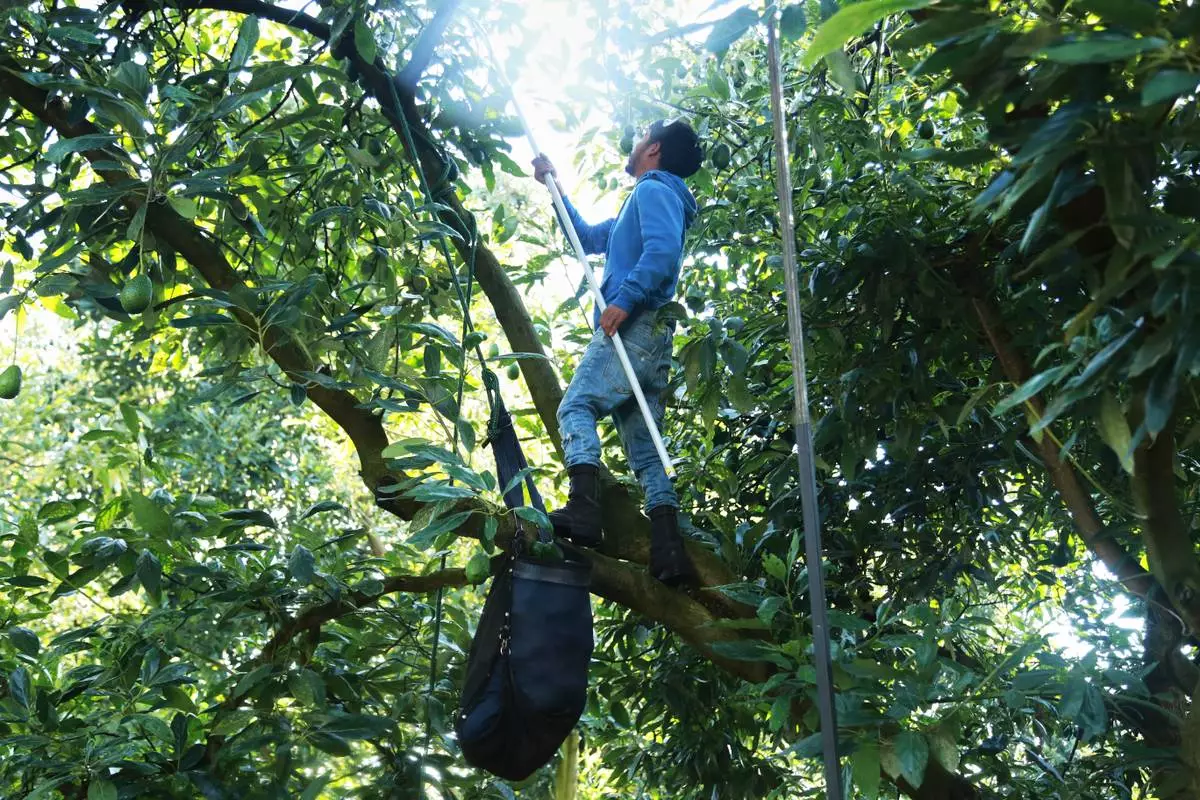
A farmhand harvests avocados at an orchard in Santa Ana Zirosto, Michoacan sate, Mexico, Friday, Aug. 14, 2026. (AP Photo/Armando Solis)
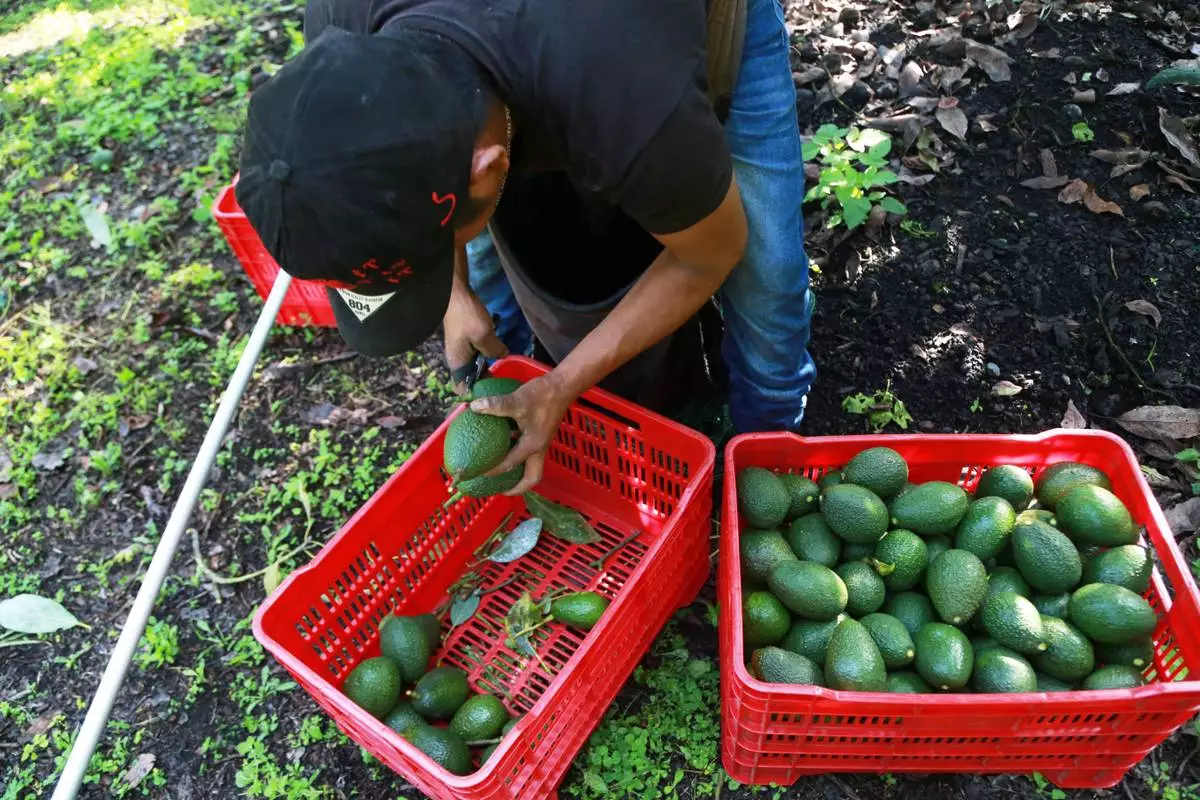
A farmhand harvests avocados at an orchard in Santa Ana Zirosto, Michoacan sate, Mexico, Friday, Aug. 14, 2026. (AP Photo/Armando Solis)
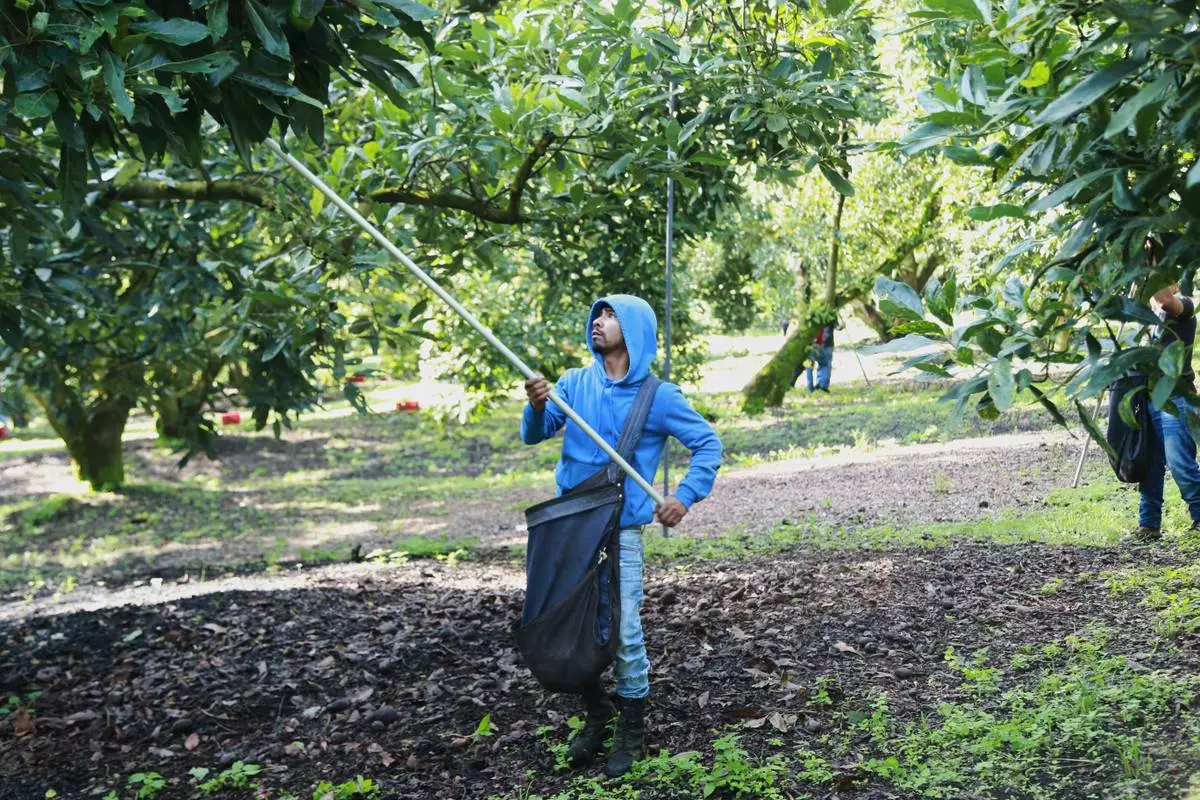
A farmhand harvests avocados at an orchard in Santa Ana Zirosto, Michoacan sate, Mexico, Friday, Aug. 14, 2026. (AP Photo/Armando Solis)

A farmhand harvests avocados at an orchard in Santa Ana Zirosto, Michoacan sate, Mexico, Friday, Aug. 14, 2026. (AP Photo/Armando Solis)
A farmhand harvests avocados at an orchard in Santa Ana Zirosto, Michoacan sate, Mexico, Friday, Aug. 14, 2026. (AP Photo/Armando Solis)
A farmhand harvests avocados at an orchard in Santa Ana Zirosto, Michoacan sate, Mexico, Friday, Aug. 14, 2026. (AP Photo/Armando Solis)
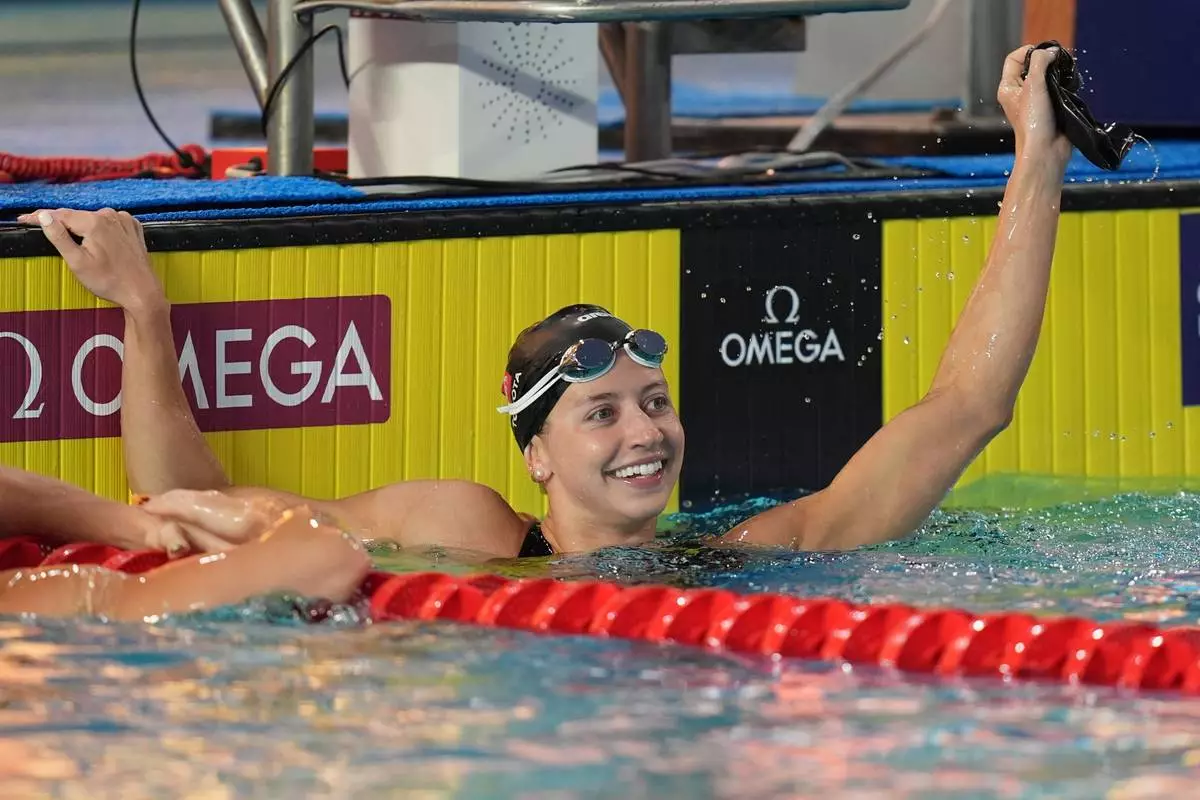
IRVINE, Calif. (AP) — Lani Pallister of Australia stunned Katie Ledecky with her first international loss in the 800-meter freestyle at the Pan Pacific Championships on Saturday night.

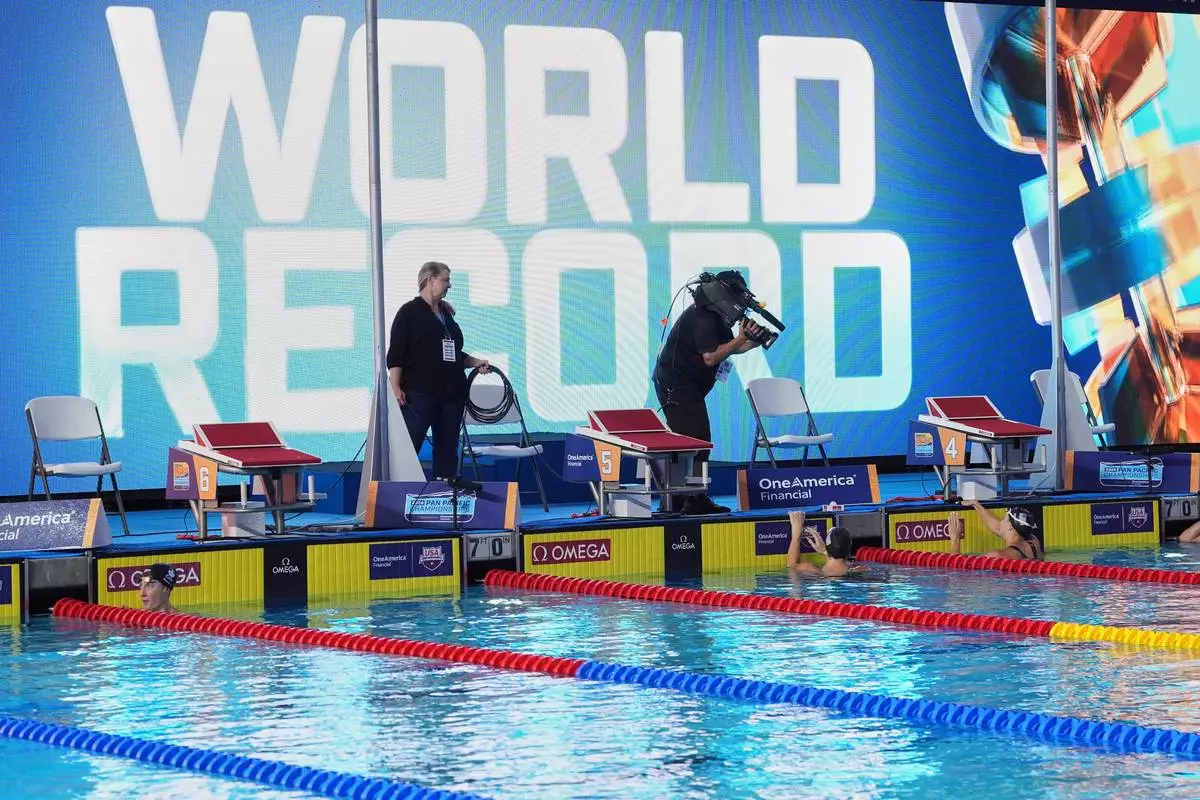
Pallister was under world-record pace for much of the race and touched in 8 minutes, 6.10 seconds to erase Ledecky's championship record from 2018.

“I was just so locked in and I've been really focused on what I want," Pallister said. “The 800 is my favorite event.”

Ledecky took silver in a season-best 8:07.26.

“That was definitely my best swim of the week, so I’m actually pretty happy with it,” she said. “If I was going to get second tonight, I wanted to make it a good one. Just wanted to make it hard for Lani.”

Ledecky is the four-time Olympic champion in her signature event. The American's lone previous defeat in an 800 free final since 2010 came in a small domestic meet in February 2024 against Summer McIntosh of Canada.

“Katie's such a dominant force,” a breathless Pallister said after the race.

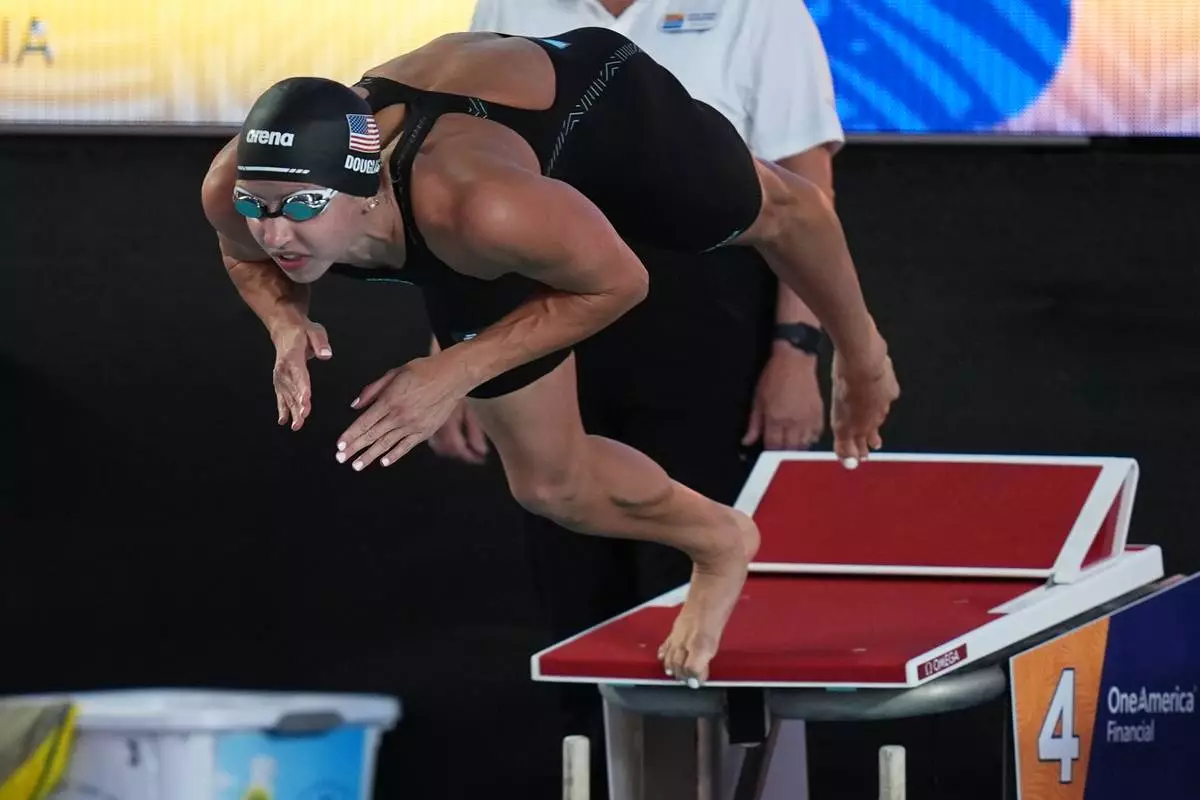
Kate Douglass lowered her own world record in the 50 free for the second time Saturday, winning the final in 23.19 — one of three events on the final night.

“I was doubting myself, questioning my ability to do the triple,” she said. “My coaches and my teammates just really had a lot of faith in me and they really gave me a lot of energy.”

In the morning preliminaries, the 24-year-old American swam 23.49 to take the mark away from teammate Gretchen Walsh, who finished second in the evening final in 23.74.

Douglass returned 25 minutes later to finish second in the 200 breaststroke. She rallied from third down the stretch but couldn’t catch Alexanne Lepage of Canada, who led the entire race and touched in a lifetime best of 2:21.73. Douglass finished in 2:22.57.

“I feel like I’m just a little bit shocked,” Lepage said.

Walsh had owned the 50 free record of 23.55 since setting it in June at an international meet in Rome.

It’s the third time Douglass has lowered the world mark in the sprint race. She first did it on June 19 at the TYR Pro Swim Series meet in Indianapolis, posting a time of 23.59. Nine days later, Walsh lowered it again.

Fourteen minutes after climbing out of the pool, Douglass appeared on the medals podium in her cap and goggles to accept her gold. The other medalists were dressed in their usual team sweats. Eleven minutes after that, Douglass dived in for the 200 breast final.

Douglass capped a busy night by anchoring the U.S. women to a dominant victory in the 4 x 100 medley relay. Their time of 3:50.43 was a championship record. Australia was second in 3:55.09.

Douglass is a five-time Olympic medalist. She earned silver in the 50 free at the 2024 world championships but didn’t compete in the event at the 2024 Paris Games.

Her 50 free was the second individual world record set at the meet that includes swimmers from the U.S., Australia, Canada, Japan and China, among others.

The U.S. men also topped Australia in the 4 x 100 medley relay. Will Modglin, Van Mathias, Luca Urlando and anchor Jack Alexy swam a championship-record time of 3:29.06.

Sam Short of Australia won the 1,500 free to go with his earlier titles in the 400 and 800 free events. His time of 14:33.97 was the sixth-fastest in history and broke Grant Hackett’s 24-year-old championship record.

“That was actually so much fun,” Short said.

Kazushi Imafuku of Japan took silver in 14:42.59 and two-time defending Olympic champion Bobby Finke earned bronze in 14:44.26 on the same day he lost his world record to Johannes Liebmann of Germany at the European championships.

The men’s 50 free was won by Jamie Jack of Australia in a championship record of 21.35. American Jack Alexy took silver in 21.42.

Yu Yiting of China defeated a strong field including world record-holder McIntosh to win the 200 individual medley.

Yu was under world-record pace on the opening butterfly leg before American Regan Smith took over the lead on the backstroke. Yu moved back in front on the breaststroke and held off McIntosh in the closing meters. Yu’s time of 2:07.45 set a championship record in the outdoor pool in Irvine.

McIntosh, the Canadian star whose lone individual victory of the week was in the 400 IM, took silver in 2:07.47. American Alex Walsh, the older sister of Gretchen Walsh, earned bronze in 2:07.66. Smith finished fourth.

McIntosh claimed silver in the 200 freestyle and bronze in the 4 x 200 freestyle relay. She surprisingly failed to qualify for the 400 free championship final, but finished first in the ‘B’ final.

“It wasn’t a horrible swim, but getting touched out is something that is never a good thing to feel,” she said. “Overall, the meet didn’t go the way I wanted it to, so there’ll definitely be a lot of reflection.”

Zac Stubblety-Cook of Australia went from fourth to first in the 200 breast, winning in 2:08.09. American Josh Matheny earned silver. Shin Ohashi, who led until the final 15 meters, took bronze.

In the men’s 200 IM, Tomoyuki Matushita of Japan won in 1:56.02 over American Carson Foster.

See AP’s full sports coverage here

Kate Douglass, of the United States, right, gets out of the pool after winning the women's 50 meters freestyle final with a new world record at the Pan Pacific Swimming Championships Saturday, Aug. 15, 2026 in Irvine, Calif. (AP Photo/Gregory Bull)

Kate Douglass, of the United States, right, gets out of the pool after winning the women's 50 meters freestyle final with a new world record at the Pan Pacific Swimming Championships Saturday, Aug. 15, 2026 in Irvine, Calif. (AP Photo/Gregory Bull)

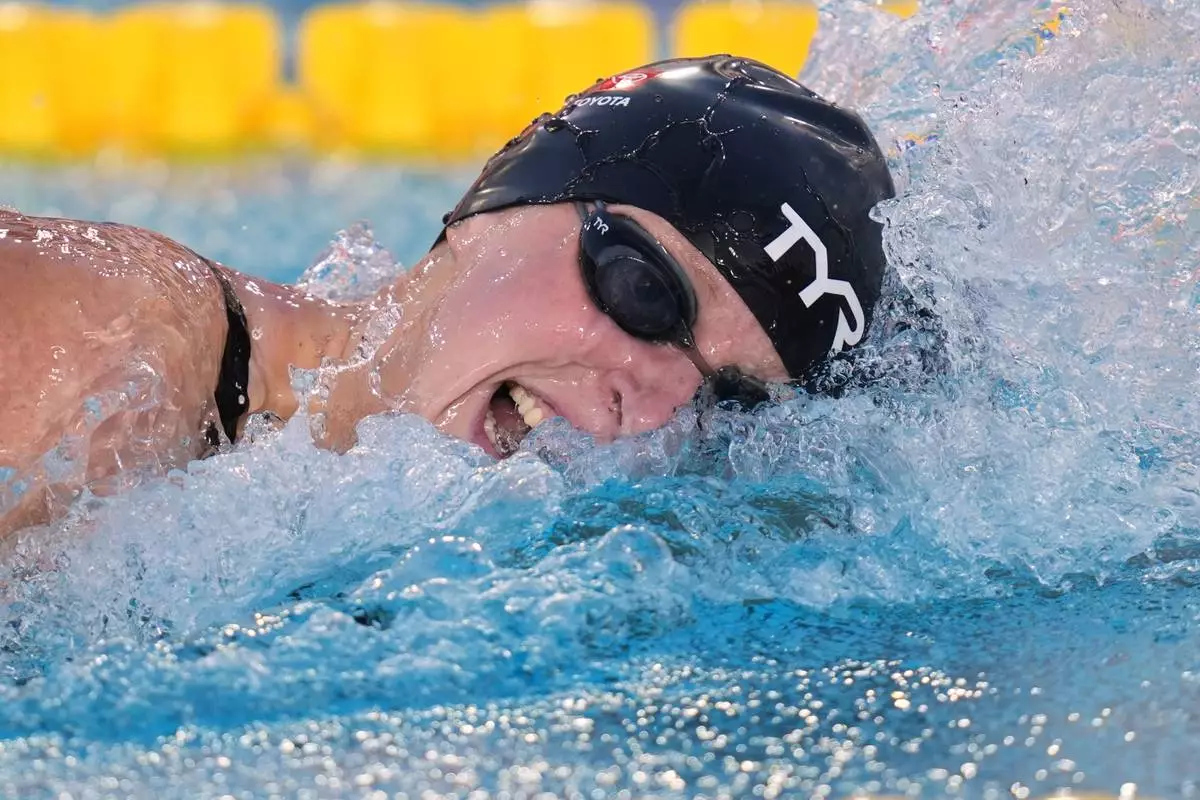
Kate Douglass, of the United States, competes on her way to winning the women's 50 meters freestyle final with a new world record at the Pan Pacific Swimming Championships Saturday, Aug. 15, 2026 in Irvine, Calif. (AP Photo/Gregory Bull)

Kate Douglass, of the United States, competes on her way to winning the women's 50 meters freestyle final with a new world record at the Pan Pacific Swimming Championships Saturday, Aug. 15, 2026 in Irvine, Calif. (AP Photo/Gregory Bull)

Kate Douglass, of the United States, smiles after winning the women's 50 meters freestyle final with a new world record at the Pan Pacific Swimming Championships Saturday, Aug. 15, 2026 in Irvine, Calif. (AP Photo/Gregory Bull)

Kate Douglass, of the United States, smiles after winning the women's 50 meters freestyle final with a new world record at the Pan Pacific Swimming Championships Saturday, Aug. 15, 2026 in Irvine, Calif. (AP Photo/Gregory Bull)

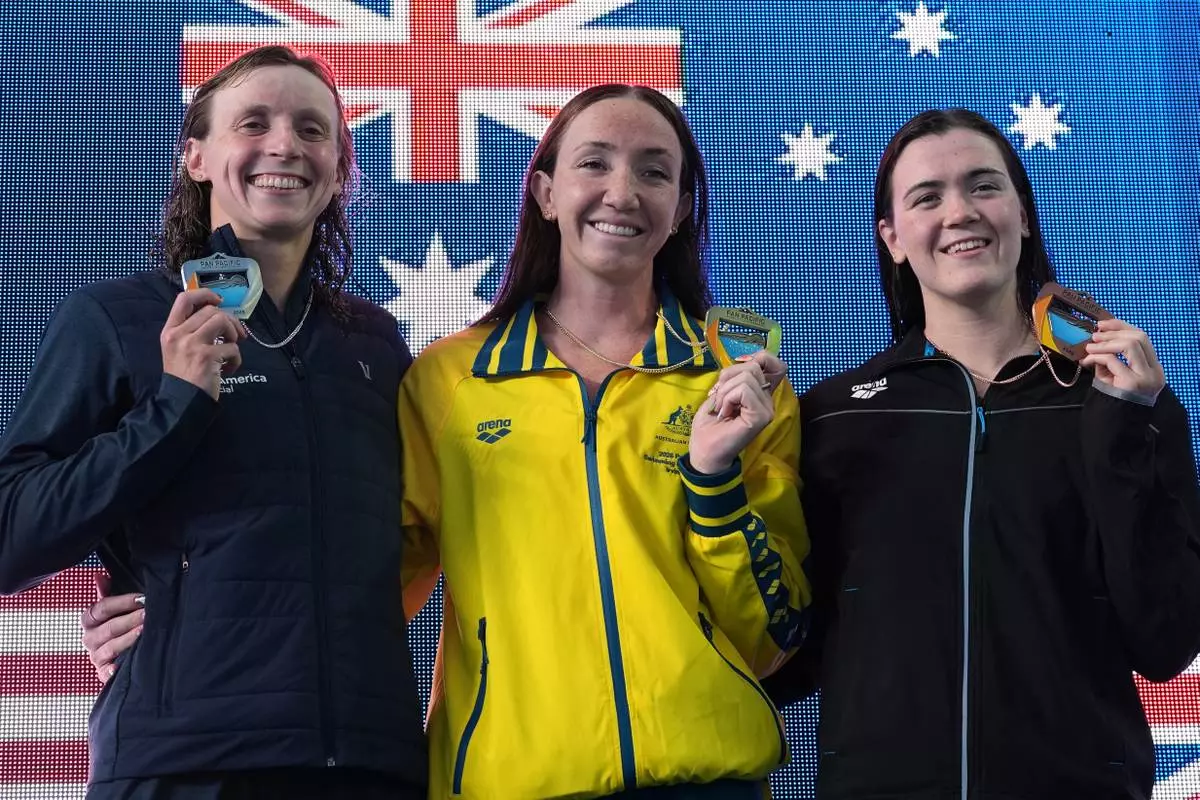
From left, silver medalist Katie Ledecky, of the United States, gold medalist Lani Pallister, of Australia, and bronze medalist Erika Fairweather, of New Zealand celebrate after the the women's 400 meters freestyle final at the Pan Pacific Swimming Championships Friday, Aug. 14, 2026 in Irvine, Calif. (AP Photo/Gregory Bull)

From left, silver medalist Katie Ledecky, of the United States, gold medalist Lani Pallister, of Australia, and bronze medalist Erika Fairweather, of New Zealand celebrate after the the women's 400 meters freestyle final at the Pan Pacific Swimming Championships Friday, Aug. 14, 2026 in Irvine, Calif. (AP Photo/Gregory Bull)

Katie Ledecky, of the United States, competes in the women's 400 meters freestlye final at the Pan Pacific Swimming Championships Friday, Aug. 14, 2026 in Irvine, Calif. (AP Photo/Gregory Bull)

Katie Ledecky, of the United States, competes in the women's 400 meters freestlye final at the Pan Pacific Swimming Championships Friday, Aug. 14, 2026 in Irvine, Calif. (AP Photo/Gregory Bull)

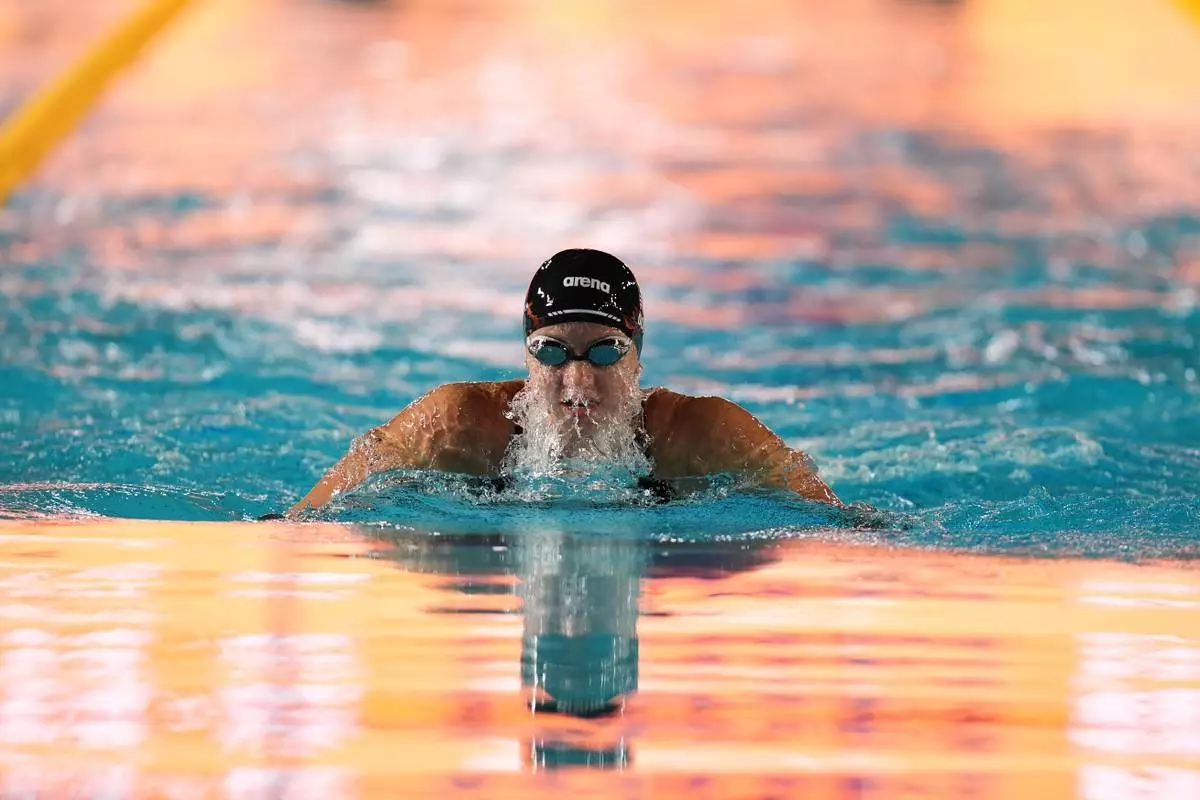
Kate Douglass, of the United States, competes in the women's 100 meters breaststroke final at the Pan Pacific Swimming Championships Thursday, Aug. 13, 2026 in Irvine, Calif. (AP Photo/Gregory Bull)

Kate Douglass, of the United States, competes in the women's 100 meters breaststroke final at the Pan Pacific Swimming Championships Thursday, Aug. 13, 2026 in Irvine, Calif. (AP Photo/Gregory Bull)

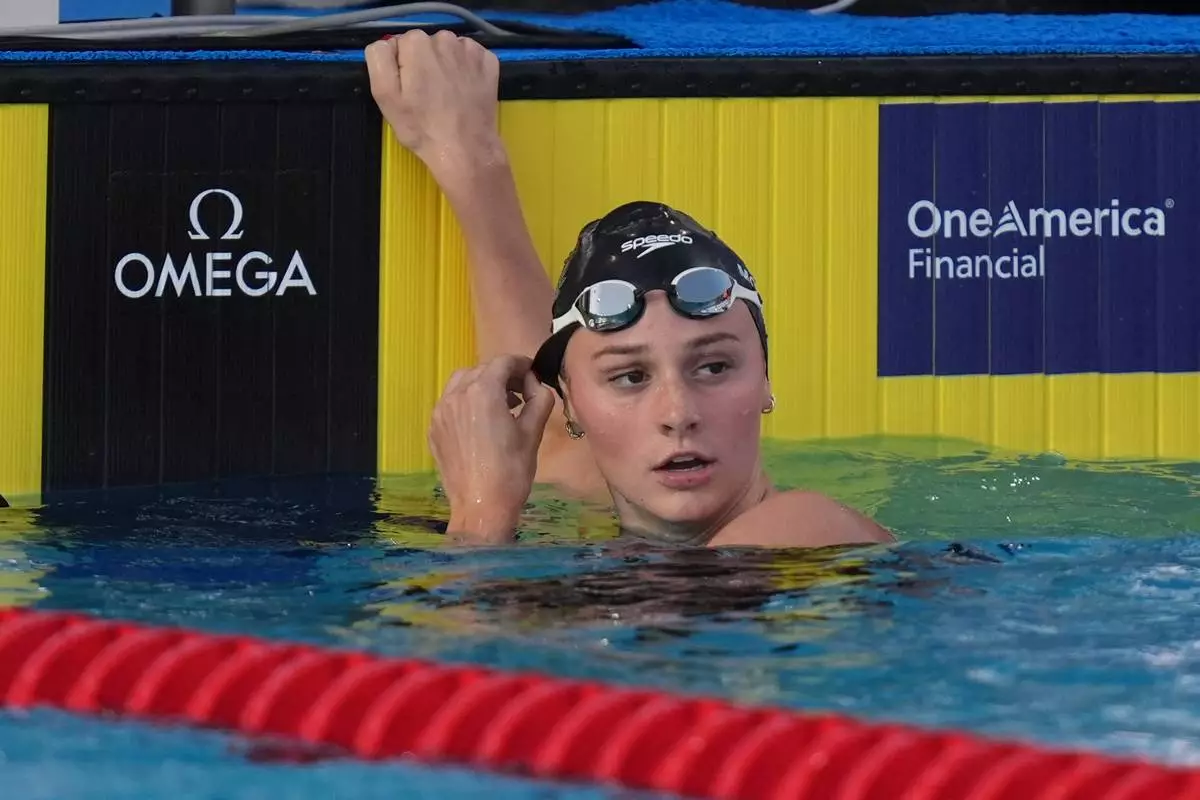
Summer McIntosh, of Canada, looks on after the women's 400 meters freestlye final at the Pan Pacific Swimming Championships Friday, Aug. 14, 2026 in Irvine, Calif. (AP Photo/Gregory Bull)

Summer McIntosh, of Canada, looks on after the women's 400 meters freestlye final at the Pan Pacific Swimming Championships Friday, Aug. 14, 2026 in Irvine, Calif. (AP Photo/Gregory Bull)

Recommended Articles