More than three years into Sudan's armed conflict between the country's two rival military factions, relentless fighting has not only shattered infrastructure but has also sent prices soaring amid a plummeting pound, complicated by a looming financial split as the Rapid Support Forces (RSF) builds a parallel system in its controlled areas.
The Northeast African country has been gripped by deepening turmoil since fighting erupted in April 2023 between the Sudanese Army and the paramilitary RSF.
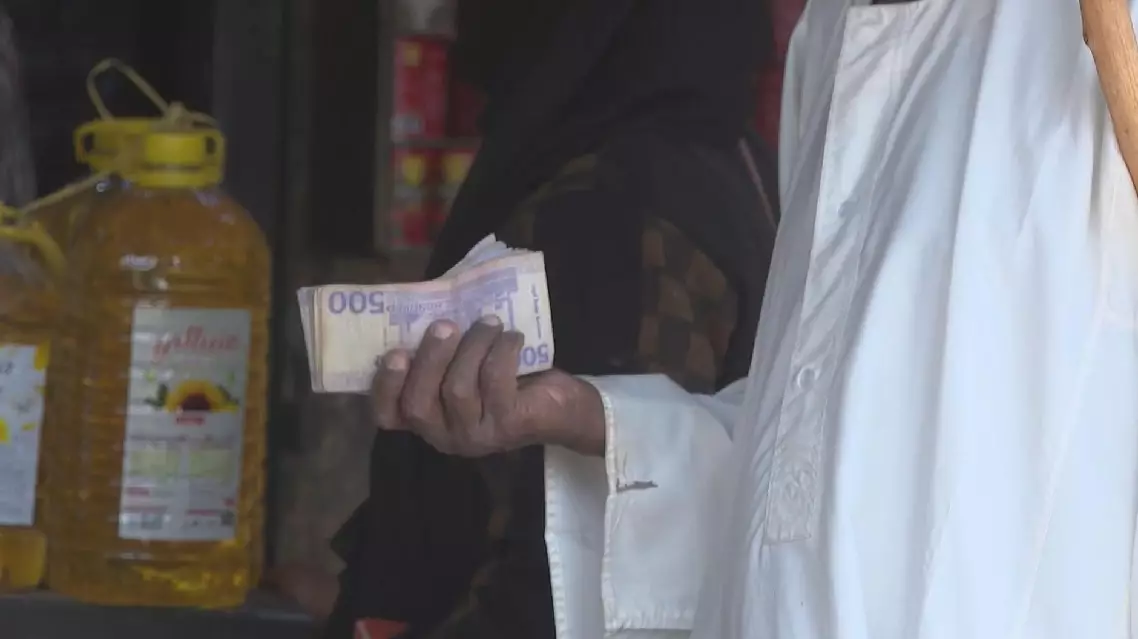
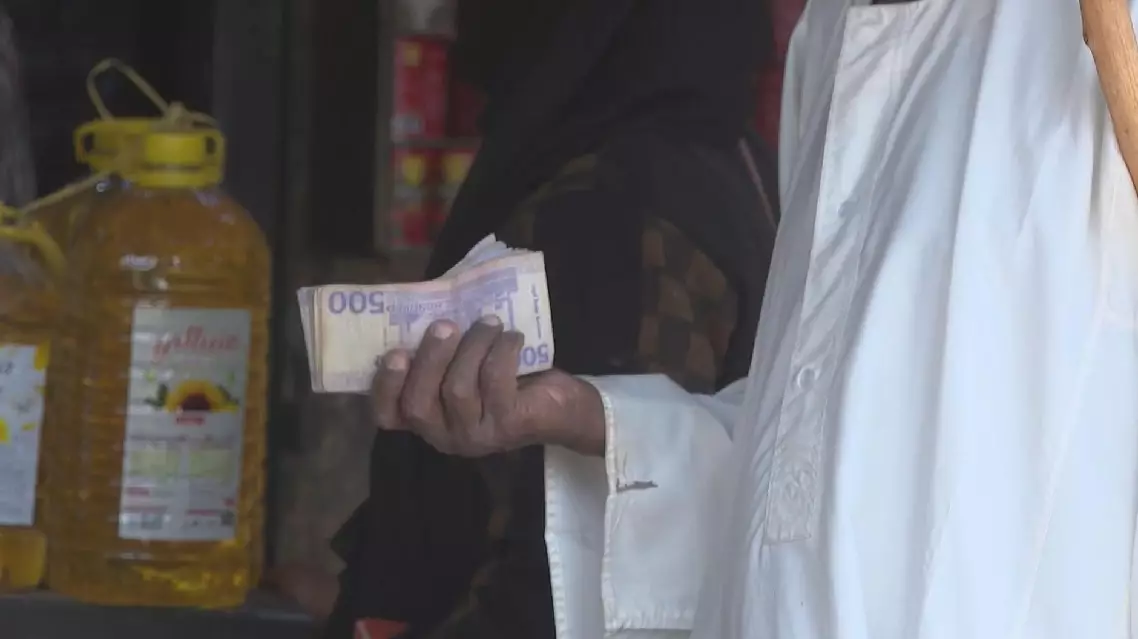
In a fruit shop on the streets of Port Sudan, a coastal city in the east, one mango that cost 1,600 Sudanese pounds a week ago now sells for 2,300, a dizzying 50 percent spike. And it is not just fruit. From bread to petrol, prices across the board are climbing precipitously, driven by the pound's collapse.
Before the war, the exchange rate hovered around 560 pounds to the U.S. dollar. As tensions escalated, the currency steadily bled value. In late June this year, it plunged to a historic low of more than 6,000 per dollar, erasing more than 90 percent of its worth since the fighting began.
That plunge has made imports expensive. Necessities including food, medicine, and fuel have seen their prices skyrocketing. According to IMF data, the country's average inflation for 2025 hovered near 100 percent, and although it eased slightly in 2026, it remains persistently high at 75 percent.
"Prices for so many goods are sky-high now, driven by the pound's steep devaluation. Ten thousand pounds used to be a fortune. Now it barely buys a thing. It's worth what a thousand was back then," local man Awad Mohamed told China Central Television (CCTV).
Behind the currency's collapse lies an economy in deep trauma. Foreign investment has fled, exports have withered, and trade imbalances have only worsened. The World Bank estimated that Sudan's GDP shrank by 29.4 percent in 2023 and another 14 percent in 2024. A modest rebound of about 3.1 percent was projected for 2025, but the economy remains entrenched in recession and is not expected to return to pre-war levels until at least 2031.
"The war has pushed Sudan into a severe economic crisis. Factories are closed in large numbers, farms abandoned, and production continues to contract. With shrinking revenues, the government has little choice but to hike taxes, which only compounds the burden on businesses and households. It's a vicious cycle that feeds on itself," said economist Elbushari Ali.
Sudan's financial system now risks fracturing along battle lines. In areas under its control, the RSF has established a so-called "Transitional Currency Council" to oversee cash circulation and regulate banking activity. They also announced plans to issue a new version of the Sudanese pound, aiming to build a financial system that rivals the central government's.
Analysts warn that the coexistence of two currencies and two central banks could intensify economic turmoil, undermining stability and severely eroding market confidence in the pound.
Sudanese pound plunge fuels cost-of-living crisis as war grinds on
Sudanese pound plunge fuels cost-of-living crisis as war grinds on